I have a completely unfair bias when it comes to tiger cartoon characters. If a cartoon introduces a tiger, I assume the story’s about to get better.
Not “louder.” Not “cuter.” Better. Because tiger characters don’t show up to blend in. They show up to take over, with energy, menace, loyalty, or quiet intelligence.
- ✅ Some characters are literal tigers (Rajah, Shere Khan).
- 💡 Some are tiger-styled or tiger-adjacent (Battle Cat, Tygra).
- 🚀 Some are “tiger characters” in the cultural sense (Hobbes, Tony the Tiger) because everyone knows exactly who I mean.
Also: I’m not doing the robotic “here’s a list” thing. I’m telling you why these tiger cartoon characters stuck in my head, and why I still think they’re the best.
Discover the best animated tigers
When I think about tiger characters in animation, I think about three roles they’re constantly cast into: the chaos engine, the bodyguard, and the final boss. And then there’s the rare fourth type, the tiger who feels like a friend.
- ✅ The Spark Plug: shows up, bounces off the walls, makes everyone else more alive (hi, Tigger).
- 💡 The Shadow: calm voice, sharp eyes, “I’m here to ruin your day” energy (hi, Shere Khan).
- 🚀 The Shield: loyal protector with a soft spot that doesn’t get advertised (hi, Rajah).
- ✅ The Mirror: the tiger who reflects the main character’s mind and grows with them (hi, Hobbes).
Disney tiger characters list
If you grew up on Disney the way I did, tiger characters weren’t background animals. They were storytelling tools. A tiger meant danger, devotion, or destiny, sometimes all three.
- ✅ Shere Khan: intimidation as a personality
- 💡 Rajah: loyalty that doesn’t need words
- 🚀 Raja (Tiger Trouble): classic short-form chaos
15Shere Khan (The Jungle Book)
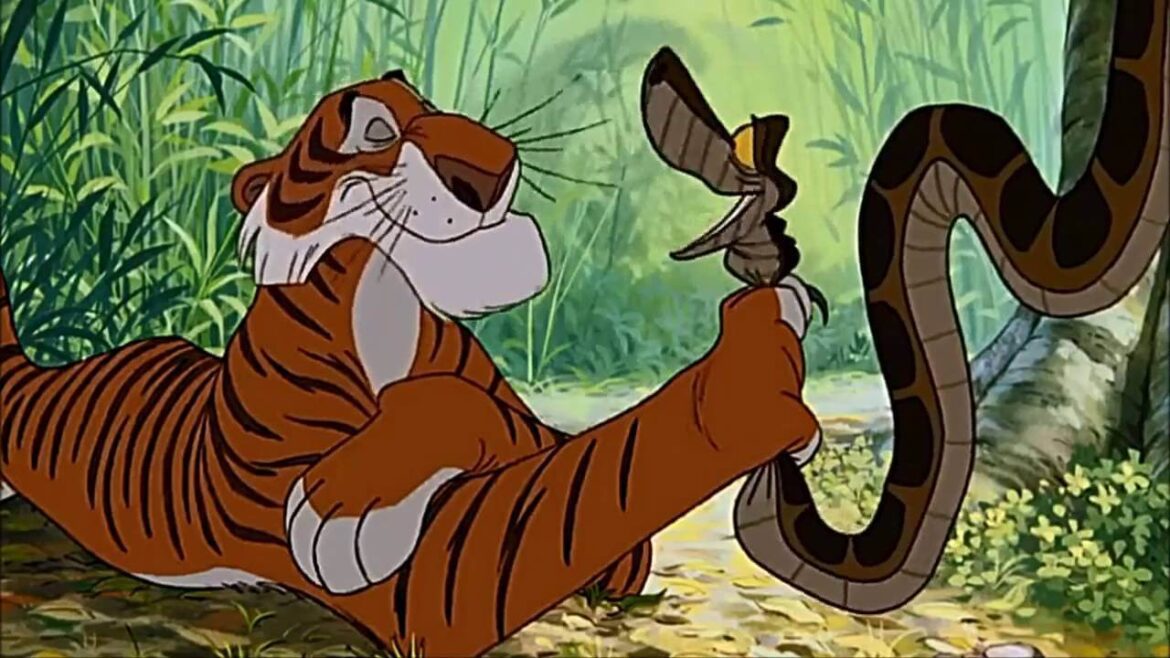
- ✅ My read: Shere Khan is “polite villainy” at its most terrifying.
- 💡 What makes him work: he doesn’t rush. He doesn’t yell. He just arrives.
- 🚀 Why he’s iconic: the calmness is the threat.
I’ve always thought Shere Khan is scary because he’s controlled. He isn’t a frantic monster. He’s a predator with standards. And yes, I know it’s funny that he gets linked alongside Disney’s most iconic villains lists sometimes. He’s not “female villain” energy, but he’s absolutely peak Disney villain energy.
14Rajah (Aladdin)

- ✅ My read: Rajah is the best kind of “silent character” because his body language does all the talking.
- 💡 What makes him memorable: he’s protective without being a cliché.
- 🚀 Why he matters: he’s basically Jasmine’s boundary system in tiger form.
Rajah is the tiger I trusted immediately. I’ve found that’s rare. Most tiger characters in animation are written to test you first. Rajah is written to protect someone you already care about, so the bond lands instantly.
13Raja (Tiger Trouble)
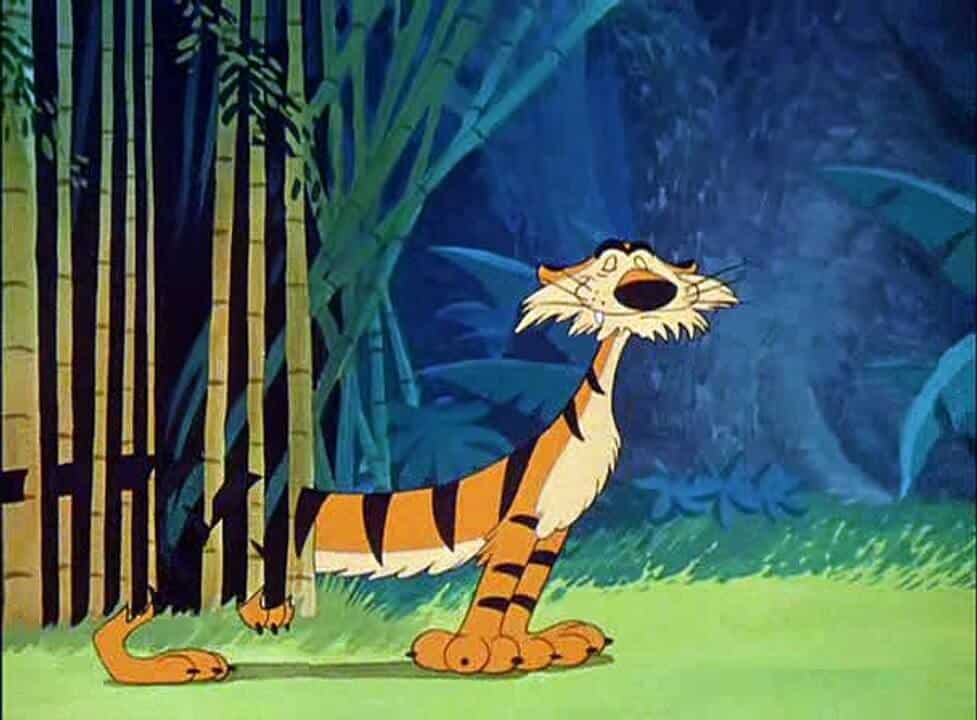
- ✅ My read: Raja is a classic “never catches me” cartoon tiger.
- 💡 What makes it fun: it’s all rhythm: setup, chase, embarrassment, repeat.
- 🚀 Why it belongs here: Goofy vs. tiger is comedy math that always works.
I’m a sucker for old-school short-form Disney chaos, and this one delivers. Also, if you enjoy Goofy getting outplayed (repeatedly), I’m not going to pretend you won’t enjoy browsing the Goofy series vibe.
Famous Cartoon Tiger Villains
I’ll be real: I don’t think tiger villains are popular because “tigers are scary.” I think they’re popular because tigers can be written as quiet power. That’s always more unsettling than loud power.
- ✅ They don’t need to prove strength. You assume it.
- 💡 They can be elegant and threatening at the same time.
- 🚀 They raise the stakes just by being on-screen.
Shere Khan is the obvious example, but I also count “villain-adjacent” tigers like Bill from Beastars because the menace is social, not just physical.
Tiger Characters in Anime and Manga
I don’t treat anime tigers the same way I treat Saturday-morning cartoon tigers. Anime tiger characters are usually written with a different kind of tension: identity tension, status tension, “what am I allowed to be?” tension. And that’s exactly why they stick.
12Bill (Beastars)
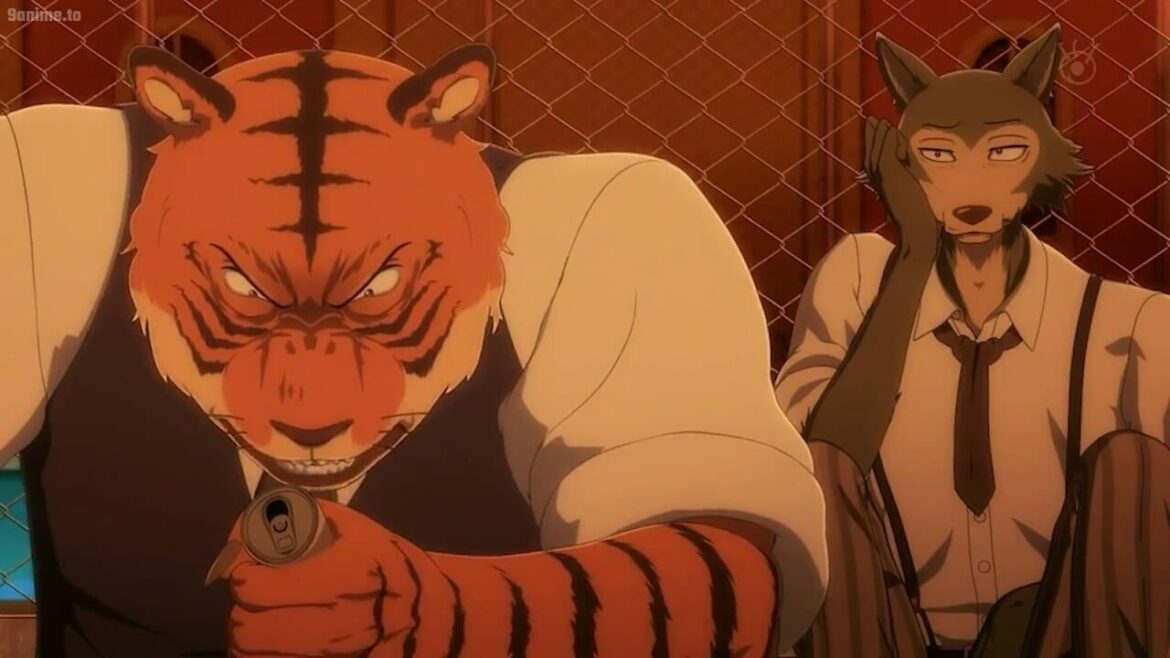
- ✅ My read: Bill is a tiger character built around image and impulse.
- 💡 What makes him interesting: he’s charming, and you’re never fully sure you should trust that.
- 🚀 Why he belongs on this list: he shows how “tiger energy” can be social power, not just muscle.
Beastars is one of those stories where the animal design isn’t a gimmick, it’s the point. Bill’s confidence reads differently because he’s a Bengal tiger in a world that’s constantly negotiating fear and status. If you’re already in that rabbit hole, I get it. I’ve spent plenty of time clicking around manga and anime series lists for exactly this reason.
Battle Cat Cringer He-Man tiger name
This is one of the most common “wait, what was that tiger called?” questions I hear. So I’ll answer it cleanly, the way I wish people had answered it for me as a kid.
- ✅ Cringer = the timid, anxious, “please don’t make me do this” green tiger.
- 💡 Battle Cat = Cringer transformed into the armored war mount after the power-up moment.
- 🚀 Why it’s iconic: it’s the ultimate glow-up, fear into courage, instantly.
11Battle Cat (Masters of the Universe)
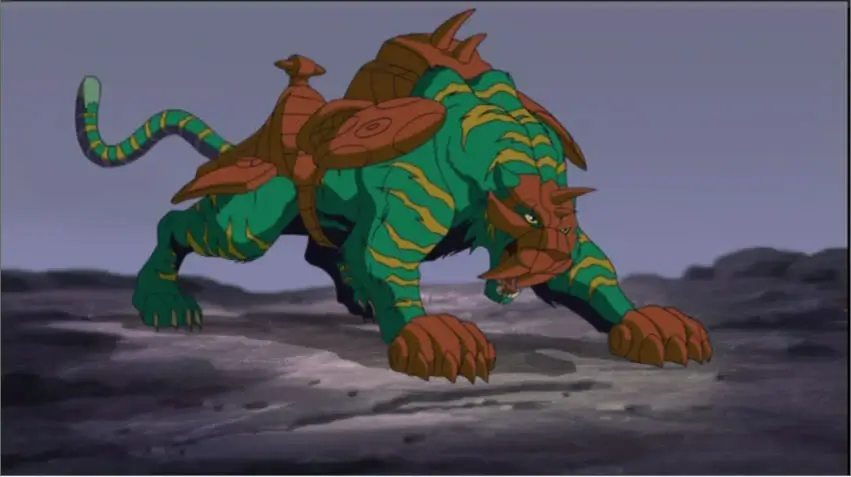
- ✅ My read: Battle Cat is the ultimate “show up scared and do it anyway” character.
- 💡 What I loved as a kid: the armor, the size, the sheer strength.
- 🚀 Why he sticks: Cringer becoming Battle Cat is a glow-up I still find weirdly motivating.
I loved Battle Cat as a kid for the obvious reasons: armor, size, strength. I love Battle Cat as an adult for a different reason. Cringer turning into Battle Cat is basically a metaphor for showing up scared and doing it anyway, and I still find that genuinely motivating.
The tigers I think are “heroes” (even when they act like disasters)
Not every tiger character is built to intimidate. Some are built to teach kids feelings. Some are built to be the friend you wish you had. Some are built to be the chaos that makes a story fun.
10Daniel Tiger (Daniel Tiger’s Neighborhood)
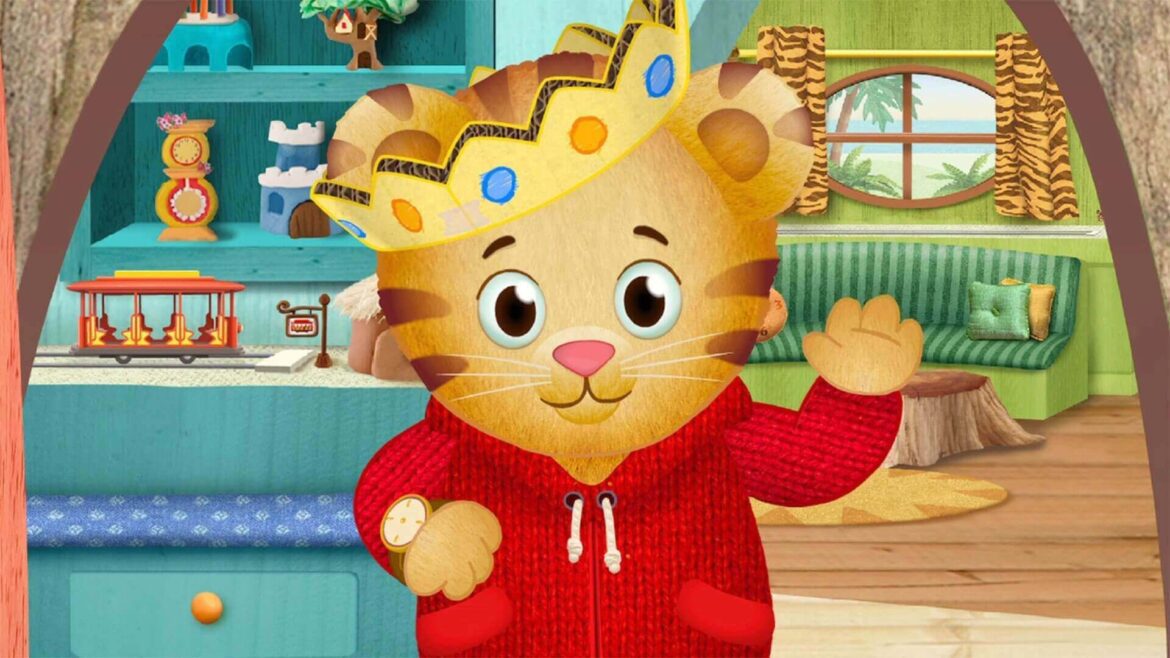
- ✅ My read: Daniel Tiger is “emotional vocabulary” in character form.
- 💡 What I respect: the show treats kids’ feelings like real information, not noise.
- 🚀 Why he belongs here: he’s one of the most influential modern tiger characters for actual children.
I’ve seen a lot of kids’ shows try to teach emotional intelligence and land flat. Daniel Tiger’s Neighborhood doesn’t land flat. It lands gently. That’s harder.
9Daniel Striped Tiger (Mister Rogers’ Neighborhood)

- ✅ My read: Daniel Striped Tiger is the shy kid in the room, finally represented.
- 💡 What makes him timeless: he normalizes sensitivity without turning it into a weakness.
- 🚀 Why he matters: he’s a tiger character built around kindness, not power.
I don’t think every tiger character needs to roar. Daniel Striped Tiger proves that “soft tiger” stories can still be powerful.
8Tigger (Winnie the Pooh)
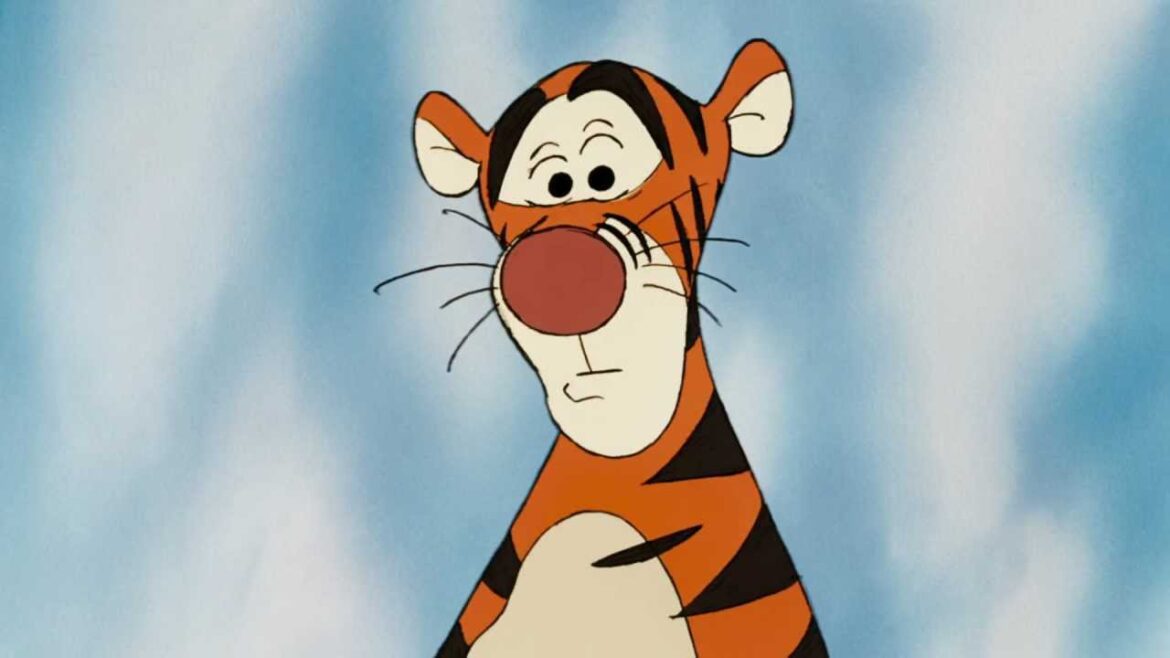
- ✅ My read: Tigger is pure momentum. He’s a personality with a tail.
- 💡 What makes him iconic: he makes every scene move.
- 🚀 Why I still love him: he’s chaotic, but he’s never cruel.
I’ve found that a lot of “energetic” characters get exhausting fast. Tigger doesn’t, because he feels joyful, not attention-starved. That’s the difference, and it’s why he’s probably the most popular tiger in animation.
The protectors and the fighters
Some tiger characters are written like guardians. Some are written like weapons. The best ones are both.
7Tigress (Kung Fu Panda)
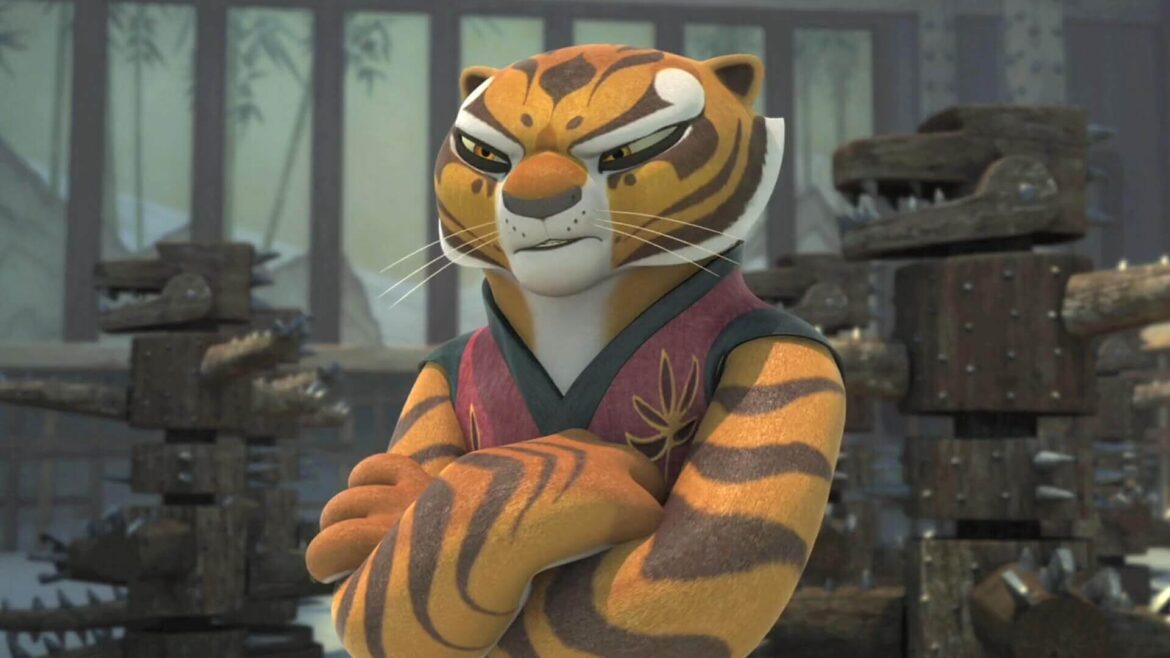
- ✅ My read: Tigress is discipline with a heartbeat.
- 💡 What makes her stand out: she learns to respect softness without losing strength.
- 🚀 Why she’s unforgettable: she’s the rare “tough character” who’s also emotionally honest.
I’ve always respected Tigress because she isn’t written to be “the girl” of the group. She’s written to be a standard. A bar. And watching her relationship with Po evolve is one of my favorite examples of trust building in modern animation.
Tiger icons outside TV and movies
I’m including these because they shaped pop culture the same way cartoons did for me. One lived on a cereal box. One lived in a comic strip. Both feel weirdly permanent.
Tony the Tiger Mascot History
I’ve watched a lot of mascots come and go. Tony doesn’t go. He’s one of the few advertising characters that became a genuine cultural reference point.
6Tony the Tiger (Kellogg’s Frosted Flakes)
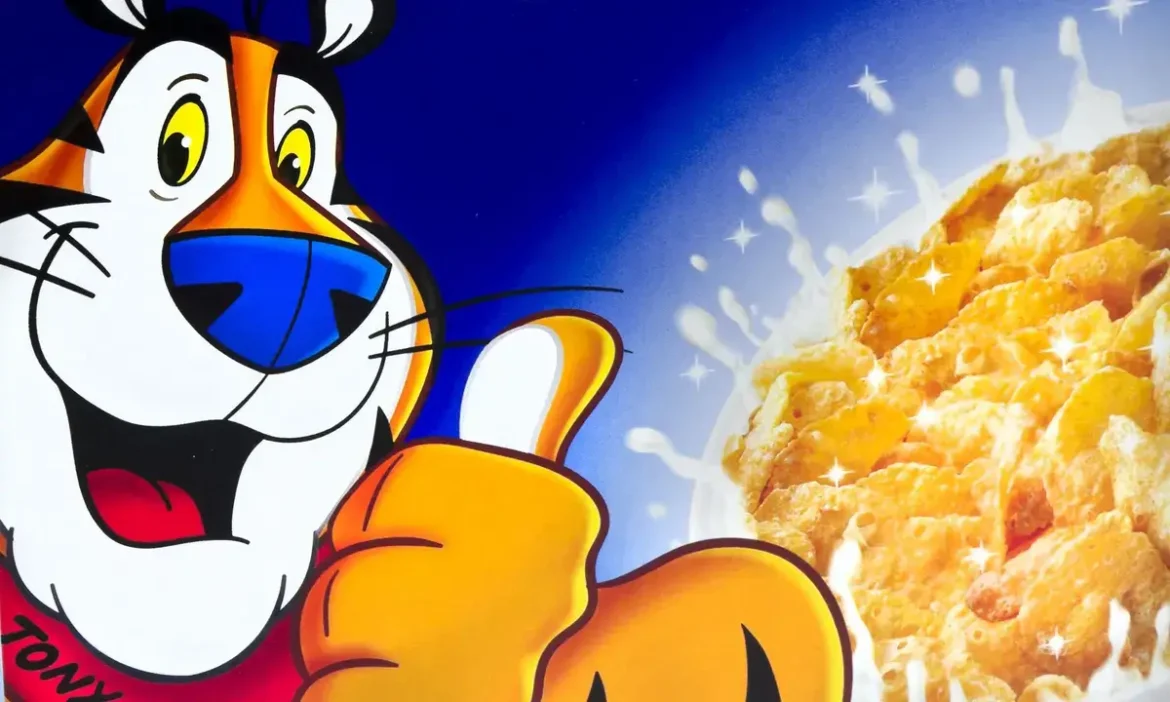
- ✅ He’s aspirational without being smug.
- 💡 He’s encouraging in a way that feels simple, not salesy.
- 🚀 He has one job: make mornings feel possible.
External reference (for the bigger cultural context): I usually start with Tony the Tiger because it’s the quickest place to trace the mascot’s long lifespan.
“They’re grrreat!” is one of those catchphrases I can hear without trying. That’s not just marketing. That’s a character landing so hard it becomes part of the language.
5Hobbes (Calvin and Hobbes)
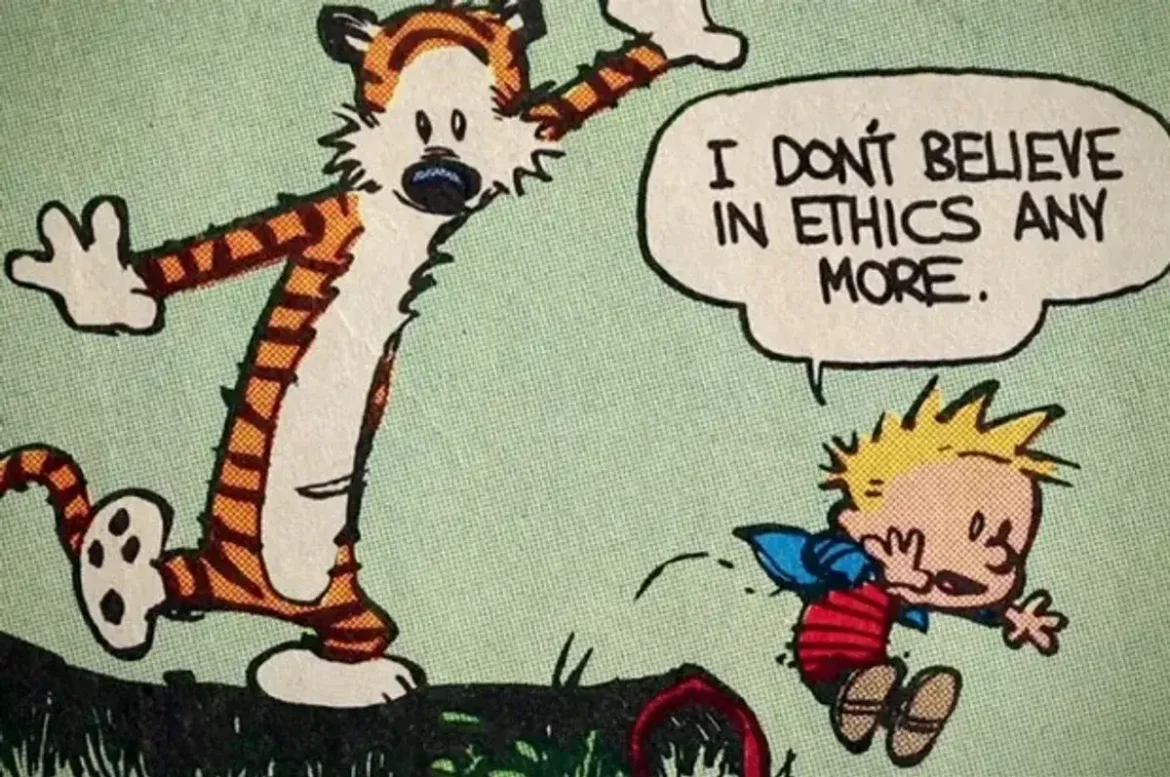
- ✅ My read: Hobbes is the best “tiger friend” ever written.
- 💡 What makes him special: he can be silly and philosophical in the same breath.
- 🚀 Why he lasts: he grows up with you. The strip hits differently at 10 than it does at 30.
Hobbes is the tiger character I wanted in real life. Not as a pet. As a companion. Someone who could play hard, question everything, and still show up loyal.
Tiger-adjacent legends I still count
Some characters aren’t technically “tigers.” I still count them because they deliver tiger energy so perfectly that arguing feels pointless.
4Tygra (ThunderCats)

- ✅ My read: Tygra is “calm competence” in stripes.
- 💡 Why he stands out: he’s strategic, not flashy.
- 🚀 Why I remember him: he makes leadership feel like responsibility, not ego.
I’ve always liked that Tygra doesn’t need to dominate a scene to control it. That’s a very “tiger” kind of power, even when the character isn’t a literal tiger.
3Clawdia (Heathcliff and the Catillac Cats)

- ✅ My read: Clawdia is tiger-striped attitude in punk packaging.
- 💡 Why I’m including her: she’s “tiger energy” even if she’s not a jungle tiger.
- 🚀 Why she’s memorable: she’s tough without losing warmth.
I like characters like Clawdia because they prove something I’ve believed forever: stripes are a shortcut to “don’t underestimate me.”
More tiger cartoon characters that earned a spot in my brain
2Varya (The Lion Guard)

- ✅ My read: Varya is a “guest character” who still feels substantial.
- 💡 Why she works: courage without melodrama.
- 🚀 Why she’s here: she expands the idea of tiger characters beyond the usual big names.
Varya doesn’t get a ton of screen time in The Lion Guard, but she lands as a grounded, courageous presence in the brief window she gets, and she’s a nice reminder that tiger characters live well outside the obvious franchises.
1Vitaly (Madagascar 3: Europe’s Most Wanted)
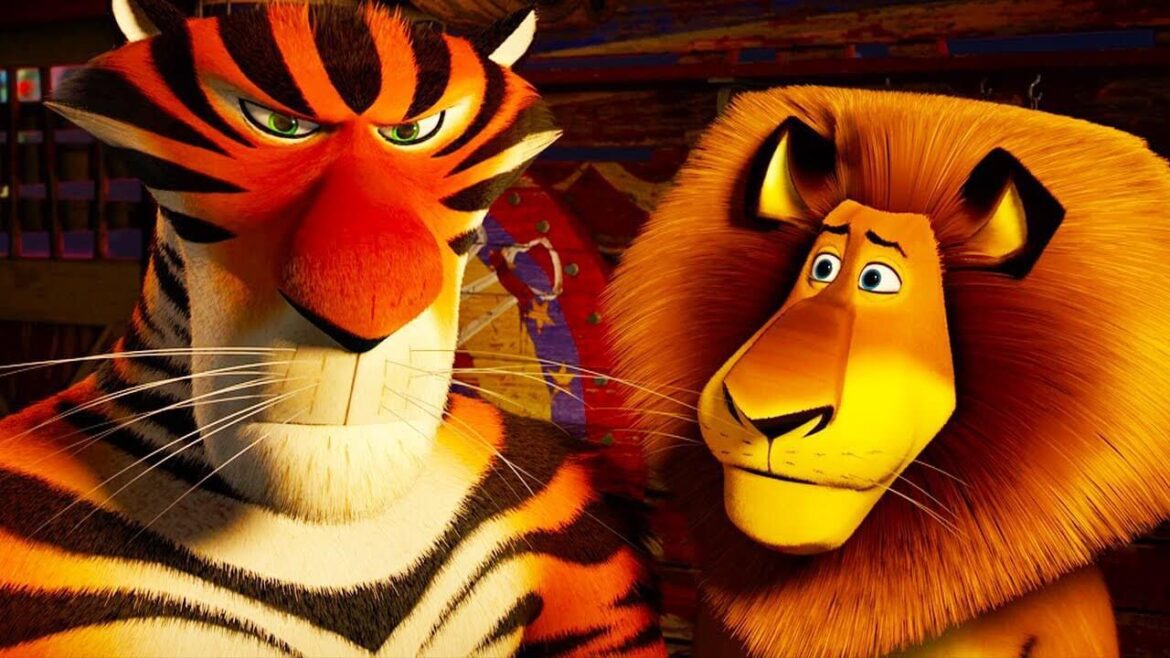
- ✅ My read: Vitaly is a performer tiger with bruised pride.
- 💡 What makes him human: he wants meaning, not just applause.
- 🚀 Why I remember him: the vulnerability sneaks up on you.
Vitaly starts the movie as a washed-up circus tiger who’s lost his nerve, and the slow rebuild of his confidence is the most quietly affecting arc in Madagascar 3. For a comedy about animals running a circus, that bruised-pride story has more weight than it has any right to.
From polite menace to pure momentum to the best imaginary friend ever drawn, tiger characters have earned their stripes all over animation. Which tiger cartoon character is stuck in your head? Let me know in the comments.