Silent cartoons are proof that animation never needed a big speech to be funny.
No long monologues. No sarcastic sidekick explaining the joke. No character yelling, “Well, that just happened!” every five minutes.
Just movement, timing, facial expressions, slapstick, and pure visual chaos.
And honestly, I respect it.
Before cartoons had synchronized voices and polished soundtracks, animators had to tell stories mostly through pictures. That meant every raised eyebrow, banana peel, flying hat, and dramatic fall had to do real work.
The result? Some of the most creative animation ever made.
Quick silent cartoon facts:
- Era: Mostly early 1900s through the late 1920s
- Main style: Visual comedy, slapstick, and expressive movement
- Famous examples: Fantasmagorie, Gertie the Dinosaur, Felix the Cat, and early Mickey Mouse shorts
- Important note: They were not always watched in total silence. Theaters often used live music, but the cartoons themselves did not rely on synchronized dialogue.
- Why they matter: They built the foundation for modern animation.
What Are Silent Cartoons?
Silent cartoons are animated films made before synchronized sound became the standard.
They usually relied on:
- Body language
- Facial expressions
- Visual gags
- Title cards
- Slapstick humor
- Strong character silhouettes
Basically, animators had to make the audience understand everything without a character saying, “Let me explain my feelings.”
Which is impressive.
And maybe something modern movies could try once in a while. Just saying.
The Dawn of Silent Cartoons

The early history of silent cartoons is full of experimentation.
Animators were still figuring out what animation could even be.
Some important early names include:
- J. Stuart Blackton — helped experiment with early animated drawing films
- Émile Cohl — created Fantasmagorie in 1908
- Winsor McCay — created Little Nemo and Gertie the Dinosaur
- Otto Messmer — helped bring Felix the Cat to life
- Max Fleischer — worked on the famous Out of the Inkwell cartoons
These early cartoons were strange, funny, and often surreal.
Characters stretched, transformed, disappeared, reappeared, and broke every rule of physics.
In other words, animation discovered very early that reality was optional.
Why Silent Cartoons Were So Creative
Silent cartoons had one big challenge:
They had to make people laugh without spoken dialogue.
That forced animators to get creative.
- A character could not say they were scared, so their whole body had to show it.
- A joke could not be explained, so the timing had to be perfect.
- A personality had to come through in movement, not conversation.
- Every gag had to be readable in one glance.
That is why so many silent cartoons still work.
You do not need to understand a language to laugh at a character getting outsmarted by a cat, a dinosaur, or basic gravity.
Gravity was basically the original cartoon villain.
The Power of Visual Comedy
Visual comedy is the heart of silent cartoons.
These cartoons used simple ideas and pushed them as far as possible.
- Characters slipped.
- Objects came to life.
- Animals acted like people.
- Drawings transformed into other drawings.
- Small problems became massive disasters.
That last one is still basically the plot of half the cartoons ever made.
Silent animators understood that a joke could be stronger when the audience saw it coming.
The setup mattered.
The timing mattered.
The pause before the fall mattered.
That is why silent cartoon humor still influenced later studios like Disney, Warner Bros., Fleischer Studios, and beyond.
How Silent Cartoons Were Made
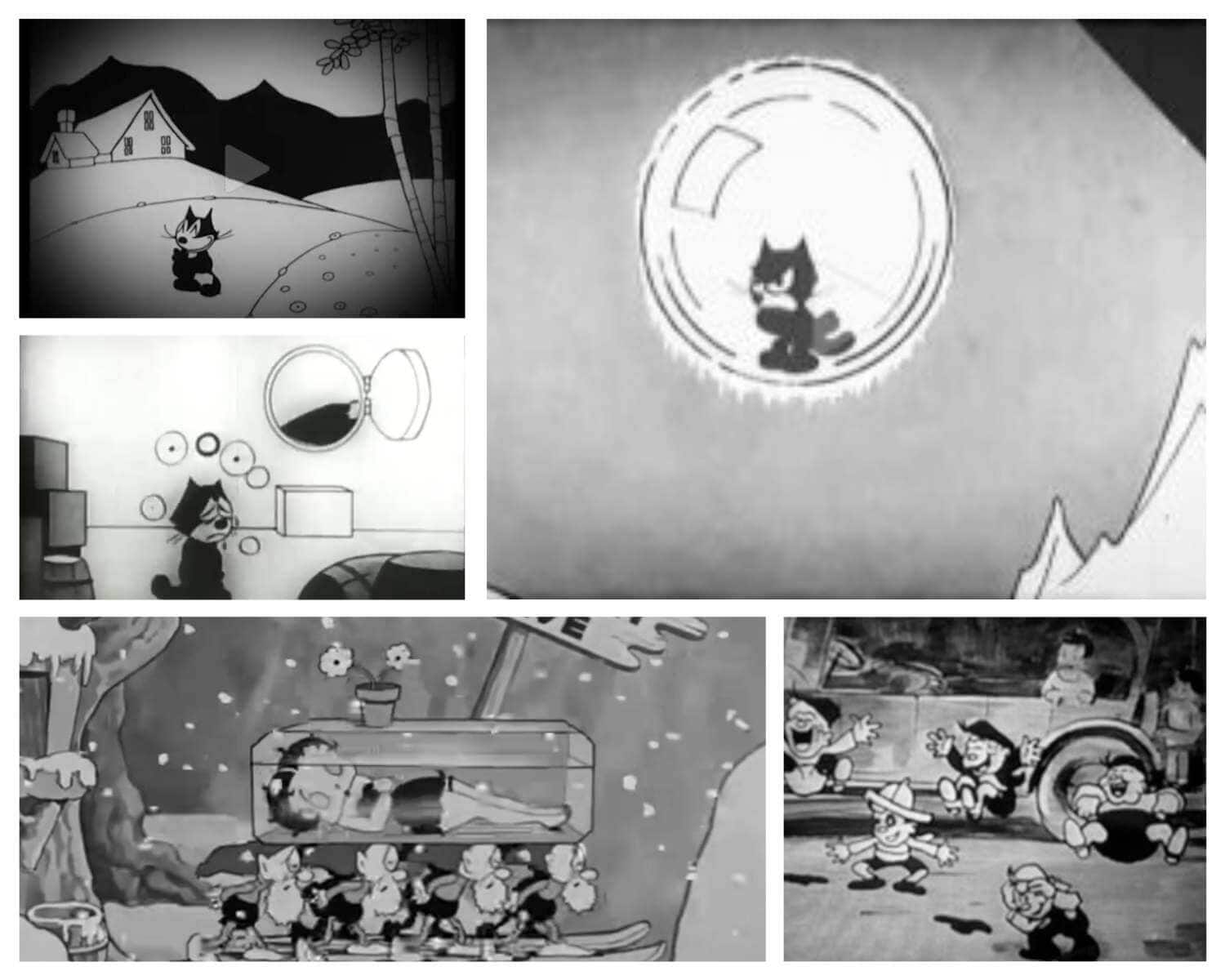
Making silent cartoons was not easy.
There were no computers. No digital shortcuts. No “undo” button waiting like a tiny miracle.
Animators often had to create cartoons using:
- Hand-drawn frames
- Stop-motion techniques
- Cutout animation
- Cel animation
- Frame-by-frame photography
- Rotoscoping experiments
Every movement had to be planned.
Every frame had to be drawn or arranged.
Then those images were photographed and played in sequence to create motion.
So yes, the next time a two-minute silent cartoon looks simple, remember that someone probably drew until their hand begged for retirement.
Famous Silent Cartoon Characters
Silent cartoons introduced several characters and ideas that helped shape animation history.
- Felix the Cat: One of the first major animated cartoon stars
- Gertie the Dinosaur: A landmark character with personality and charm
- Koko the Clown: A Fleischer character known from Out of the Inkwell
- Oswald the Lucky Rabbit: An early Walt Disney and Ub Iwerks character
- Early Mickey Mouse: Appeared in silent form before Steamboat Willie made sound history
These characters mattered because they helped prove animation could be more than a trick.
A cartoon character could have personality.
A cartoon character could be funny.
A cartoon character could become a star.
And then, many years later, a cartoon character could appear on lunchboxes, T-shirts, cereal boxes, theme parks, and probably your cousin’s tattoo.
Animation got powerful fast.
Fantasmagorie and Early Animated Experimentation
Fantasmagorie is one of the most important early silent cartoons.
- Year: 1908
- Creator: Émile Cohl
- Style: Surreal hand-drawn animation
- Why it matters: It is often considered one of the first fully animated cartoons
The cartoon is strange in the best way.
Figures morph into other figures. Objects change shape. Logic quietly leaves the room.
It feels like watching someone’s sketchbook dream after too much coffee.
And that is exactly why it matters.
It showed that animation could do things live-action could not.
Gertie the Dinosaur
Gertie the Dinosaur is another major silent animation milestone.
- Year: 1914
- Creator: Winsor McCay
- Why it matters: Gertie helped show that an animated character could have personality
- Vibe: Cute dinosaur with stage-presence energy
Gertie was not just a moving drawing.
She felt like a character.
She reacted. She performed. She had attitude.
That was huge for animation.
Basically, Gertie walked so every later cartoon mascot could run, dance, sell merchandise, and emotionally destroy us in a Pixar montage.
Felix the Cat and Silent Cartoon Stardom
Felix the Cat became one of the biggest stars of silent animation.
- First major era: Late 1910s and 1920s
- Known for: Clever visual gags and a simple black-cat design
- Why he worked: He was easy to recognize and fun to animate
Felix had a simple look, but that was part of the genius.
His body language carried the comedy.
He could think, scheme, panic, and celebrate without needing dialogue.
That is what made him such a strong silent-era character.
Simple design. Big personality. Very cat behavior.
The Transition from Silent Cartoons to Sound
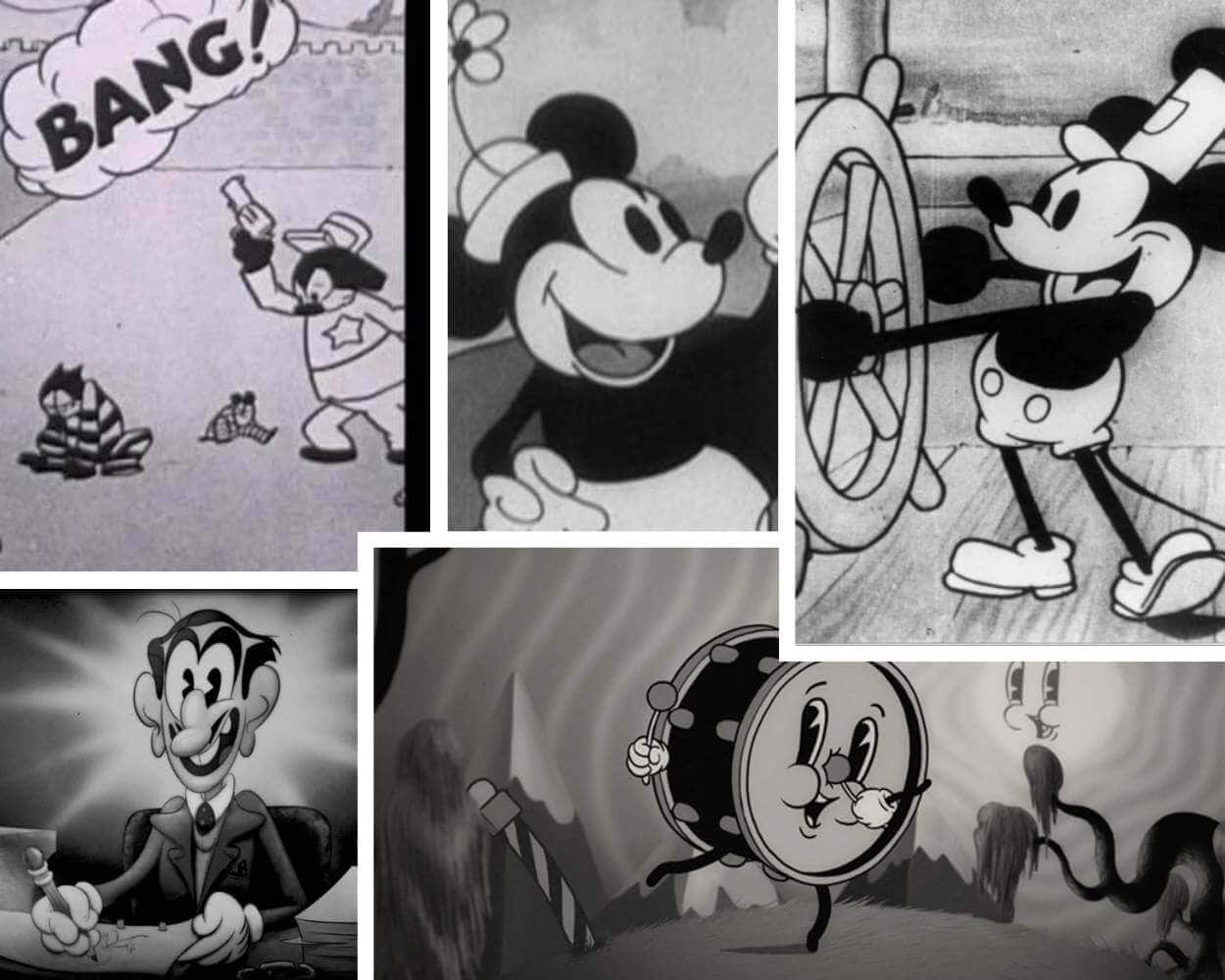
The late 1920s changed animation forever.
Synchronized sound became a major turning point.
The most famous example is Steamboat Willie.
- Year: 1928
- Studio: Disney
- Character: Mickey Mouse
- Why it mattered: It helped popularize synchronized sound in animation
Sound changed everything.
Now cartoons could use:
- Music cues
- Sound effects
- Character voices
- Dialogue
- Rhythm-based comedy
Silent cartoons did not disappear overnight, but the industry clearly moved toward sound.
Once audiences heard synchronized squeaks, whistles, crashes, and Mickey Mouse chaos, there was no going back.
Why Silent Cartoons Still Matter
Silent cartoons still matter because they taught animation how to communicate visually.
That skill never went away.
You can still see silent cartoon influence in:
- Looney Tunes slapstick
- Pixar silent-style scenes
- Tom and Jerry chases
- Studio Ghibli quiet emotional moments
- Modern animated shorts
- Internet GIFs and reaction clips
Even today, some of the best animated moments have little or no dialogue.
A character looking down.
A pause before a fall.
A tiny expression change.
A silent reaction that says everything.
That all comes from the same visual storytelling roots.
Silent Cartoons and Modern GIFs
Silent cartoons and modern GIFs have more in common than people think.
Both rely on quick visual communication.
- Silent cartoons: Use movement and gags to tell a full story.
- GIFs: Use short looping moments to express a reaction.
- Both: Work without dialogue.
- Both: Can cross language barriers.
The big difference is effort and depth.
A GIF can be made quickly.
A silent cartoon took careful planning, drawing, timing, and animation skill.
Still, the connection is obvious.
Every time someone sends a reaction GIF instead of typing words, silent cartoons are somewhere in the background whispering, “See? Told you pictures work.”
Silent Cartoons in Education and Art
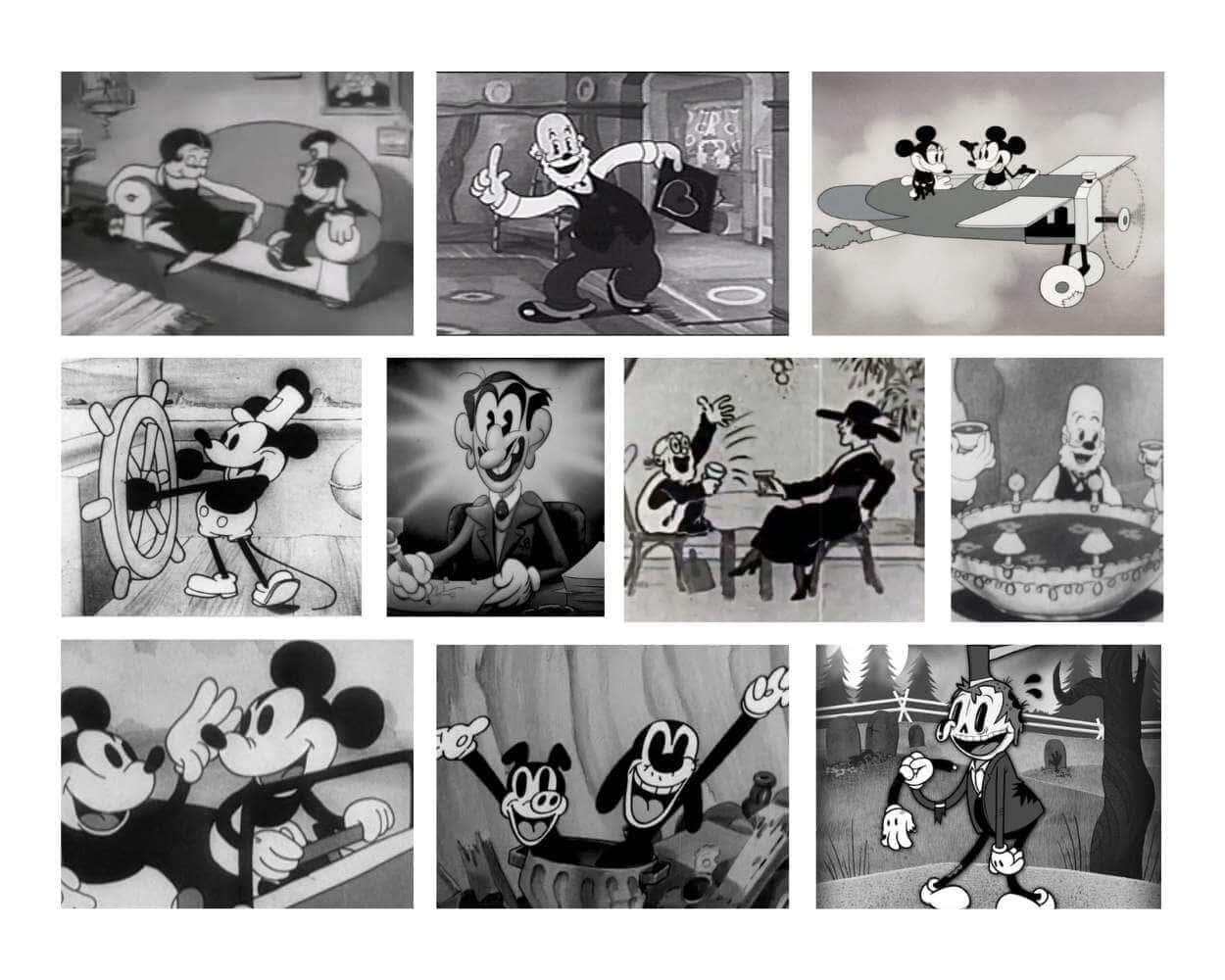
Silent cartoons are still useful for students, artists, and animation fans.
They teach the basics of:
- Timing
- Staging
- Character movement
- Visual storytelling
- Comedy structure
- Exaggeration
If a silent cartoon joke works, it usually means the animation is doing its job.
No dialogue can save a bad visual gag.
That makes silent cartoons a great way to study animation at its most direct.
It is just the drawing, the timing, and the joke.
No hiding.
The Future of Silent Cartoons
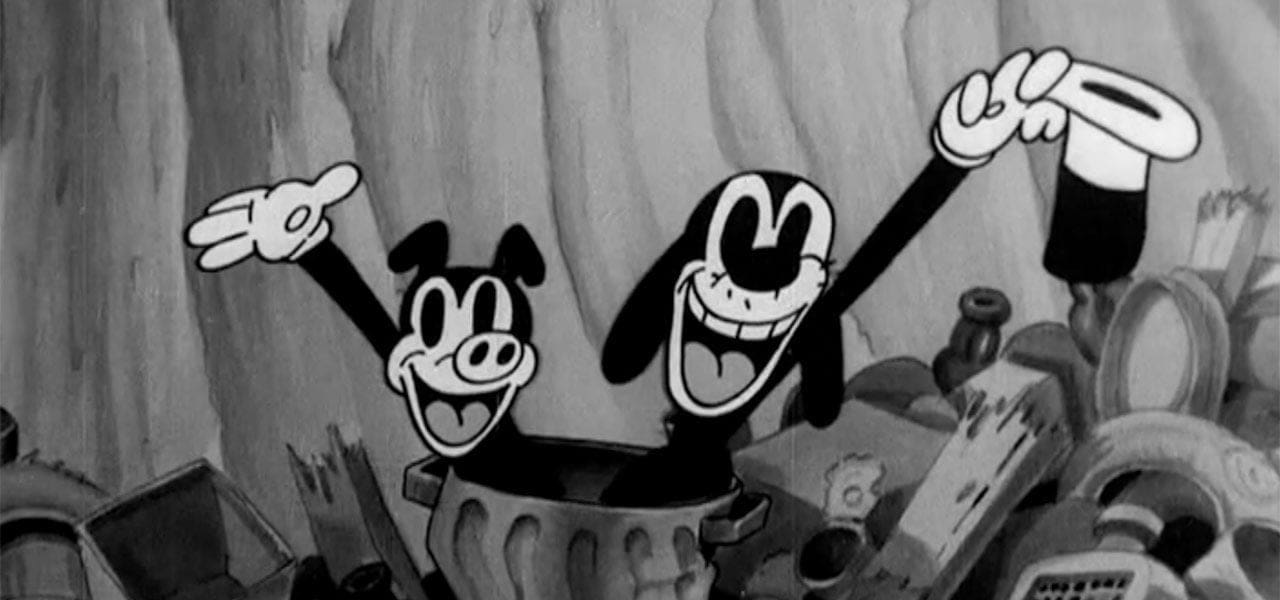
Silent cartoons may be old, but the idea is not dead.
Modern animation still uses silence all the time.
- Short films use it for emotion.
- Comedy cartoons use it for timing.
- Animated movies use it for powerful quiet scenes.
- Social media uses silent loops for fast reactions.
Silence still works because visuals still work.
Sometimes a character does not need to say anything.
Sometimes a blank stare is funnier than a full paragraph.
Especially if that character just watched a piano fall from the sky.
Classic Silent Cartoons to Know
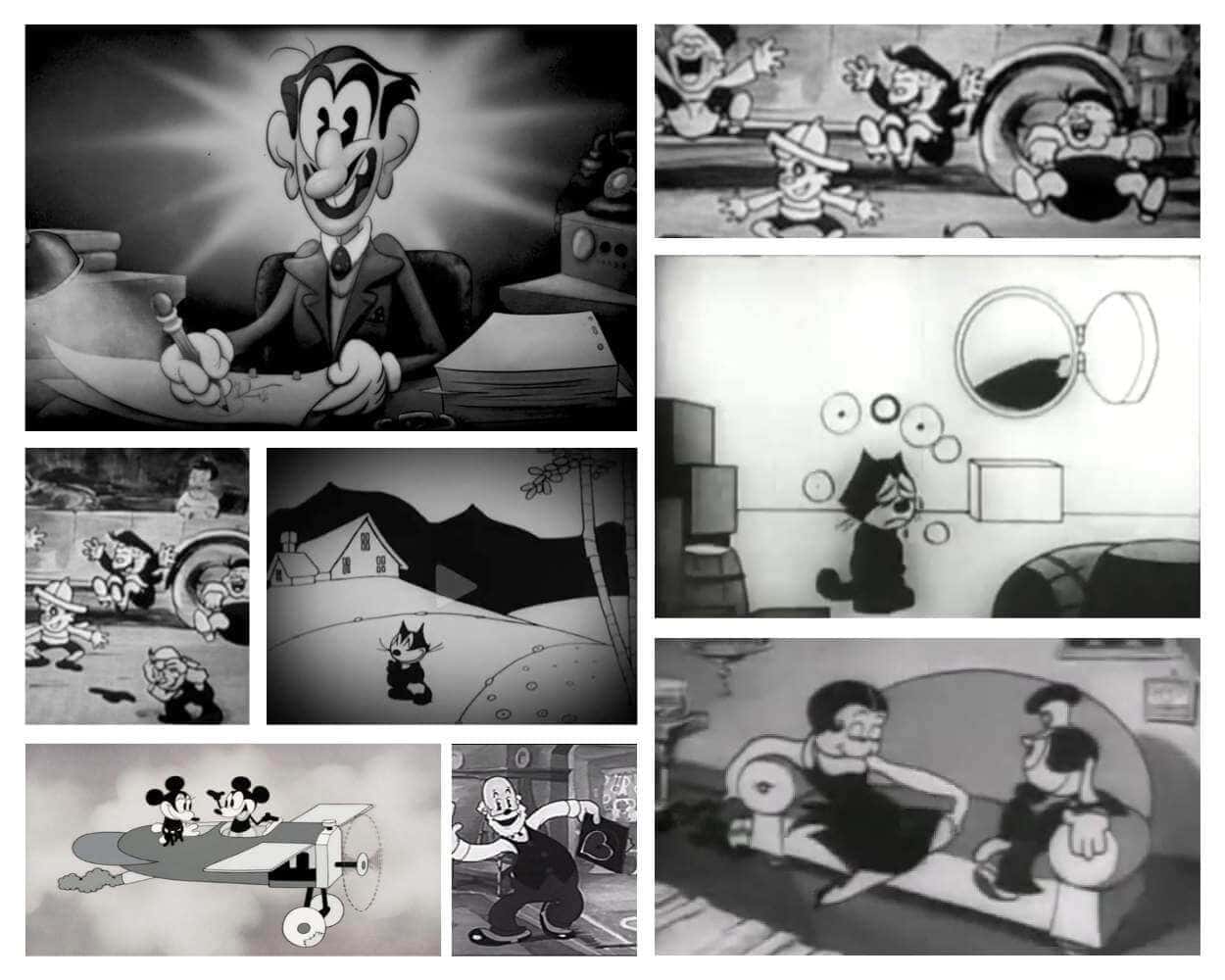
If you want to explore classic silent cartoons, these are good titles to know.
- The Enchanted Drawing (1900) — J. Stuart Blackton
- Humorous Phases of Funny Faces (1906) — J. Stuart Blackton
- Fantasmagorie (1908) — Émile Cohl
- Little Nemo (1911) — Winsor McCay
- Gertie the Dinosaur (1914) — Winsor McCay
- The Sinking of the Lusitania (1918) — Winsor McCay
- Feline Follies (1919) — Early Felix the Cat short
- Out of the Inkwell (1921) — Fleischer Studios/Koko the Clown series
- Alice’s Wonderland (1923) — Early Walt Disney live-action/animation hybrid
- Felix in Hollywood (1923) — Felix the Cat short
- The Adventures of Prince Achmed (1926) — Lotte Reiniger silhouette animation
- Oswald the Lucky Rabbit (1927) — Walt Disney and Ub Iwerks character
- Plane Crazy (1928) — Early Mickey Mouse short, originally made before synchronized sound release
This list gives a good snapshot of how varied early animation was.
Some of it is funny.
Some of it is experimental.
Some of it is weird enough to make you wonder what was happening in the animator’s coffee.
But that is part of the fun.
Silent Cartoons vs. Sound Cartoons
- Silent cartoons: Rely on movement, expressions, timing, and visual jokes.
- Sound cartoons: Add voices, music, sound effects, and synchronized rhythm.
- Silent cartoon strength: Clear visual storytelling.
- Sound cartoon strength: Extra personality through voice and music.
- Best lesson: Great animation should still work even when the sound is off.
That last point is important.
If a cartoon is still funny with the sound muted, the animators did something right.
Watch a Silent Cartoon
Here is a classic silent-style cartoon example featuring Farmer Gray.
Final Thoughts on Silent Cartoons
Silent cartoons are more than old animation history.
They are the foundation of visual comedy.
They proved that cartoons could make people laugh, feel, and follow a story without needing dialogue.
- They gave us early animation stars.
- They shaped slapstick comedy.
- They taught animators how to use movement.
- They influenced modern cartoons, movies, shorts, and GIFs.
- They showed that silence can be surprisingly loud.
I like silent cartoons because they keep things simple.
No over-explaining.
No extra noise.
Just a character, a problem, a joke, and usually something falling on someone’s head.
Sometimes that is all animation needs.
Do you have a favorite silent cartoon or early animation short? Drop it in the comments.