Wild West anime is a small but legitimately great subgenre. The format gives Japanese animators a chance to play with American iconography (cowboys, deserts, saloons, gunfights, frontier justice) while bringing their own visual sensibilities and storytelling traditions. The results range from straight Western homages to bizarre genre fusions (space-Western mecha, gothic-Western vampire hunters, samurai-cowboy hybrids).
Here are 15 wild west anime worth watching, with point-form breakdowns to help you decide where to start.
A note on the genre: “Wild West anime” covers a few different aesthetic categories. Some shows are straight Westerns set in a fictional version of the American frontier. Others are space-Westerns that move the frontier to outer space. Others are post-apocalyptic Westerns set in ruined Japans or alien planets. The unifying element is the iconography (lone gunslinger, desert wasteland, lawless territory, frontier justice) rather than the literal setting.
1Trigun
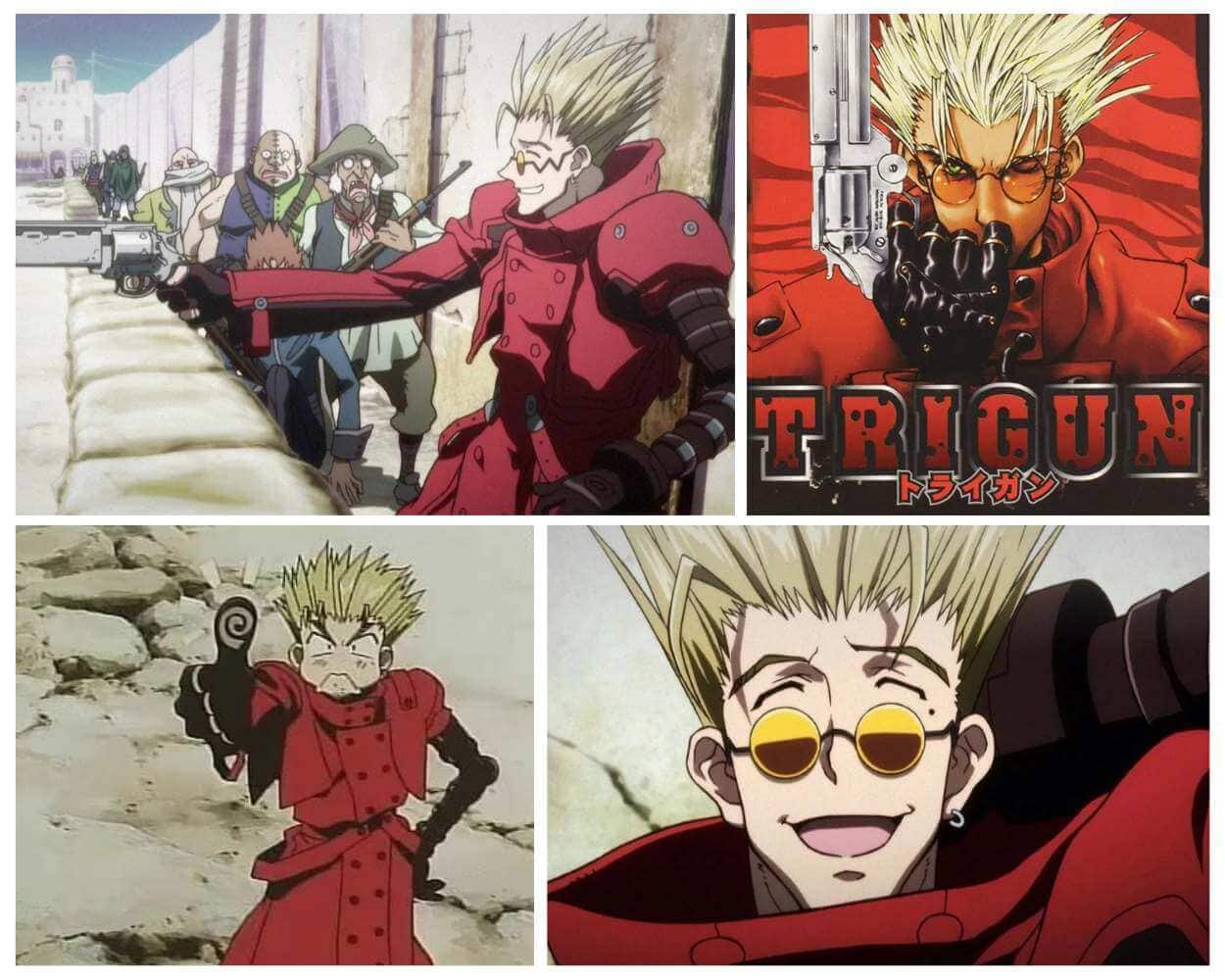
- Studio and year: Madhouse, 1998 (original anime), Studio Orange, 2023 (Trigun Stampede reboot)
- Western elements: Desert planet setting, lone gunslinger protagonist, bounty hunters, frontier towns, the central “outlaw with a heart of gold” archetype
- Premise: Vash the Stampede, an outlaw with a 60-billion-dollar bounty on his head, wanders the desert planet Gunsmoke trying to live by a pacifist code despite his demonic combat skills
- The hook: Vash is the gentlest gunslinger in all of anime, refusing to kill anyone despite being arguably the most powerful character in his universe
- Iconic characters: Vash the Stampede, Nicholas D. Wolfwood (the gun-priest), Knives Millions (his evil twin), Meryl and Milly (insurance investigators)
- 2026 context: The 2023 Trigun Stampede CGI reboot from Studio Orange introduced a new generation to the franchise. Season 2 has been announced and is in production. The original 1998 anime remains the genre’s defining text
2Cowboy Bebop
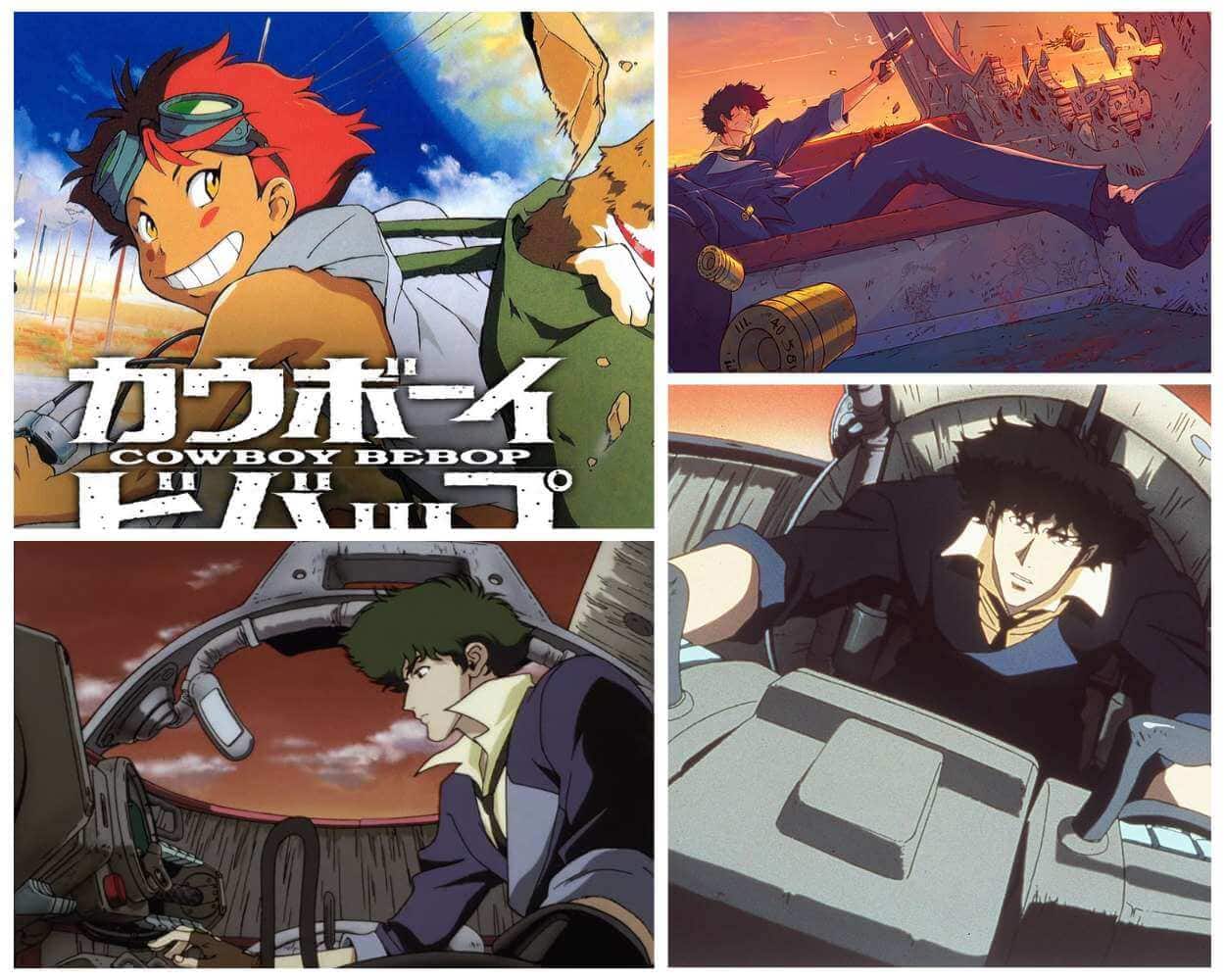
- Studio and year: Sunrise, 1998 (anime), 1998-2002 (manga), 2021 Netflix live-action (cancelled after one season)
- Western elements: Bounty hunter protagonists, episodic frontier-justice format, lone-wolf antiheroes, jazz score evoking the spaghetti Western tradition
- Premise: Bounty hunters (Spike, Jet, Faye, Ed, Ein) wander the solar system in their spaceship Bebop, chasing bounties and running from their pasts
- The hook: Cowboy Bebop is often called the greatest anime ever made for a reason. Yoko Kanno’s score is unmatched. Watanabe’s direction is unmatched. The character writing carries 26 episodes and a film without a single weak entry
- The Western homage: Spike Spiegel is explicitly modeled on Western and noir antihero archetypes. The series finale is one of the most cinematic moments in all of anime
- 2026 status: The 1998 anime remains on most streaming services and continues to be the entry point for new anime fans
3Sand Land

- Studio and year: Sunrise & Anima & Kamikaze Douga, 2023 (anime film), 2024 (TV series Sand Land: The Series)
- Original creator: Akira Toriyama (creator of Dragon Ball)
- Western elements: Desert wasteland setting, frontier justice, lone outsider protagonist team, water resource scarcity driving the plot
- Premise: A young demon prince (Beelzebub) teams up with an aging human sheriff (Rao) to find a legendary water source in a dystopian desert wasteland
- The hook: Toriyama’s distinctive art style applied to a Mad Max-meets-Western setting, with the kind of mechanical design and character work that made Dragon Ball iconic
- 2026 context: Akira Toriyama passed away in March 2024. Sand Land was one of his final personally-overseen anime projects. The TV series expanded the universe significantly. The franchise is now a key part of Toriyama’s legacy alongside Dragon Ball
- Why it matters: Sand Land is the most accessible “wild west anime” of the 2020s, drawing on universal Western tropes with Toriyama’s signature accessibility
4Samurai Champloo
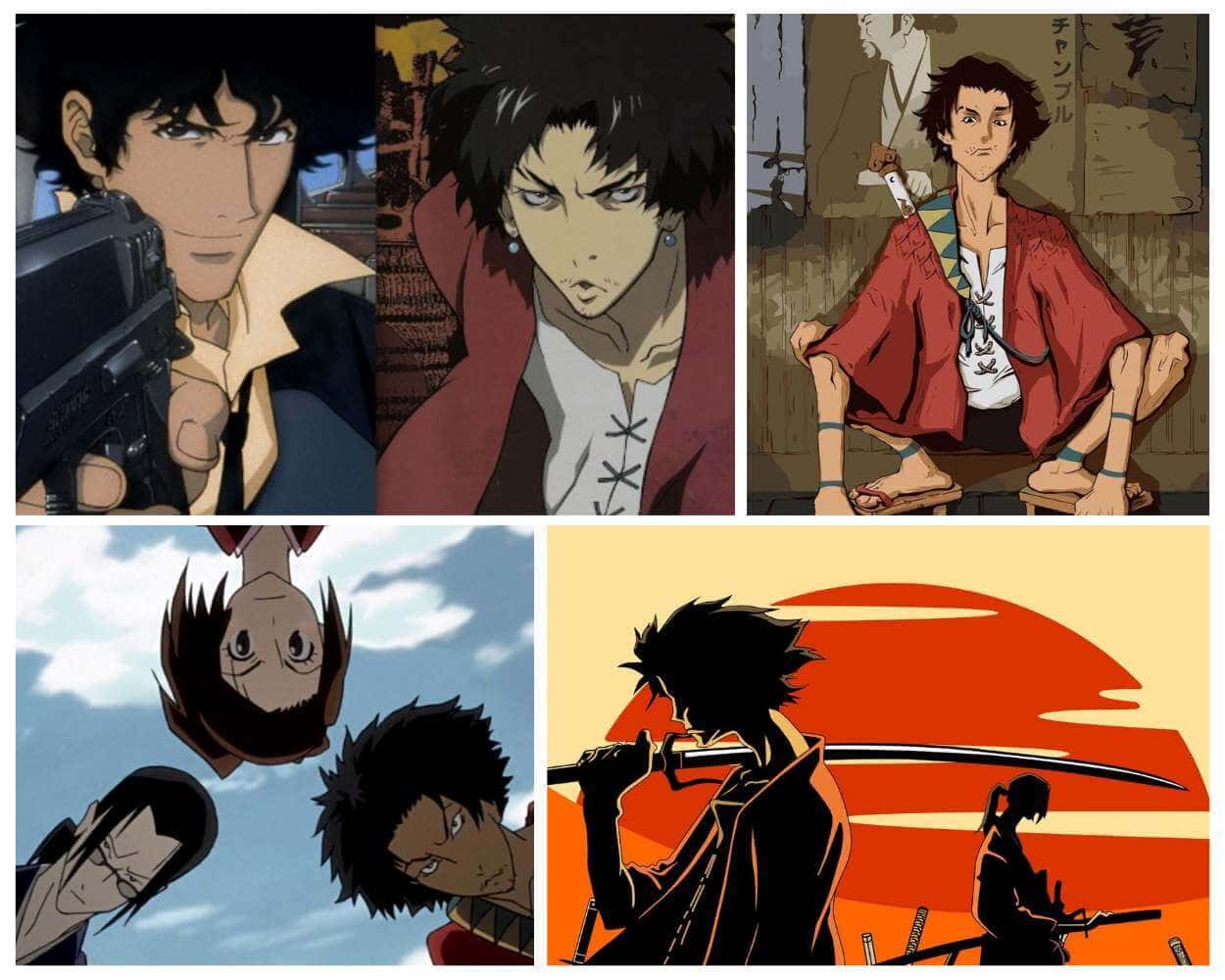
- Studio and year: Manglobe, 2004-2005
- Director: Shinichiro Watanabe (also directed Cowboy Bebop)
- Western elements: Wandering antihero protagonists, episodic adventure format, lawless period setting, frontier-style violence
- Premise: A teahouse waitress (Fuu) hires two warring swordsmen (Mugen and Jin) to help her find “the samurai who smells of sunflowers”
- The hook: Watanabe paired Edo-era Japan with hip-hop music and aesthetics, creating one of the most stylistically distinctive anime ever made. The fight choreography is breakdance-influenced
- The Western connection: The road-movie structure, antihero archetypes, and frontier-justice themes are pulled directly from Westerns, even though the setting is feudal Japan
- 2026 status: Funimation/Crunchyroll catalog. Continues to be one of Watanabe’s most influential works
5Outlaw Star
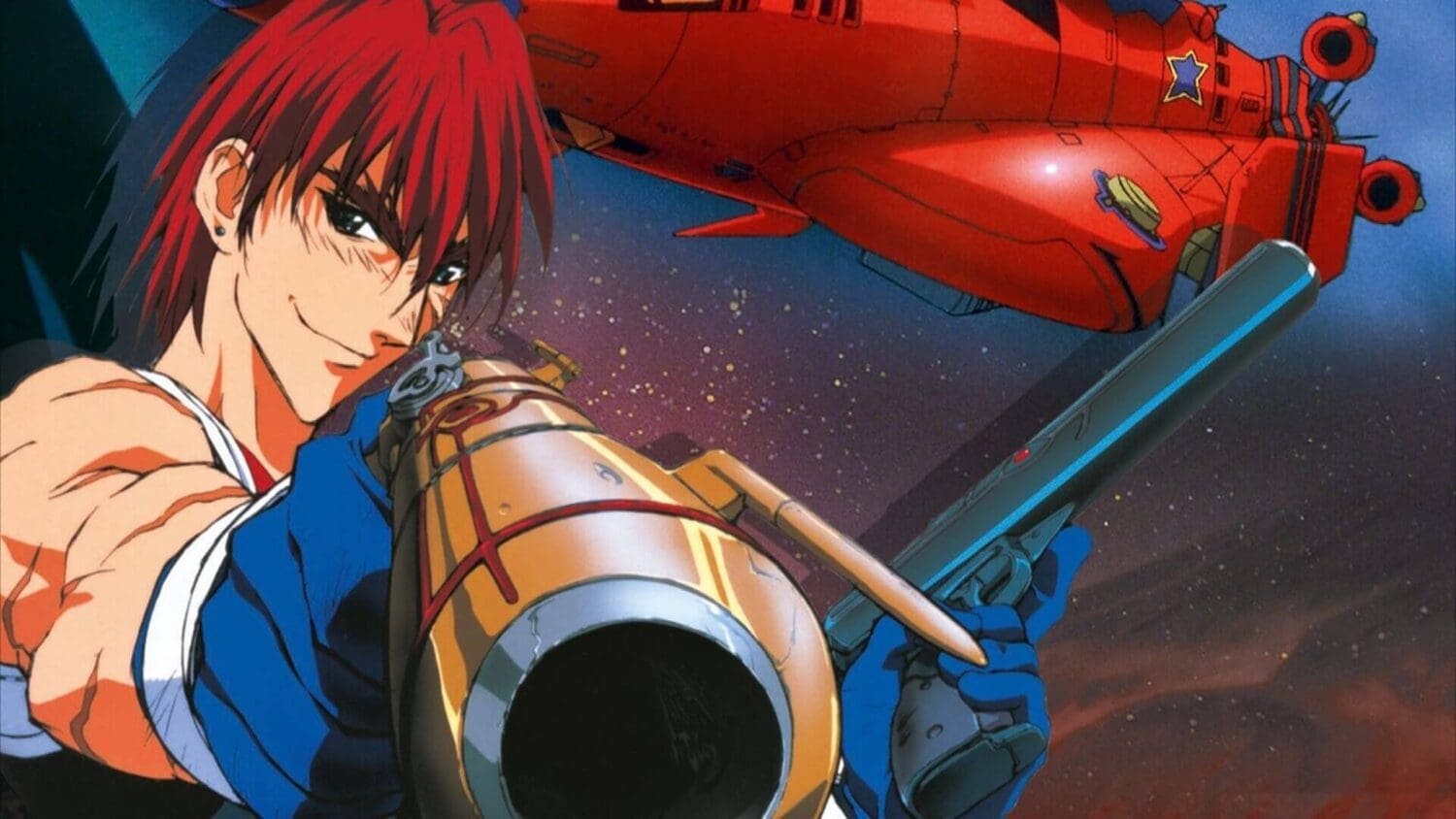
- Studio and year: Sunrise, 1998
- Western elements: Bounty hunter protagonist, lawless frontier setting (space), outlaw with a treasure map plot, episodic adventure format
- Premise: Gene Starwind, a self-styled “outlaw,” ends up with possession of an advanced experimental spaceship and a mysterious girl, attracting trouble from pirates and government forces
- The hook: Outlaw Star is the more pulp-adventurous sibling to Cowboy Bebop, leaning harder into the swashbuckling space-Western tradition. The “Caster Gun” magic-meets-firearms system is genuinely cool
- 2026 status: Funimation/Crunchyroll catalog. Reasonable cult following but never quite matched Bebop’s mainstream impact
6Gun x Sword
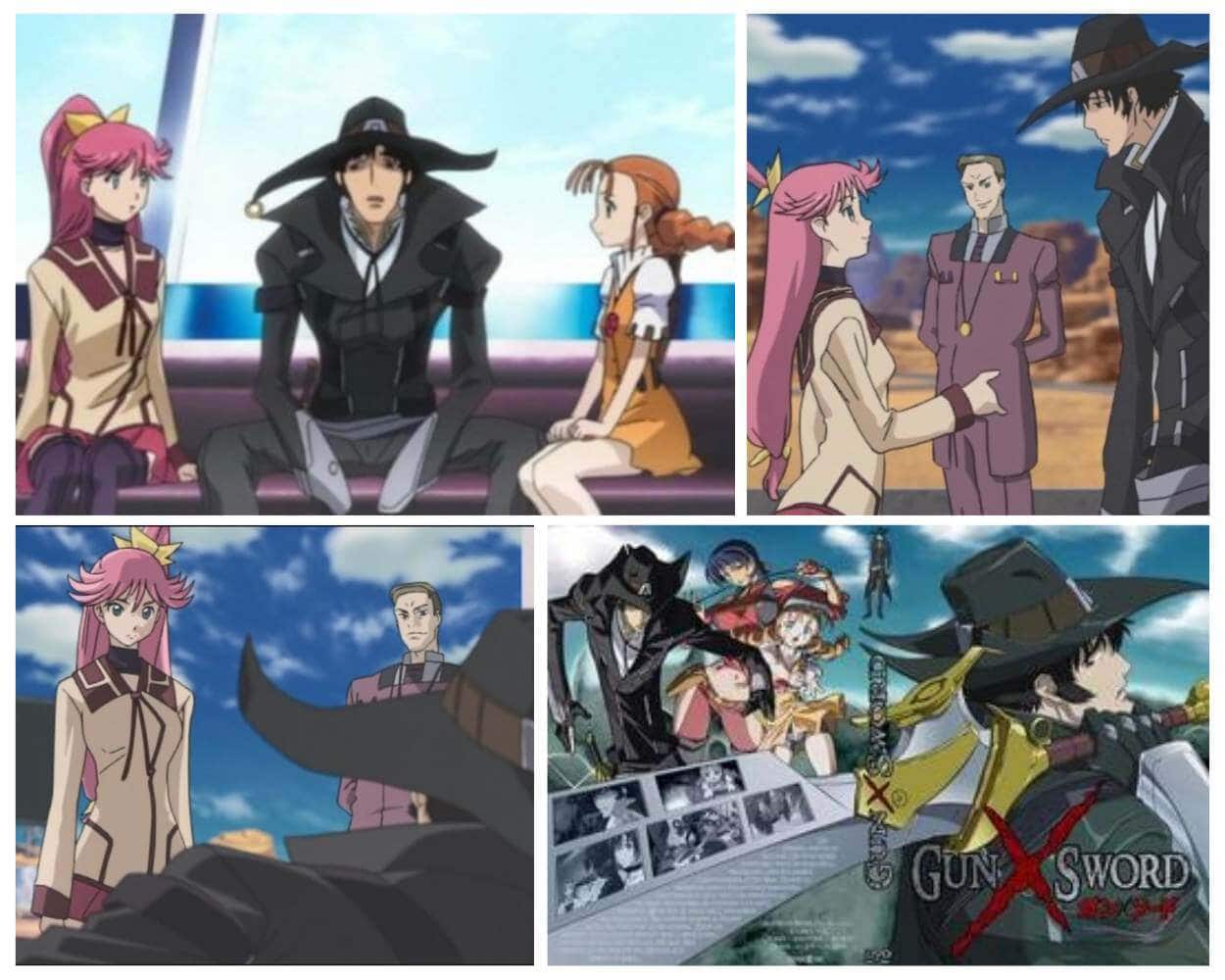
- Studio and year: AIC, 2005-2006
- Western elements: Lone gunslinger pursuing his wife’s killer, frontier planet setting, revenge plot, small frontier towns with bandit problems
- Premise: Van, a wandering gunslinger in a tuxedo and top hat, searches across a frontier planet for the man with the claw who killed his bride. He pilots a mecha called Dann of Thursday
- The hook: Wild West aesthetic plus mecha plus revenge plot. The combination is gloriously absurd and works better than it should
- Why it deserves more credit: One of the more underseen mid-2000s mecha shows, with a sharp emotional throughline beneath the genre-blending
7Vampire Hunter D
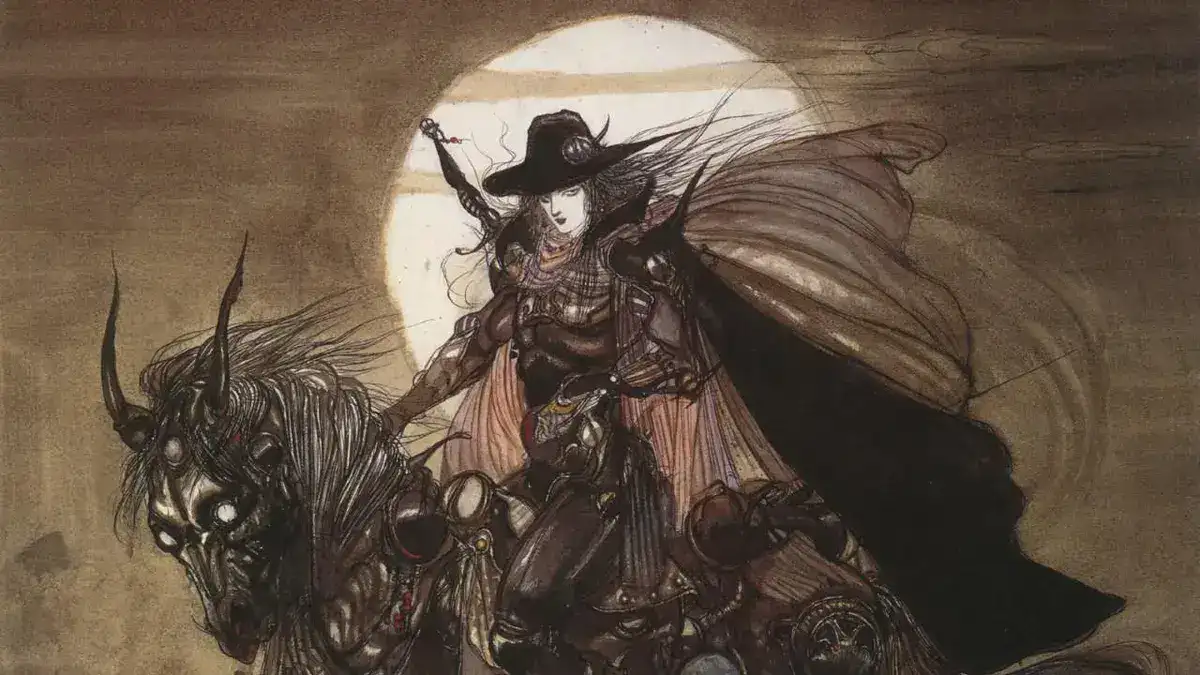
- Studio and year: Ashi Productions, 1985 (original film), Madhouse, 2000 (Vampire Hunter D: Bloodlust)
- Source material: Hideyuki Kikuchi’s long-running novel series (1983-present)
- Western elements: Lone bounty hunter protagonist, post-apocalyptic wasteland setting, frontier justice, taciturn antihero archetype, six-shooter-with-supernatural-bullets aesthetic
- Premise: D, a half-human half-vampire bounty hunter, roams a post-apocalyptic future Earth hunting vampires for human clients
- The hook: One of the most stylish anime films ever made. Yoshitaka Amano’s character designs (the same artist behind Final Fantasy) gave D one of the most iconic looks in all of anime
- The Bloodlust connection: The 2000 sequel film Vampire Hunter D: Bloodlust is often considered the better entry, with higher production values and a more developed story
8Desert Punk
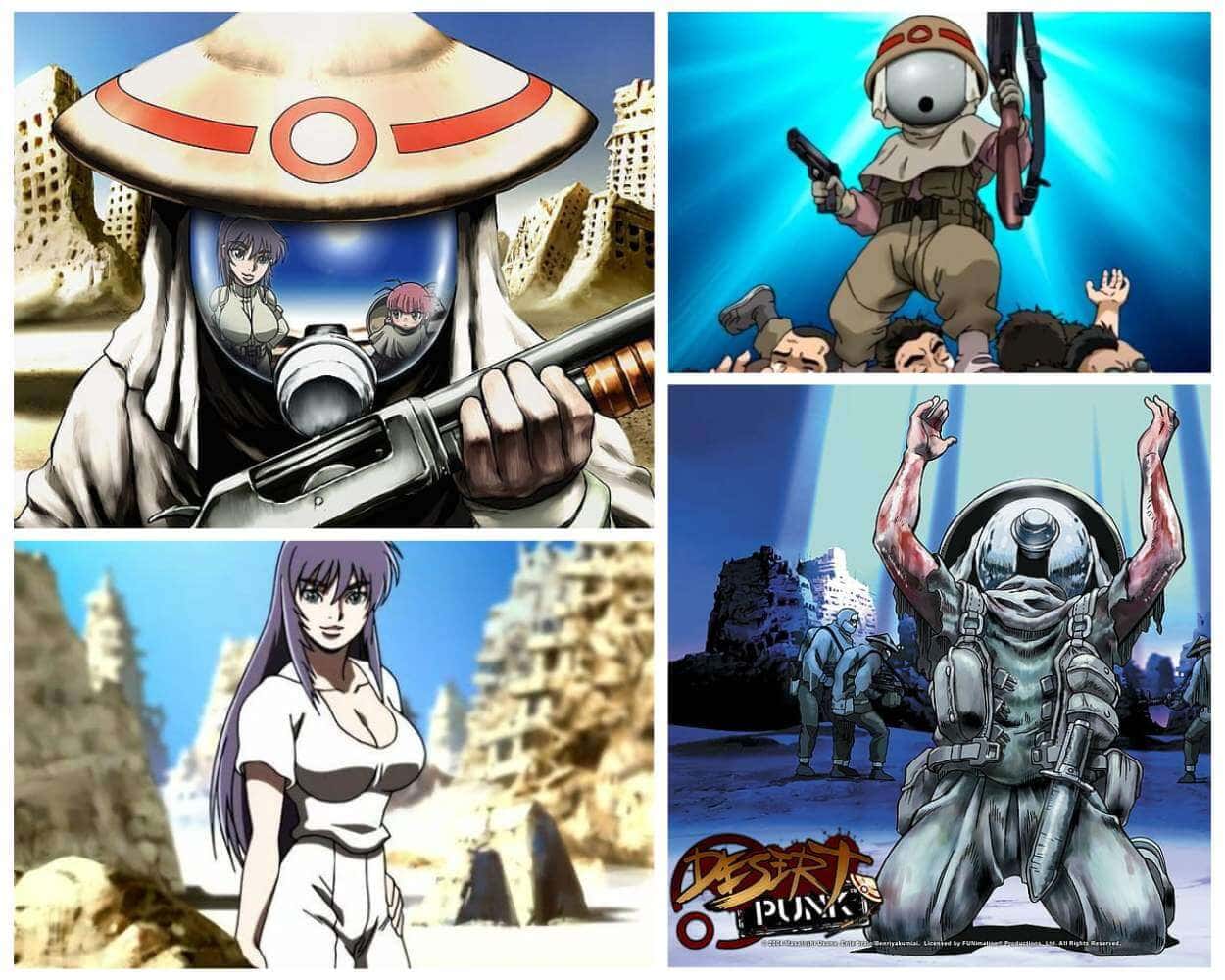
- Studio and year: Gonzo, 2004-2005
- Western elements: Mercenary protagonist with frontier ethics, desert wasteland setting, lawless economy where everyone takes bounties, small frontier town politics
- Premise: Kanta Mizuno, the “Desert Punk,” is a cunning mercenary who survives in post-apocalyptic Japan’s desert by being smarter and dirtier than everyone else
- The hook: Desert Punk treats its protagonist as a genuinely scummy antihero, which is rare for anime. Kanta is selfish, lustful, and ruthlessly pragmatic. Refreshing departure from the “hero with a heart of gold” mold
- Tone warning: Strong adult humor including sexual themes throughout. Not a kids’ show despite the cartoony art
9Golden Kamuy
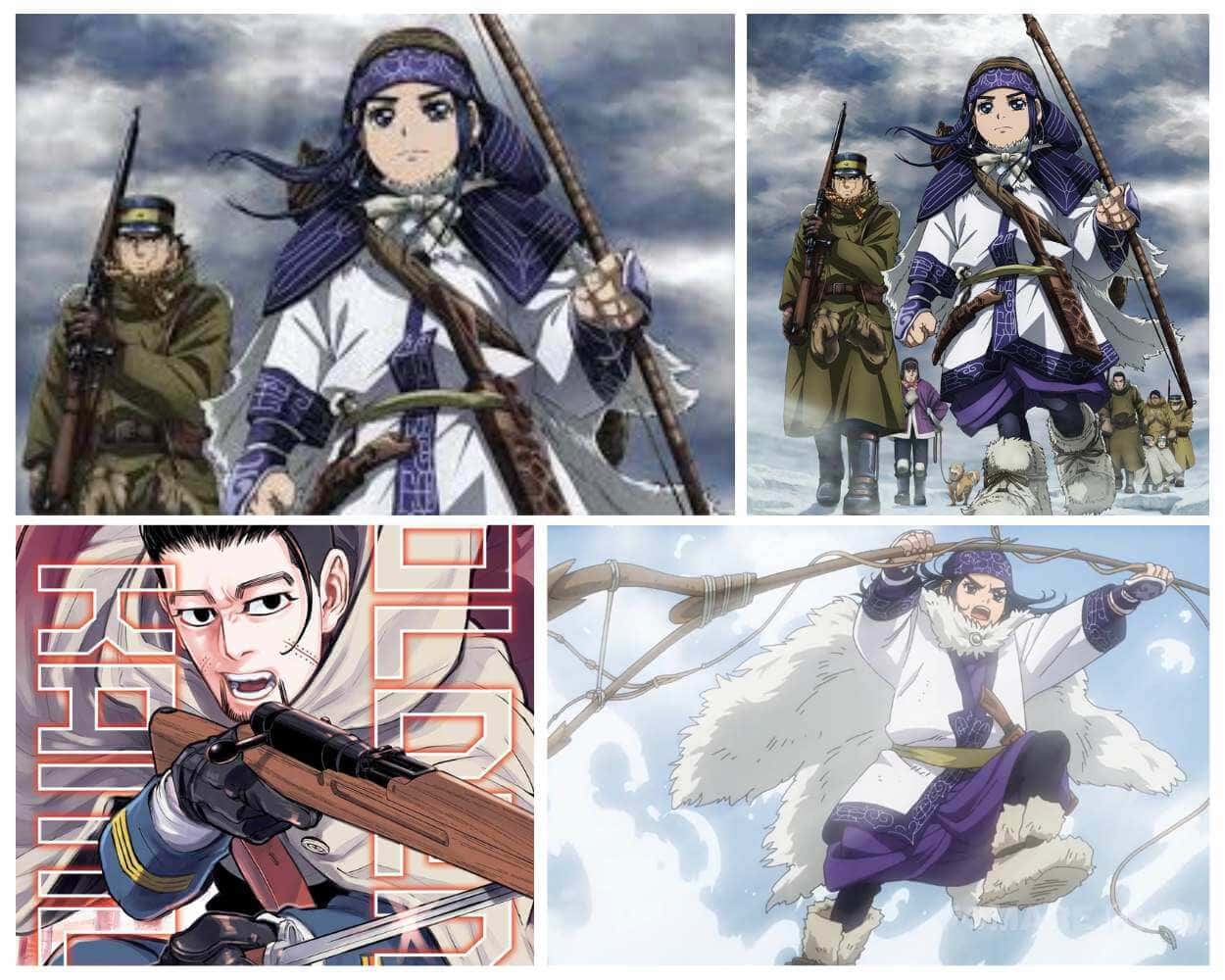
- Studio and year: Geno Studio (Seasons 1-3), Brain’s Base (Season 4), 2018 to 2022 (anime); 2024 live-action film
- Source material: Manga by Satoru Noda (2014-2022, complete)
- Western elements: Frontier gold rush setting, war-veteran protagonist, indigenous culture intersection, treasure hunt plot, frontier-style violence and outlaw factions
- Premise: A Russo-Japanese War veteran (Saichi Sugimoto) teams up with an Ainu girl (Asirpa) to find a legendary gold cache hidden across the Hokkaido frontier
- The hook: The “Wild East” framing. Golden Kamuy applies American frontier tropes to early 20th century Hokkaido (Japan’s recently-settled northern frontier) with careful research into Ainu culture, military history, and frontier life
- 2026 context: The 2024 live-action film adapted the early manga arcs and was a critical success in Japan. Sequel film expected
- Why it stands out: One of the most uniquely-positioned Western-anime hybrids, applying the genre to a setting most Western fans haven’t encountered
10Kino’s Journey
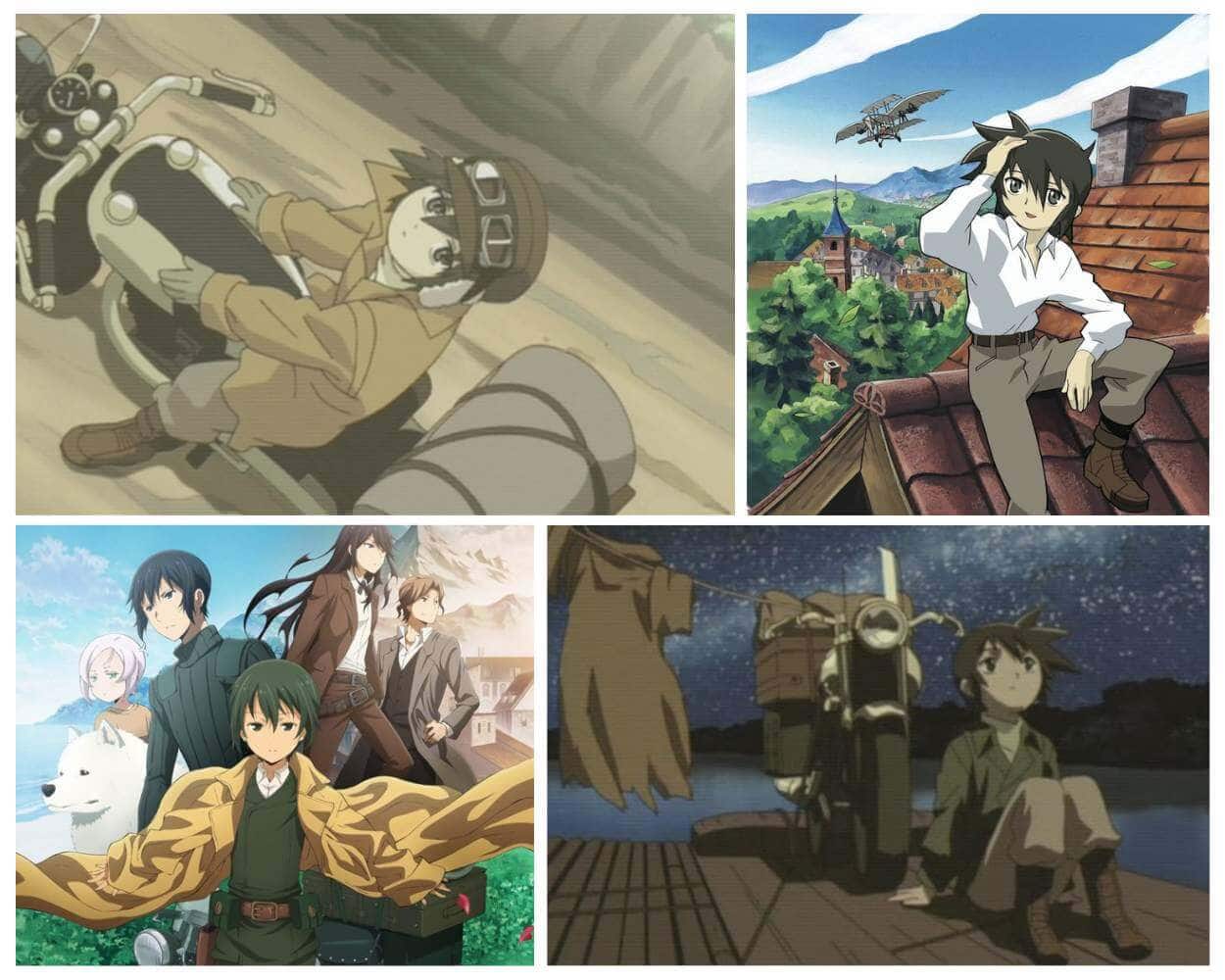
- Studio and year: A.C.G.T., 2003 (original), Lerche, 2017 (Kino’s Journey: The Beautiful World remake)
- Western elements: Lone traveler with firearms, exploration of frontier societies, neo-Victorian aesthetic that echoes American frontier sensibility
- Premise: Kino, a young traveler, rides her sentient motorcycle Hermes through different self-contained countries, each with unique cultures and philosophies
- The hook: Kino’s Journey isn’t strictly a Western, but the lonesome-traveler-meets-unique-frontier-towns format draws directly from the genre. The anthology storytelling is contemplative and unsettling rather than action-driven
- Best for fans of: Quiet, philosophical anime. If you want gunfights, go elsewhere
11Rust-Eater Bisco
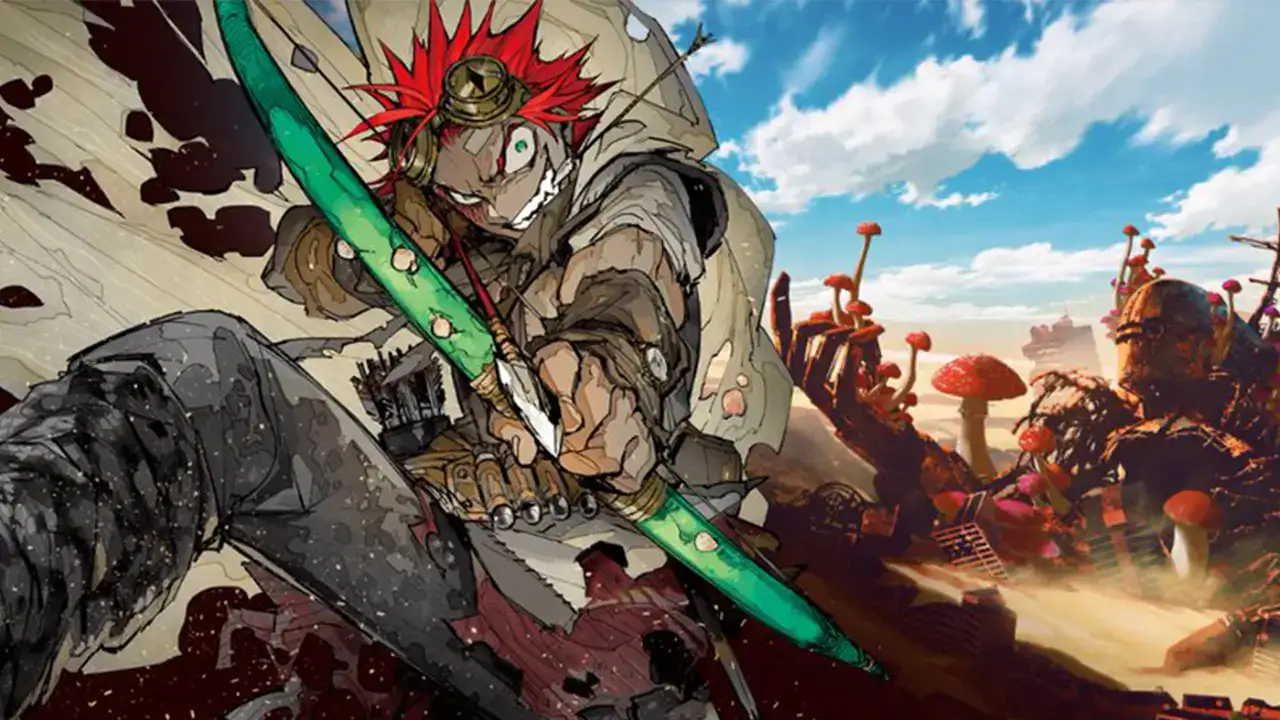
- Studio and year: OZ, 2022
- Western elements: Wanderer protagonist with frontier ethics, desert wasteland setting, outlaw status with a bounty, sharp-shooting archery in place of guns
- Premise: In a post-apocalyptic Japan ravaged by “rust,” a bounty hunter named Bisco uses mushroom-based archery to heal the land and humans suffering from rust disease
- The hook: Genuinely original setting. The rust-mushroom ecology is unlike anything else in anime
- 2026 status: Available on Crunchyroll. The light novel series has continued, with sequel anime rumored but unconfirmed
12Cannon Busters
- Studio and year: Satelight & Yumeta Company, 2019 (Netflix original)
- Creator: LeSean Thomas (American animator, also known for The Boondocks)
- Western elements: Frontier kingdom setting, outlaw protagonist, gunslinger-and-mechanic duo road trip, bounty hunters as antagonists
- Premise: A friendship-based maintenance droid (S.A.M.) teams up with a sentient car (Casey) and a death-row criminal (Philly the Kid) to find S.A.M.’s missing prince
- The hook: One of the few Western anime made primarily in collaboration with an American creator, blending US animation sensibilities with Japanese production. The result is more diverse in character design than most anime in the genre
- 2026 status: Netflix only. One season aired, with no Season 2 announced
13Coyote Ragtime Show
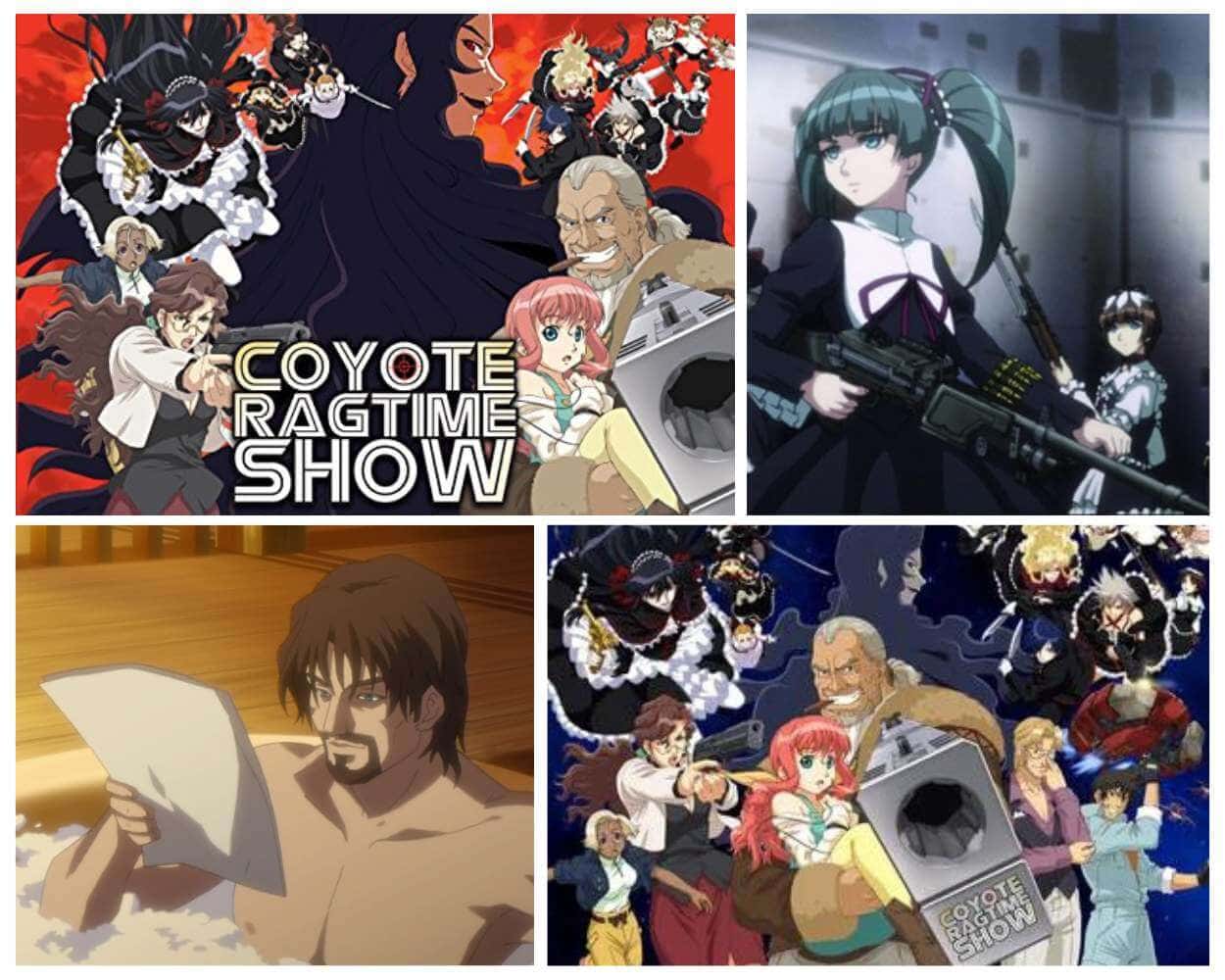
- Studio and year: ufotable, 2006
- Western elements: Outlaw protagonist breaking out of prison, treasure hunt across a frontier planet system, bounty hunters and gunslingers
- Premise: An aging space outlaw nicknamed “Mister” busts out of prison to find his deceased partner’s daughter Franca and her hidden treasure
- The hook: Made by ufotable (later famous for Demon Slayer), with their distinctive visual style applied to a space-Western framework
- Status: Underrated mid-2000s pick, mostly forgotten outside ufotable completionists
14Steam Detectives
- Studio and year: Studio Pierrot, 1998-1999
- Western elements: Frontier justice in a lawless city, gunslinger-and-sidekick dynamic, steam-powered Wild West aesthetic
- Premise: Young detective Narutaki investigates crimes in Steam City, a Victorian-steampunk metropolis with frequent outlaw threats
- The hook: One of the more aesthetically distinct entries in this list. Steampunk plus Western plus 1930s noir detective fiction
- Status: Niche, mostly forgotten outside fans of the original Kia Asamiya manga
15Wild Arms: Twilight Venom
- Studio and year: Bee Train, 1999
- Source material: Based on the Wild Arms video game franchise
- Western elements: Frontier planet setting (Filgaia), gunslinger heroes, lawless desert towns, ancient-treasure plotlines
- Premise: A group of adventurers explore the desert planet Filgaia uncovering secrets of an ancient civilization
- The hook: Most direct video game adaptation in this list. If you played the Wild Arms PlayStation RPGs, this scratches the same itch
- Status: Cult-only following. Hard to find legally
Honorable Mentions
Anime with strong Western influence that didn’t make the main list:
- Megalo Box (2018, 2021) for its post-apocalyptic Mexico-influenced underdog boxing aesthetic
- Sword of the Stranger (2007 film) for its Eastwood-style lone-swordsman energy
- Black Cat (2005) for its gunslinger protagonist
- Phantom: Requiem for the Phantom (2009) for its hitman-Western tonal hybrid
- Grenadier (2004) the somewhat-niche samurai-gunslinger fusion
- Black Lagoon (2006-2011) for its mercenary frontier-justice ethics in a Southeast Asia setting
- The Big O (1999, 2003) for its noir-Western Paradigm City aesthetic
- No Guns Life (2019-2020) for its hitman-detective frontier-style story
- Black Bullet (2014) for its post-apocalyptic gunslinger framing
Wild West Anime Subgenres Cheat Sheet
The main Wild West anime categories:
- Straight Westerns set in fictional desert worlds: Trigun, Sand Land, Desert Punk, Rust-Eater Bisco. The closest to “American Western with anime production values”
- Space Westerns: Cowboy Bebop, Outlaw Star, Coyote Ragtime, Wild Arms: Twilight Venom. The frontier moved to space
- Gothic Westerns: Vampire Hunter D. Western tropes plus horror elements
- Mecha Westerns: Gun x Sword. Western tropes plus giant robots
- Edo-period samurai-Westerns: Samurai Champloo, Sword of the Stranger. Western road-movie structure applied to feudal Japan
- Frontier-era Japanese settings: Golden Kamuy. The Hokkaido frontier as Japan’s “Wild East”
- Philosophical traveler narratives: Kino’s Journey. The lonesome cowboy as contemplative observer
What Makes a Good Wild West Anime
The common elements of the strongest Wild West anime:
- Strong sense of place. Trigun’s Gunsmoke, Bebop’s solar system, and Sand Land’s wasteland all feel like real worlds with consistent rules
- Lone-wolf protagonist with a code. Vash’s pacifism, Spike’s fatalism, D’s professional detachment. The cowboy archetype works best when the character has a clear moral framework
- Episodic structure with continuing themes. The “wanderer encounters a town with a problem” format suits anime’s episodic nature
- Strong soundtrack. Yoko Kanno’s score for Cowboy Bebop, Tsuneo Imahori’s score for Trigun, and Nujabes’s score for Samurai Champloo are arguably more important to their respective shows than the writing
- Visual commitment to the aesthetic. Dust, rust, sun-bleached colors, and bold character silhouettes are universal markers of the genre done well
The Modern Wild West Anime Landscape
What’s happening now in 2026: The Wild West anime genre is having a small renaissance. Sand Land in 2023-2024 brought Toriyama’s vision to a new generation. Trigun Stampede in 2023 rebooted the genre’s defining franchise. Rust-Eater Bisco continues to develop its light novel source material. Golden Kamuy completed its manga and got a major live-action adaptation in 2024. After a relatively quiet 2010s, the subgenre is more active than it’s been in years.
Where to Watch These Shows
As of 2026:
- Crunchyroll: Trigun (original), Trigun Stampede, Cowboy Bebop, Samurai Champloo, Outlaw Star, Desert Punk, Gun x Sword, Coyote Ragtime, Rust-Eater Bisco, Golden Kamuy
- Hulu: Various Watanabe catalog
- Netflix: Cowboy Bebop (varies by region), Cannon Busters, Sand Land: The Series
- Hidive: Selected catalog including some Wild West classics
- Theatrical releases: Sand Land (2023 film) had a theatrical run in select markets, now on streaming
- Physical media: Vampire Hunter D and Wild Arms: Twilight Venom often easier to find on Blu-ray than streaming
The Wild West Anime Legacy
The honest take: Wild West anime is a small but consistently great subgenre. Trigun and Cowboy Bebop are arguably two of the greatest anime ever made, and they’re both Westerns. Sand Land brought Toriyama’s signature style to the genre as one of his final personal projects. Samurai Champloo proved that Western storytelling principles work in any setting. The genre is small, but its peaks are some of anime’s highest. Worth diving into if you want anime that doesn’t look like every other school-or-isekai show.
So, what’s your favorite Wild West anime, and which entry on this list are you adding to your watch list? For me, Trigun is the foundational text, Cowboy Bebop is the most artistically complete, and Sand Land is the must-watch new entry. Tell me yours.