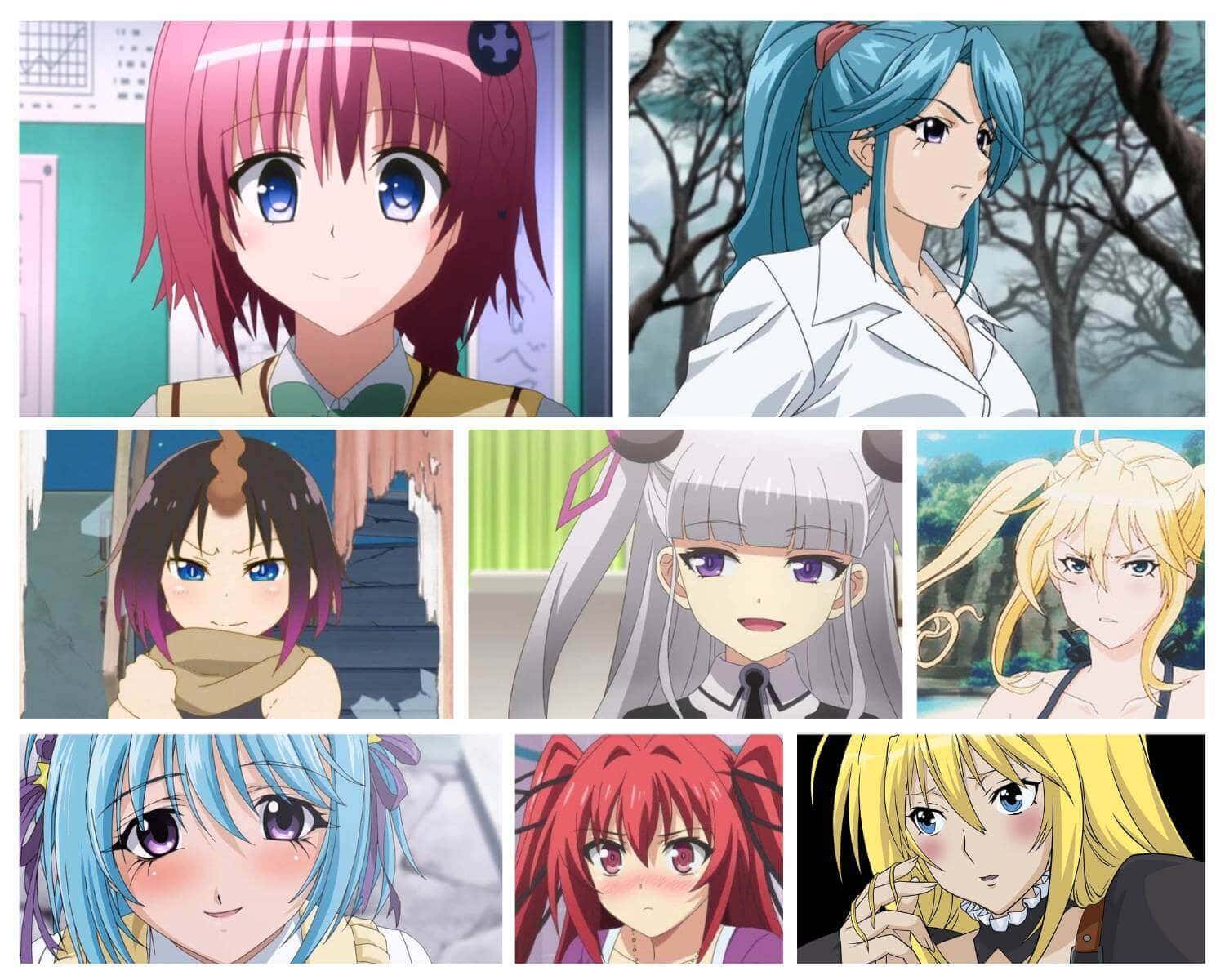
Succubus anime characters are a whole specific subgenre, and if you’re reading this, you know what you’re here for. The succubus character archetype shows up everywhere in anime, from comedy slice-of-life to dark fantasy to outright horror, and the best ones bring real personality to a trope that could easily lean too hard on aesthetics alone.
Here are 20 succubus anime characters worth knowing, from the most iconic franchise mascots to the more recent additions to the genre.
Important note on definitions: Not every “sexy demon woman” in anime is a succubus. A succubus, in the proper sense, is a specific kind of demon that feeds on life force or sexual energy. I’m focusing this list on characters who are either canonically succubi in their source material, or who function as succubus-coded characters with the proper traits (charm magic, energy drain, demonic heritage). I’ll flag where the line gets blurry.
1Morrigan Aensland (Darkstalkers / Vampire Hunter)
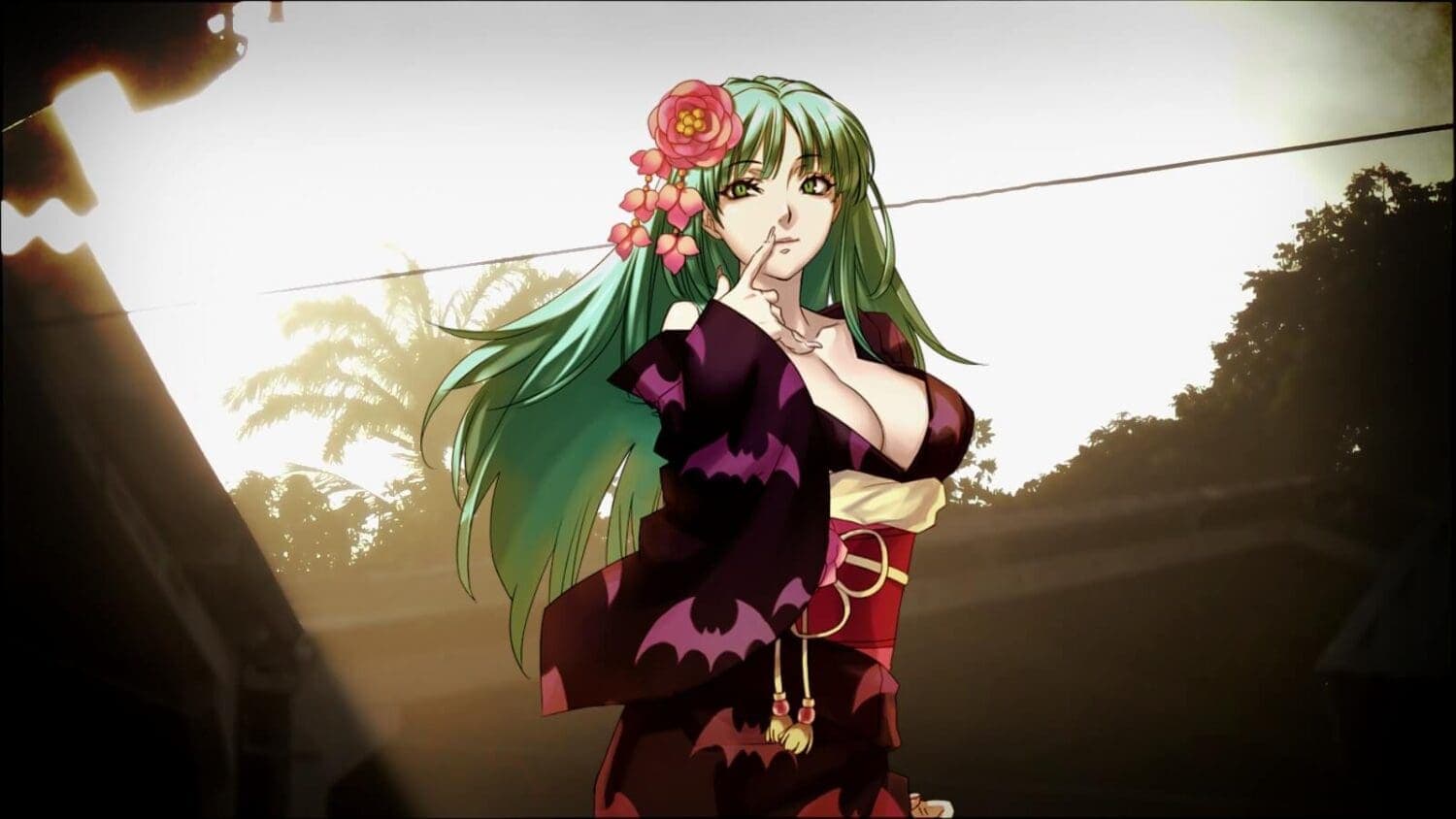
The single most iconic succubus in all of anime and gaming. Morrigan Aensland debuted in Capcom’s Darkstalkers fighting game in 1994 and has been the genre’s defining succubus design ever since. The green hair, the bat-wings on her back and head, the purple bodystocking, the absolute confidence: every succubus character that came after her is responding to her in some way.
Why she dominates: Morrigan is the bridge between the games industry and the anime succubus aesthetic. She’s appeared in multiple anime adaptations of Darkstalkers, in Marvel vs Capcom crossovers, and in countless guest appearances. If you only know one succubus character, it’s her.
2Albedo (Overlord)
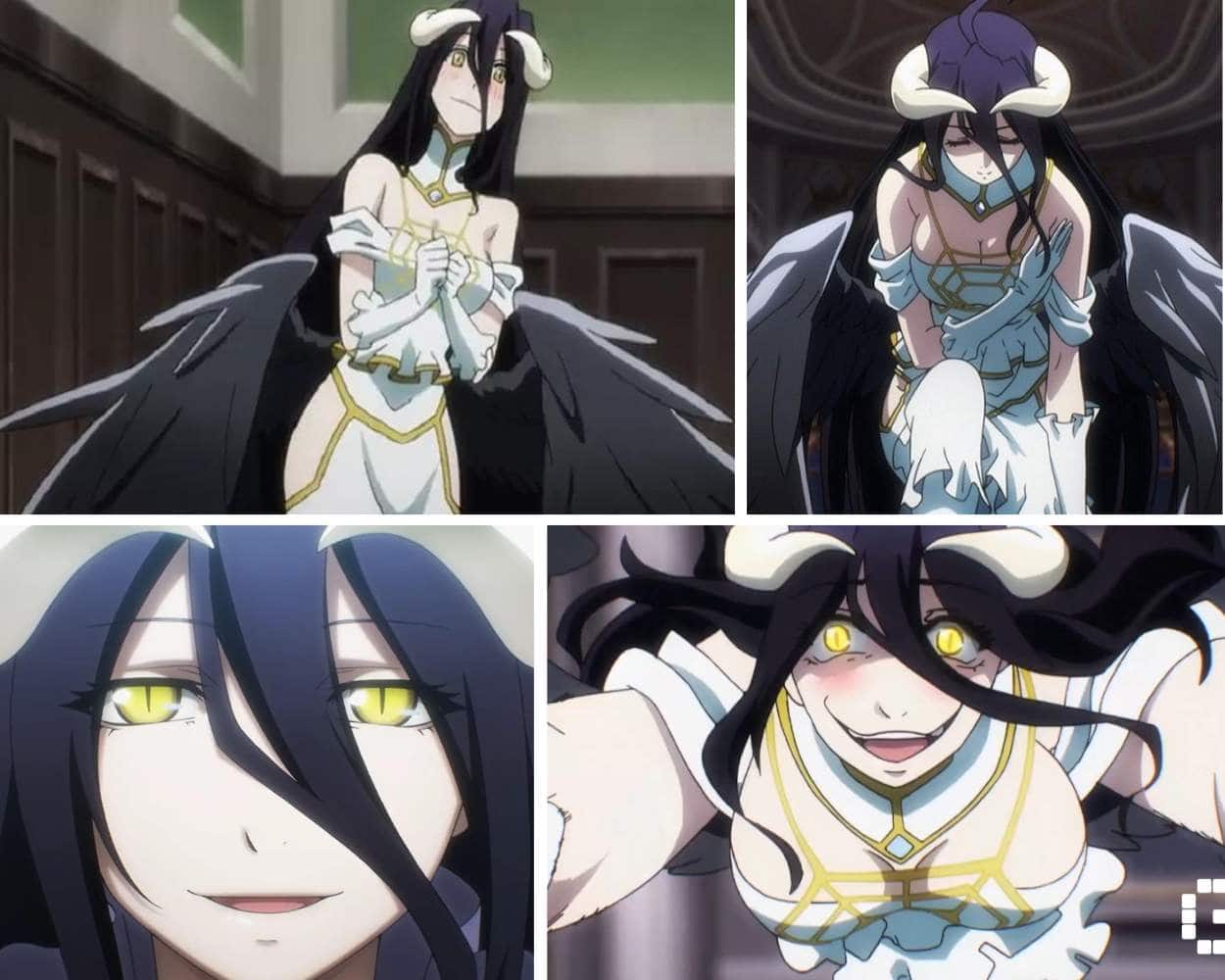
The Overseer of the Floor Guardians of the Great Tomb of Nazarick in the Overlord light novel and anime series. Albedo is canonically a succubus, designed by the now-absent player Tabula Smaragdina. She’s also obsessively in love with the protagonist Ainz Ooal Gown, which is canonically because Ainz himself programmed her personality settings (and added the love-obsession on a whim before realizing she became real).
The Albedo character is consistently one of the most popular in Overlord polls. She’s powerful, devoted, theatrical, and the kind of character who treats her own obsession as a fact of nature rather than an embarrassment.
3Kurumu Kurono (Rosario + Vampire)
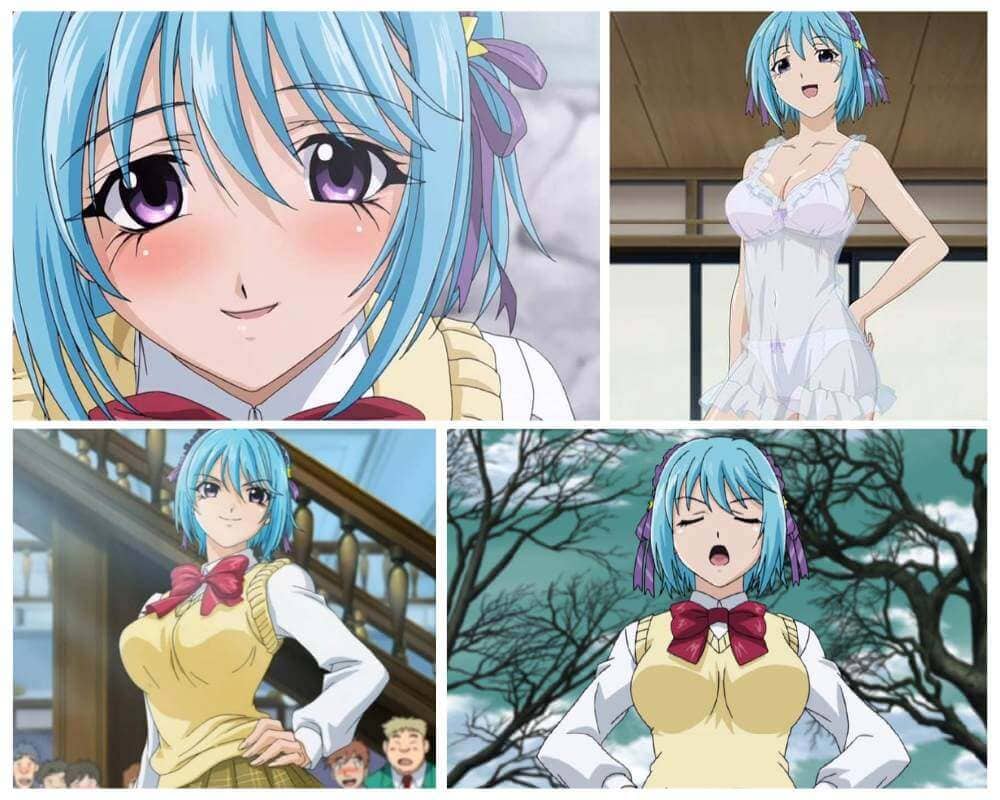
The blue-haired succubus from Rosario + Vampire (manga 2004 onward, anime 2008-2009). Kurumu is the most prominent succubus character in mainstream shōnen-adjacent anime. She uses her charm powers to try to win over the protagonist Tsukune Aono, but the show eventually develops her into one of the more sincere members of the harem.
Rosario + Vampire is one of the show that introduced a lot of anime fans to the succubus archetype as a recurring character type rather than a one-off villain.
4Sakie Satou (Interviews with Monster Girls / Demi-chan)
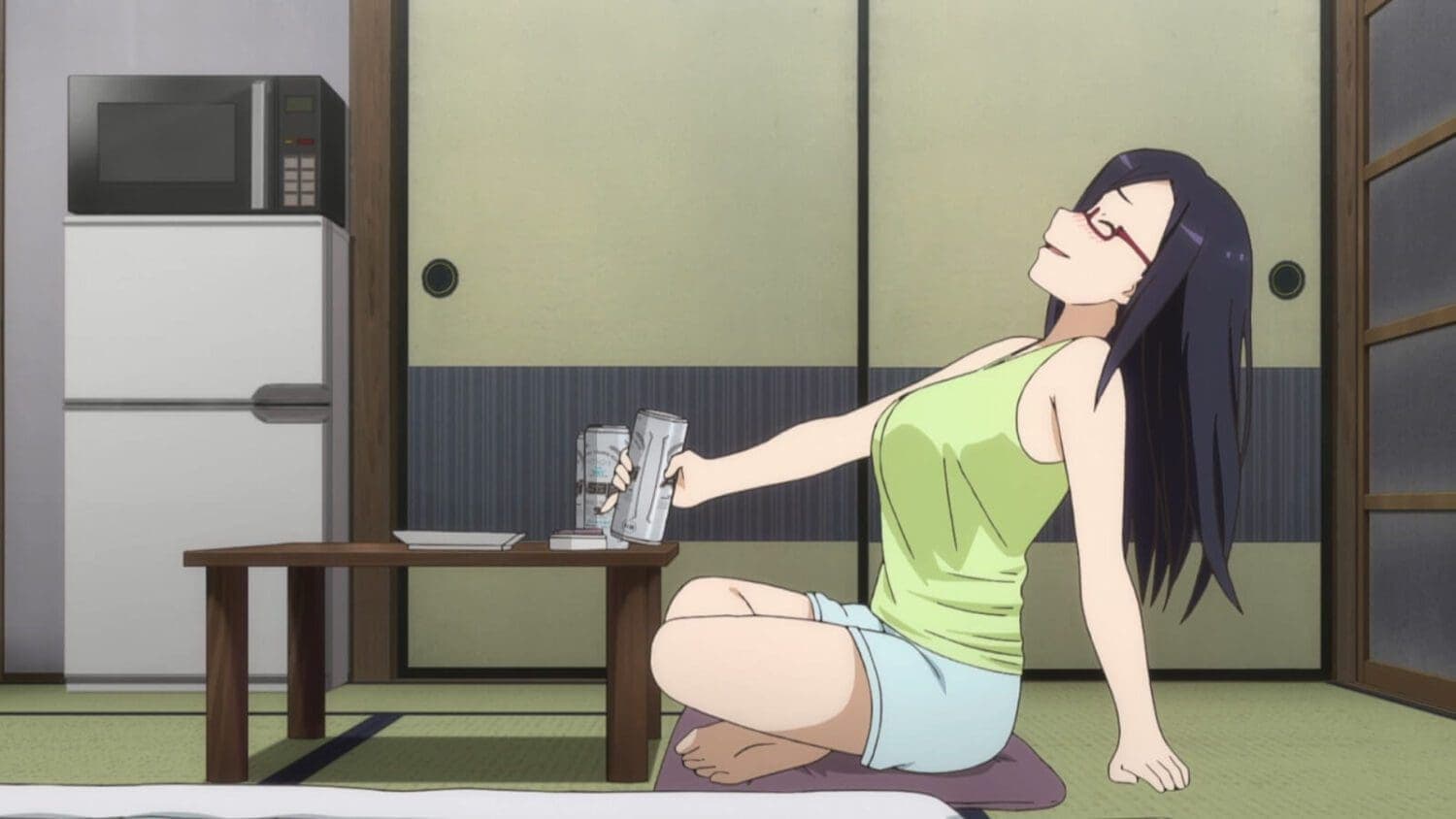
The most emotionally honest succubus character in the genre. Sakie is a math teacher at a high school in Interviews with Monster Girls (2017). She’s also a succubus, which causes her serious problems: her natural pheromones affect any man within her range, so she lives an isolated life trying to avoid causing trouble for the men around her.
Why this matters: Sakie is the rare succubus character treated as a real adult with real problems. She wants to be loved for who she is rather than for her supernatural attractiveness. Her arc through the series is one of the most affecting takes on the succubus archetype, treating it as a genuine social-isolation issue rather than just a fan service hook.
5Maria Naruse (The Testament of Sister New Devil)
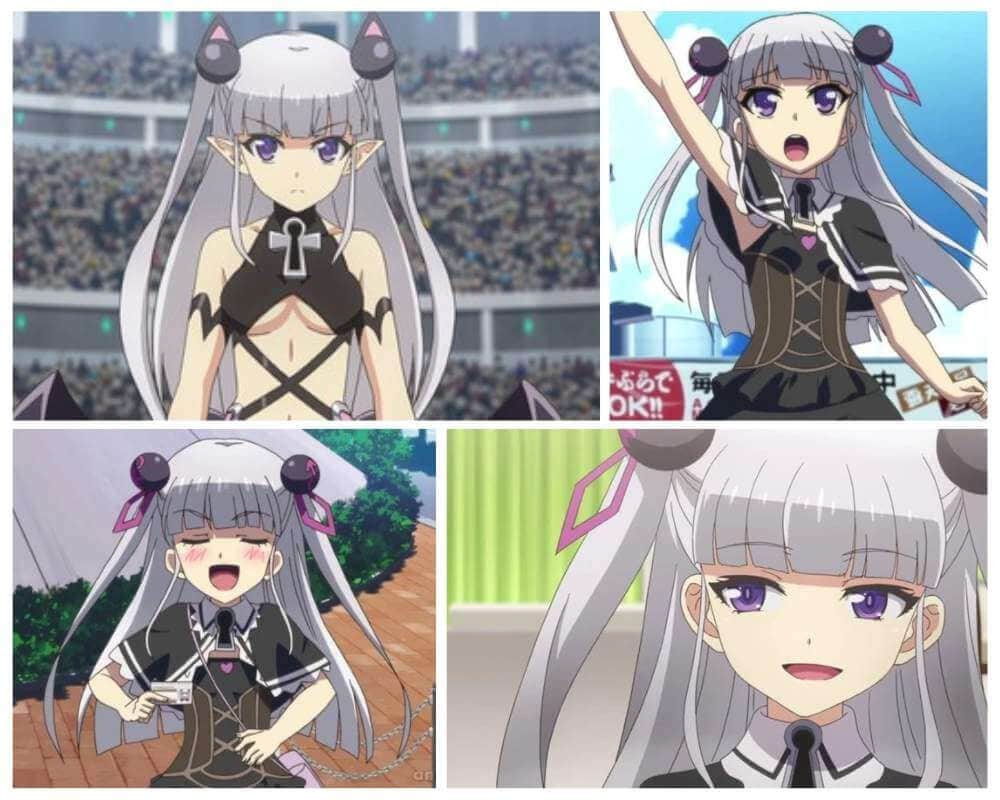
The small, pink-haired succubus from The Testament of Sister New Devil. Maria is a young succubus who functions as comedic relief and magical support for the main cast. Despite her tiny appearance, she’s a competent demon with serious magical knowledge.
The Testament of Sister New Devil is one of the more aggressively fan-service-heavy succubus anime out there, but Maria specifically gets a lot of legitimately funny character moments that work even when separated from the more explicit content.
6Mio Naruse (The Testament of Sister New Devil)
Maria’s adoptive sister and one of the main heroines. Mio isn’t technically a succubus by species (she’s the daughter of the previous Demon Lord), but she demonstrates many succubus-coded abilities and behaviors as the series progresses. Her relationship with the protagonist Basara involves contract magic that lets her draw power from intimate contact, which is essentially the succubus mechanic with a slight rebrand.
7Astarotte “Lotte” Ygvar (Astarotte’s Toy)
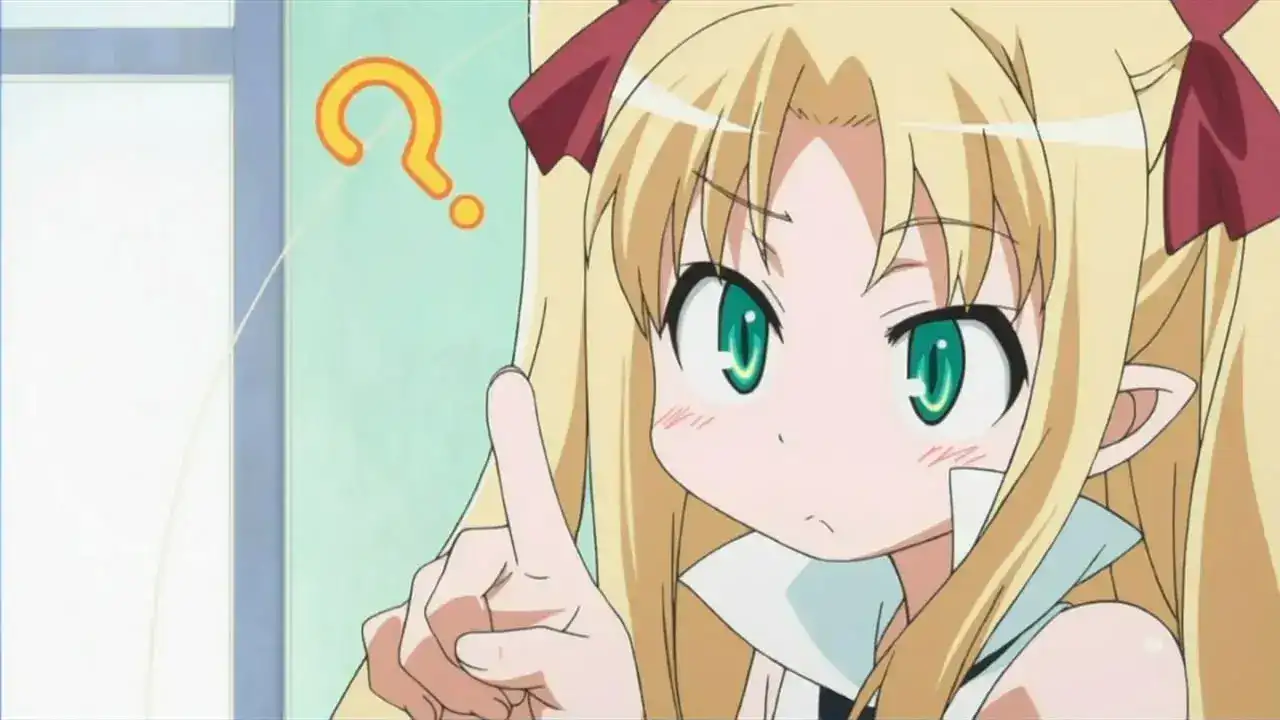
The premise of Astarotte’s Toy (2011) is that succubi need male life force to survive, and Lotte is a young princess succubus who refuses to interact with men because of her trust issues. The setup is awkward, the show handles it with more sensitivity than the premise suggests, and Lotte herself is genuinely written as a complicated character rather than just a trope.
I’m not going to oversell Astarotte’s Toy. It’s a niche show with some controversial framing. But Lotte as a character has enough personality to land on this list.
8Mercelida Ygvar (Astarotte’s Toy)
Lotte’s mother, the ruling queen-succubus of her kingdom. Mercelida is everything the show suggests Lotte will eventually become: confident, regal, sexually liberated, politically savvy. The contrast between her energy and Lotte’s gives the show its core dynamic.
9Ageha Kurono (Rosario + Vampire)
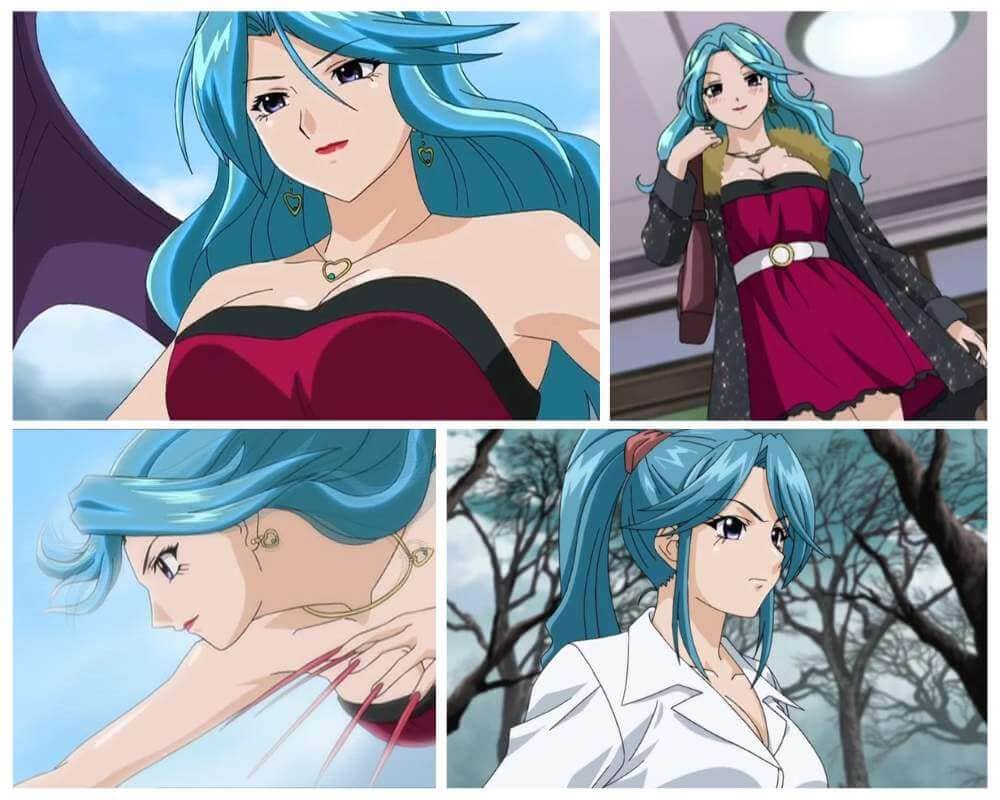
Kurumu’s mother and another prominent Rosario + Vampire succubus. Ageha appears periodically to push Kurumu toward winning over the protagonist. She’s also a much more aggressively flirtatious version of what Kurumu might become as an adult, which makes for some of the show’s better comedic moments.
10Lilith Asami (Trinity Seven)
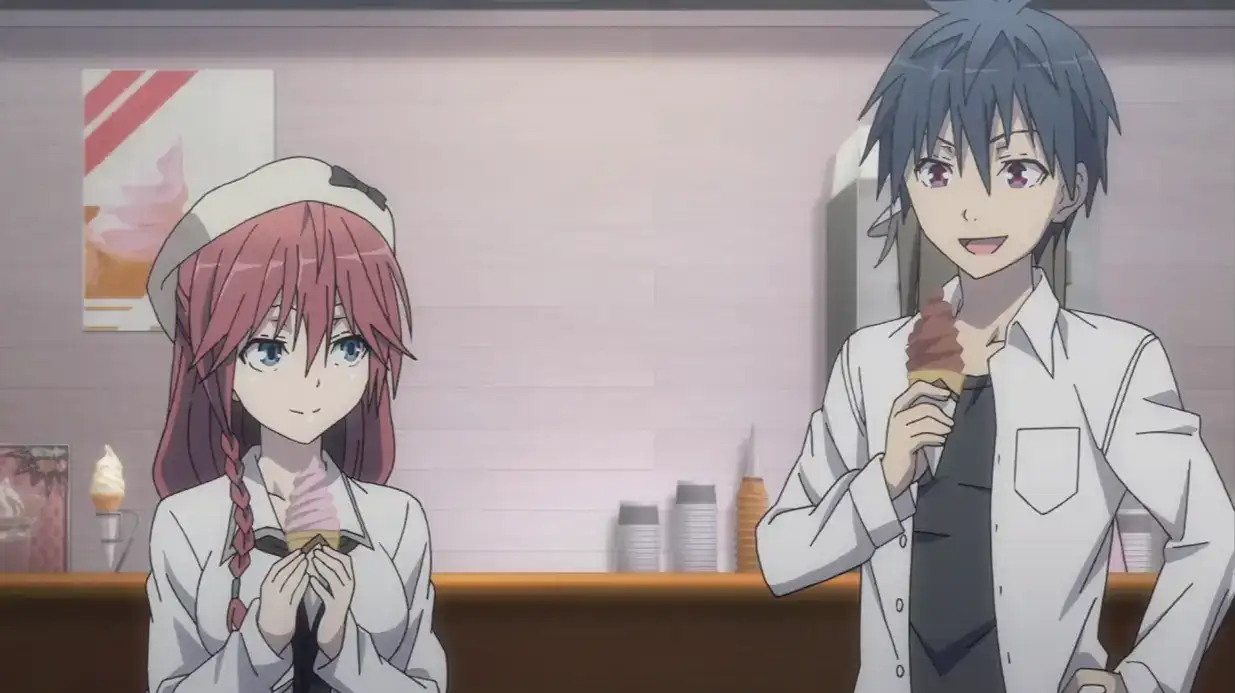
The Lust archive holder in Trinity Seven (2014-2015). Lilith is named after one of the original succubi from mythology (Adam’s first wife, in some Hebrew traditions), and her thaumaturgy specialty involves love and obsession magic. She’s a teacher at a magical academy, which makes her relationship with the much-younger protagonist a recurring comedic tension.
Lilith is more “succubus-coded” than canonical succubus, but the references to her mythological namesake are explicit enough to count.
11Carrera (Viper GTS)
The most explicit succubus on this list. Viper GTS is an adult-oriented OVA series, and Carrera is its lead succubus protagonist. I’m including her because she’s a legitimate canonical succubus, not just a trope, and her character does have real plot agency. The show itself is firmly adult content and not recommended for most readers, but if you’re researching the succubus character archetype historically, Carrera is part of that lineage.
12Raim (Welcome to Demon School! Iruma-kun)
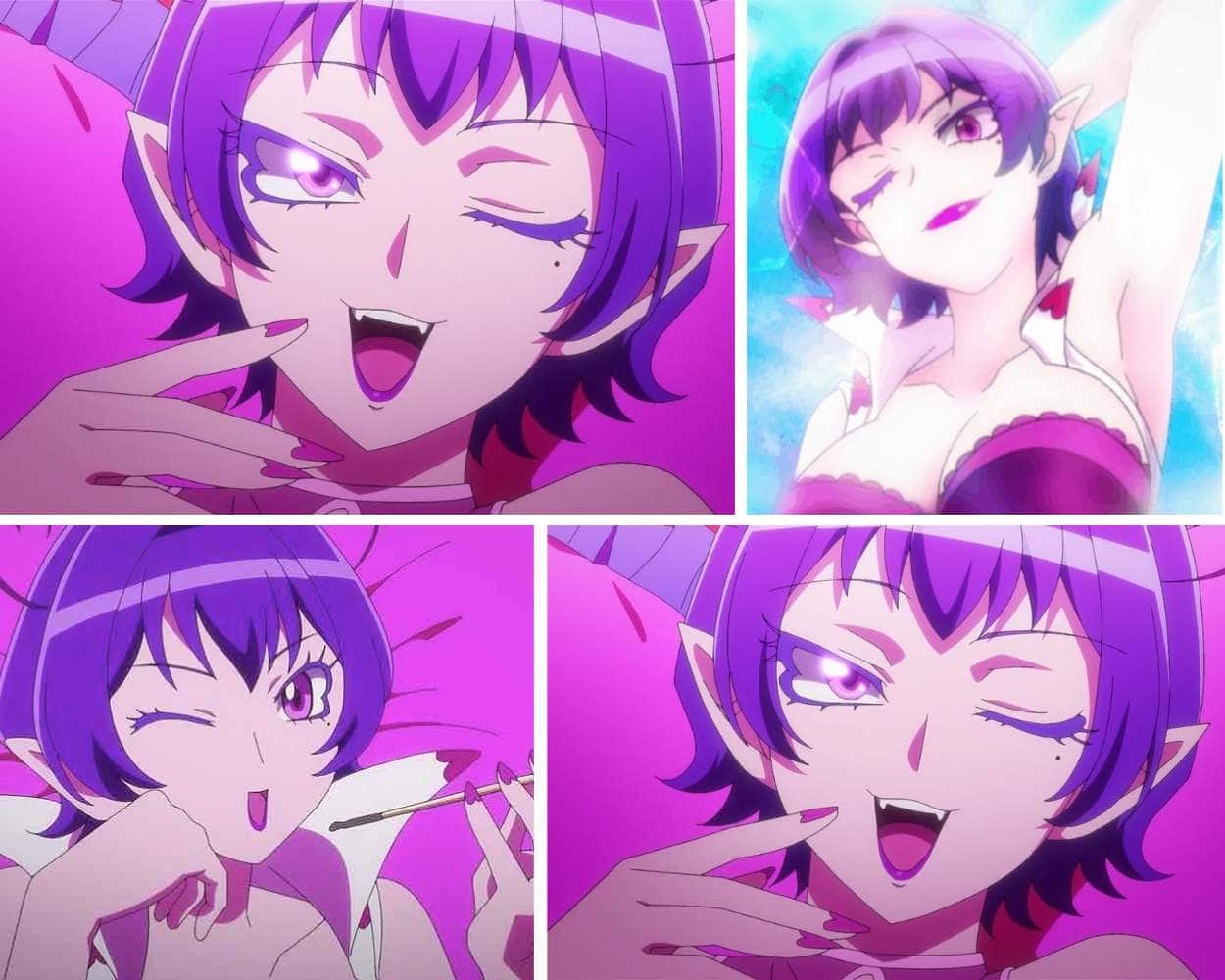
One of the school staff in Welcome to Demon School! Iruma-kun (2019 onward). Raim is a succubus teacher in the larger demon school setting, alongside characters of many other demon species. The show handles its succubus character with a light comedic touch that works well in the broader school-comedy framing.
13Beelzebub IV (Welcome to Demon School! Iruma-kun)
Beelzebub IV is one of the major characters in Iruma-kun, and while not strictly a succubus, the character is a high-ranking demon with succubus-coded abilities and aesthetic in some appearances. She’s also one of the more popular characters in the broader Iruma-kun fandom.
14Wilmarina “Mina” Noscrim (Astarotte’s Toy)
Another Astarotte’s Toy succubus character, this one a high-energy young succubus who functions as one of Lotte’s friends. The show has multiple succubus characters and Mina is one of the better-written supporting ones.
15Shamsiel Shahar / Shamusheru (Kyonyuu Fantasy)
From the adult visual novel series Kyonyuu Fantasy, which received an anime adaptation. Shamsiel is a canonical succubus character within the universe and the central figure of the franchise. As with Viper GTS, this is a more explicitly adult-oriented succubus property.
16Artemis (Maria the Virgin Witch)
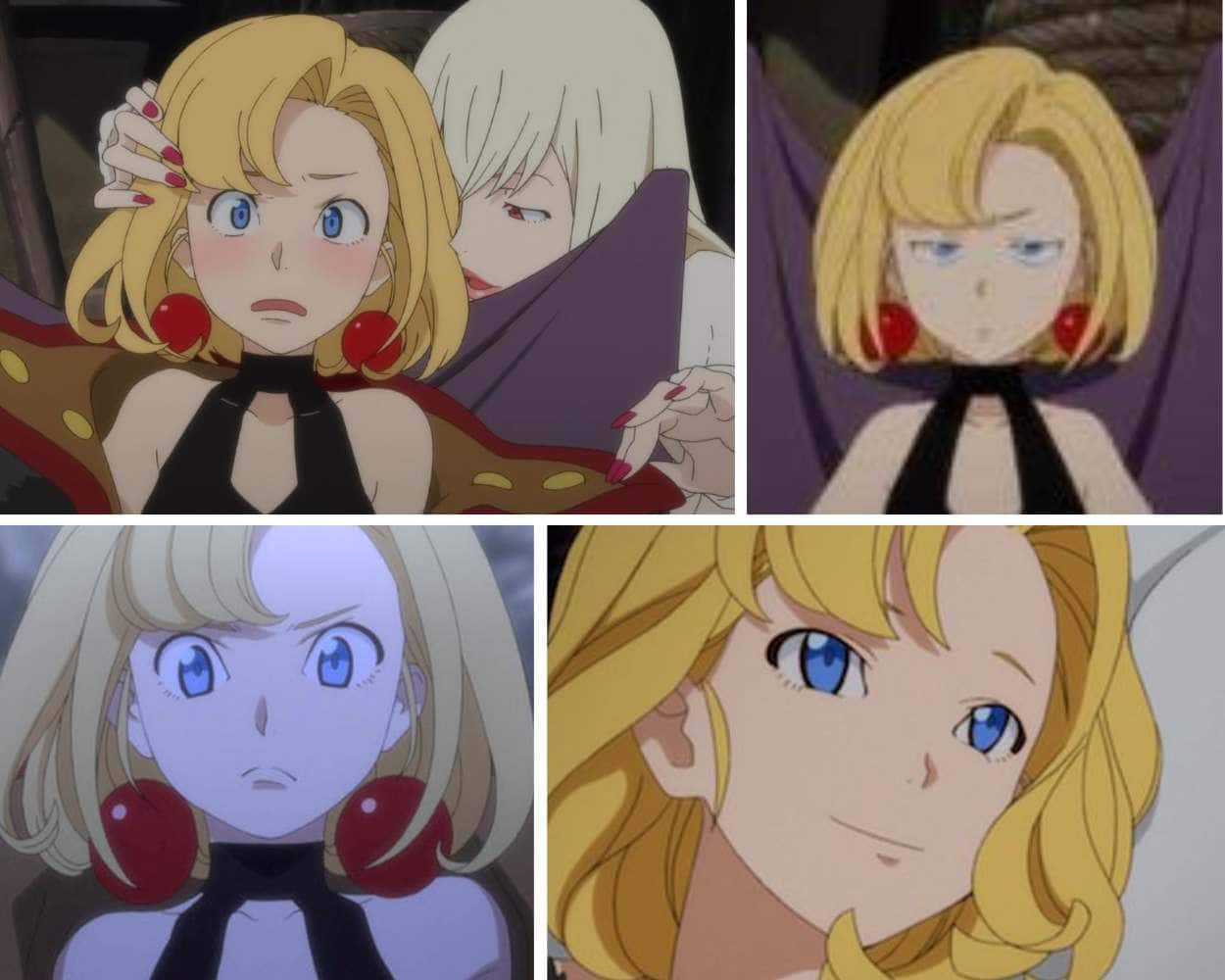
A young succubus character from Junketsu no Maria (Maria the Virgin Witch), set during the Hundred Years’ War. Artemis is one of the protagonist Maria’s familiars (alongside the incubus Priapos), and the show uses the succubus-incubus pairing to comment on the religious and gender politics of medieval Europe. Surprisingly thoughtful framing for a succubus character.
17Mayu Tsukimura (Good Luck! Ninomiya-kun)
From the 2007 comedy Good Luck! Ninomiya-kun. Mayu is a young succubus who, contrary to type, is terrified of men. The premise of the show is that she’s been sent to live with the protagonist Ninomiya to overcome her fear, which leads to consistently awkward situations. It’s one of the more genuinely funny “subverted succubus expectations” anime out there.
18Lucoa / Quetzalcoatl (Miss Kobayashi’s Dragon Maid)
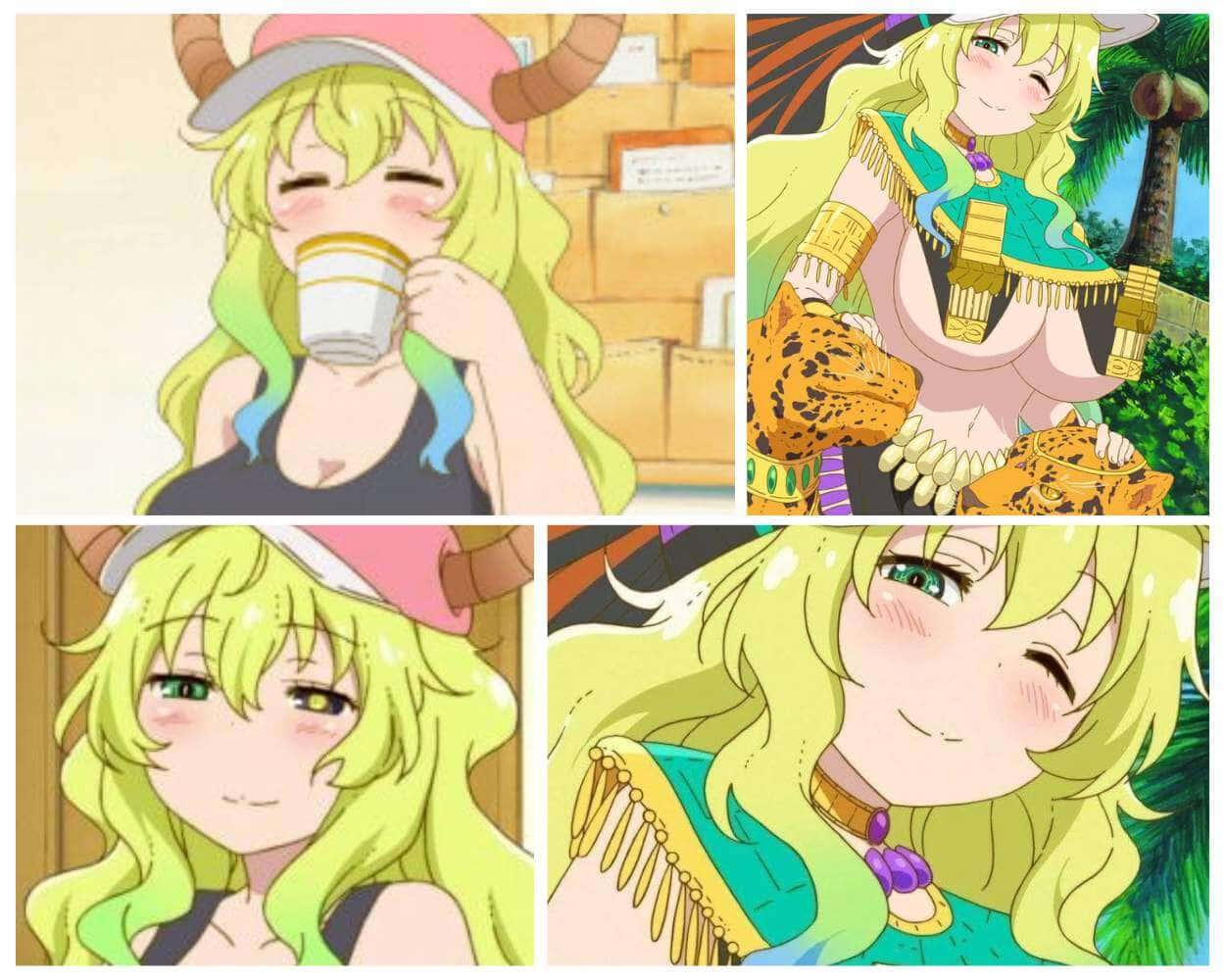
Honest disclosure: Lucoa isn’t a succubus. She’s an ex-goddess turned dragon (specifically based on the Mesoamerican deity Quetzalcoatl). I’m including her because she embodies pretty much every succubus visual trait while being canonically not a succubus, and her placement in succubus-anime discussions is so common that the post would feel incomplete without her.
Miss Kobayashi’s Dragon Maid itself is one of the most beloved slice-of-life comedies of the late 2010s, and Lucoa’s relationship with her young summoner Shouta is one of the show’s most consistently played-for-comedy dynamics.
19Nerine / Lycoris Radiata (Shuffle!)
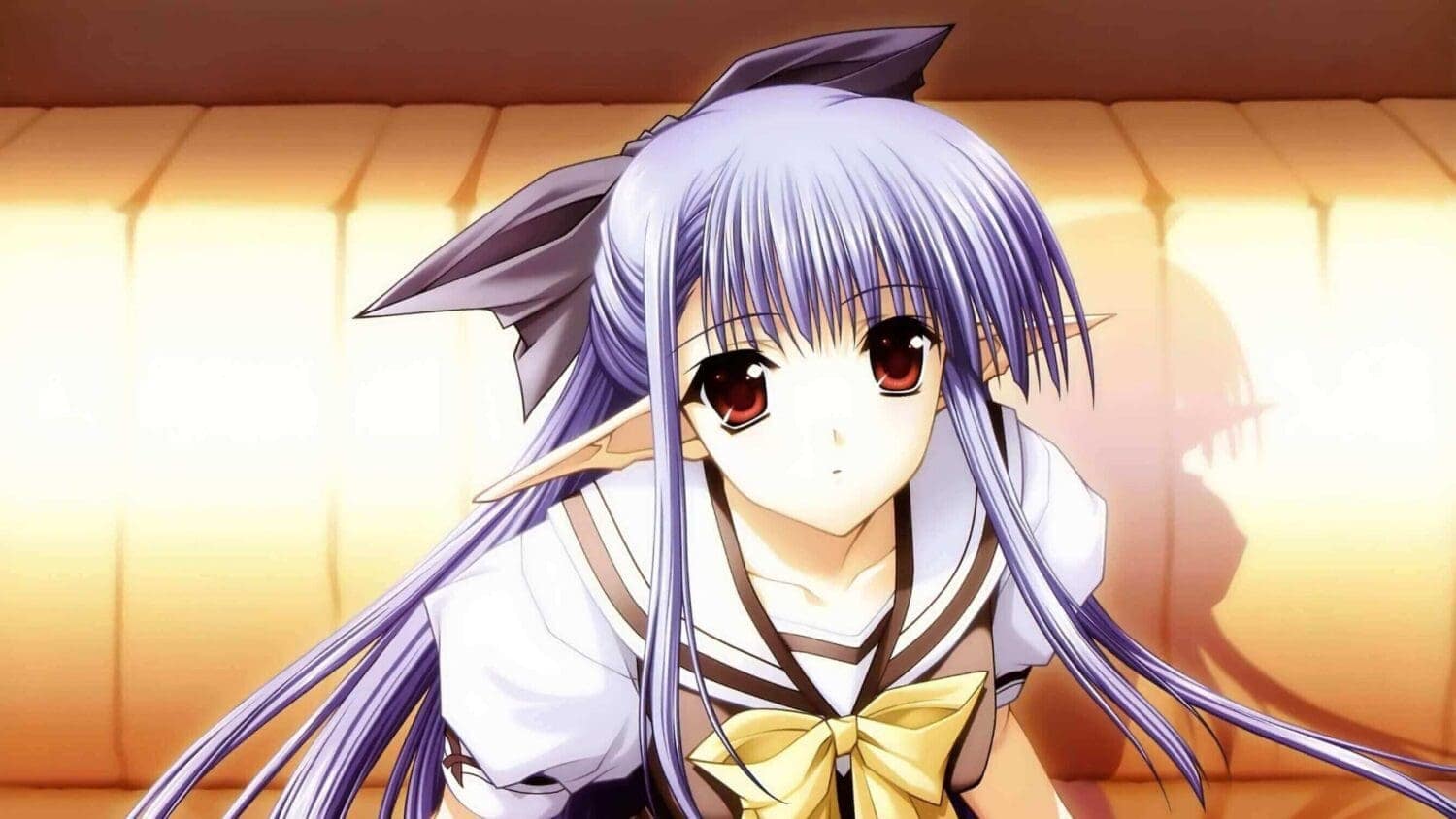
From the 2005 visual-novel-adaptation anime Shuffle!. Nerine is the daughter of the Demon King and one of the main love interests. She’s not technically labeled as a succubus, but her demonic heritage and the dynamics of her romantic pursuit of the protagonist land her firmly in succubus-adjacent territory. Shuffle! is one of the harem anime that helped codify how anime treats demon-girl love interests.
20Tsukiumi (Sekirei)
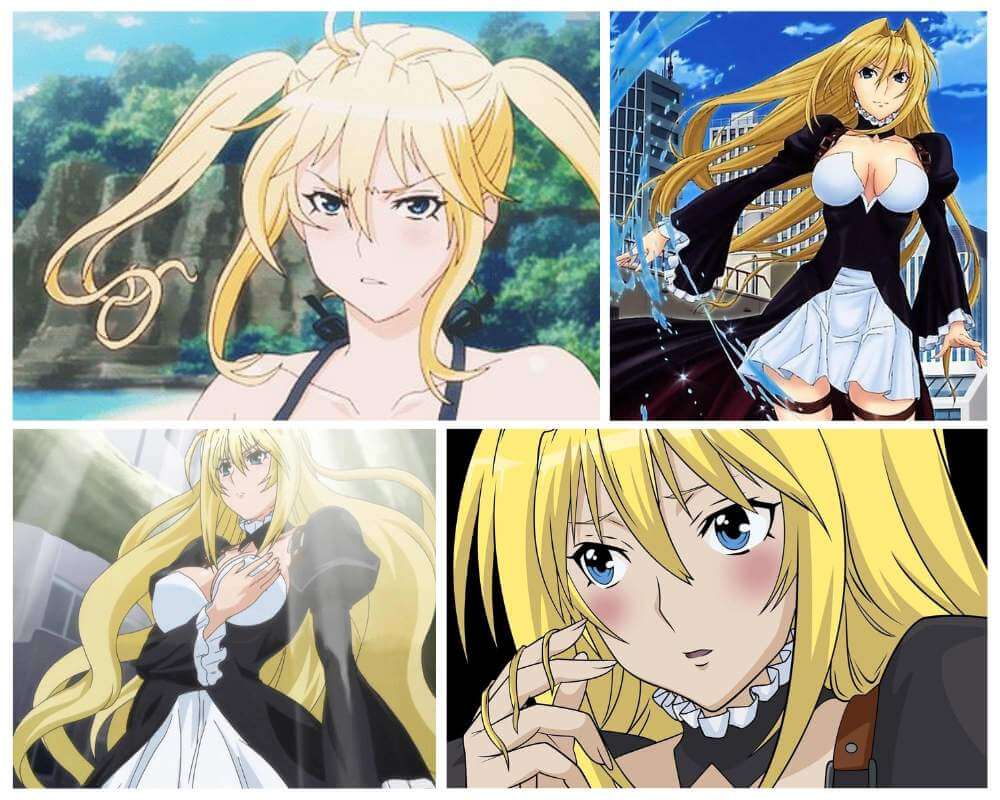
From Sekirei (2008-2010). Tsukiumi is technically not a succubus (she’s a “Sekirei,” an alien species in the show’s universe), but the harem-anime conventions of her character and the energy-transfer mechanic between Sekireis and their human partners parallels traditional succubus dynamics closely enough to land her on most “succubus-adjacent” lists.
Common Succubus Anime Traits
The standard succubus character checklist:
- Bat wings. Almost always small ones on the back or head, sometimes both. Morrigan started this and now everyone follows.
- Tail. Usually a slim heart-tipped tail. Sometimes barbed, depending on how serious the show takes its demon design.
- Charm magic. The ability to compel attraction in others through pheromones, eye contact, or direct enchantment.
- Energy drain. The traditional succubus mechanic of feeding on life force, dream energy, or sexual energy. Often softened in modern anime to “needs love” rather than “literally kills people.”
- Color palette. Purple, pink, and red dominate. Sometimes black for more sinister characters. Green for Morrigan and her direct descendants.
- Confidence as a personality trait. The succubus is rarely shy or doubting. Even the subverted versions (Lotte, Mayu Tsukimura) are quiet rather than uncertain.
The Succubus Anime Subgenre Honest Take
Succubus anime characters exist on a spectrum from “thoughtful character studies” to “pure fan service vehicles” with most landing somewhere in the middle. The genre’s history in adult-oriented OVAs (Viper GTS, various visual novel adaptations) has given it a reputation that the more recent shows like Interviews with Monster Girls have been trying to push back against.
The best succubus characters work because they’re written as real people whose succubus nature is a complication rather than a personality. Sakie Satou is the modern gold standard for this. Albedo works because the show treats her obsession as part of a larger philosophical question about creation and creator. Morrigan works because she’s been in so many games that she’s outlived any single show’s framing of her.
The Adjacent Genre: Demon Girls in General
If you’re interested in succubus anime characters, you probably also enjoy adjacent supernatural-girl genres. The major related categories:
- Demon girls in harem anime like High School DxD (Rias Gremory, Akeno Himejima)
- Monster girls in slice-of-life like Interviews with Monster Girls, Monster Musume, Centaur no Nayami
- Vampire seductress characters like Moka Akashiya, Nazuna Nanakusa (Call of the Night)
- Witch and dark mage characters like Yuki (Yuki Yuna), various Madoka characters
- Demon lord daughters like Myuu (Hagure Yuusha no Estetica), Iruma’s classmates in Welcome to Demon School
Where to Watch These Shows
As of 2026, the main streaming homes:
- Crunchyroll: Overlord, Interviews with Monster Girls, Welcome to Demon School Iruma-kun, Rosario + Vampire, Trinity Seven, Miss Kobayashi’s Dragon Maid, Maria the Virgin Witch
- Funimation/Crunchyroll merged catalog: The Testament of Sister New Devil (the more risqué Testament content sits behind warnings)
- HIDIVE: Astarotte’s Toy and other niche succubus shows
- Adult-only platforms: Viper GTS, Kyonyuu Fantasy, and similar are in adult-anime distribution channels
The Modern Succubus Character Landscape
Where the genre is in 2026: The succubus character archetype has been gradually moving away from pure fan-service framing and toward more developed character work. Shows like Interviews with Monster Girls and Welcome to Demon School! Iruma-kun have proven that succubus characters can carry real comedic or emotional weight without leaning on the more exploitative conventions of the older OVA era. The trope is still very much alive in 2026, but it’s been thoughtfully evolving.
The Succubus Anime Legacy
The honest take: Succubus characters in anime range from genuinely well-written supporting cast (Sakie Satou, Albedo, Kurumu in later Rosario + Vampire arcs) to characters who exist primarily as a specific aesthetic. The genre’s at its best when the writers take the “succubus as a person dealing with what being a succubus means” angle seriously, and at its worst when the character is just an excuse for the same three jokes over and over.
If you’re starting out with the subgenre and want the best entries, watch Interviews with Monster Girls for thoughtful succubus character writing, Overlord for the iconic Albedo, and play any Darkstalkers game for the original Morrigan Aensland in her natural habitat.
So, who’s your favorite succubus anime character, and which entry on this list are you adding to your watchlist? For me, Sakie Satou is the best-written, Morrigan is the most iconic, and Albedo is the most committed to the bit. Tell me yours.