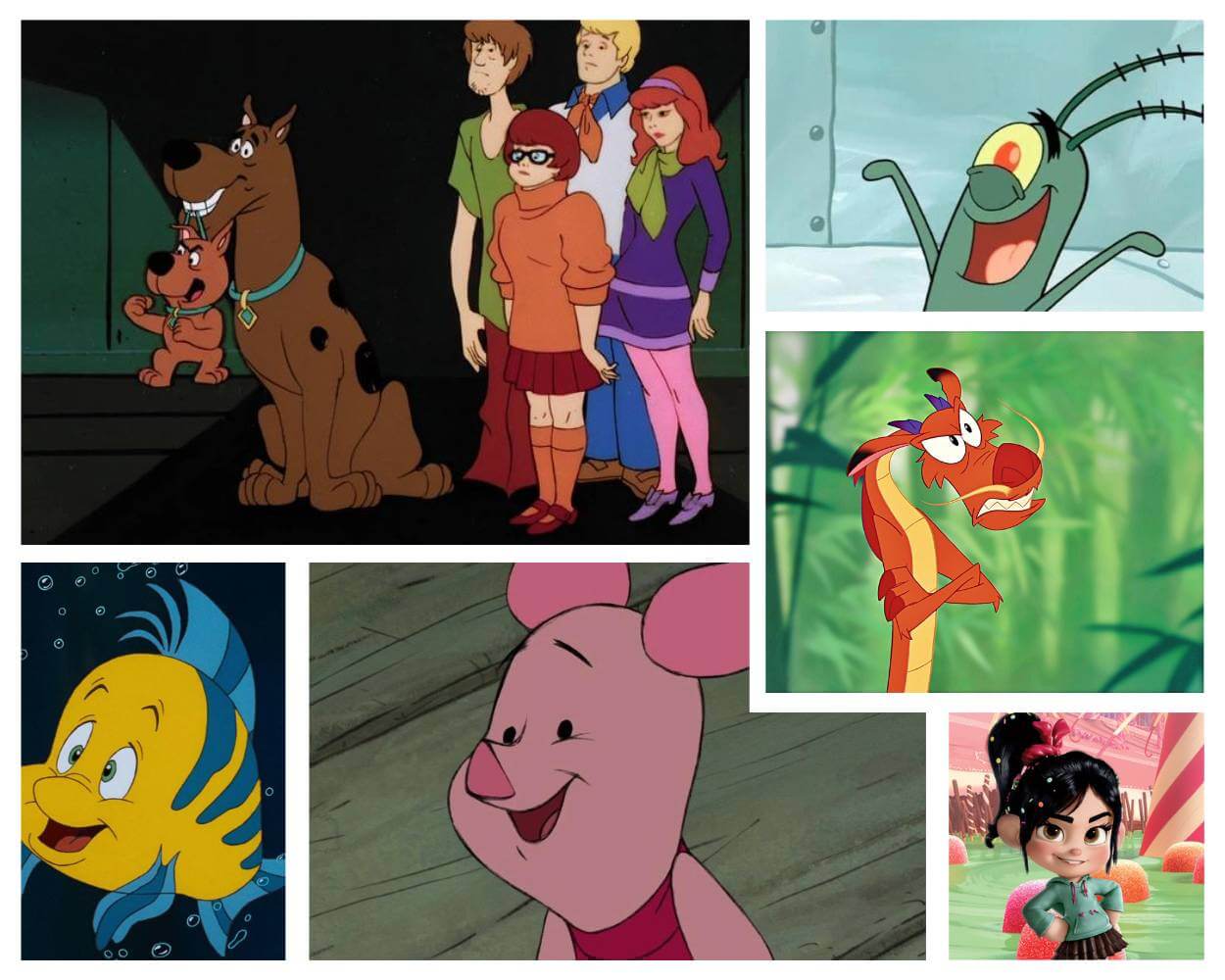
Short cartoon characters are some of the most beloved figures in animation, partly because the genre has always understood that physical size and personality strength are unrelated. Edna Mode is barely four feet tall and runs an entire superhero costume empire. Stewie Griffin is one year old and is plotting world domination. The Minions are about three feet tall and have somehow generated billions of dollars at the box office.
Here are 20 short cartoon characters worth celebrating, sorted roughly by recognition and pop culture footprint.
A quick note: “Short” here covers a few different things. Some characters are technically children who are realistically sized for their age. Some are adults who are explicitly designed to be small. Some are non-human characters whose small stature is part of their identity. The common thread is that being small is a defining feature of the character, not just a coincidence.
1The Minions (Despicable Me)

The reigning champions of “short cartoon characters” in 2026. The Minions debuted in Despicable Me (2010) as Gru’s tiny yellow henchmen and have since taken over the entire Illumination Entertainment franchise. Five Despicable Me films, two standalone Minion movies, theme park attractions, and merchandise across every retail surface on Earth.
The 2026 context: Despicable Me 4 (2024) was one of the biggest animated films of 2024, and the Minions remain Illumination’s most lucrative IP. They’re arguably the most commercially successful short cartoon characters ever created. They speak in nonsense, they wear goggles and overalls, and they have grossed over $5 billion in box office globally. The Minions are not going away.
2Stewie Griffin (Family Guy)
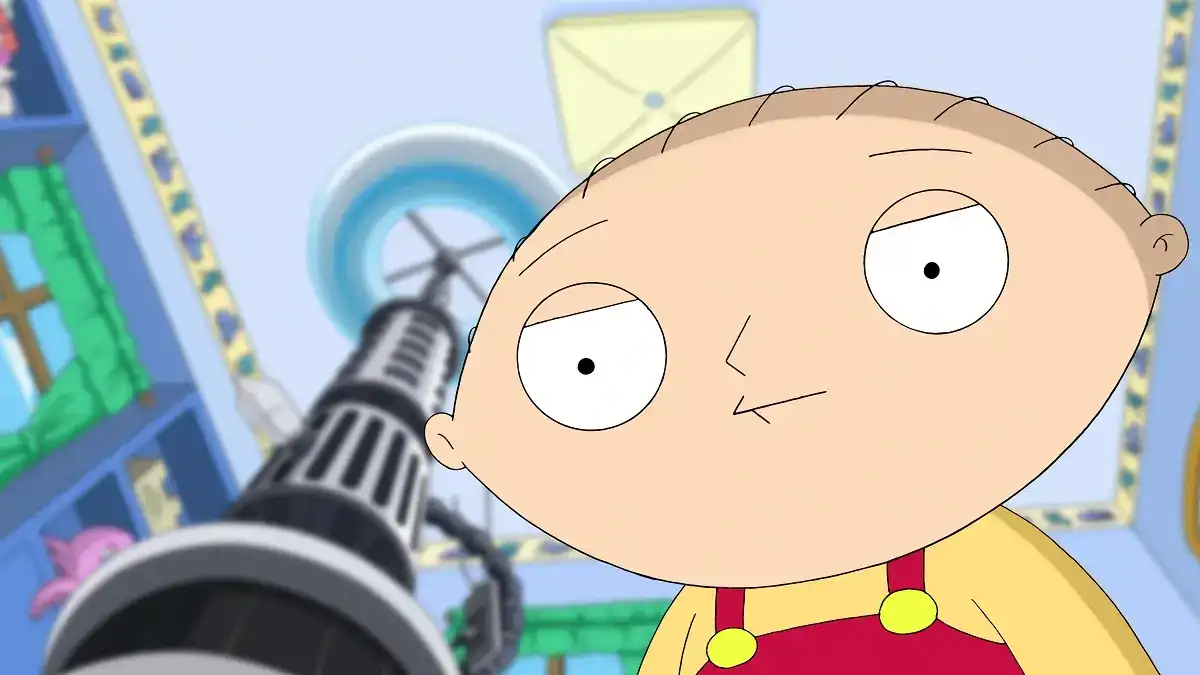
The most iconic short cartoon character of the 21st century. Stewie is a one-year-old baby with an oddly shaped football head, a British accent he wasn’t born with, and the intellectual capacity to build time machines in his bedroom. Family Guy has been running since 1999, which makes Stewie one of the longest-running animated baby characters in TV history.
The Stewie-Brian dynamic carries entire seasons of the show. He’s also generated countless quotable lines, more memes than most non-meme characters, and one of the most consistent voice performances in animation (Seth MacFarlane has been voicing him for 25+ years).
3Charlie Brown (Peanuts)
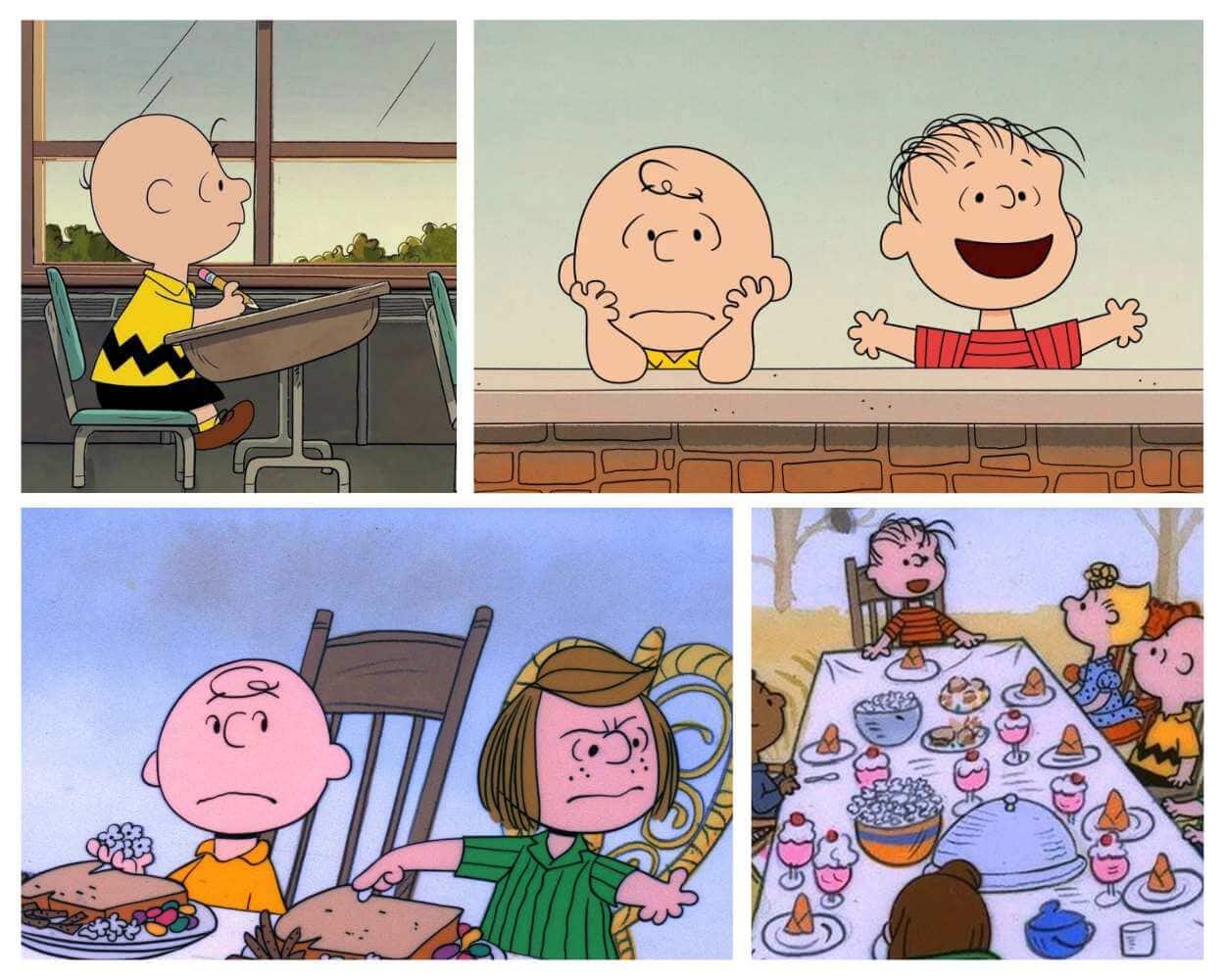
The original short cartoon character. Charlie Brown has been in Peanuts comics since 1950 and in animated specials since 1965. His distinctive round head, zig-zag shirt, and chronic bad luck made him the most relatable cartoon character of multiple generations. Charles Schulz drew him for 50 years straight, and he’s still in syndication today.
Charlie Brown is also the rare short cartoon character who’s specifically designed to look like a real child rather than a cute caricature. The Peanuts style of “kids drawn as actual small humans” influenced everything that came after.
4Olaf (Frozen)

The breakout star of Disney’s Frozen franchise. Olaf is a small enchanted snowman who dreams of warm summer days (without understanding what warmth does to snow). Voiced by Josh Gad with infectious enthusiasm, Olaf became the marketing centerpiece for Frozen’s massive commercial success and remains one of Disney’s most recognizable modern characters.
The 2026 context: Frozen 3 is currently in production for a 2027 release, with Josh Gad confirmed to return as Olaf. The character continues to anchor the Frozen franchise across films, shorts, and the absolutely massive merchandising operation.
5Mike Wazowski (Monsters Inc.)

Pixar’s beloved one-eyed green monster from Monsters, Inc. (2001), voiced by Billy Crystal. Mike is roughly the size of a beach ball and serves as the perfect comedic counter to his much-larger best friend Sulley. His ongoing identity crisis about whether he can actually be scary is the heart of the prequel Monsters University (2013).
6Mandy (The Grim Adventures of Billy and Mandy)
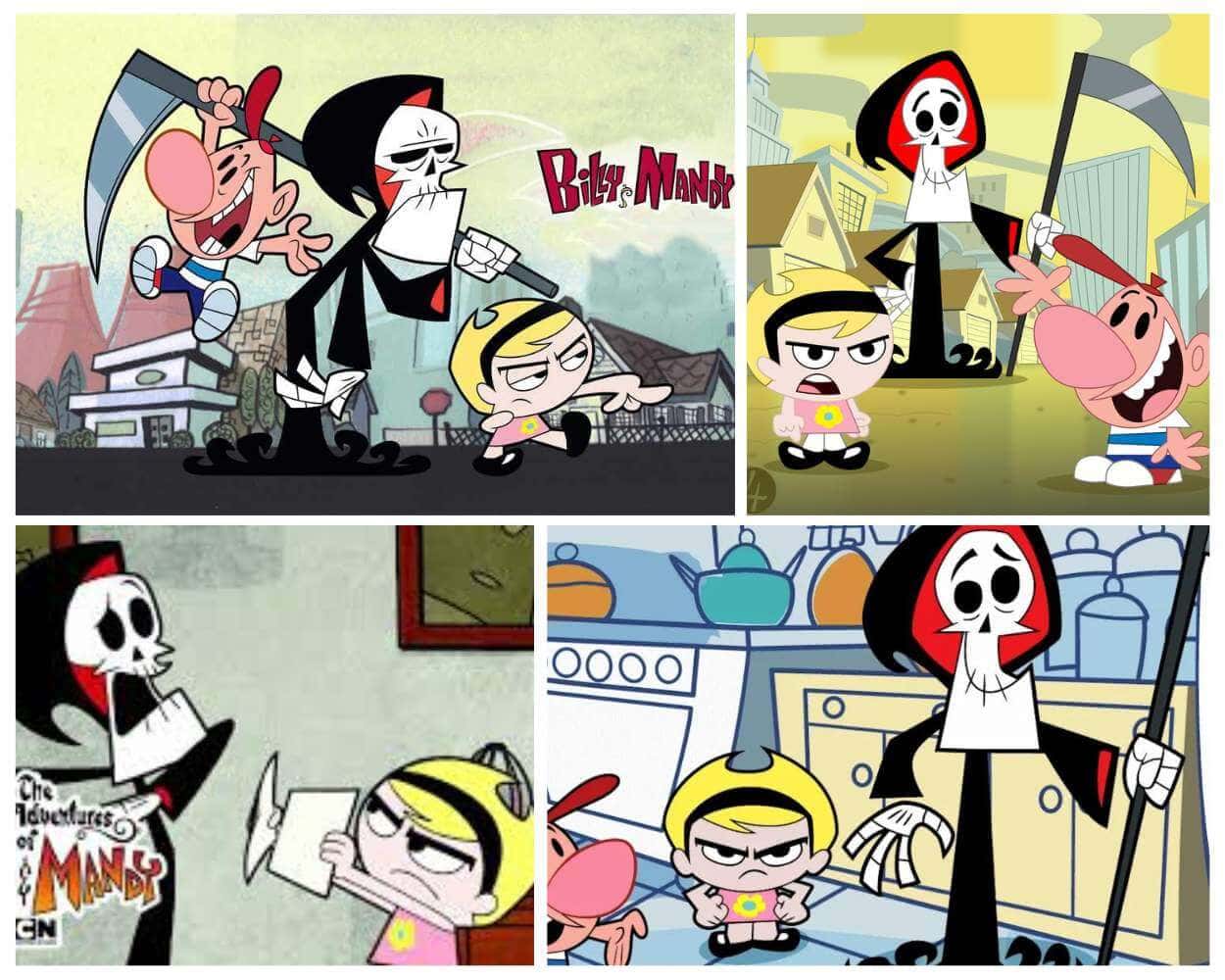
Cartoon Network’s most terrifying small child. Mandy from The Grim Adventures of Billy and Mandy (2003-2007) is a deadpan, cynical, completely fearless little girl who treats the Grim Reaper as her personal servant. Her permanent scowl, simple black-and-pink design, and complete absence of warmth make her one of animation’s all-time great anti-heroes.
Voiced by Grey DeLisle, who has built an entire career out of voicing complicated female cartoon characters. Mandy is one of her best performances.
7Edna Mode (The Incredibles)
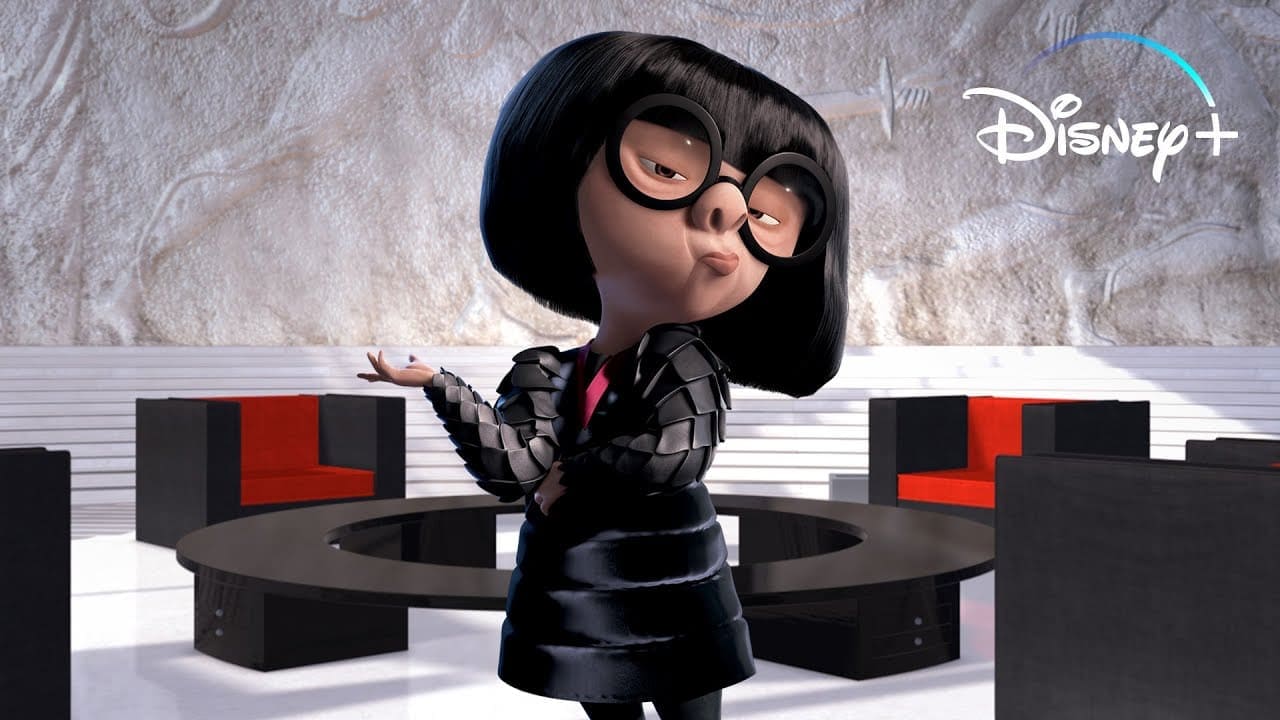
Pixar’s superhero costume designer. Edna Mode from The Incredibles (2004) and Incredibles 2 (2018) is barely four feet tall, dresses in monochrome Issey Miyake-inspired fashion, and runs a global empire of superhero couture from her mountain laboratory. Voiced by Brad Bird himself (the film’s director) doing an iconic vaguely-Eastern-European accent.
“NO CAPES!” remains one of the most quotable Pixar lines in the studio’s history.
8Toph Beifong (Avatar: The Last Airbender)
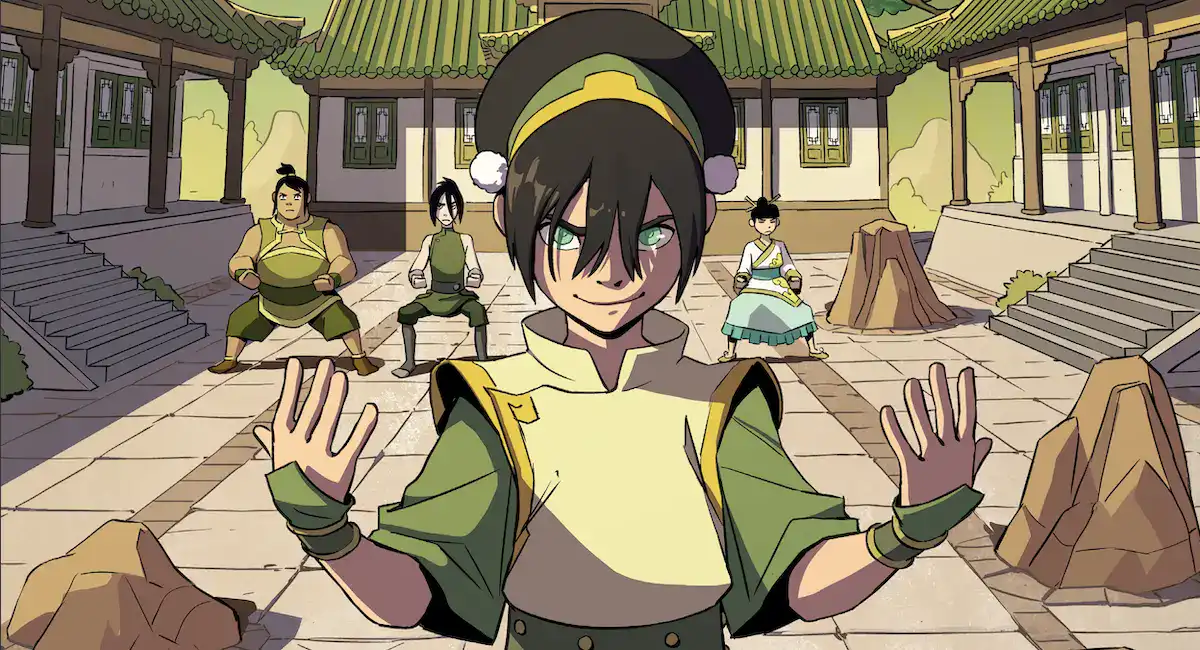
The greatest earthbender of all time, and she’s twelve. Toph from Avatar: The Last Airbender (2005-2008) is small, blind, and the strongest earth-elemental fighter in the entire series. Her introduction in Season 2 immediately changed the show’s dynamic, and her sarcastic teenage attitude paired with her overwhelming combat capability made her instantly iconic.
The 2024 Netflix live-action adaptation gave Toph a brief tease at the end of Season 1, with Season 2 confirmed to fully introduce her. Toph fans have been waiting.
9Velma Dinkley (Scooby-Doo)
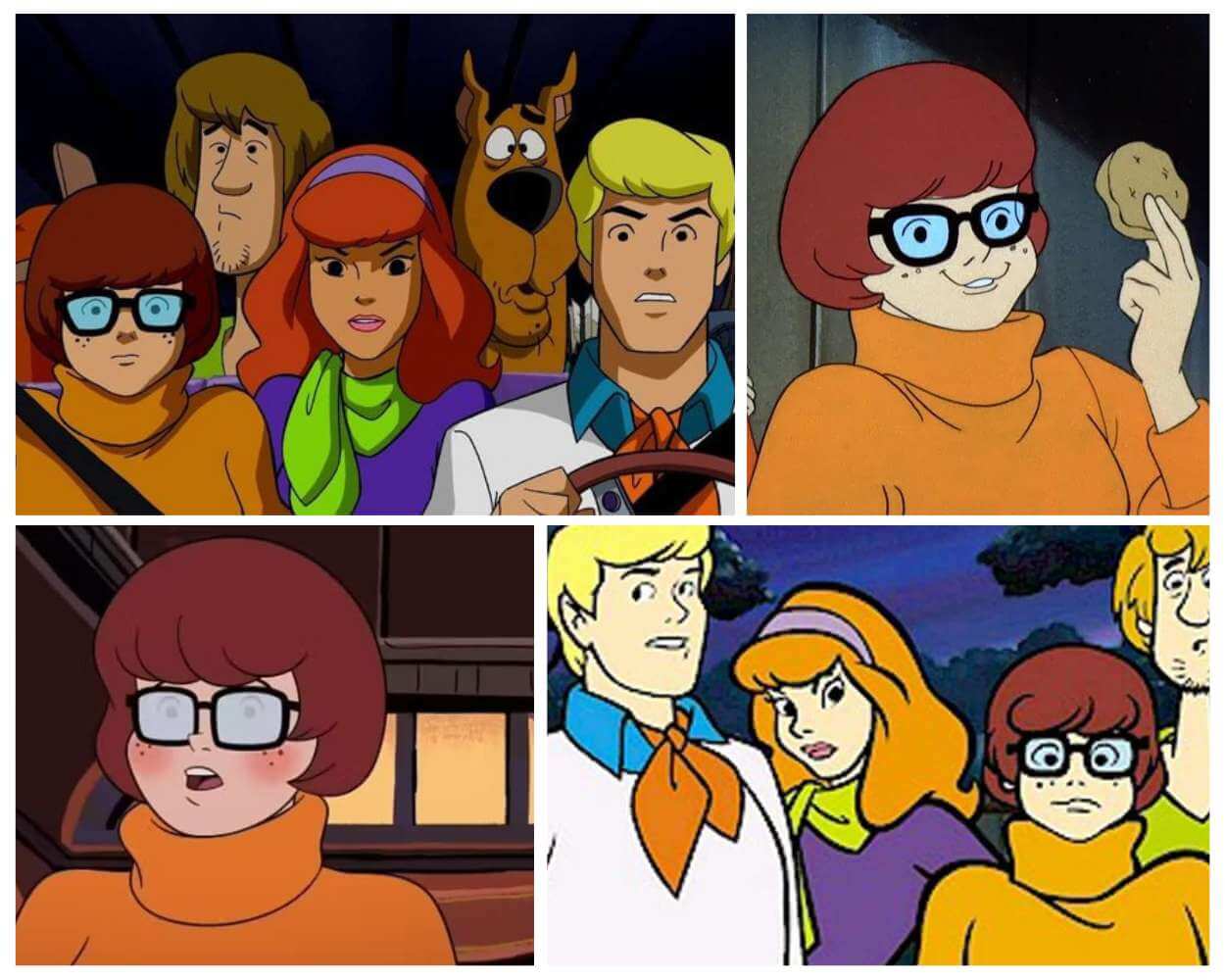
The brains of Mystery Inc. since 1969. Velma’s orange turtleneck, red skirt, knee-high socks, and chunky glasses have been one of animation’s most recognizable silhouettes for over five decades. Her “Jinkies!” catchphrase remains a permanent part of pop culture vocabulary.
The 2022 HBO Max series Velma (controversial reboot voiced by Mindy Kaling) kept the character in active 2020s discussion, for better or worse depending on which fans you ask.
10Dexter (Dexter’s Laboratory)
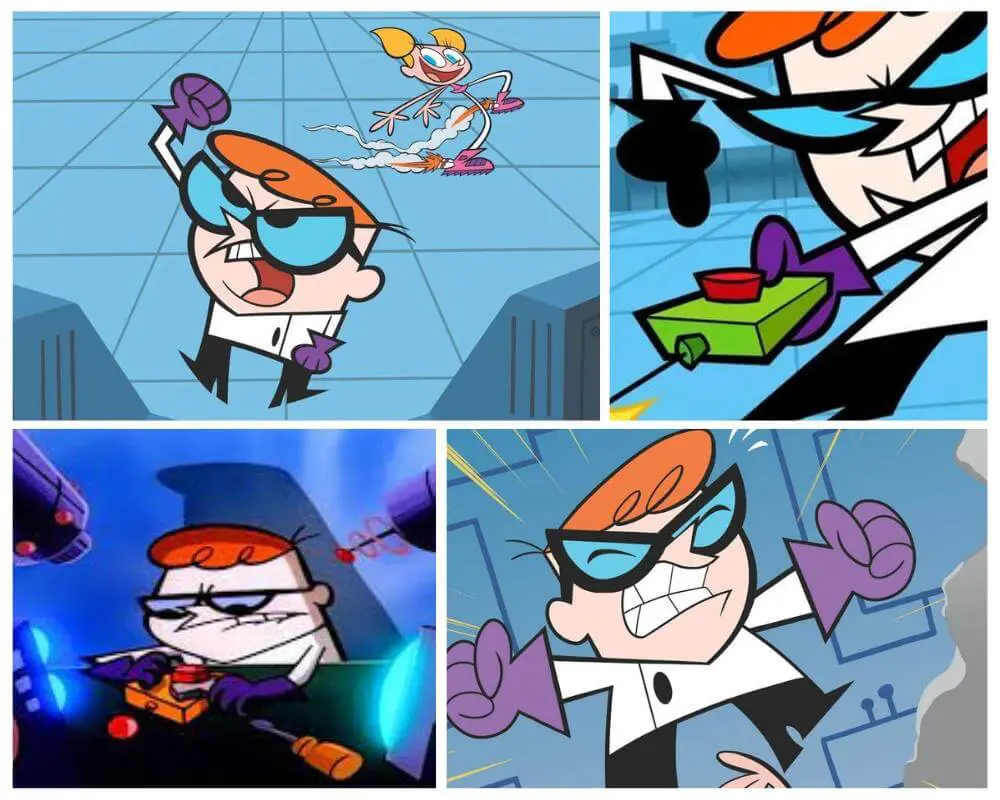
Cartoon Network’s tiny boy genius. Dexter’s Laboratory (1996-2003) follows an elementary-school boy with an entire secret high-tech laboratory hidden in his suburban bedroom. His thick accent, signature lab coat, and constant battles with his sister Dee Dee made him the foundational Cartoon Network protagonist.
The show influenced approximately every Cartoon Network original that came after it. Genndy Tartakovsky (the creator) went on to make Samurai Jack, Hotel Transylvania, and various other major projects.
11Remy (Ratatouille)

Pixar’s rat chef. Remy from Ratatouille (2007) is a tiny rodent with a refined palate and the ambition to be a great French chef. The whole film hinges on the premise that genuine artistic talent can come from anywhere, even a creature most restaurant patrons would consider a health code violation.
The “Anyone Can Cook” philosophy and the scene where Anton Ego eats the title dish and is transported back to his childhood are some of the most quoted moments in modern animation.
12Carl Wheezer (Jimmy Neutron)
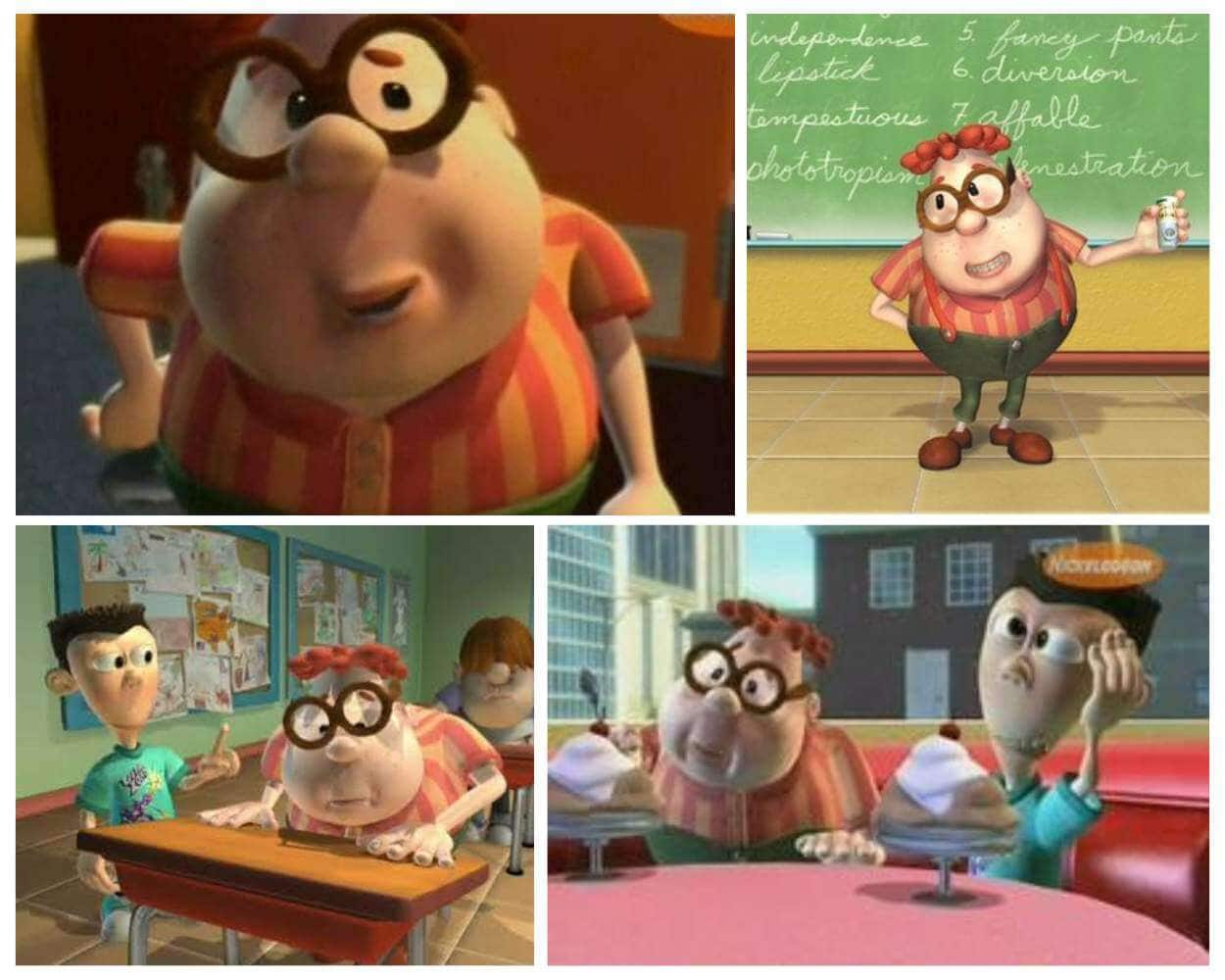
The hypochondriac llama-obsessed sidekick from The Adventures of Jimmy Neutron, Boy Genius. Carl is allergic to almost everything, has an inexplicable but consistent love for llamas, and worships Jimmy’s mom in a way that the show plays for ongoing comedic awkwardness. Voiced by Rob Paulsen, the voice acting legend whose other roles include Yakko Warner, Pinky from Pinky and the Brain, and Throttle from Biker Mice from Mars.
13Vanellope von Schweetz (Wreck-It Ralph)
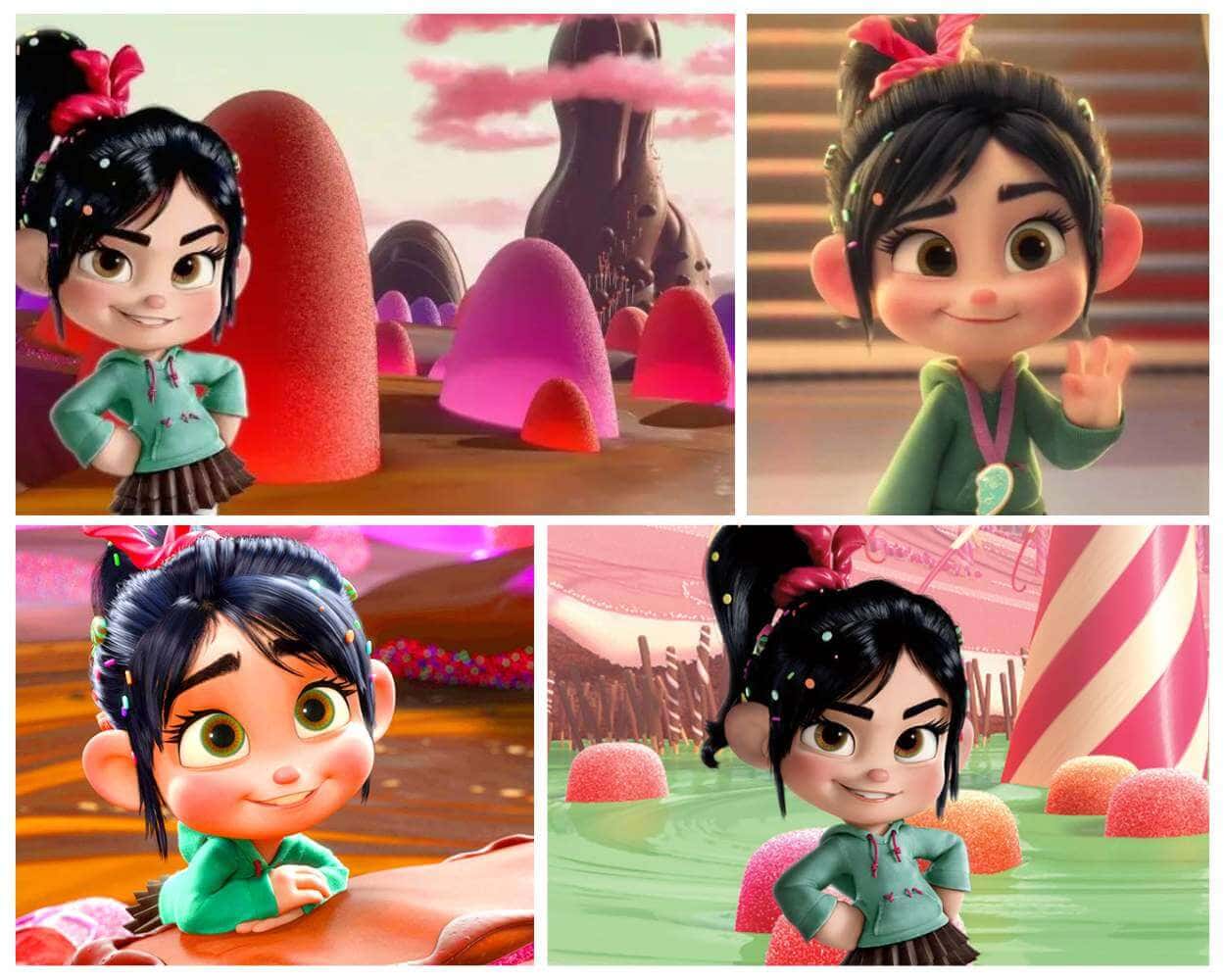
Disney’s pixelated racing princess. Vanellope from Wreck-It Ralph (2012) and Ralph Breaks the Internet (2018) is a small character with a literal glitching condition that turns out to be her secret superpower. Her best-friendship with the much-larger Ralph anchors both films, and her arc from outcast to racing champion is one of Disney’s more satisfying recent character journeys.
Voiced by Sarah Silverman, who brings the right balance of sass and warmth to the role.
14Hiro Hamada (Big Hero 6)
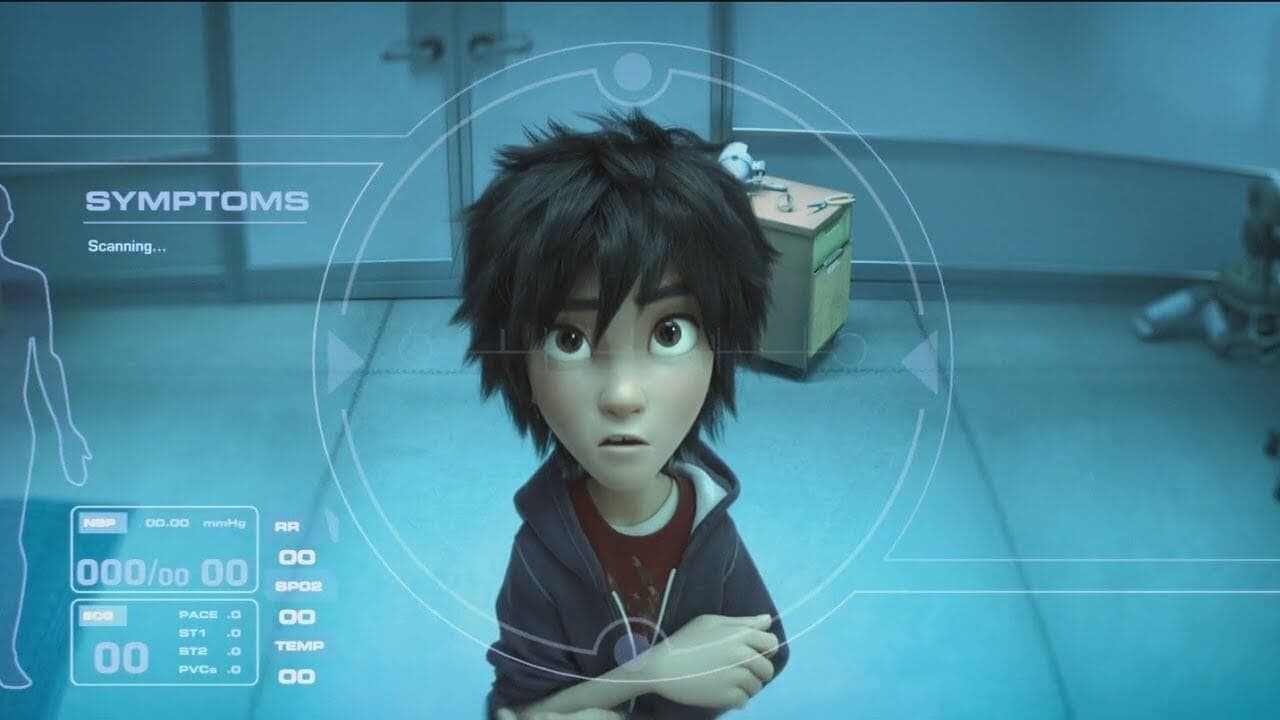
Disney’s 14-year-old robotics prodigy. Hiro from Big Hero 6 (2014) is the unofficial leader of his team and the inventor behind their gear. His relationship with the giant medical robot Baymax is the heart of the film. The Disney+ animated series Big Hero 6: The Series (2017-2021) continued Hiro’s story across three additional seasons.
15Dopey (Snow White and the Seven Dwarfs)
The youngest and shortest of Snow White’s seven dwarfs. Dopey is mute, perpetually optimistic, and consistently the most beloved of the seven across nearly 90 years of Disney history. Snow White and the Seven Dwarfs (1937) was the first feature-length animated film ever made, which makes Dopey one of the oldest still-iconic short cartoon characters in existence.
16Mushu (Mulan)
The small dragon sidekick from Disney’s Mulan (1998), voiced by Eddie Murphy at the absolute peak of his comedic powers. Mushu is technically a “guardian spirit” rather than a full dragon, which is part of the running joke (he’s been demoted from his previous position and is desperate to redeem himself).
2026 context: Mushu was famously absent from Disney’s 2020 live-action Mulan remake (the filmmakers cut him for cultural reasons), and his absence was one of the most-discussed creative choices in that adaptation. The animated 1998 Mushu remains canonical.
17Plankton (SpongeBob SquarePants)
The Krusty Krab’s tiny nemesis. Sheldon J. Plankton from SpongeBob SquarePants (1999 onward) is approximately one inch tall, owns the Chum Bucket restaurant across the street from Mr. Krabs‘s Krusty Krab, and has been trying to steal the Krabby Patty secret formula for over 25 years now. He has never once succeeded.
2025 movie: Netflix’s Plankton: The Movie (2025) finally gave the character his own feature film, exploring the Plankton-Karen relationship in more depth than any previous SpongeBob content. The character is having a real moment in 2026.
18WALL-E
Pixar’s small trash-compacting robot from WALL-E (2008). WALL-E is roughly cube-shaped, makes a limited range of beeps and binary sounds, and somehow carries one of the most emotionally weighted opening sequences in any animated film. He’s small in the physical sense and enormous in the cinematic sense.
19Milhouse Van Houten (The Simpsons)
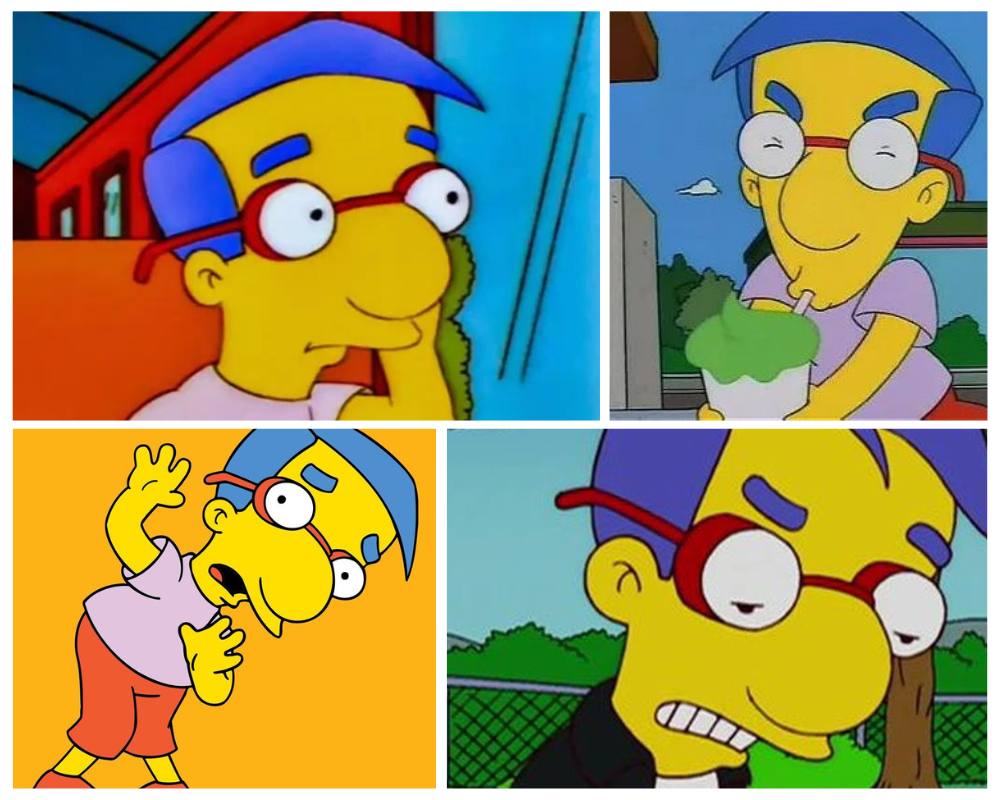
Bart Simpson’s perpetually hapless best friend. Milhouse has been part of The Simpsons since 1989, which means he’s been simultaneously 10 years old AND a witness to four decades of Simpsons history. The blue hair, red-framed glasses, eternally awkward presence, and crush on Lisa make him a defining sidekick of American animation.
20Piglet (Winnie the Pooh)
The smallest of Pooh Bear’s friends. Piglet has been part of A.A. Milne’s Hundred Acre Wood since 1926 (in the original books) and has appeared in essentially every Winnie the Pooh adaptation since the 1960s Disney animation. He’s anxious, loyal, and consistently brave despite his tiny size, which is the whole point of the character.
21Russell (Up)
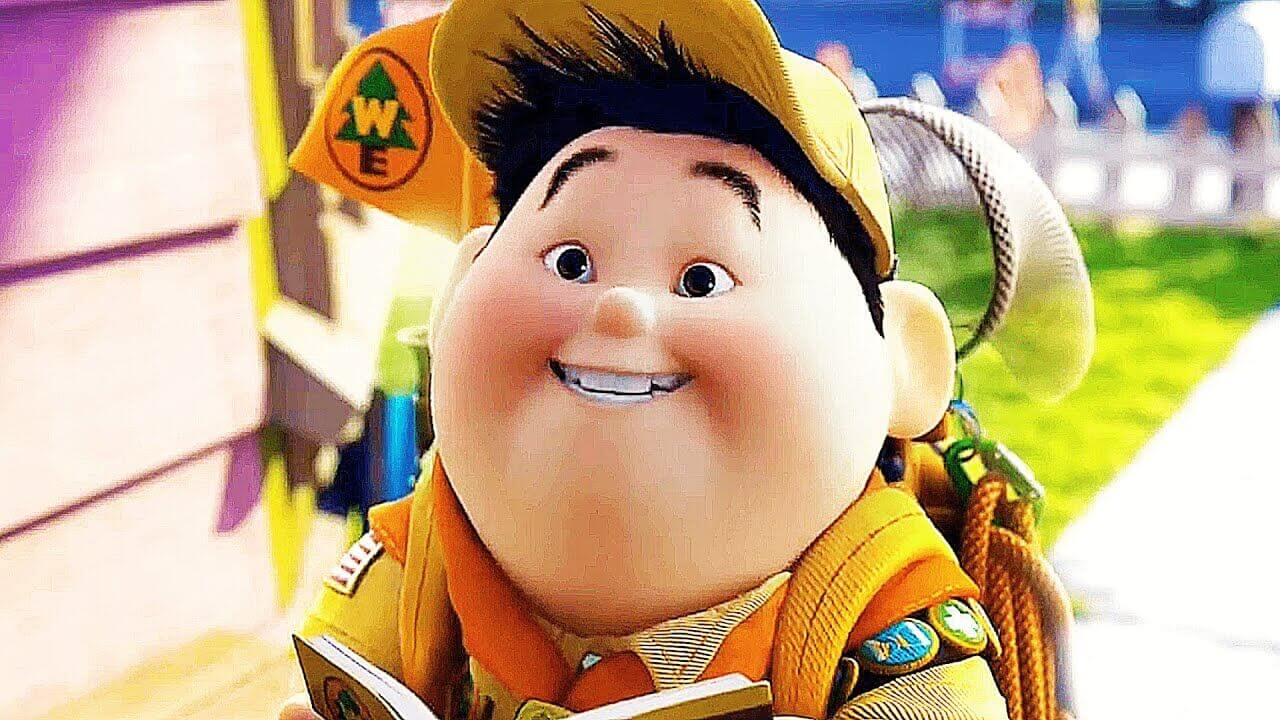
The young Wilderness Explorer from Up (2009). Russell is roughly 8 years old, enthusiastic to the point of breathlessness, and accidentally accompanies Carl Fredricksen on his entire journey to South America. The Russell-Carl dynamic is the emotional heart of the film, and Russell’s earnestness is what gradually thaws Carl’s grief.
Honorable Mentions
Plenty of short cartoon characters deserve mentions even if they didn’t make the main 20:
- Bubbles, Blossom, and Buttercup from The Powerpuff Girls, who are kindergarteners with superpowers
- Pebbles Flintstone from The Flintstones, a Stone Age toddler with iconic bone-hair accessories
- Perry the Platypus from Phineas and Ferb, a small secret-agent platypus
- Gus Gus from Cinderella, the round chubby mouse
- Hobbes from Calvin and Hobbes, a small stuffed tiger to everyone but Calvin
- Puss in Boots from Shrek and his own franchise, a small cat with the spirit of a swordsman
- Scrappy-Doo from Scooby-Doo, the tiny puppy with the loud “Puppy Power!”
- Elmer Fudd from Looney Tunes, the short bald hunter pursuing Bugs Bunny
- Nemo from Finding Nemo, a small clownfish on a giant adventure
- Boo from Monsters, Inc., the toddler who calls Sulley “Kitty”
- Stuart Little from the live-action/CGI films, a mouse adopted by a human family
- The Smurfs, an entire society of three-apple-tall blue creatures
- Yoda from the Star Wars animated series, and Grogu (Baby Yoda) from The Mandalorian
- Lord Farquaad from Shrek, the famously short antagonist
- Mighty Mouse, the original tiny superhero from the 1940s
Why Short Cartoon Characters Work So Well
Animation has always favored short characters for several practical and creative reasons:
- Easier silhouette readability. A small character with distinctive features is easier to identify at a glance than a more realistically proportioned figure.
- Stronger contrast in ensembles. Putting a tiny character next to a tall one creates immediate visual comedy and dramatic possibilities.
- Built-in vulnerability. Small characters can be put in danger more easily than larger ones, which raises stakes naturally.
- Better merchandising. Short, distinctive characters translate to plush toys, keychains, and stickers more reliably than complex realistic ones.
- Audience identification. Children especially identify with small characters who are dealing with a world built for larger people.
The 2020s Short Character Renaissance
What changed: The 2020s have seen massive financial success for short cartoon characters at the box office and in merchandising. The Minions franchise grossed nearly $5 billion across multiple films. Olaf became the Frozen franchise’s most-merchandised single character. Grogu (Baby Yoda) drove Disney+ subscription growth almost single-handedly. The 2020s have proven that “small cute cartoon character” is one of the most commercially valuable creative archetypes in entertainment.
Where to Watch These Short Heroes
As of 2026:
- Disney+: Olaf, Edna Mode, Vanellope, Hiro Hamada, Mushu, Dopey, Russell, Mike Wazowski, Remy, WALL-E
- Netflix: The Minions (Despicable Me franchise), Plankton: The Movie
- Hulu: The Simpsons (Milhouse), various Family Guy seasons (Stewie)
- Max/HBO: Cartoon Network classics including Dexter’s Laboratory and The Grim Adventures of Billy and Mandy
- Paramount+: SpongeBob SquarePants (Plankton)
- Apple TV+: Peanuts content (Charlie Brown specials)
The Short Cartoon Character Legacy
The honest take: Some of the most successful animated characters of the last 75 years have been short. Charlie Brown built an empire that’s still running. Stewie Griffin has been carrying Family Guy for over two decades. The Minions are a generational merchandising phenomenon. Edna Mode is genuinely one of Pixar’s most iconic supporting characters despite minimal screen time. Toph might be the most popular character in Avatar’s entire ensemble. Animation has always known that small characters with big personalities are some of the most enduring designs in the medium.
So, who’s your favorite short cartoon character, and which one on this list still makes you laugh after years? For me, Stewie carries Family Guy, Edna Mode is the most quotable Pixar supporting character ever made, and the Minions just refuse to lose. Tell me yours.