I love long-running anime as much as anyone, but here’s the truth: I don’t have time to start a 366-episode Bleach watch when I’m not sure I’ll commit. And neither do most people getting into anime in 2025. The medium has a serious accessibility problem because so many of its most-recommended series demand a hundred-plus-hour commitment before they pay off.
This is why short anime is so valuable. Twelve episodes is a weekend. Thirteen episodes is one good Saturday with snacks. Six episodes is one evening. And the best short anime aren’t compromises. They’re shows that benefited from the constraint, used their limited runtime efficiently, and arrived at conclusions that would have been ruined by longer runs.
Below are 21 of the best short anime series I’ve watched, organized roughly from “can finish in a single sitting” to “will take you a full weekend.” If you’re an anime curious newcomer or an existing fan looking for something you can actually finish, start here.
One Sitting (Under 8 Hours)
These shows will fit into a single evening or a long lazy Sunday. Six to ten episodes total.
FLCL (6 episodes, 2000-2001)

The most chaotic 3 hours of animation ever produced. Created by Kazuya Tsurumaki at Gainax and Production I.G in 2000-2001. The premise is essentially incomprehensible: 12-year-old Naota’s small town is invaded by an alien named Haruko who hits him with a bass guitar, after which robots begin emerging from his head.
The show works because it commits absolutely to its own chaotic logic. The Pillows soundtrack is one of the best in anime history. The animation is gorgeous. If you watch FLCL trying to follow the plot, you’ll be lost. If you watch FLCL surrendering to its energy, you’ll have one of the best three hours of your life. Sequel series FLCL Progressive (2018) and FLCL Alternative (2018) followed years later.
Devilman Crybaby (10 episodes, 2018)

Masaaki Yuasa‘s Netflix anime, produced by Science Saru in 2018. The show is a hyper-violent, emotionally devastating modernization of Go Nagai‘s 1972-1973 Devilman manga. Akira Fudo becomes Devilman through fusion with the demon Amon, and the resulting power and changes destroy everything around him.
Devilman Crybaby is not for everyone. The violence is extreme, the sexual content is explicit, the ending will leave you staring at the ceiling for hours. But it’s one of the most ambitious anime productions of the streaming era and finishes a complete narrative in 10 episodes. Yuasa is one of the great contemporary anime directors (he also made Ping Pong the Animation and The Tatami Galaxy).
She and Her Cat: Everything Flows (4 episodes, 2016)

The 4-episode expansion of Makoto Shinkai‘s 1999 student short film of the same name. Liden Films produced this version in 2016, narrated from a cat’s perspective as he describes his daily life with his quiet female owner. The original 5-minute short is also worth watching.
This is Shinkai before he became famous for Your Name (2016) and Weathering with You (2019). His signature mood (gentle melancholy, beautiful suburban landscapes, focus on quiet emotional moments) is fully present in this small form.
One Weekend (12-13 Episodes)
The standard length for prestige anime in the streaming era. These will take you a focused weekend.
Erased (12 episodes, 2016)

Kei Sanbe‘s manga adapted by A-1 Pictures in 2016. The premise: struggling manga artist Satoru Fujinuma has the involuntary ability to be sent back in time when something terrible is about to happen. When his mother is murdered, the ability sends him back 18 years to his childhood, where he must prevent the abduction and murder of a classmate that started the chain of events.
Erased is one of the rare mystery anime where the mystery actually works. The 12-episode runtime forces every plot beat to count. The animation, the soundtrack by Yuki Kajiura, and the emotional stakes all land. Easily one of the best short anime of the 2010s. A live-action Netflix adaptation in 2017 was decent but couldn’t match the original.
Death Parade (12 episodes, 2015)
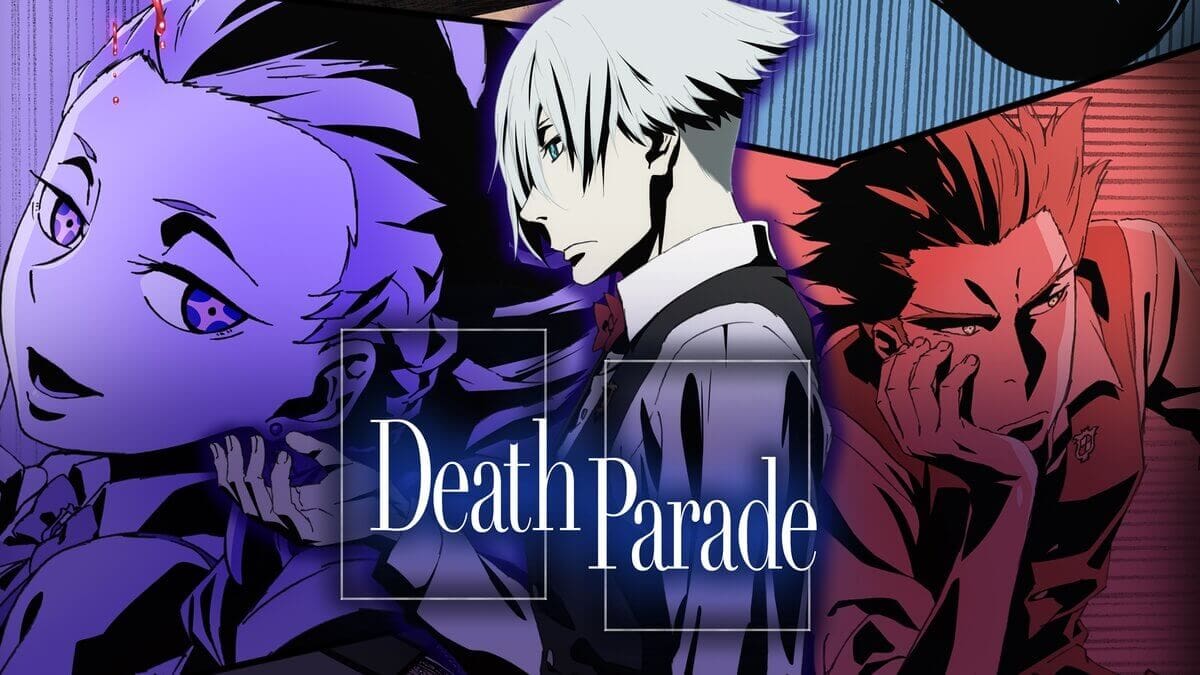
Yuzuru Tachikawa‘s Madhouse anime, expanded from his 2013 Death Billiards short. The setup: dead souls find themselves at the Quindecim, a mysterious bar where the bartender Decim makes them play games (darts, billiards, bowling, twister) to determine their fate (reincarnation or void).
What sounds gimmicky becomes one of the best character studies in modern anime. Each episode reveals new aspects of the people playing the games and the staff judging them. The closing montage of the final episode is genuinely moving. The opening sequence is also probably the best in 2010s anime, full stop.
Saga of Tanya the Evil / Youjo Senki (12 episodes, 2017)

Carlo Zen‘s light novels adapted by NUT in 2017. A Japanese salaryman is reincarnated as Tanya Degurechaff, a small girl in an alternate-WWI Europe with magic-powered military units. The catch: she retains her ruthless capitalist worldview from her past life and is determined to climb the military ranks through pragmatism and exploitation.
The aerial combat sequences are unusual for anime because they’re structured like real WWI dogfights rather than typical shonen action. The 2019 sequel film Saga of Tanya the Evil: The Movie continued the story. A second season has been announced multiple times but hasn’t materialized as of 2025.
Anohana (11 episodes, 2011)

Mari Okada‘s anime, produced by A-1 Pictures in 2011. The story: a group of childhood friends drifted apart after their friend Menma died in an accident years earlier. Now in high school, Menma’s ghost appears to Jinta and asks him to help fulfill her last wish. The catch: only Jinta can see her.
Anohana is one of the most emotionally devastating short anime ever made. The 11-episode runtime is exactly right for the story it’s telling. The 2013 film and the 2015 live-action adaptation both followed. If you watch this without crying, you might want to check your pulse.
Charlotte (13 episodes, 2015)

Jun Maeda‘s original anime, produced by P.A. Works in 2015. Maeda is the writer behind Clannad, Angel Beats!, and Air (all Key Visual Arts works). Charlotte follows Yuu Otosaka, a teen with the ability to temporarily possess other people’s bodies, who gets recruited into a school for teens with similar limited supernatural powers.
The show starts as a slightly comedic school anime and gradually transforms into something much heavier. Maeda’s signature emotional manipulation is in full effect. The 13-episode runtime is fine but feels rushed in places. Worth watching for fans of Maeda’s other works.
Yuri!!! on Ice (12 episodes, 2016)
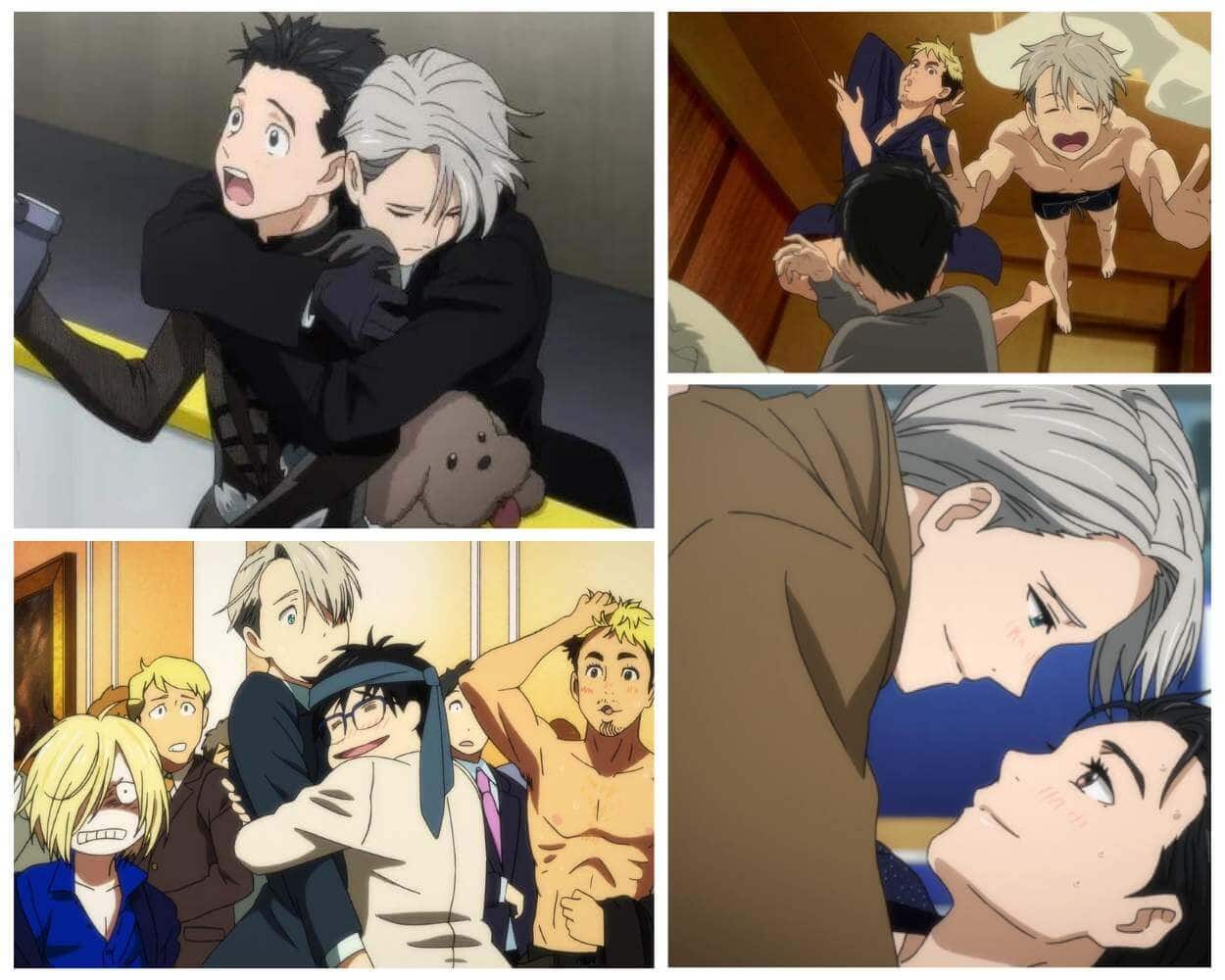
Sayo Yamamoto‘s figure skating anime, animated by MAPPA with manga writer Mitsurou Kubo. Yuuri Katsuki is a struggling Japanese figure skater whose career may be ending until five-time world champion Victor Nikiforov flies to Japan and decides to coach him.
Yuri!!! on Ice was groundbreaking for sports anime in its treatment of a same-sex relationship as the show’s emotional core rather than as subtext. The actual figure skating animation is also exceptional. A film continuation was announced years ago but has remained in development limbo. Episode 7 contains the famous kiss scene that became one of the most-discussed moments in 2010s anime.
No Game No Life (12 episodes, 2014)
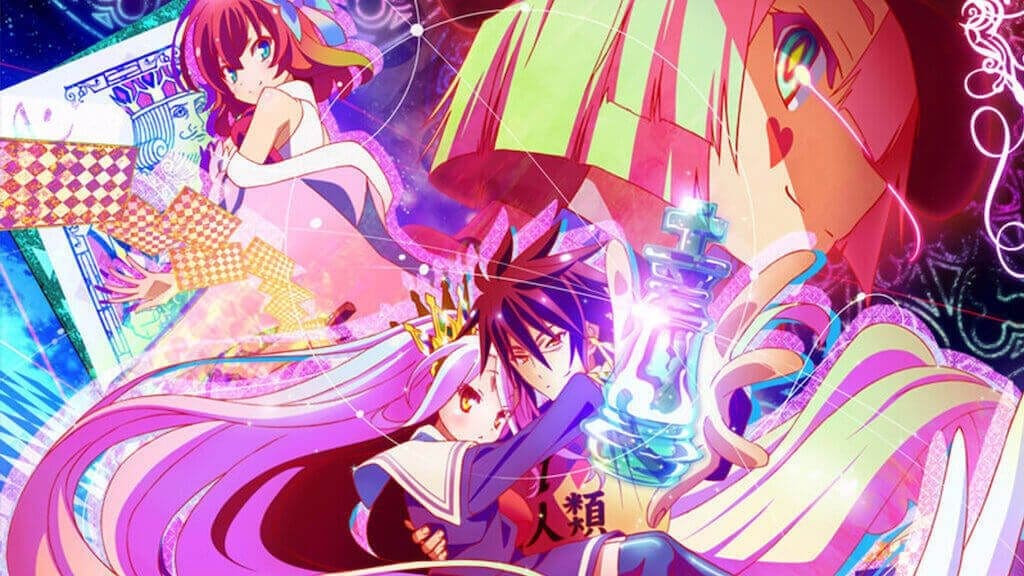
Yuu Kamiya‘s light novels adapted by Madhouse. Hikikomori sibling gaming geniuses Sora and Shiro get summoned to the world of Disboard, where all conflicts (including wars) are resolved through games. They proceed to challenge the actual gods of this world.
The 2014 anime was so successful it spawned the 2017 prequel film No Game No Life: Zero. A second season has been rumored for years but never materialized. The show’s vibrant color palette and high-energy game-show pacing make it one of the most distinctive isekai anime of the 2010s.
O Maidens in Your Savage Season (12 episodes, 2019)

Mari Okada‘s manga adapted by Lay-duce in 2019. Five girls in their high school’s literature club discuss what they want to do before they die, leading to extended explorations of adolescent identity, sexuality, and what genuine intimacy actually means. The show is wholesome about its subject matter while being genuinely unflinching about teen experiences.
This is the rare anime that takes adolescent female experiences seriously rather than treating them as plot devices. Single season, 12 episodes, treats its source material as completely as the format allows.
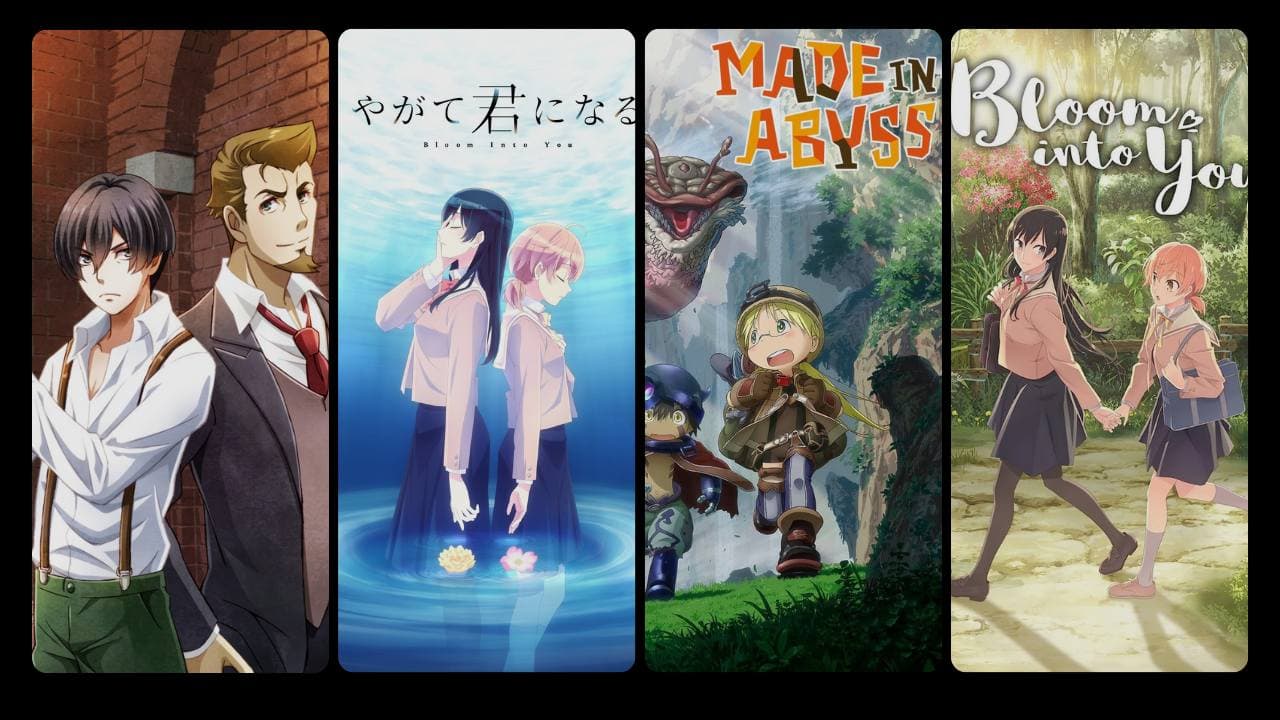
Bloom Into You (13 episodes, 2018)

Nio Nakatani‘s manga adapted by TROYCA in 2018. The story: high school first-year Yuu has always wanted to feel the kind of love she reads about in shoujo manga, but when classmates confess to her, she feels nothing. When student council president Touko Nanami confesses to her, something different happens.
Bloom Into You is one of the best yuri anime ever made. The 13-episode adaptation covers roughly half the manga, leaving the most dramatic story arcs unanimated. The manga continues for several more volumes worth reading after the anime ends. Worth watching for genuine LGBTQ+ representation and gorgeous animation.
Daily Lives of High School Boys (12 episodes, 2012)
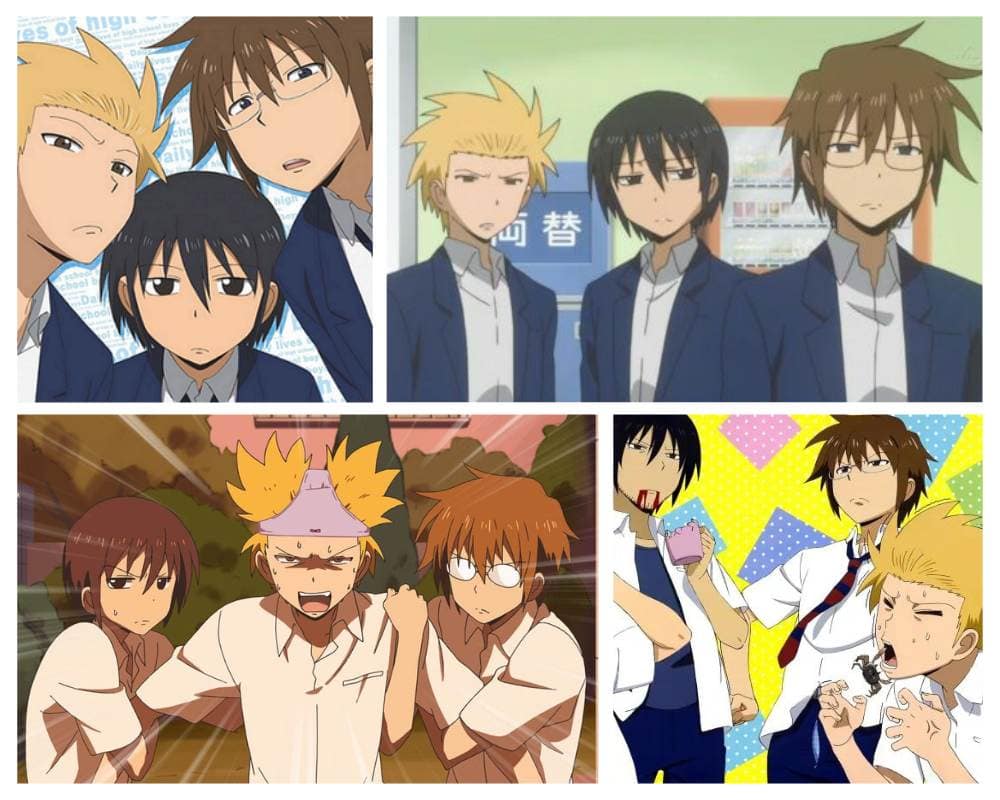
Yasunobu Yamauchi‘s manga adapted by Sunrise in 2012. The show is a collection of short comedy sketches about three high school boys (Tadakuni, Hidenori, and Yoshitake) and their absurd everyday lives. Each episode contains 4-6 standalone sketches with recurring characters.
Daily Lives of High School Boys is one of the funniest anime ever made. The comedy comes from how the boys treat completely mundane things (riverbank conversations, fast food orders, after-school walks) as dramatic events. Each sketch is fast, punchy, and self-contained. If you want pure comedy, this is the show.
Sweetness and Lightning (12 episodes, 2016)
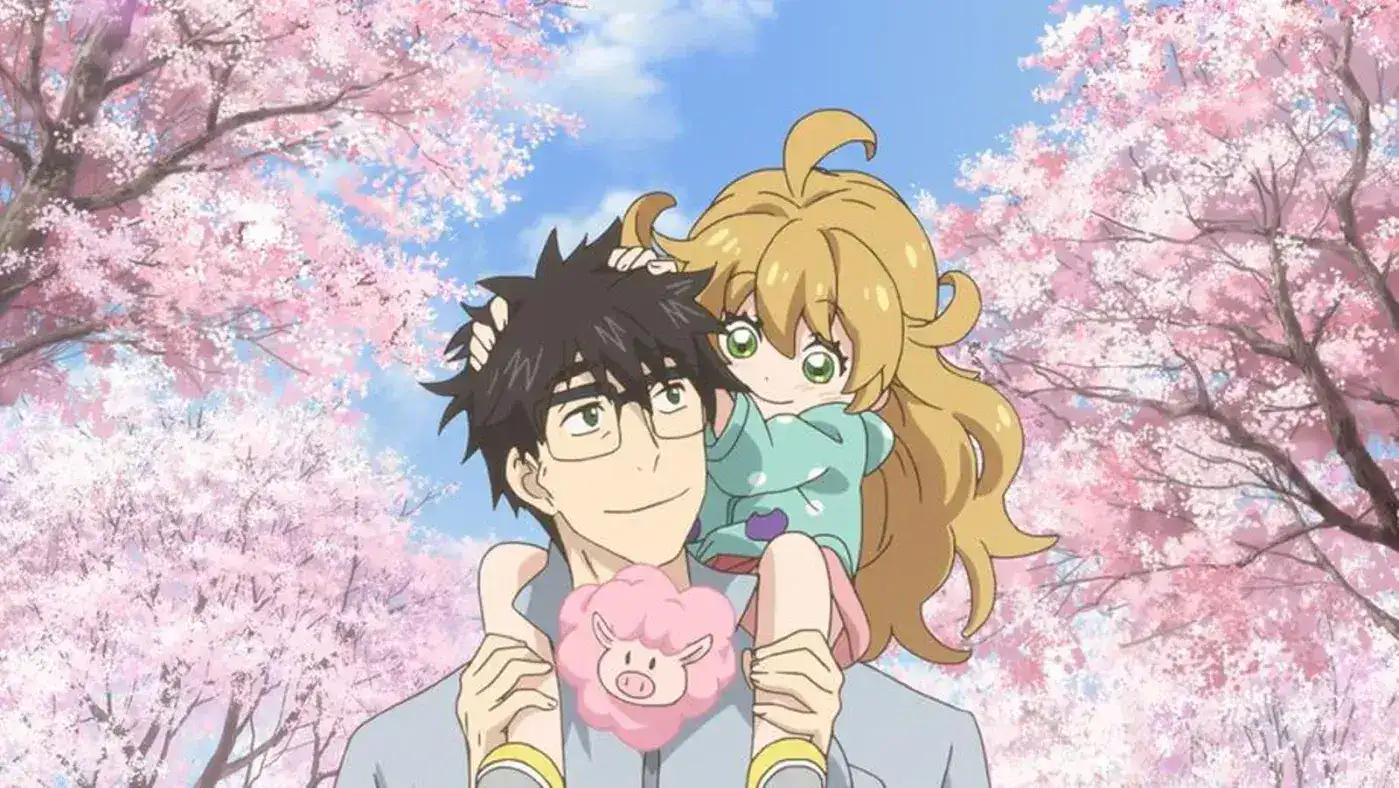
Gido Amagakure‘s manga adapted by TMS Entertainment. Widowed high school teacher Kohei Inuzuka struggles to cook for his 5-year-old daughter Tsumugi after his wife’s death. They begin cooking together with the help of his student Kotori Iida, whose mother is also a chef.
The show is genuinely heartwarming food anime that uses cooking as a way to explore grief and rebuilding. Tsumugi is one of the most authentically-written young children in anime. Worth watching for fans of slice-of-life food anime like Restaurant to Another World or Food Wars.
91 Days (12 episodes, 2016)

Studio Shuka’s 2016 original anime, set in a fictional Italian-American Prohibition-era town called Lawless. Avilio Bruno returns to Lawless seven years after his family was murdered in a mafia feud and infiltrates the murderers’ family to plan his revenge.
91 Days is essentially an animated noir. The 12-episode runtime is exactly right for the kind of measured, character-driven revenge story it’s telling. Stylish animation, period-appropriate jazz soundtrack, mature treatment of its themes. Recommended for fans of Boardwalk Empire or The Godfather who haven’t tried anime.
Made in Abyss (13 episodes, 2017)
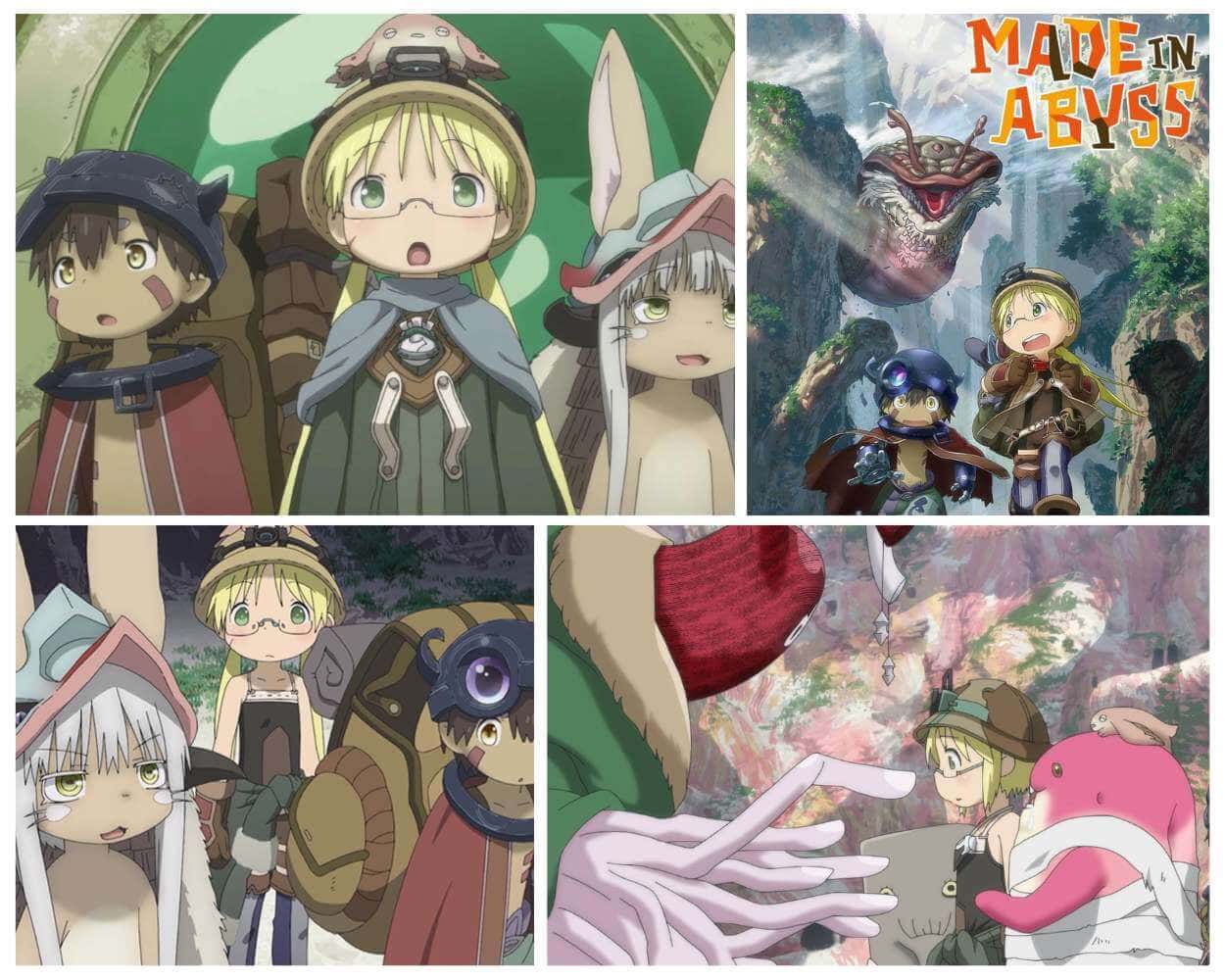
Akihito Tsukushi‘s manga adapted by Kinema Citrus in 2017. Twelve-year-old Riko explores the mysterious pit called the Abyss with her robot friend Reg. The show begins with the bright art style of a kids’ adventure show and gradually reveals one of the most disturbing fantasy worlds in animation.
Made in Abyss is essential watching for serious anime fans. The 2019-2020 Dawn of the Deep Soul film and the 2022 second season continued the story, both of which contain some of the most genuinely disturbing content in the medium. The show is gorgeous, ambitious, and not at all for casual viewing despite its initially-cheerful art style.
Katanagatari (12 episodes, 2010)

NisiOisiN‘s light novel series (same author as the Monogatari franchise) adapted by White Fox. Each of the 12 episodes is 50 minutes long (twice typical anime length) and focuses on Shichika Yasuri (a martial artist whose body is itself a weapon) and Togame (a strategist) hunting down one of twelve legendary “Deviant Blades.”
Katanagatari is unique among short anime because each episode is essentially a self-contained movie. The 12 doubled-length episodes mean you’re committing to roughly the same total runtime as a typical anime season, but the structure is unusual. Beautiful visual style, dense dialogue, satisfying conclusion.
Juni Taisen: Zodiac War (12 episodes, 2017)

Another NisiOisiN adaptation, this time by studio Graphinica in 2017. Every twelve years, twelve warriors representing the Chinese zodiac engage in a battle royale tournament where the winner is granted any wish. The show structures each episode around a specific zodiac warrior, with the eventual victor known to viewers from early episodes.
The structure (one episode per warrior, mostly told in flashback) means the show feels almost like an anthology series with a connecting battle thread. Some episodes are better than others. The animation quality is consistent throughout.
Angel Beats! (13 episodes, 2010)
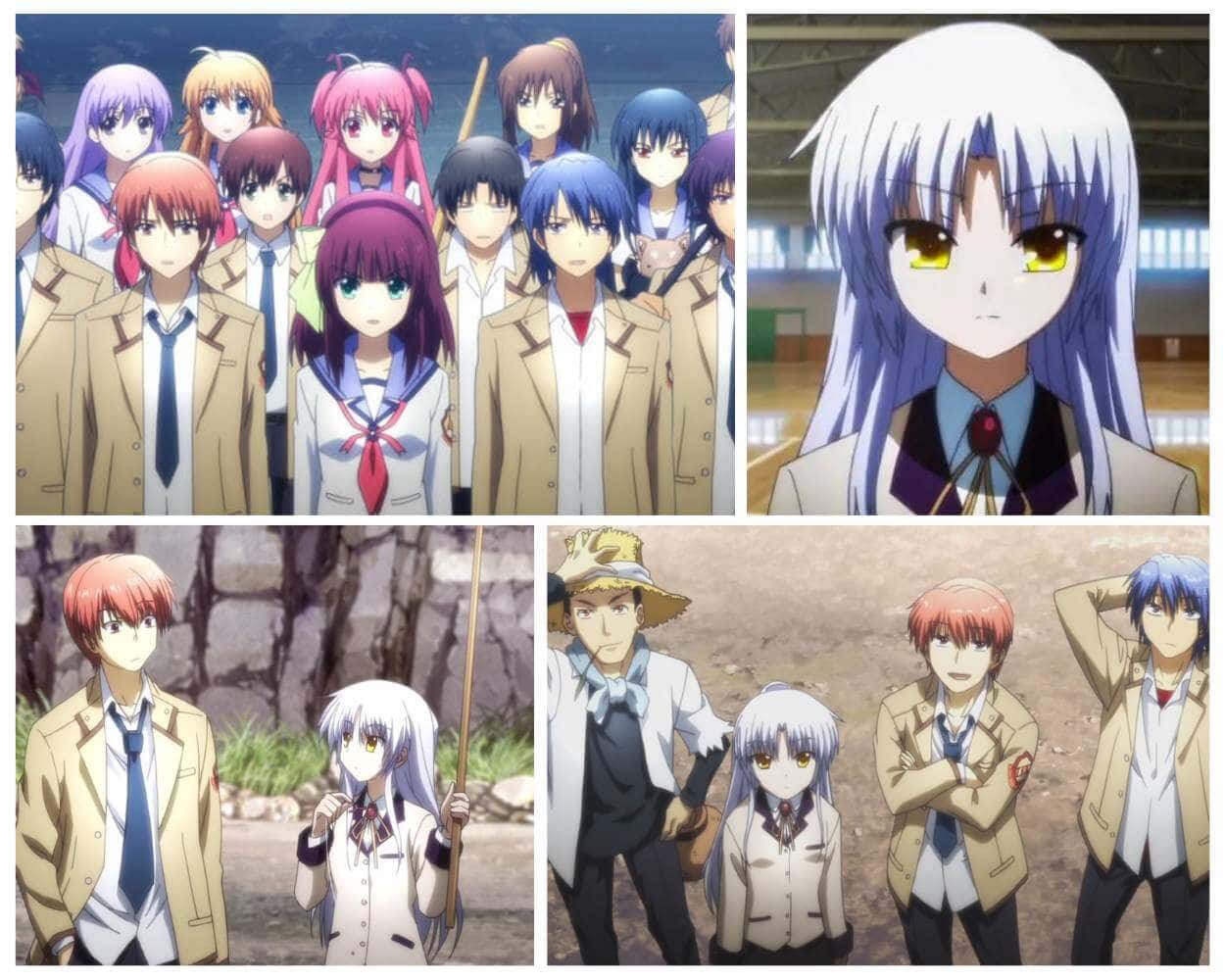
Jun Maeda‘s original anime, produced by P.A. Works in 2010. The setting: an afterlife purgatory shaped like a high school, where students who died unjustly form a resistance against the mysterious entity they call “Angel” (actually Kanade Tachibana, the student council president).
Angel Beats! is one of Maeda’s most emotionally efficient works. The 13-episode runtime forces the show to keep moving, even when the source material would have benefited from more development time. The opening “My Soul, Your Beats!” is one of the most beloved anime OPs of the 2010s. Worth watching for Key fans.
The Tatami Galaxy (11 episodes, 2010)
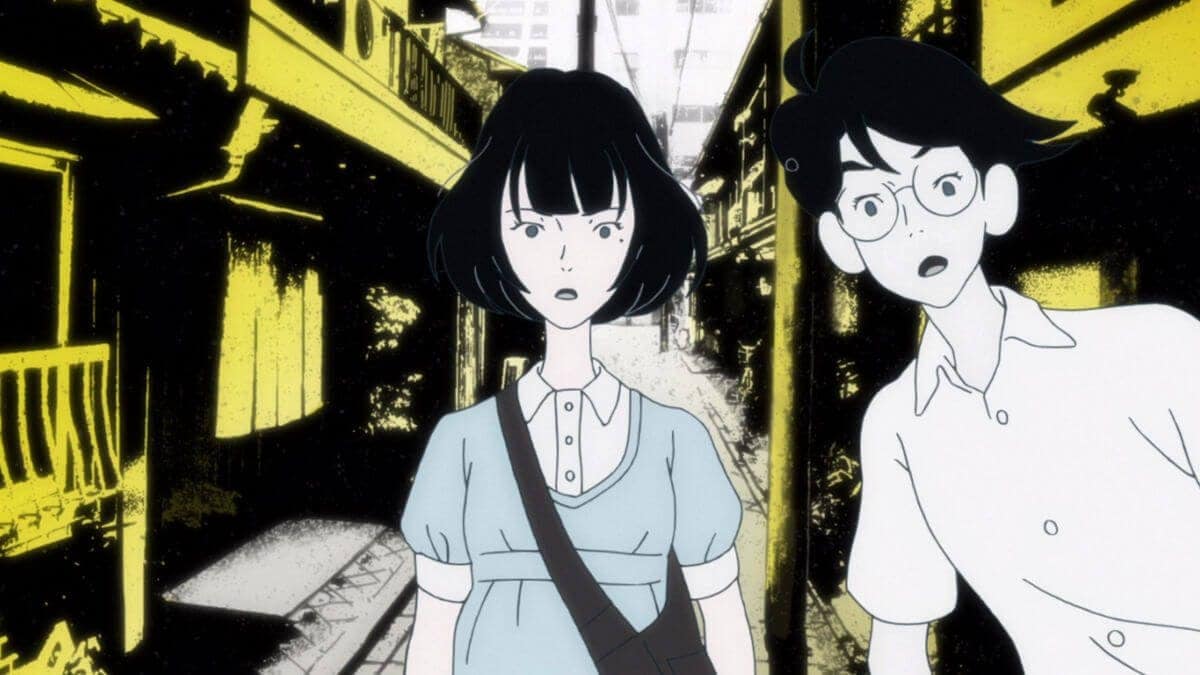
Tomihiko Morimi‘s novel adapted by Masaaki Yuasa at Madhouse in 2010. An unnamed college student in Kyoto attempts to live his ideal college life across parallel timelines, each ending in the same kind of disappointment despite the different choices he made.
The Tatami Galaxy is one of the most distinctive anime productions of the 2010s. The rapid-fire narration, the experimental art style, the philosophical commitment to its central question (does any version of our life lead to genuine happiness?) make it essential viewing for serious anime fans. The 2022 sequel series Tatami Time Machine Blues continued the story.
Kino’s Journey (13 episodes, 2003)
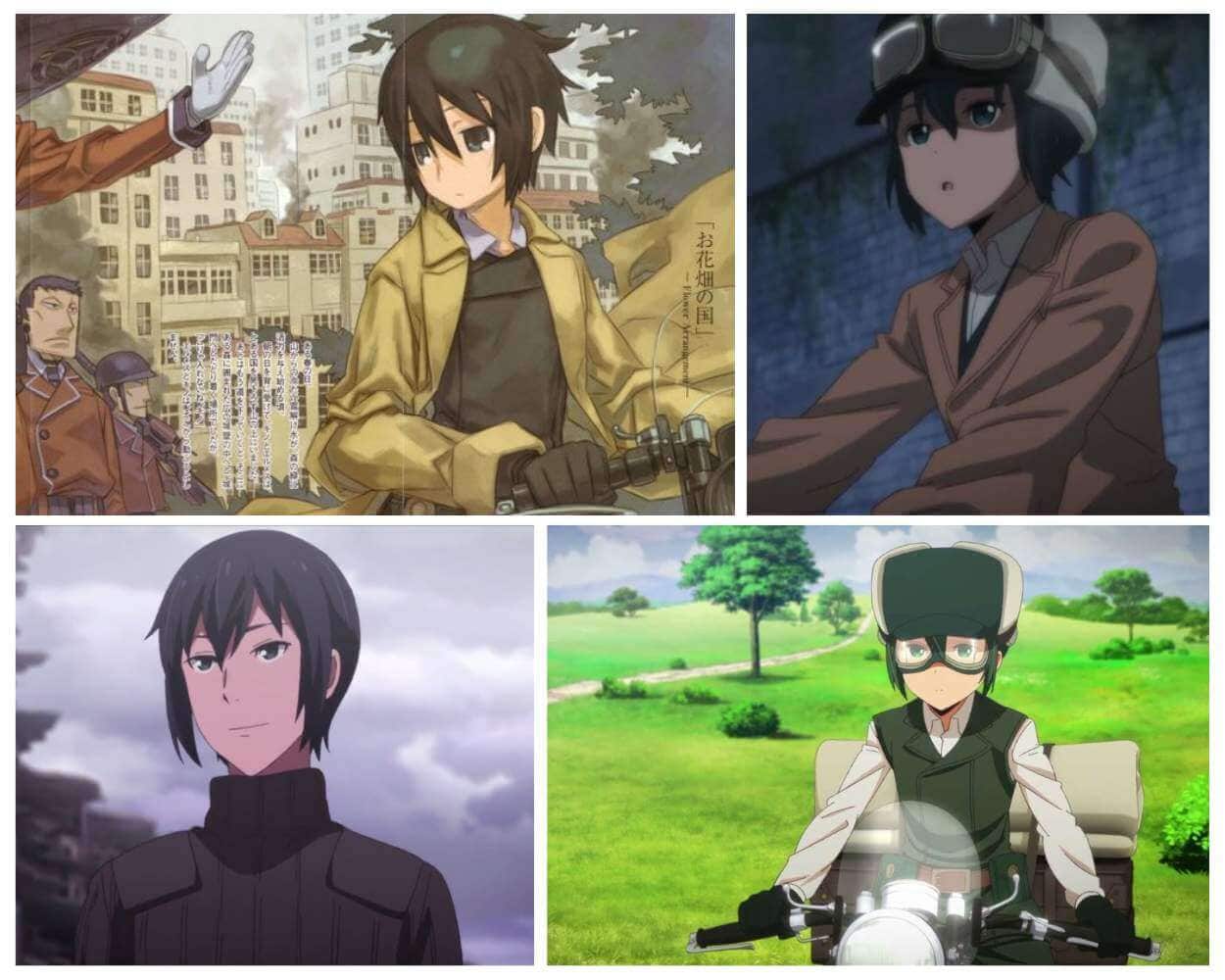
Keiichi Sigsawa‘s light novel series adapted by A.C.G.T in 2003 (with a 2017 reboot by Lerche). The show follows Kino, a young traveler accompanied by their talking motorcycle Hermes, as they spend three days each in various countries with strange laws or customs.
Kino’s Journey is philosophical anthology anime at its best. Each three-day visit explores some moral, political, or social question. The original 2003 anime is the more contemplative version. The 2017 reboot is more visually polished but covers similar ground.
Truly Short (OVAs and Shorts)
These are sub-7-episode works, OVAs, or specials. Often more cinematic in feel than typical TV anime.
Voices of a Distant Star (1 episode, 2002)

Makoto Shinkai‘s 25-minute 2002 short film, made almost entirely by himself on his home computer over seven months. The story: a young boy and girl are separated when she joins a UN expedition to the Tau Ceti star system. Her text messages take longer and longer to reach him as her ship travels farther from Earth.
Voices of a Distant Star is the work that established Shinkai as a major filmmaker. The animation quality is rough by professional standards because it was made by one person, but the emotional core is the same one that would make Your Name (2016) a phenomenon 14 years later.
Golden Boy (6 episodes, 1995-1996)

Tatsuya Egawa‘s manga adapted by APPP in 1995-1996. The premise: 25-year-old Kintaro Oe is a self-described “studying traveler” with a law degree who takes brief jobs in various industries to learn about life. Each episode places him in a different industry where he charms an attractive female superior while solving the industry’s problems.
Golden Boy is hilarious, intellectually clever, and surprisingly sweet. The 6-episode OVA format is exactly right for the show’s anthology structure. It’s also a relic of mid-90s OVA culture, with explicit comedy and visual style that wouldn’t be greenlit today.
Tsumiki no Ie / The House of Small Cubes (1 episode, 2008)

Kunio Kato‘s 12-minute animated short, produced by Robot Communications in 2008. The film won the Academy Award for Best Animated Short Film in 2009. The story: an old man builds his house ever higher as the world floods around him, and one day he must dive down through his old rooms to retrieve a lost pipe, encountering memories of his life along the way.
This is one of the most quietly devastating short films ever made. 12 minutes. No dialogue. Universal emotional resonance.
Pale Cocoon (1 episode, 2006)

Yasuhiro Yoshiura‘s 23-minute science fiction short, released in 2006. Set in an underground world where humans live in a vast digital archive of recordings from a forgotten past. The protagonist Ura works as a data archaeologist, trying to recover memories of the surface world.
Yoshiura is one of the more underrated science fiction directors working in anime. Pale Cocoon is contemplative, beautiful, and forecasts the kind of speculative themes he’d later develop in works like Patema Inverted (2013).
Hori-san to Miyamura-kun (4 episodes, 2012)

The original 4-episode OVA series based on HERO‘s manga, produced in 2012. The premise: popular high school girl Hori has a secret family-caretaker home life. Quiet outsider Miyamura has a hidden punk look with tattoos and piercings. When they accidentally encounter each other outside school, they begin a genuine friendship.
The OVA was later expanded into the much more famous 2021 Horimiya TV series by CloverWorks. Both are worth watching, but the OVAs have a different visual style and are interesting as the original adaptation.
Alien Nine (4 episodes, 2001)

Hitoshi Tomizawa‘s manga adapted by J.C.Staff in 2001-2002. The premise: three elementary school girls are chosen to be their school’s Alien Party, charged with capturing alien invaders that periodically appear at their school. The show treats the premise with genuine horror rather than as a cute magical girl situation.
Alien Nine is a 4-episode OVA that’s genuinely unsettling. The protagonist Yuri Otani’s anxiety about her impossible situation is one of the most viscerally drawn anxiety portrayals in anime.
Candy Boy (7 episodes, 2007-2009)

The 7-episode ONA (Original Net Animation) yuri series produced by AIC across 2007-2009. The series follows twin sisters Kanade and Yukino Sakurai in their high school years, dealing with their close relationship and the romantic feelings of their classmate Sakuya Kamiyama for Kanade.
Candy Boy is one of the earlier major yuri ONAs of the late 2000s. The 7-episode total runtime is short but the series feels complete within its constraints.
Video Girl Ai (6 episodes, 1992)

Masakazu Katsura‘s manga adapted by Production I.G in 1992. The premise: high schooler Yota Moteuchi is heartbroken after his crush rejects him. He rents a “Video Girl” videotape from a strange video store, and the girl Ai literally pops out of the TV to become his roommate.
Video Girl Ai is a foundational 90s OVA. Six episodes, complete story, beautifully animated, captures a very specific moment in 1990s anime culture. Recommended for anyone interested in seeing how romance OVAs were made before the streaming era.
Where to Start
If you only have time for one of these and want my actual recommendation:
- ✅ For an evening: Devilman Crybaby. 10 episodes of intense, unforgettable animation. You’ll think about it for weeks.
- 💡 For a single Saturday: Erased. The mystery hook will keep you bingeing. The emotional payoff is real.
- 🔥 For a weekend: Made in Abyss. The 13-episode first season is gorgeous and devastating in equal measure.
- ✅ For pure comedy: Daily Lives of High School Boys. The funniest 4-5 hours you’ll spend on anime.
- 💡 For visual beauty: The Tatami Galaxy or any Masaaki Yuasa-directed work on this list.
- 🔥 For emotional devastation: Anohana. 11 episodes that will leave you a wreck.
- ✅ For something genuinely strange: FLCL. Six episodes of chaos that you’ll either love or hate.
The case for short anime is simple: the format forces choices. Writers have to cut filler. Directors have to choose what matters. Studios have to actually finish stories. The 21 shows above all benefit from those constraints. Pick one. Watch it tonight. Anime is more accessible than people think when you know where to start.