Let’s talk about Gossamer, the towering red-orange shag carpet of a monster who’s been quietly stealing every Looney Tunes short he appears in since 1946.
When most people think Looney Tunes, they think Bugs Bunny, Daffy Duck, Tweety, Lola Bunny, or Marvin the Martian. Fair enough. But for me, Gossamer is one of the all-time great Looney Tunes designs. He’s huge. He’s hairy. He’s red. He wears tennis shoes. And somehow, despite barely speaking, he’s become one of the most iconic monster characters in animation history.
In this post, I’m breaking down everything about Gossamer. His origins, his evolution, his most memorable moments, and why he’s secretly one of the most influential cartoon monsters ever made.
Who Is Gossamer?
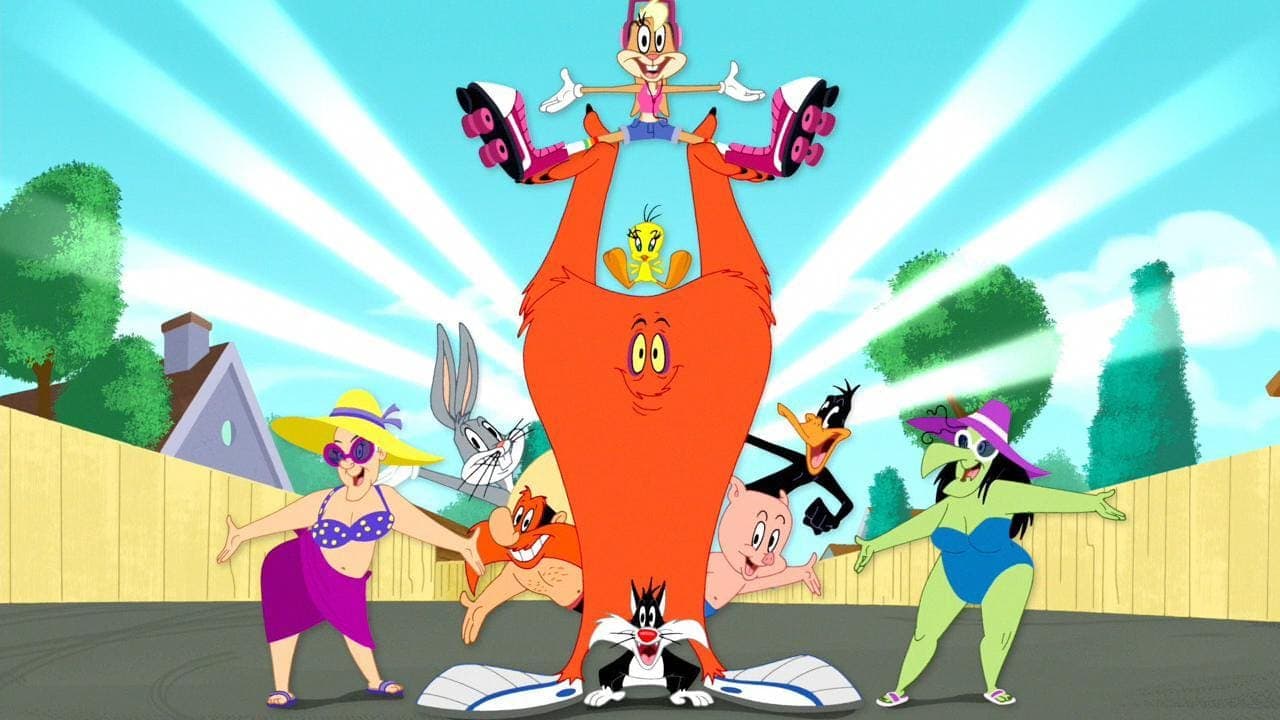
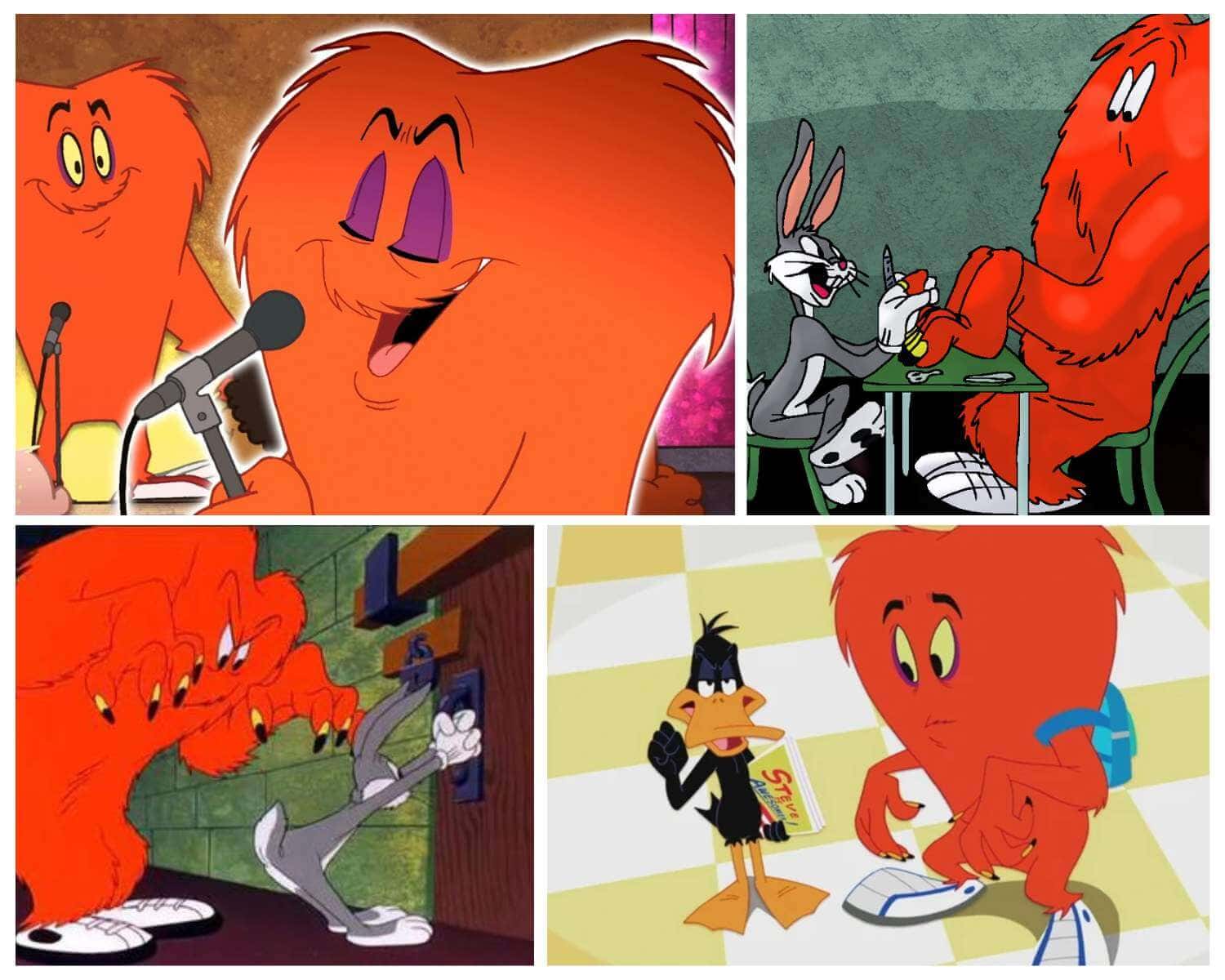
Gossamer is the giant, furry, bright red monster from the Looney Tunes and Merrie Melodies cartoon shorts. He’s essentially a massive walking afro of red-orange hair with two big eyes peeking out, a wide mouth, and a pair of comically tiny white tennis shoes at the bottom. Iconic silhouette. Once you’ve seen Gossamer, you don’t forget him.
- ✅ First appearance: “Hair-Raising Hare” (1946)
- 💡 Created by: Chuck Jones and Michael Maltese
- 🔥 Appearance: giant red-orange hairy body, big eyes, white tennis shoes
- ✅ Personality: menacing on the outside, surprisingly gentle and emotional underneath
- 💡 Most famous opponent: Bugs Bunny
- 🔥 Nickname: Bugs has called him “Rudolph” in several shorts (a running gag)
Gossamer’s Origins and Character Development
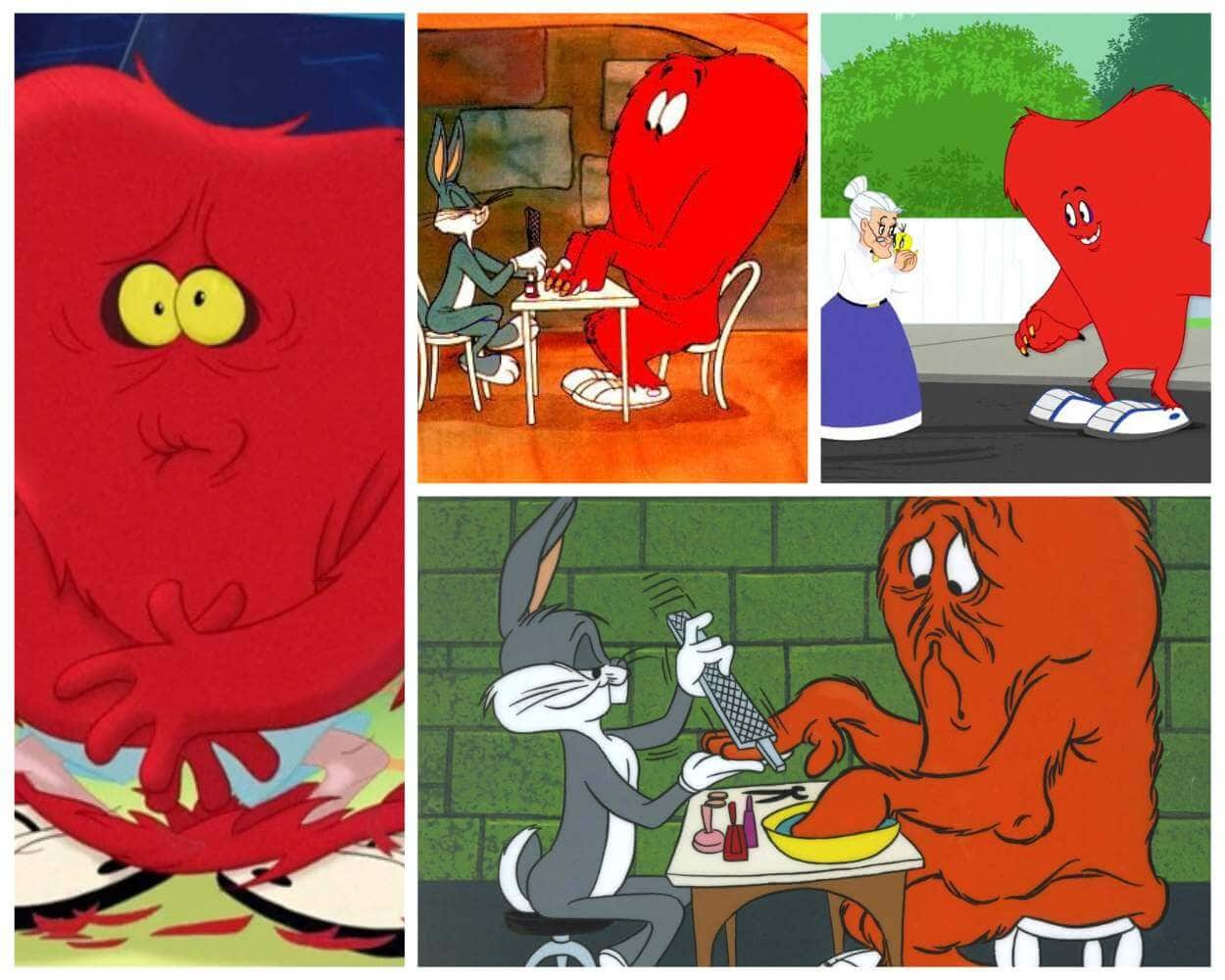
Gossamer debuted in the 1946 animated short “Hair-Raising Hare,” directed by Chuck Jones. He was created as a one-off antagonist for Bugs Bunny: a giant hairy monster summoned by an evil scientist to capture our favorite rabbit. The original design was meant to be terrifying. The execution turned out to be hilarious.
In that first short, Bugs famously addresses him as “Rudolph” in a deadpan voice while giving him a manicure mid-rampage. The line landed so hard that “Rudolph” stuck as an informal nickname for the character in later shorts. His official name, Gossamer, didn’t get nailed down on screen until later appearances.
What’s interesting is how the character evolved. In his earliest appearances, Gossamer was just a generic monster. Big. Scary. Easy to outsmart. But over the decades, his personality softened. Modern incarnations (especially “The Looney Tunes Show” in the 2010s) reframe him as a sensitive, gentle giant who’s often manipulated by smarter, meaner characters. The hairy exterior stays terrifying. The personality underneath got more sympathetic.
That shift is part of what’s made him last for nearly 80 years.
Gossamer’s Voice Actors Over the Years
Gossamer doesn’t speak much, but when he does, he’s been voiced by an impressive lineup of voice acting legends. Each one has brought something slightly different to the character.
- Mel Blanc (1946 to 1980) – the original voice and the one most fans associate with the character
- Frank Welker (1990)
- Maurice LaMarche (1995, 2002)
- Jim Cummings (1996 to 2006)
- Joe Alaskey (2000 to 2001)
- Kwesi Boakye (2011 to 2014) – the teen version in “The Looney Tunes Show”
- Eric Bauza (2018) – now the current main voice for many classic Looney Tunes characters
- Fred Tatasciore (2020 to present)
Mel Blanc is the original and the one with the most iconic delivery. Eric Bauza is doing a great job carrying the torch for the modern era.
Gossamer and Bugs Bunny: The Greatest Cartoon Rivalry You Forgot About
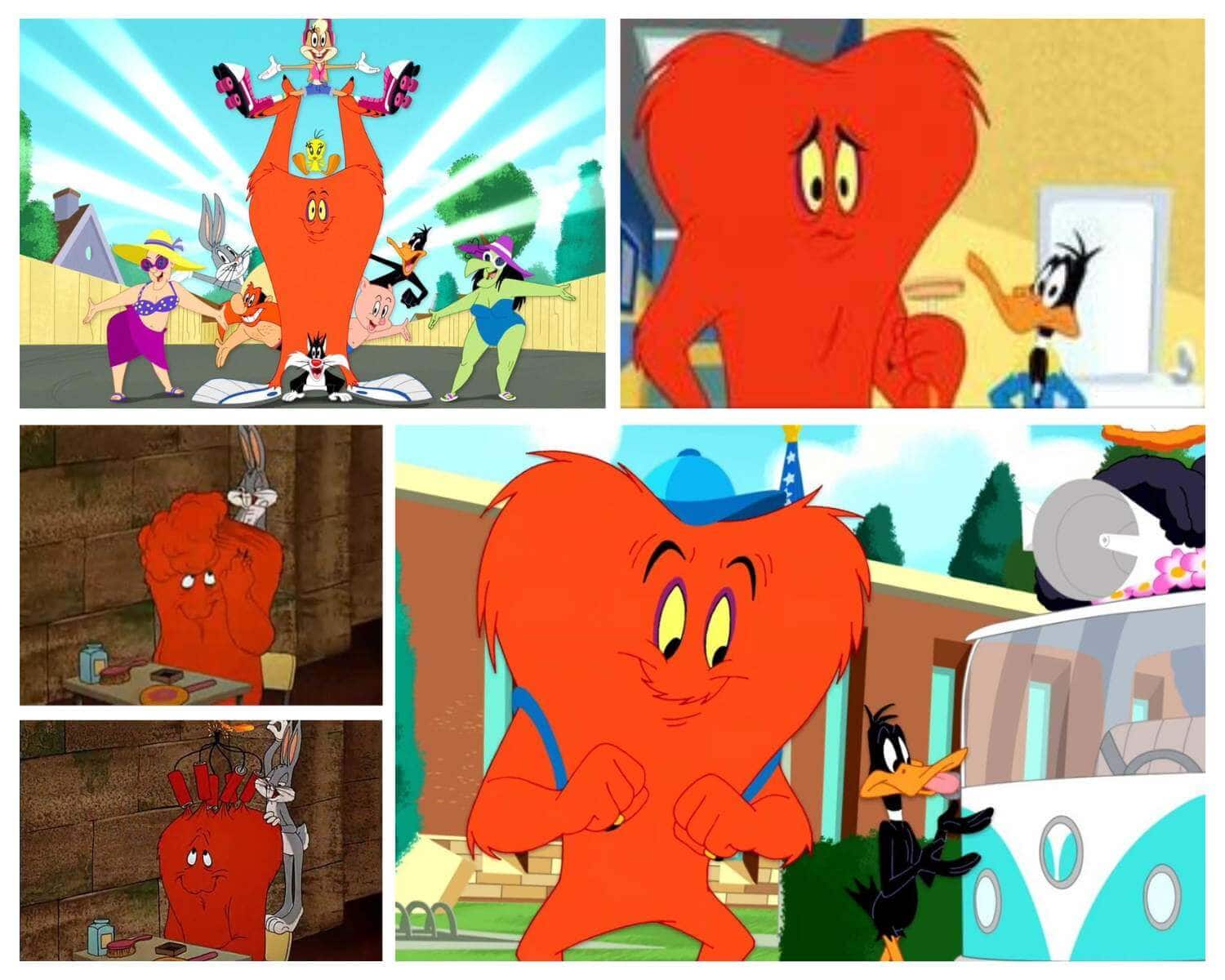
The Gossamer and Bugs Bunny dynamic is one of the most underrated rivalries in Looney Tunes history. Everyone remembers Bugs versus Elmer Fudd. Bugs versus Yosemite Sam. Bugs versus Daffy. Gossamer doesn’t always get included in that conversation, but their encounters are some of the funniest stuff Chuck Jones ever directed.
The pattern works like this. A scientist (or some other villain) summons Gossamer to do their dirty work. Gossamer charges at Bugs with full menacing energy. Bugs, completely unbothered, does something absurd. Manicure. Haircut. Polite conversation. The giant monster gets visibly confused. The energy collapses. Bugs wins.
What I love about this dynamic is that Bugs never actually defeats Gossamer through violence. He defeats him through *kindness* and *etiquette*. That’s a great recurring joke, and it humanizes Gossamer in a way that most cartoon monsters never get.
Gossamer’s Most Memorable Appearances
Hair-Raising Hare (1946)
The debut. Bugs is captured by an evil scientist who plans to feed him to a “hare-raising” monster. Gossamer enters. Bugs gives him a manicure mid-attack. The “Rudolph” line is born. One of the most quoted Looney Tunes shorts of the 1940s.
Water, Water Every Hare (1952)
The sequel-of-sorts to Hair-Raising Hare. This time the mad scientist is named Dr. I.C. Spots, and he sends Gossamer after Bugs again. The hairstyle makeover gag returns, and Gossamer leaves with a fresh bow in his hair. Pure 1950s comedic timing.
Duck Dodgers and the Return of the 24½th Century (1980)
Gossamer shows up as one of Marvin the Martian’s henchmen in this sci-fi Looney Tunes short. Different setting, same shaggy menace.
The Looney Tunes Show (2011 to 2014)
The biggest reinvention of the character. Gossamer is reframed as a shy, sensitive teenager, the son of Witch Hazel, going through normal teen issues like fitting in and making friends. It’s a complete departure from the menacing monster of the 1940s, but it works because the show genuinely cared about giving him an emotional arc.
Why Gossamer Matters in Animation History
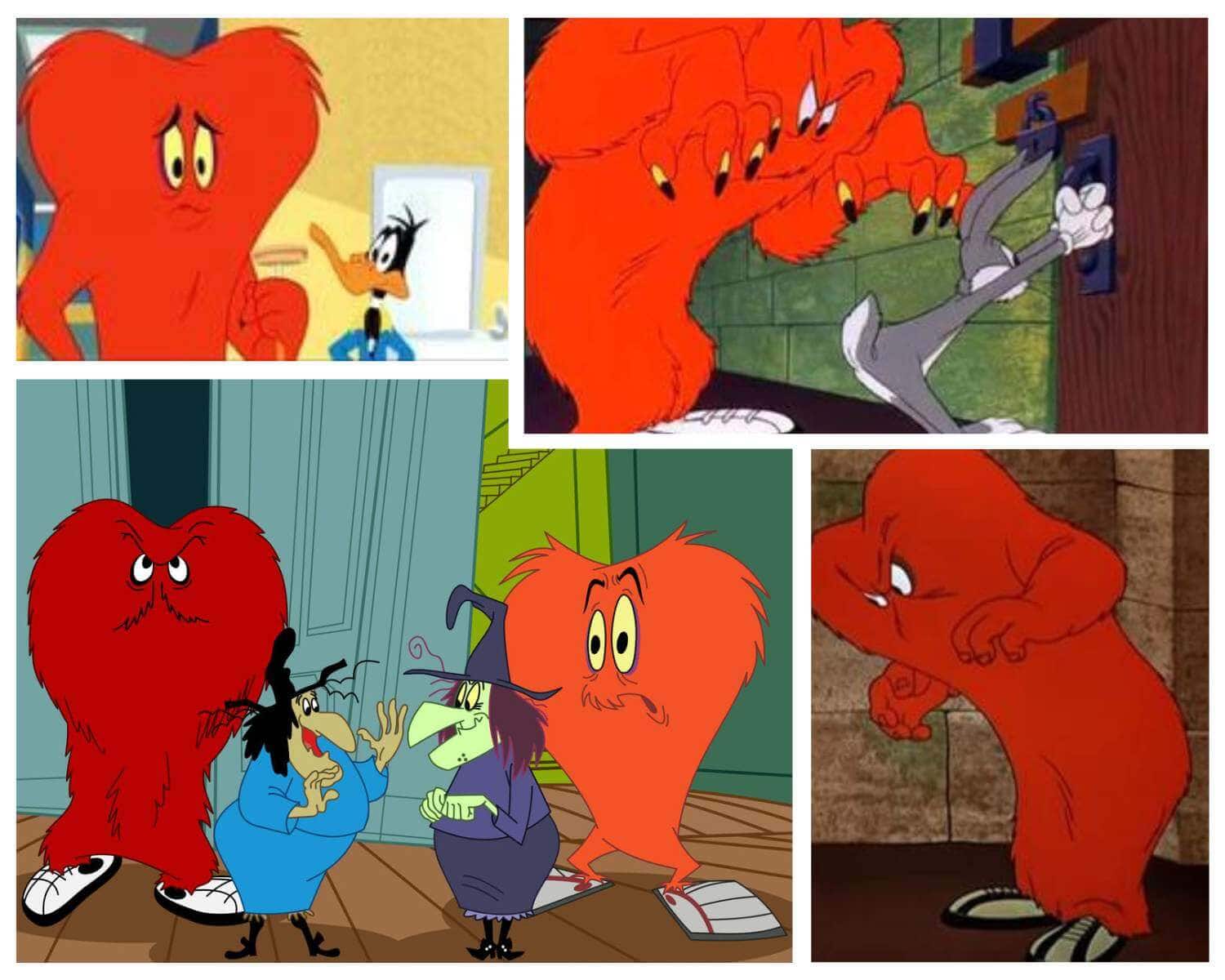
Gossamer’s design is genuinely brilliant. It’s simple (a furry shape with eyes and shoes), it’s instantly recognizable, and it’s flexible enough to read as terrifying or huggable depending on what the scene needs.
Here’s what I think makes the character special: he was one of the first major animated monsters to be played for both genuine scares *and* sympathy. Most cartoon monsters before Gossamer were either pure threat or pure joke. Gossamer was both, and he could switch between them in the same scene.
That blend (scary monster who’s actually kind of emotional and lonely) is now everywhere in modern animation. You can draw a direct line from Gossamer to a whole generation of “monsters with feelings” in pop culture.
Gossamer’s Influence on Modern Monster Characters
Gossamer is the spiritual ancestor of basically every “scary on the outside, soft on the inside” monster in animation. Some of the most obvious descendants:
- Sulley (Monsters, Inc.) – giant furry monster. Looks intimidating. Actually a gentle, loving father figure. Pixar definitely owes Gossamer a thank-you note.
- Chewbacca (Star Wars) – towering, hairy, fiercely loyal to his friends, terrifying to enemies. The Wookiee blueprint owes a lot to the Gossamer archetype.
- The Bumble (Rudolph the Red-Nosed Reindeer) – starts as a fearsome Abominable Snow Monster, ends as a friendly misunderstood giant. Same arc as Gossamer’s character evolution.
- James P. Sullivan and Mike Wazowski’s whole world – the entire Monsters, Inc. premise (monsters scare for a living but are mostly nice underneath) is essentially the Gossamer thesis turned into a feature film.
That’s a serious legacy for a character who barely speaks.
Frequently Asked Questions
What is Gossamer’s real name in Looney Tunes?
His official name is Gossamer, though Bugs Bunny famously calls him “Rudolph” in several shorts as a running gag. The Rudolph nickname comes from Hair-Raising Hare (1946), where Bugs uses it during a deadpan manicure scene. Fans still use both names today.
When did Gossamer first appear in Looney Tunes?
Gossamer debuted in “Hair-Raising Hare” (1946), directed by Chuck Jones with writing by Michael Maltese. He was originally designed as a one-off antagonist but became popular enough to return in multiple later shorts.
Who created Gossamer?
Gossamer was created by Chuck Jones (director) and Michael Maltese (writer) at Warner Bros. Cartoons. Chuck Jones is one of the most legendary animation directors in history, also responsible for Wile E. Coyote, the Road Runner, Pepe Le Pew, and most of Bugs Bunny’s classic 1940s-50s personality.
What does Gossamer look like?
Gossamer is described as a giant, hairy monster with bright red or red-orange fur covering his entire body. His most distinctive features are his two huge eyes peeking out from the top of his hair and his comically small white tennis shoes. He’s also several times taller than Bugs Bunny.
Who voices Gossamer?
Originally voiced by the legendary Mel Blanc from 1946 to 1980. Since then, he’s been voiced by Frank Welker, Maurice LaMarche, Jim Cummings, Joe Alaskey, Kwesi Boakye (as the teen version in The Looney Tunes Show), Eric Bauza, and Fred Tatasciore (the current voice since 2020).
Is Gossamer a villain or a good guy?
It depends on the era. In his original 1940s and 50s appearances, Gossamer was clearly an antagonist (usually being controlled by an evil scientist). In modern incarnations, especially “The Looney Tunes Show,” he’s reframed as a sympathetic, sensitive character who’s often manipulated by others. The character has evolved from “scary monster” to “misunderstood gentle giant” over the decades.
Why does Bugs Bunny call Gossamer “Rudolph”?
In Hair-Raising Hare (1946), Bugs gives the monster a manicure and calls him “Rudolph” in a calm, friendly voice while doing it. The contrast between the scene’s intended menace and Bugs treating Gossamer like a harmless customer at a salon is what makes the gag iconic. The name stuck as a recurring joke across the franchise.
Is Gossamer related to Witch Hazel?
In “The Looney Tunes Show” (2011 to 2014) reboot, Gossamer is portrayed as Witch Hazel’s teenage son. This wasn’t established in the classic shorts, but it’s now considered canon in modern Looney Tunes adaptations.