Garfield is one of those characters who feels almost too simple at first.
He is an orange cat.
He loves lasagna.
He hates Mondays.
He sleeps too much.
He insults Jon.
That sounds basic.
But I think that simplicity is exactly why Garfield became so huge.
He is not built around complicated lore.
He is built around moods everyone understands.
- Not wanting to get out of bed.
- Wanting comfort food.
- Being annoyed by cheerful people.
- Choosing laziness over effort.
- Having a sarcastic thought and keeping it to yourself.
That is the real Garfield legacy.
He is not just a comic strip cat.
He is the lazy little voice in the back of our heads telling us one more nap would fix everything.
Who Is Garfield?
Garfield is a fictional orange tabby cat created by cartoonist Jim Davis.
The comic strip first appeared in 1978 and quickly became one of the most recognizable newspaper comics in the world.
Garfield lives with his owner, Jon Arbuckle, and the cheerful dog Odie.
He is male, overweight, sarcastic, food-obsessed, and deeply uninterested in effort.
That combination turned him into a pop culture machine.
- Creator: Jim Davis
- First published: 1978
- Species: Orange tabby cat
- Owner: Jon Arbuckle
- Dog companion: Odie
- Favorite food: Lasagna
- Famous hatred: Mondays
What makes Garfield interesting to me is that he is barely trying to be heroic, inspirational, or morally impressive.
He is selfish.
He is lazy.
He is smug.
And somehow, that made him beloved.
The Unapologetic Pleasures of Garfield
Garfield works because he is unapologetic.
He does not pretend to enjoy hard work.
He does not pretend to be excited about exercise.
He does not pretend Mondays are fine.
He says the quiet part out loud, even when he technically says it through thought bubbles.
That is why I think readers connected with him so quickly.
- He is lazy without shame.
- He is hungry without apology.
- He is sarcastic without restraint.
- He is cynical without losing charm.
- He turns ordinary irritation into comedy.
Some critics have called Garfield too commercial or too simple.
I understand the criticism.
But I also think it misses the point.
Garfield was never trying to be difficult.
He was trying to be instantly recognizable.
And on that level, he is close to perfect.
Jim Davis Built Garfield With a Plan
One of the funniest things about Garfield’s origin is how practical it was.
Jim Davis did not create Garfield only as a burst of pure artistic emotion.
He saw a gap.
There were plenty of comic strip dogs, but not many major comic strip cats.
So he created one.
That sounds almost too calculated, but I actually respect it.
- Davis wanted a broadly appealing character.
- He wanted humor that would travel well.
- He wanted a strip built around simple, repeatable personality traits.
- He created a cat who was human enough to be relatable.
- He gave Garfield habits people could remember immediately.
That is not a weakness.
That is smart cartooning.
Garfield became an icon because Davis understood that a strong comic character needs a clear emotional hook.
Garfield’s hook is comfort, cynicism, and food.
That is a strong hook.
Garfield Became One of the Most Beloved Comic Characters
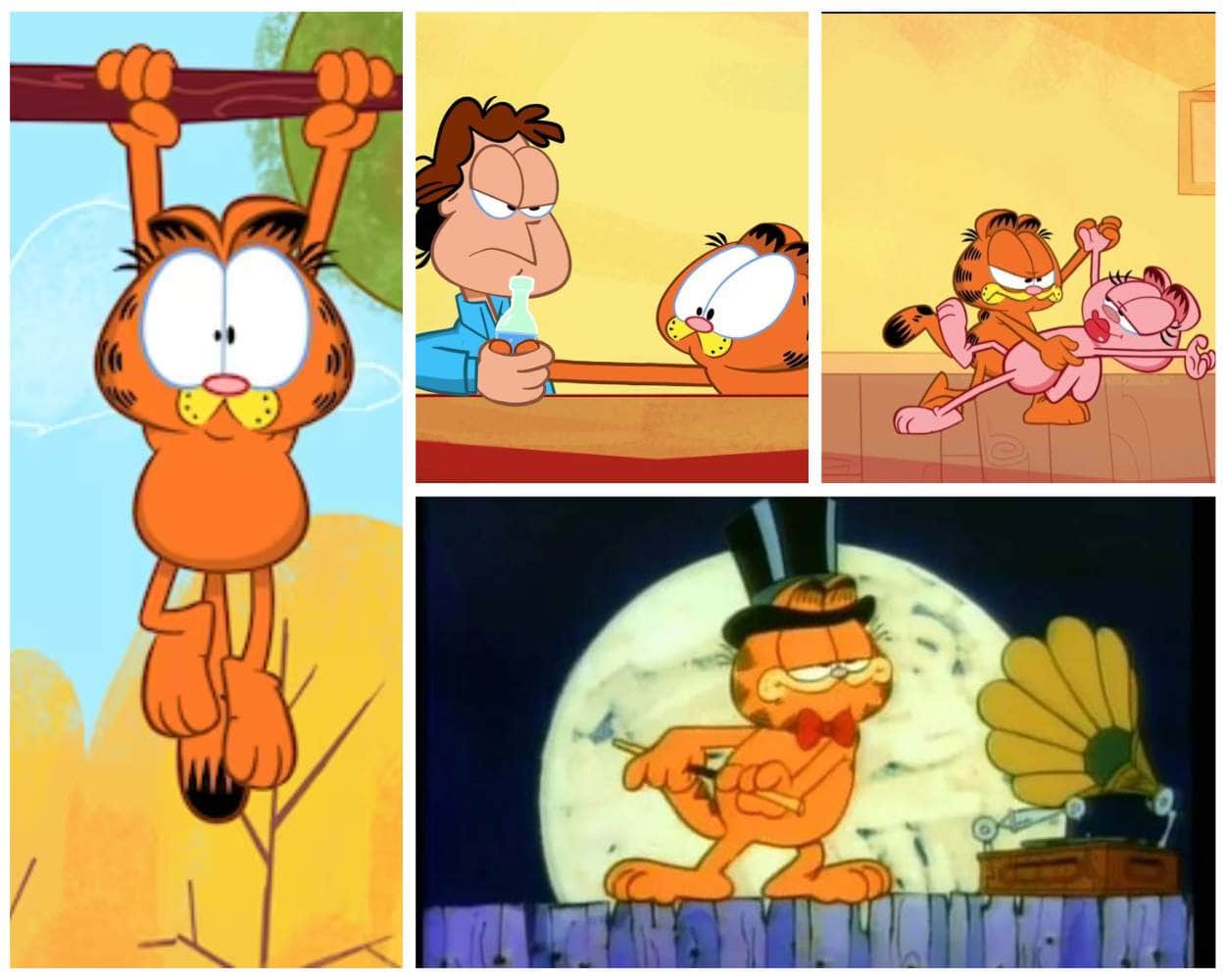
Garfield’s popularity is not just nostalgia talking.
The character became a giant in newspapers, books, television, merchandise, and digital culture.
At one point, Garfield was recognized by Guinness World Records as the most widely syndicated comic strip in the world. ([guinnessworldrecords.com](https://www.guinnessworldrecords.com/world-records/most-widely-syndicated-comic-strip?utm_source=chatgpt.com))
That reach says something important.
Garfield’s humor translated.
People in different countries could understand food, sleep, annoyance, pets, and Mondays.
- He became a newspaper comic icon.
- He sold millions of books.
- He appeared in animated specials and shows.
- He became a merchandising powerhouse.
- He remained recognizable across generations.
That kind of staying power does not happen by accident.
Garfield may be lazy, but the brand around him definitely was not.
The Curious Case of Garfield’s Birthday
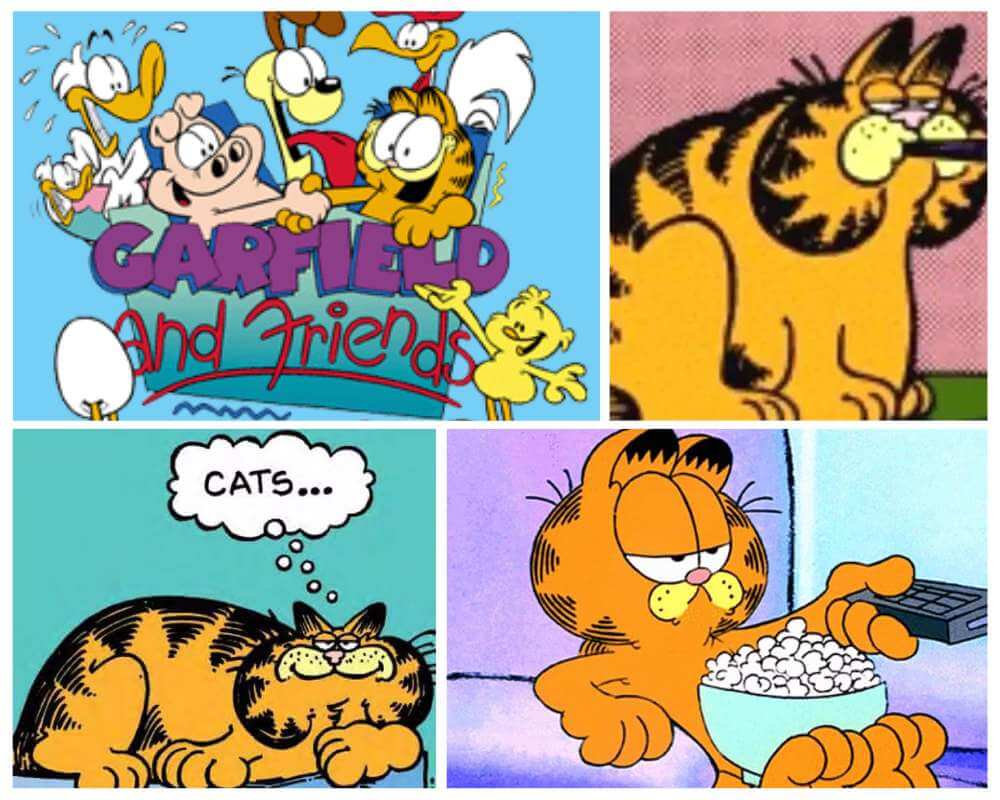
Garfield’s official birthday is tied to the comic strip’s debut.
He first appeared on June 19, 1978.
That date became Garfield’s birthday in the strip’s world.
Jim Davis himself was born on July 28, 1945, so the two do not actually share the same birthday, despite that claim appearing in some older write-ups. ([britannica.com](https://www.britannica.com/topic/Garfield-fictional-character?utm_source=chatgpt.com))
I like this detail because it shows how easy Garfield lore can get repeated incorrectly.
The cleaner fact is better anyway:
Garfield’s birthday is the day he entered the world through the comics.
That feels right.
Paws, Inc. and the Garfield Empire
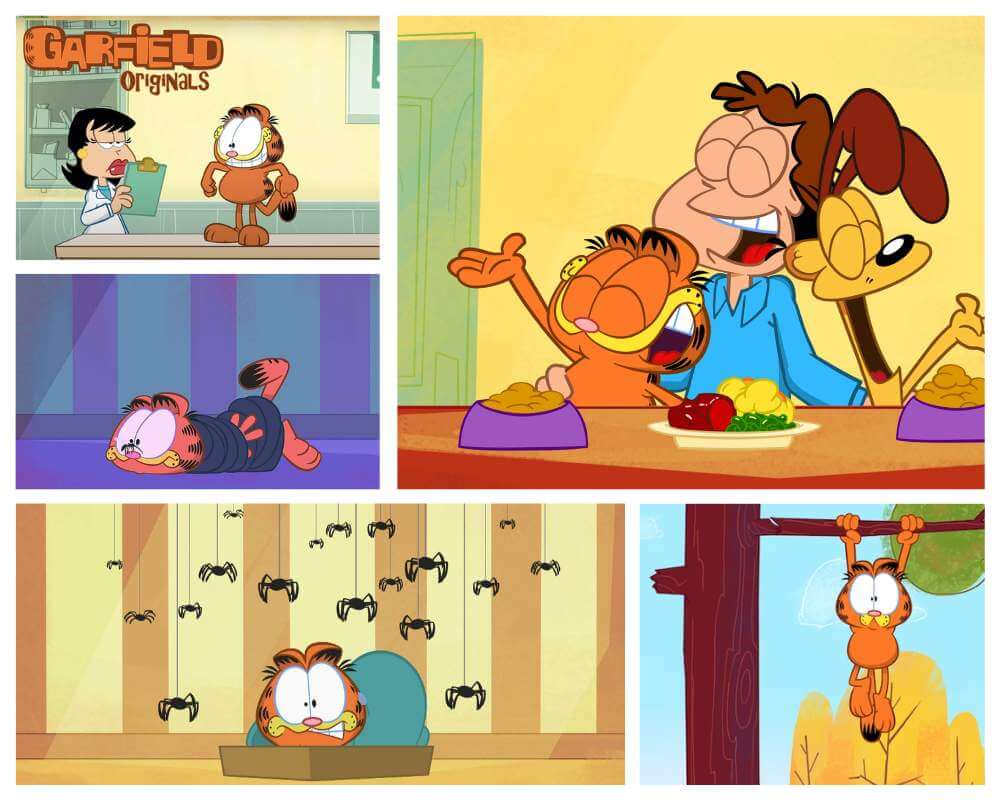
Garfield was never just a comic strip.
He became a business empire.
Jim Davis founded Paws, Inc. in 1981 to manage Garfield’s licensing and creative direction.
That move helped turn the character into a global brand.
- Books
- Plush toys
- Clothing
- Television specials
- Animated series
- Movies
- Games
- Home goods
This is where Garfield becomes fascinating as both art and commerce.
He is a comic character built for mass appeal, and he became exactly that.
You can call that commercial.
You can also call it incredibly effective.
Garfield and the Guinness Record
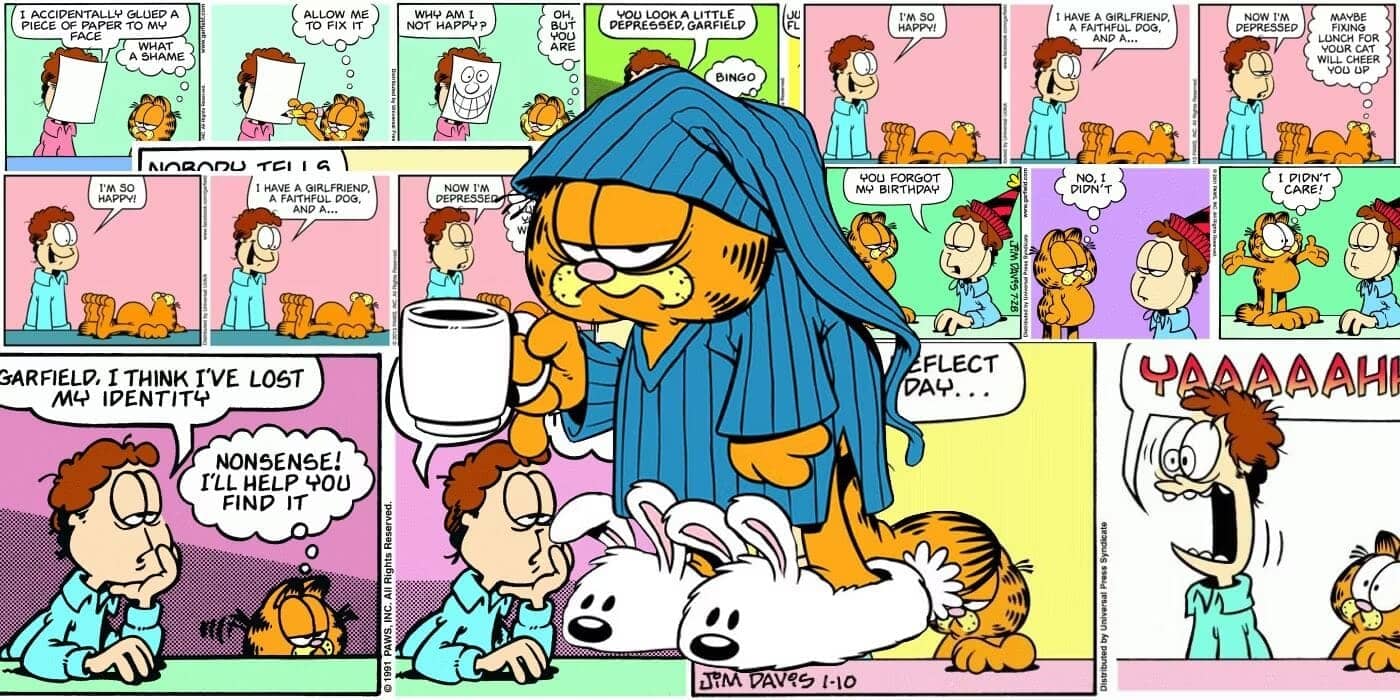
Garfield’s Guinness recognition is one of the clearest signs of how massive the strip became.
The record lists Garfield as the most widely syndicated comic strip, with thousands of newspapers carrying it at its peak. ([guinnessworldrecords.com](https://www.guinnessworldrecords.com/world-records/most-widely-syndicated-comic-strip?utm_source=chatgpt.com))
I think this matters because Garfield’s humor was never niche.
It was broad by design.
That broadness helped it travel everywhere.
- Food jokes travel.
- Pet jokes travel.
- Sleep jokes travel.
- Monday jokes travel.
- Sarcasm travels surprisingly well.
Garfield became universal because his frustrations were ordinary.
He made laziness global.
Garfield’s Look Changed Over Time
Garfield did not always look the way most people remember him.
In the earliest strips, he looked more like a heavy, four-legged cat.
Over time, his design became more upright, expressive, and human-like.
That change made sense.
A more anthropomorphic Garfield could do more visually.
- He could stand on two legs.
- He could pose like a person.
- He could show more facial expression.
- He could act smug, lazy, annoyed, or theatrical more clearly.
- He became easier to animate and merchandise.
I think this design evolution helped Garfield last.
He became less like a realistic cat and more like a mood wearing orange fur.
The Voices of Garfield
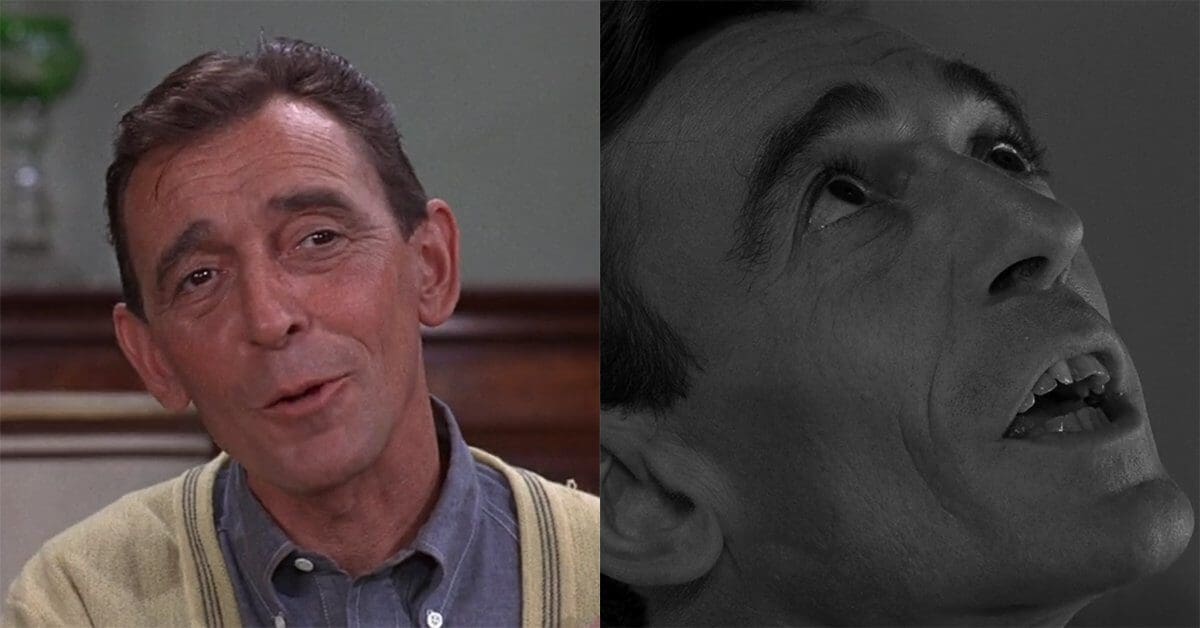
For many fans, Lorenzo Music is the definitive voice of Garfield.
His dry, sleepy delivery matched the character perfectly.
He made Garfield sound like a cat who had already judged the entire room and found it disappointing.
After Music’s passing, Bill Murray voiced Garfield in the live-action/CGI films.
That casting has an odd little pop-culture loop to it.
Lorenzo Music voiced Peter Venkman in The Real Ghostbusters, while Bill Murray played Peter Venkman in the live-action Ghostbusters films.
- Lorenzo Music gave Garfield his classic deadpan voice.
- Bill Murray voiced Garfield in the 2000s films.
- Chris Pratt later voiced Garfield in The Garfield Movie.
Garfield needs a voice that sounds lazy without sounding empty.
The best performances understand that he is not bored because he has no thoughts.
He is bored because he has already decided most things are beneath him.
Garfield’s Comedy Roots
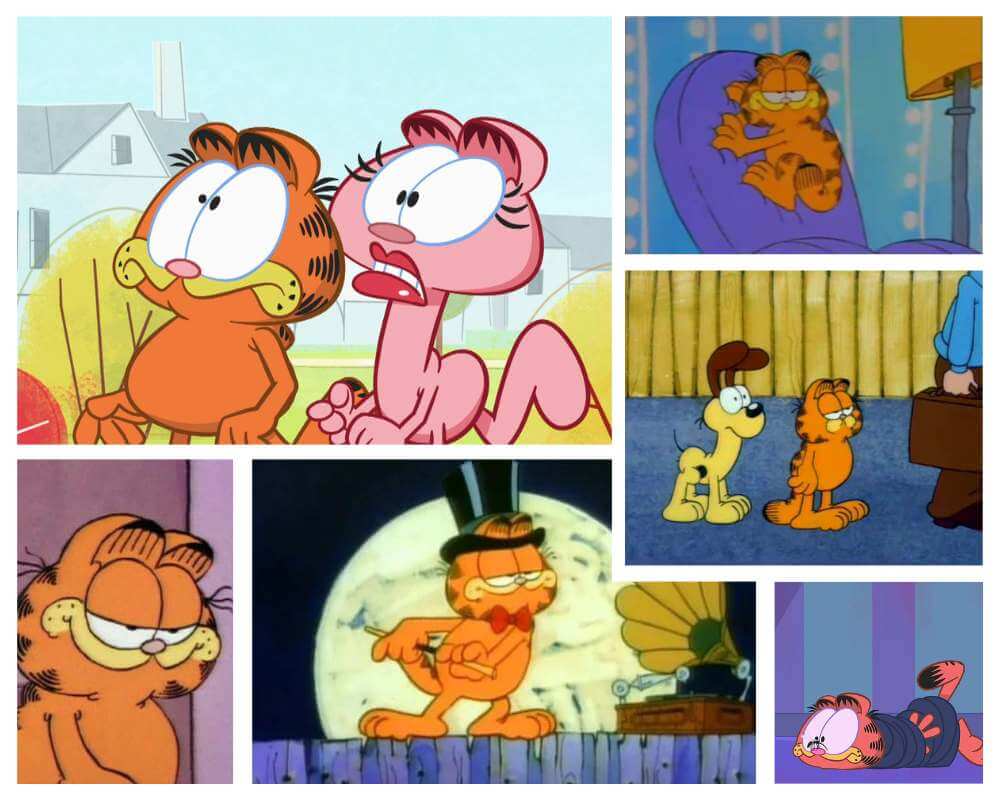
Garfield’s humor feels simple, but simple does not mean accidental.
Jim Davis built Garfield around strong comedic ingredients:
- A sarcastic lead character
- A patient owner
- A happy dog
- Repeated food jokes
- Repeated Monday jokes
- A clear visual style
The strip does not need a complicated setup every day.
It just needs Garfield being Garfield.
That kind of character-based comedy is harder than it looks.
If the character is clear enough, the joke can be small and still work.
The Power of Negative Thinking
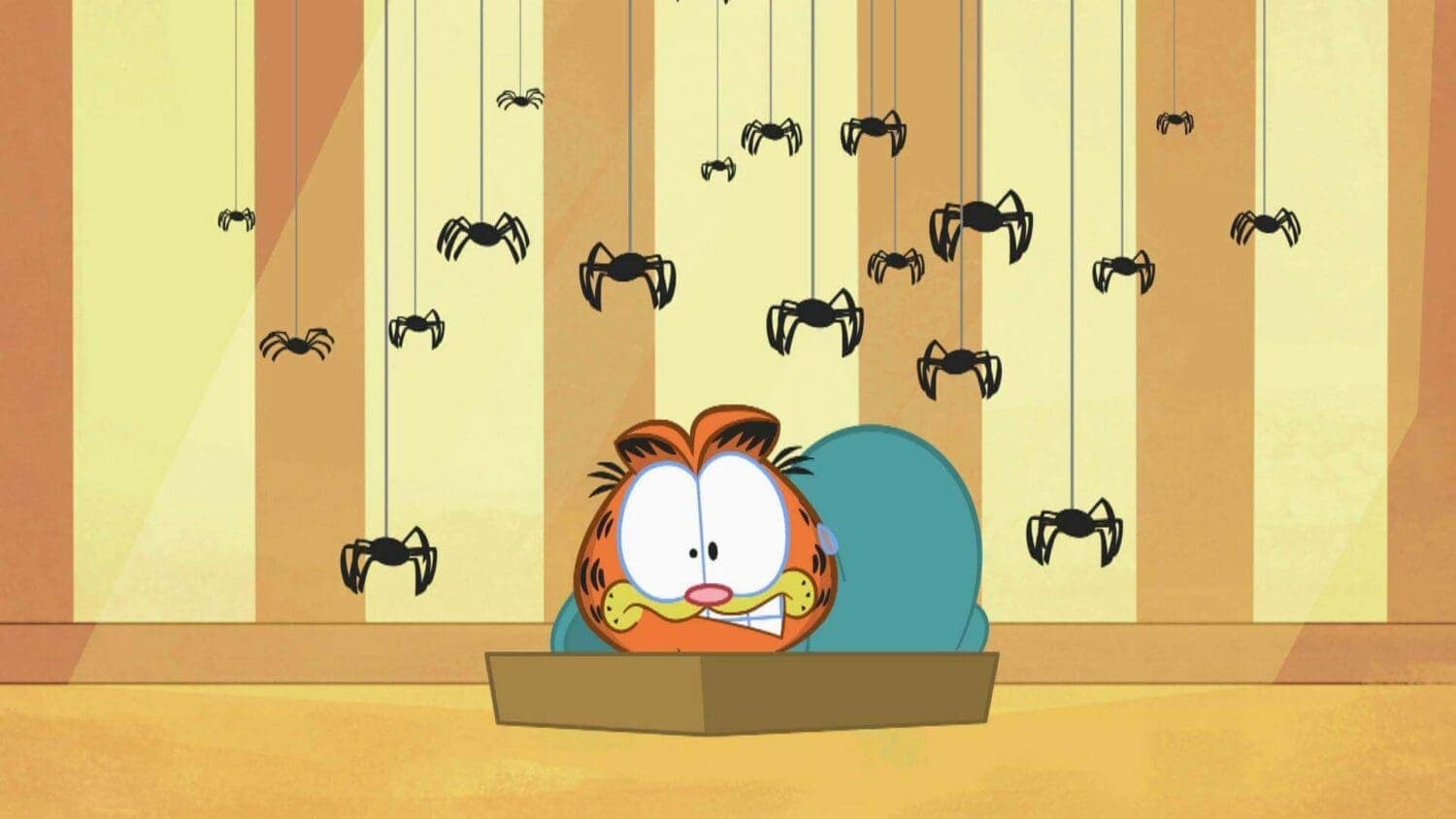
Garfield is not cheerful.
That is part of his appeal.
He is cranky, cynical, lazy, and blunt.
In a culture that often pushes constant positivity, Garfield is funny because he refuses to play along.
He does not pretend Mondays are opportunities.
He does not pretend dieting is exciting.
He does not pretend exercise is a gift.
- He complains.
- He eats.
- He sleeps.
- He mocks.
- He survives the day with minimal effort.
That is why his negativity feels oddly comforting.
Garfield is not asking us to be better.
He is giving us permission to be tired.
Why Garfield Hates Mondays
Garfield’s hatred of Mondays is one of his most famous traits.
It is also funny because Garfield does not have a job.
He is a house cat.
He does not commute.
He does not sit in meetings.
He does not clock in anywhere.
And yet, he hates Mondays with the conviction of someone who has answered emails for forty years.
That absurdity is the joke.
- Monday represents responsibility.
- Garfield hates responsibility.
- Monday represents routine.
- Garfield prefers comfort.
- Monday gives readers a shared feeling to laugh at.
I think the Monday joke works because Garfield turns a human complaint into a pet’s personality trait.
It should not make sense.
But emotionally, it does.
The No-Garfield Paradox
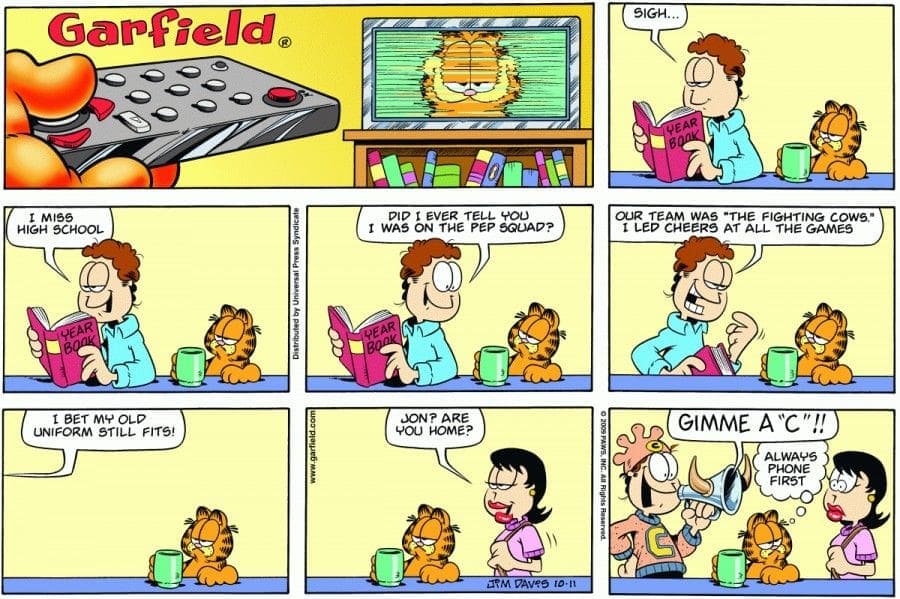
One of the strangest parts of Garfield’s legacy is Garfield Minus Garfield.
The concept is exactly what it sounds like.
Garfield is removed from the comic strips, leaving Jon Arbuckle talking to himself.
The result is weirdly dark.
Without Garfield’s thought bubbles, Jon looks lonely, anxious, and existential.
What was once a pet-owner comedy becomes something closer to absurdist sadness.
- Garfield’s absence changes the tone completely.
- Jon becomes the emotional center.
- The jokes become lonelier.
- The strip suddenly feels more surreal.
- Garfield’s presence is felt even when he is removed.
I love this because it proves Garfield has more structural importance than people might assume.
Take him out, and the world gets weird fast.
The Lasagna Myth
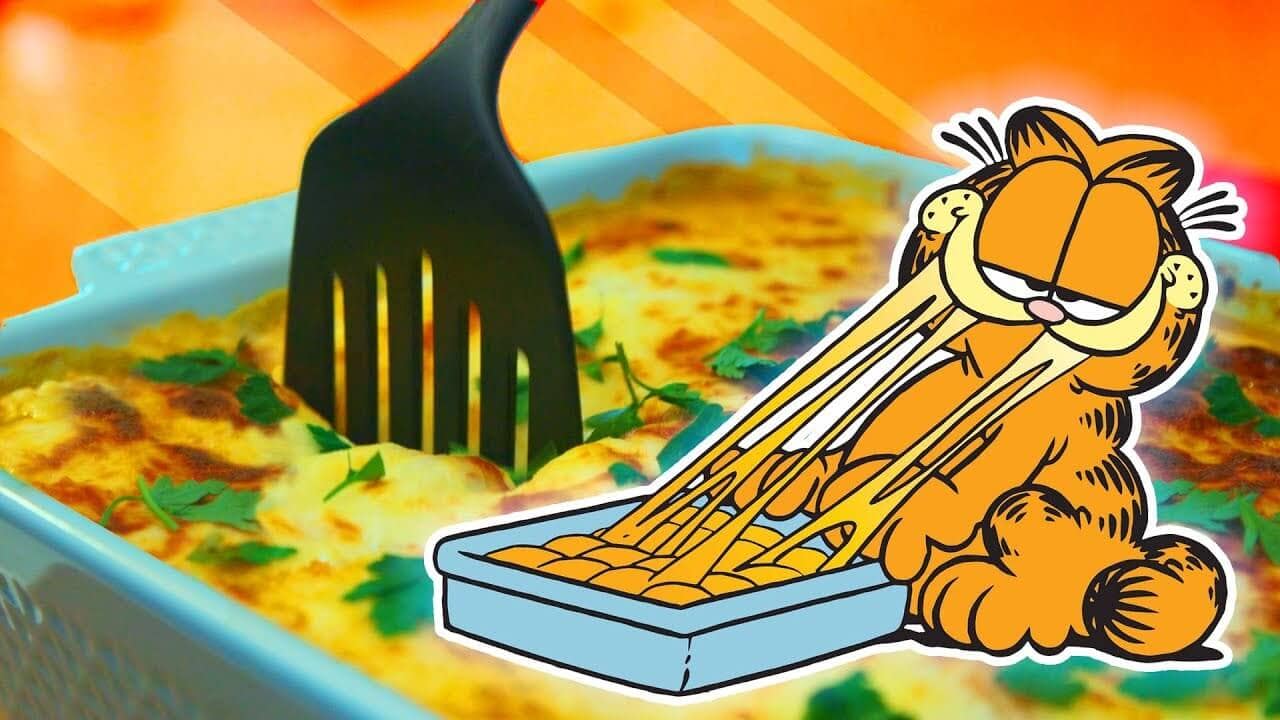
Garfield’s love of lasagna is legendary.
It is also funnier because lasagna is such a ridiculous food for a cat to love.
That was the point.
Jim Davis has explained in interviews that lasagna was chosen because it was funny and distinctive, not because Garfield was based on some real lasagna-eating cat.
That makes the joke better to me.
- Lasagna is heavy.
- Lasagna is messy.
- Lasagna is very human food.
- A cat loving it is visually funny.
- It instantly separates Garfield from ordinary cartoon pets.
Garfield’s lasagna obsession humanizes him.
He is not chasing mice.
He is chasing comfort food.
That is much more relatable.
Odie’s Mysterious Origins
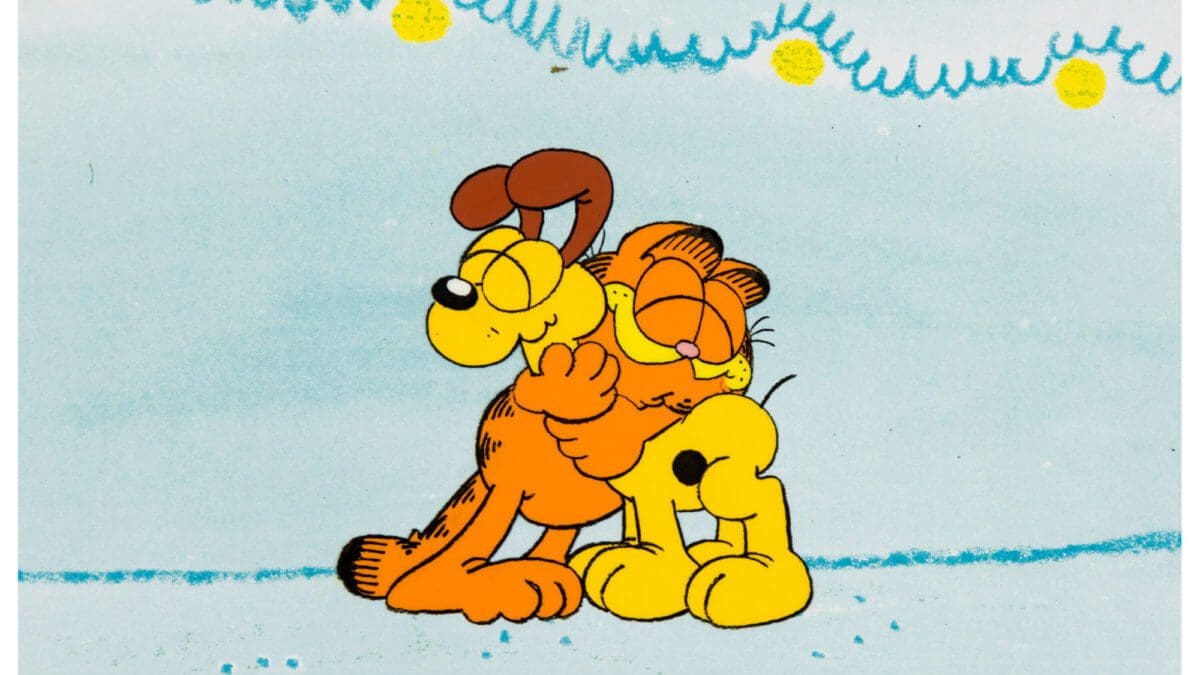
Odie is Garfield’s dog companion, but he was not originally Jon’s dog.
He first belonged to Jon’s roommate, Lyman.
Eventually, Lyman disappeared from the strip, and Odie stayed.
That odd bit of comic history has become part of Garfield lore.
- Odie is cheerful.
- Odie is simple-hearted.
- Odie often becomes the target of Garfield’s pranks.
- Odie contrasts Garfield’s cynicism perfectly.
- Odie’s happiness makes Garfield seem even more sarcastic.
I think Odie works because he gives Garfield someone to look down on.
Not because Odie deserves it.
Because Garfield needs a sunny personality nearby to make his own grumpiness funnier.
Garfield and Jon: An Unusual Bond
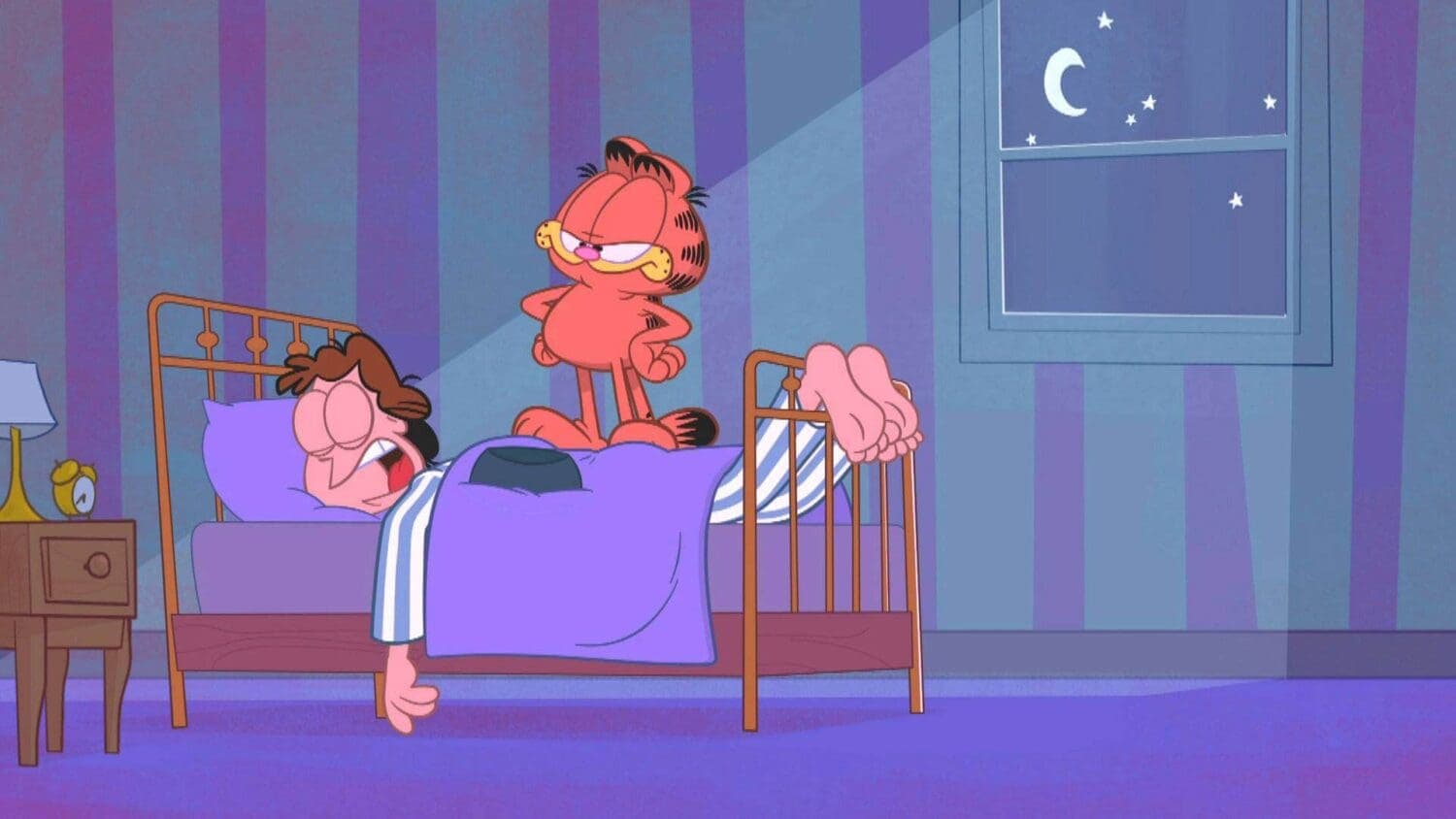
Jon Arbuckle is Garfield’s owner, but he is also the strip’s emotional punching bag.
Garfield mocks him constantly.
Jon puts up with it.
That dynamic could feel mean if Jon did not clearly love Garfield anyway.
The relationship works because it is strange but stable.
- Jon provides the home.
- Garfield provides the insults.
- Jon tries to date.
- Garfield comments from the sidelines.
- Jon gives Garfield affection, even when Garfield does not earn it.
I think Garfield and Jon work because they are both lonely in different ways.
Garfield pretends not to need anyone.
Jon clearly needs connection.
Somehow, they make a home together.
Garfield the Foodie Icon
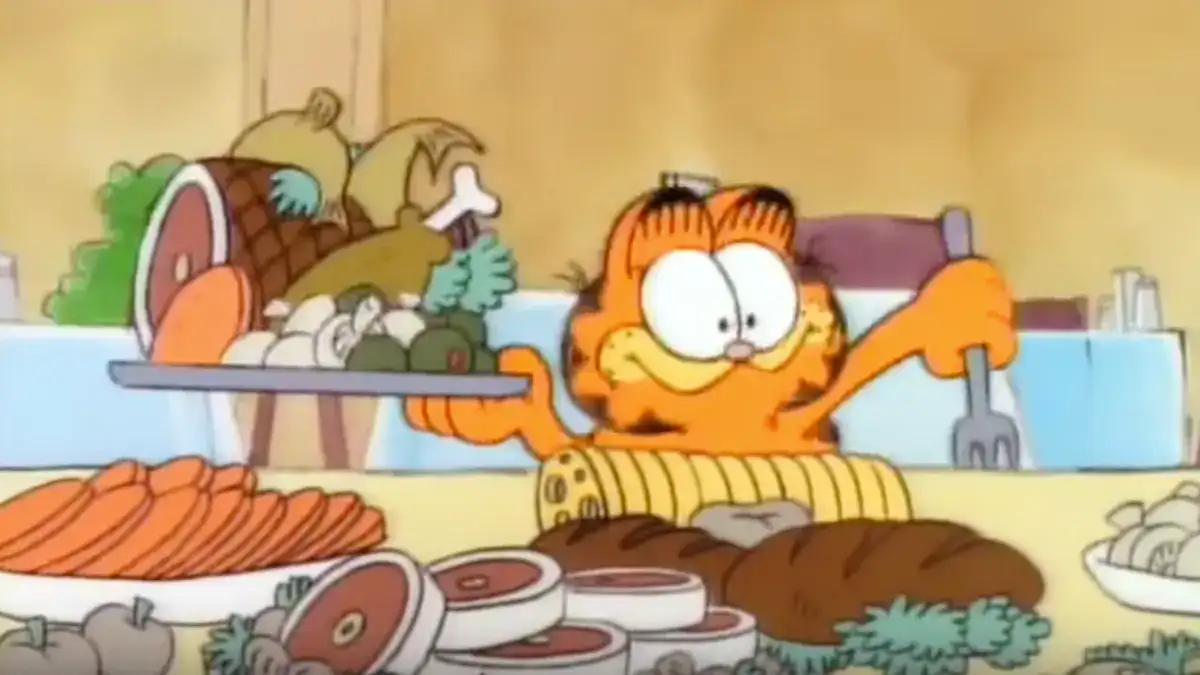
Garfield is one of pop culture’s great food characters.
His appetite is not just a trait.
It is practically a philosophy.
Food is comfort.
Food is victory.
Food is the reason to get up, briefly, before going back to sleep.
- Lasagna is his signature dish.
- He loves eating more than moving.
- His appetite makes him instantly relatable.
- His food jokes are simple but memorable.
- He turns indulgence into a personality.
Garfield reminds me that sometimes a guilty pleasure is not that complicated.
Sometimes you just want the big plate of comfort food.
Garfield would understand.
The Cynical Philosopher
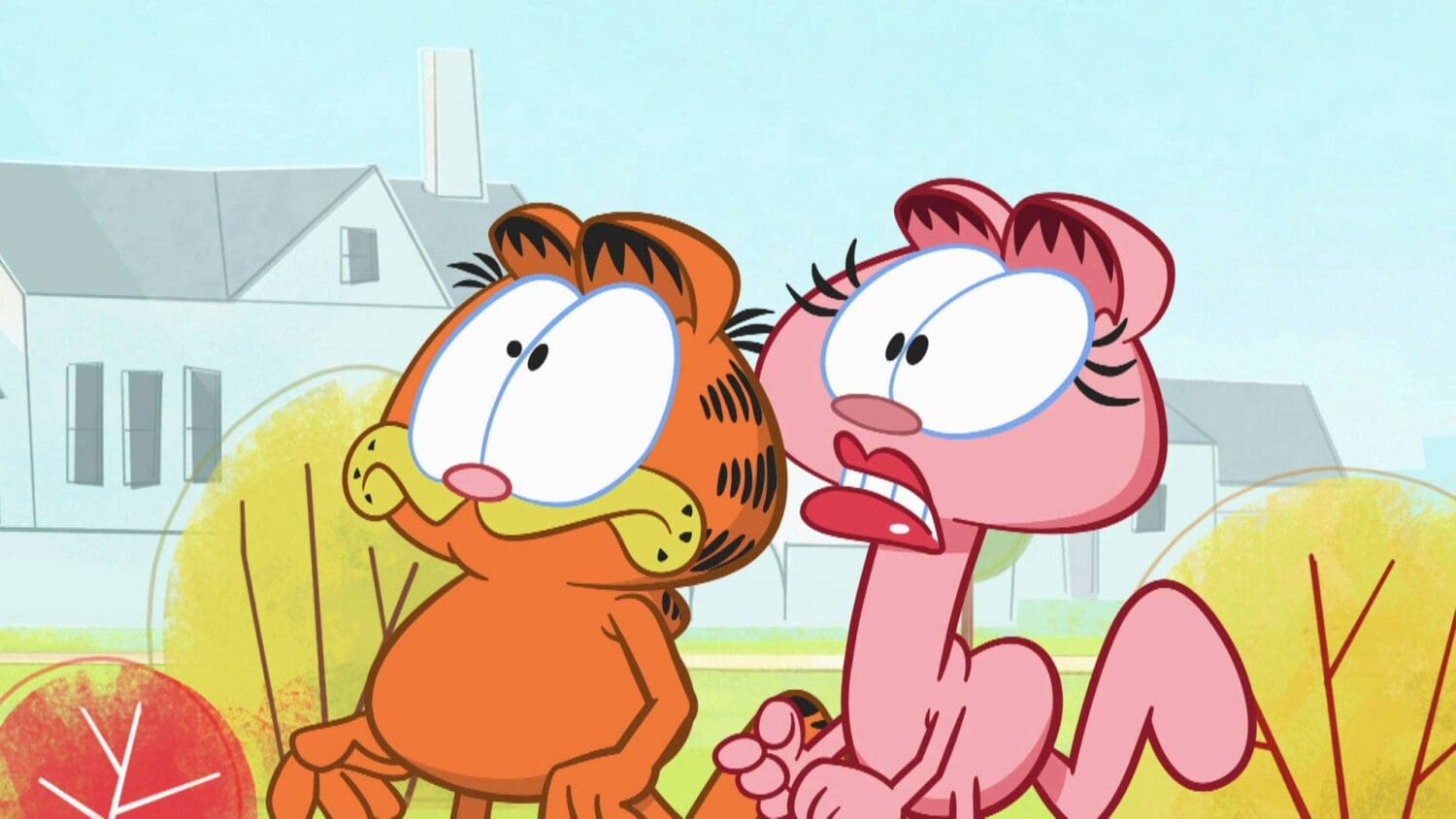
There is a reason Garfield’s one-liners stuck around.
He has the rhythm of a cynical philosopher trapped in the body of a house cat.
He does not offer hope.
He offers recognition.
He looks at ordinary life and says, yes, this is annoying.
And sometimes that is exactly the joke we need.
- He is not optimistic.
- He is not ambitious.
- He is not inspirational in the usual way.
- He is comforting because he is honest about laziness and irritation.
Garfield’s philosophy is simple:
Eat what you love.
Avoid Mondays.
Sleep whenever possible.
Judge silently, or not so silently.
It is not noble, but it is memorable.
An Institution Beyond Comics
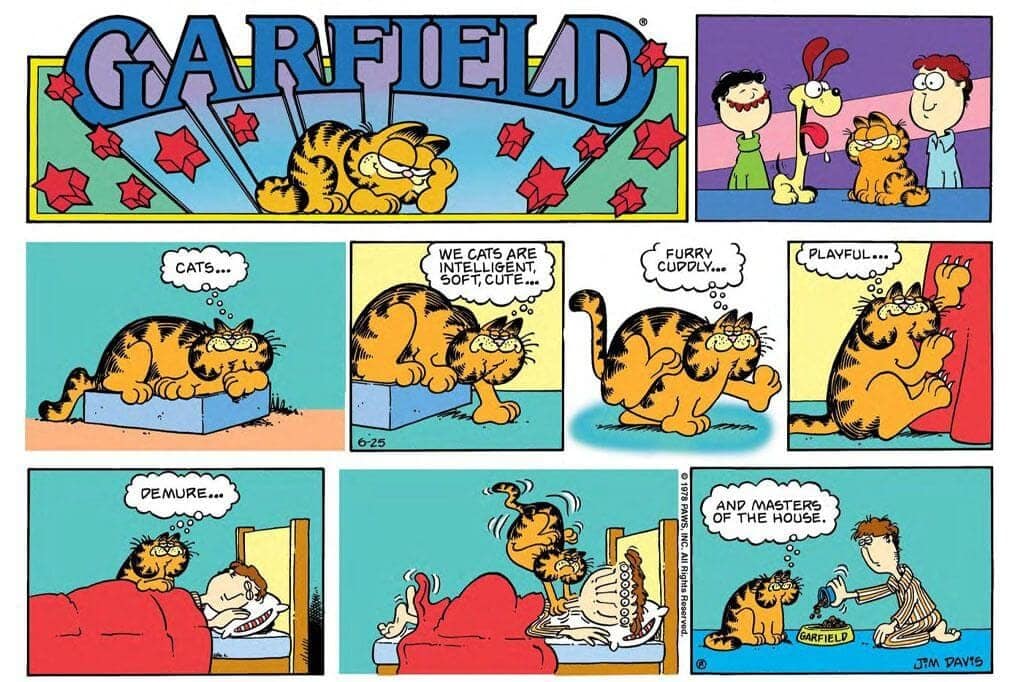
Garfield moved far beyond the newspaper page.
He became part of television, movies, merchandise, internet culture, and childhood bedrooms full of orange-cat products.
That is the difference between a successful character and an institution.
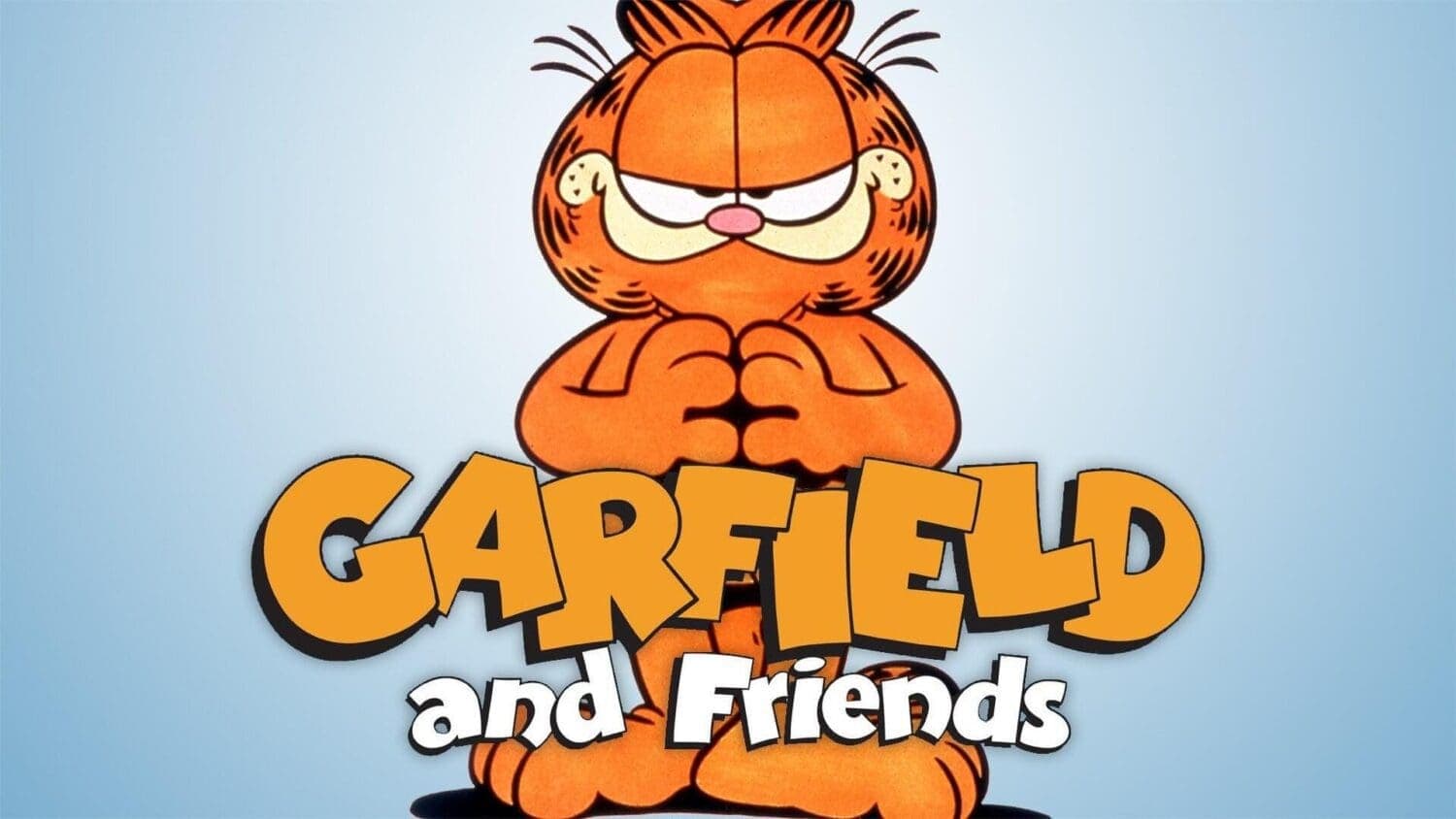
- Garfield and Friends
- Animated specials
- Comic strip collections
- Live-action/CGI movies
- Video games
- Plush toys and collectibles
- Internet reinterpretations like Garfield Minus Garfield
The funny thing is that Garfield’s whole character is based on not wanting to work.
Yet he became one of the hardest-working brands in comic history.
That contradiction feels very Garfield.
Garfield & Friends
Garfield & Friends helped bring the character to a wider television audience.
The animated version kept the core Garfield ingredients:
- Deadpan sarcasm
- Jon’s awkwardness
- Odie’s cheerfulness
- Food jokes
- Fourth-wall-friendly humor
For many fans, this is where Garfield’s voice and personality became fully locked in.
The comics made him famous.
The animated series made him feel alive on screen.
Final Thoughts on Garfield’s Legacy
Garfield has lasted because he is simple in the best possible way.
He does not need a complicated mythology.
He does not need a grand mission.
He does not need to save the world.
He just needs a couch, a lasagna, a Monday to complain about, and Jon nearby to annoy.
That is enough.
- He is lazy, but iconic.
- He is cynical, but comforting.
- He is commercial, but genuinely funny.
- He is simple, but endlessly recognizable.
- He is a cat, but somehow very human.
For me, Garfield’s legacy is not just that he loves lasagna.
It is that he turned ordinary human laziness into a comic-strip empire.
He made grumpiness cute.
He made Mondays a punchline.
And he made an orange tabby cat one of the most successful cartoon characters of all time.