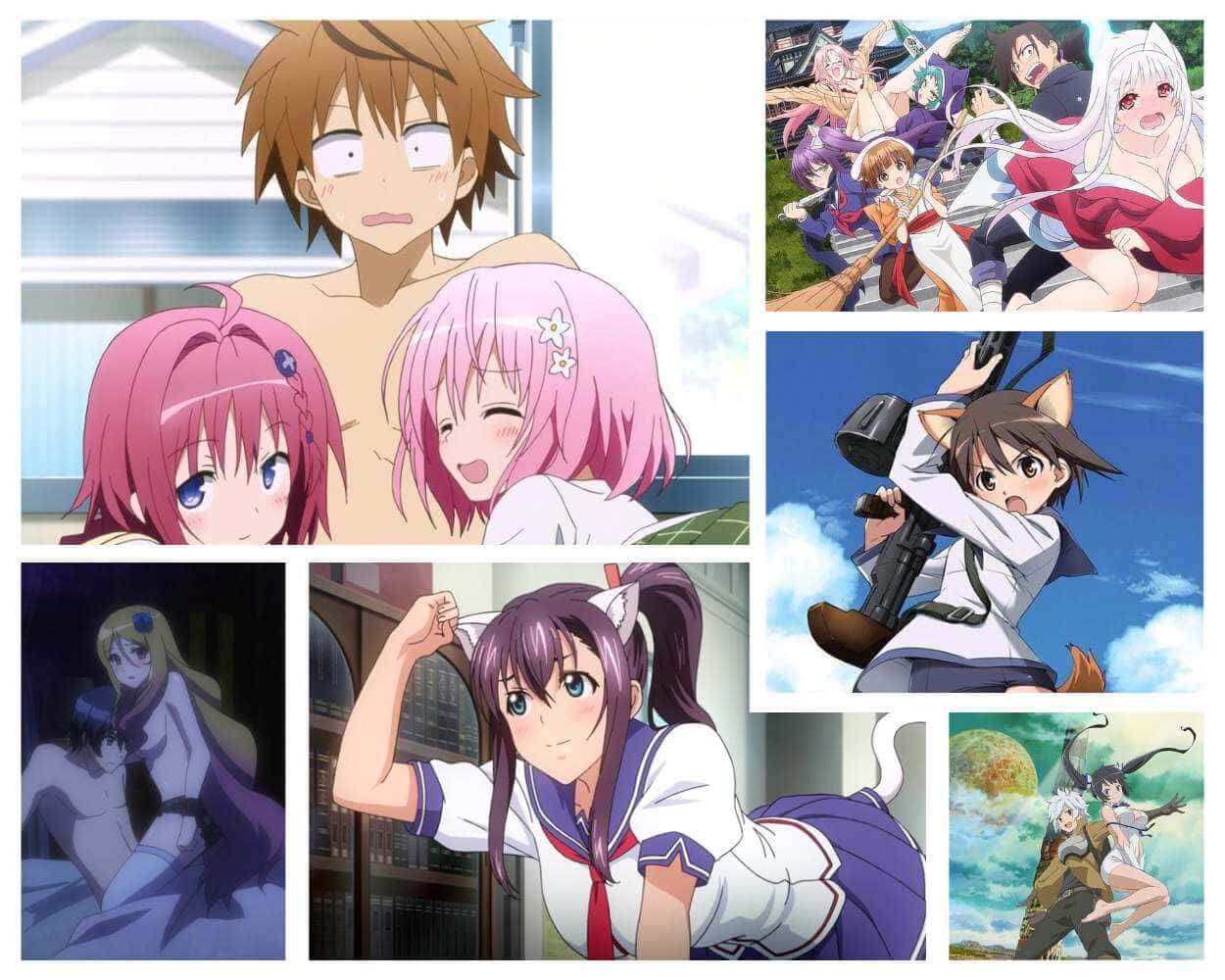
Fan service anime is its own established subgenre, with its own conventions, its own dedicated audience, and its own tier of long-running franchises. The genre ranges from light suggestive comedy (Food Wars, Nisekoi) to full ecchi (High School DxD, To LOVE-Ru) to outright bizarre concept pieces (Keijo). The best ones combine the fan service with actual storytelling. The worst ones are essentially just the fan service.
Here are 25 fan service anime worth knowing about, sorted roughly by mainstream visibility and quality of what surrounds the fan service.
A note on this list: “Fan service” covers a lot of ground in anime, from light bathing-suit episodes to full ecchi to outright softcore content. This list focuses on shows that are commercially available through mainstream anime streaming services and have meaningful followings beyond just the fan service. I’m skipping the most explicit OVA-only content that crosses into adult-only territory. If a show is technically anime but is essentially hentai, it’s not on this list.
25High School DxD
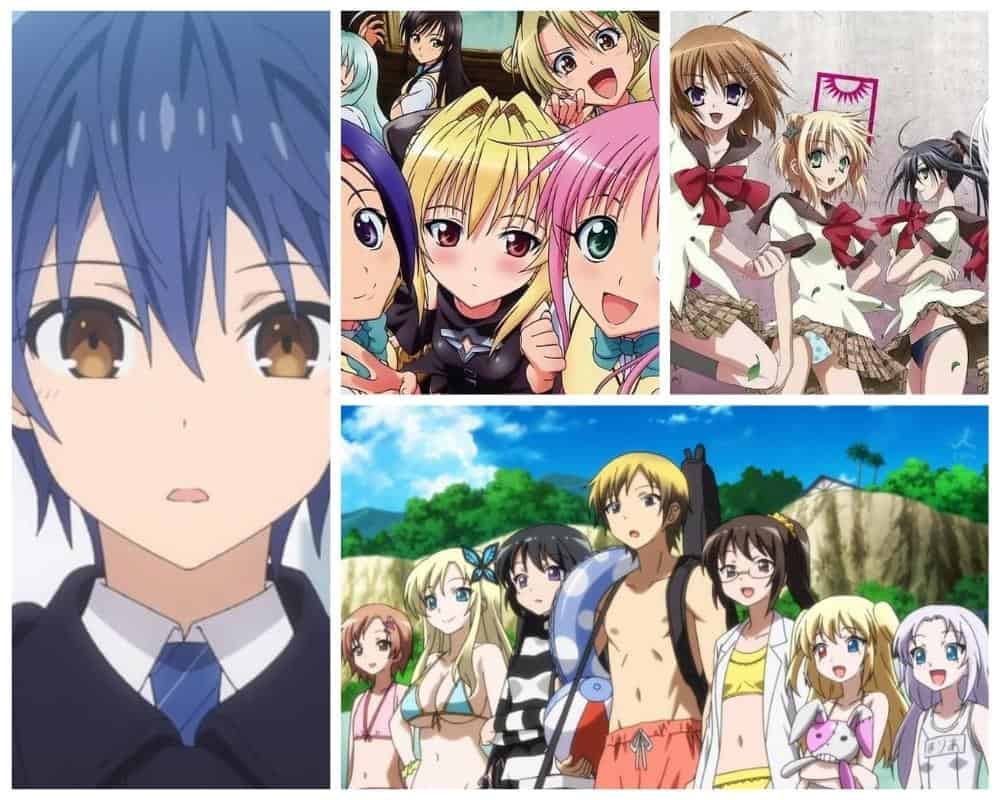
The defining ecchi anime of the 2010s. High School DxD (2012 onward, four seasons plus a confirmed fifth in production) follows Issei Hyodo, a high schooler who gets killed, resurrected as a devil, and inducted into Rias Gremory’s faction. The show became massively popular for combining shonen-level action with extremely committed fan service.
Rias Gremory is one of the most iconic anime characters of the entire decade, and a generation of anime fans was introduced to ecchi specifically through this show.
24Food Wars! Shokugeki no Soma
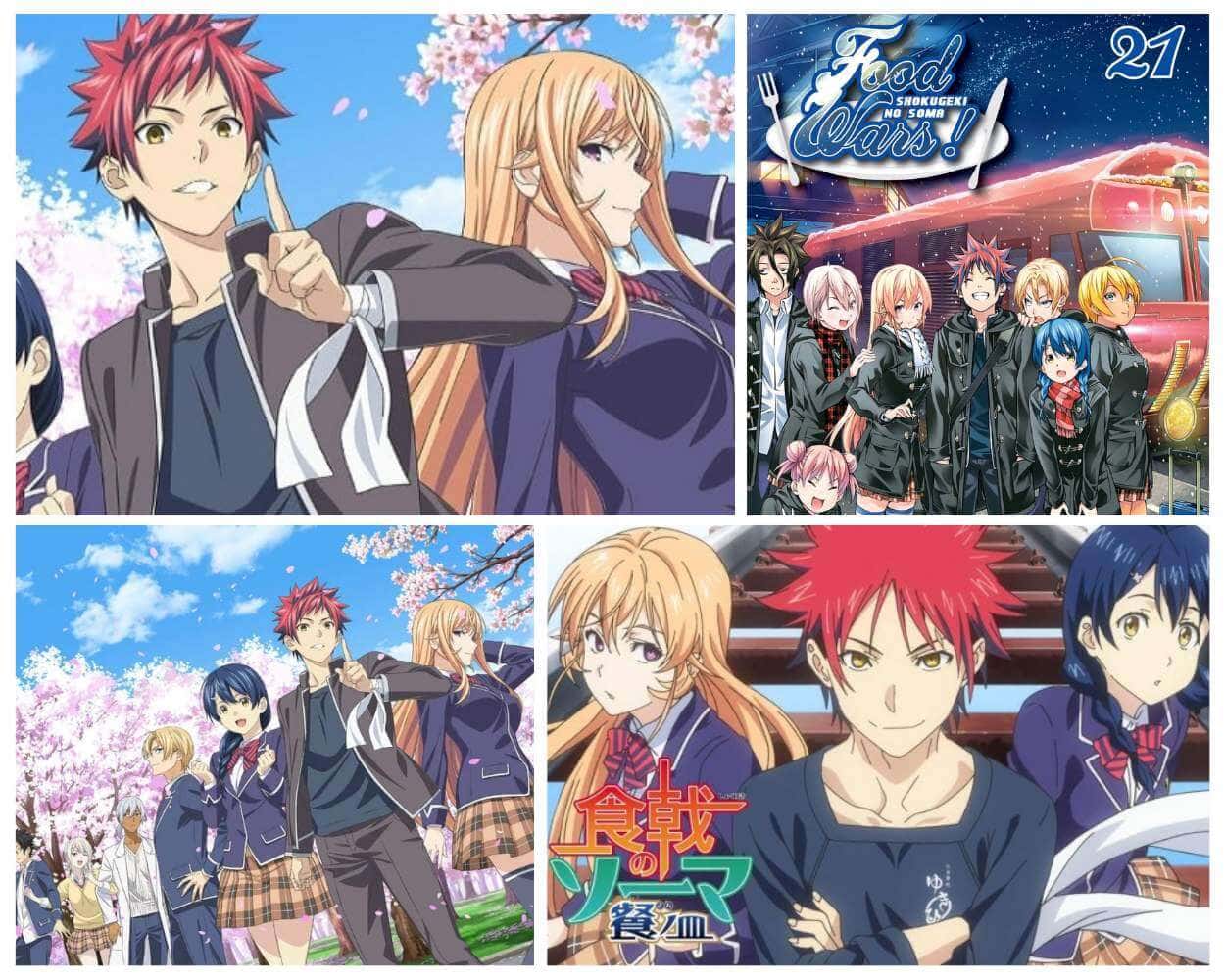
The cooking ecchi. Food Wars! (2015-2020) is genuinely one of the best food anime ever made, with detailed culinary technique and high-stakes cooking battles. It also has the most committed running gag in anime: when characters taste an exceptionally well-cooked dish, their reactions are animated as full-body sensual experiences.
The food porn and the literal fan service are inseparable in this show. The fact that the actual cooking content is sharp makes it work.
23My Dress-Up Darling (Sono Bisque Doll wa Koi wo Suru)

The 2022 breakout hit. My Dress-Up Darling follows Wakana Gojo, a shy doll-making student, who gets recruited by his classmate Marin Kitagawa to make her cosplay costumes. The show became one of the most beloved anime of 2022 for its surprisingly warm romance between two people who are genuinely good to each other.
Why this one works so well: My Dress-Up Darling has fan service (Marin in various states of cosplay) but uses it as part of the romance rather than instead of the romance. The show treats Marin as a fully realized character with her own passions and emotional life. Season 2 is currently airing in 2026 and is excellent.
22The Quintessential Quintuplets

The 2019-2021 harem rom-com phenomenon. The Quintessential Quintuplets follows Fuutarou Uesugi as he’s hired to tutor five identical quintuplet sisters, all of whom develop feelings for him over the course of the series. The show was a massive hit specifically for finally committing to a definitive ending (one of the sisters is revealed as his future wife, which kicked off years of fan theory and debate).
The fan service is mainstream-tier, the romance is genuinely the center of the show, and the production values are sharp throughout.
21Kill la Kill
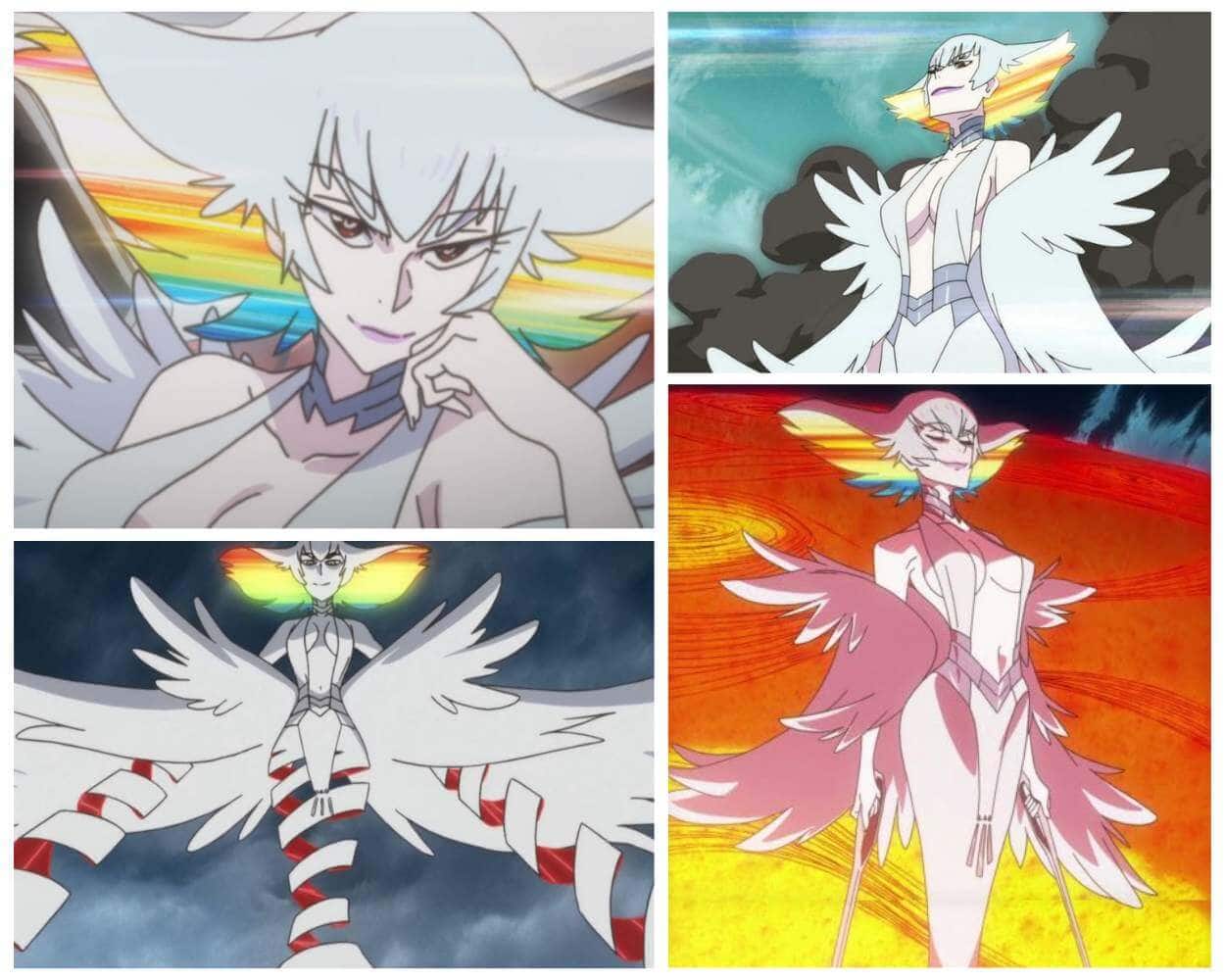
The genre-defining fan service art piece. Kill la Kill (2013-2014) is a Trigger studio production from the original Gainax team that made Gurren Lagann. The show pairs aggressive fan service with one of the most ambitious action animation showcases of the 2010s. Ryuko Matoi’s revenge story against the Honnouji Academy student council is also genuinely well-written.
The meta defense: Kill la Kill made the case (intentionally or not) that fan service can be a stylistic and thematic choice rather than a marketing add-on. The skimpy outfits are literally weaponized clothing in the show’s universe, and the visual language of fan service becomes part of the storytelling. Whether this defense works is debated, but Kill la Kill is the show that put the argument on the table.
20Fairy Tail
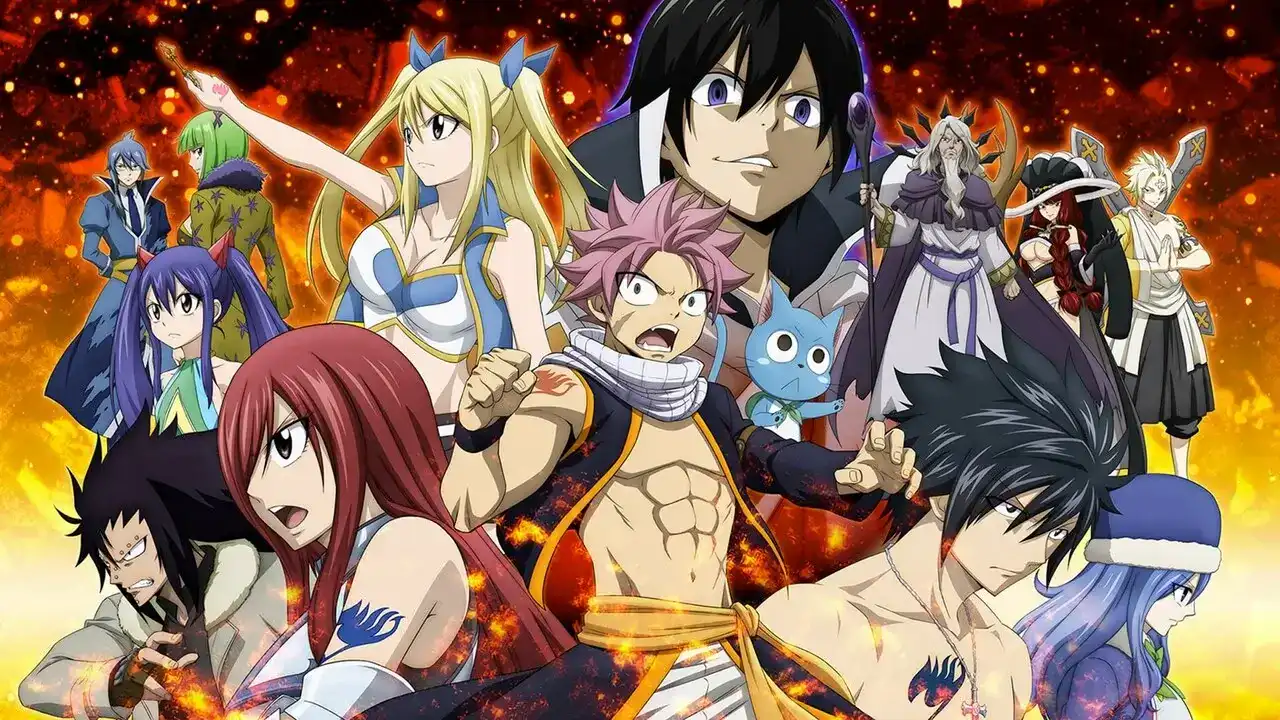
The long-running shonen with substantial fan service. Fairy Tail (2009-2019, with the 2024-2025 sequel series 100 Years Quest) is primarily an action-adventure shonen, but Lucy’s outfit changes, Erza’s various armors, and the regular hot springs and beach episodes put it firmly in the fan service category.
The series is one of the longest-running mainstream shonen with consistent fan service throughout, which is part of why it’s beloved in the genre.
19Seven Deadly Sins (Nanatsu no Taizai)
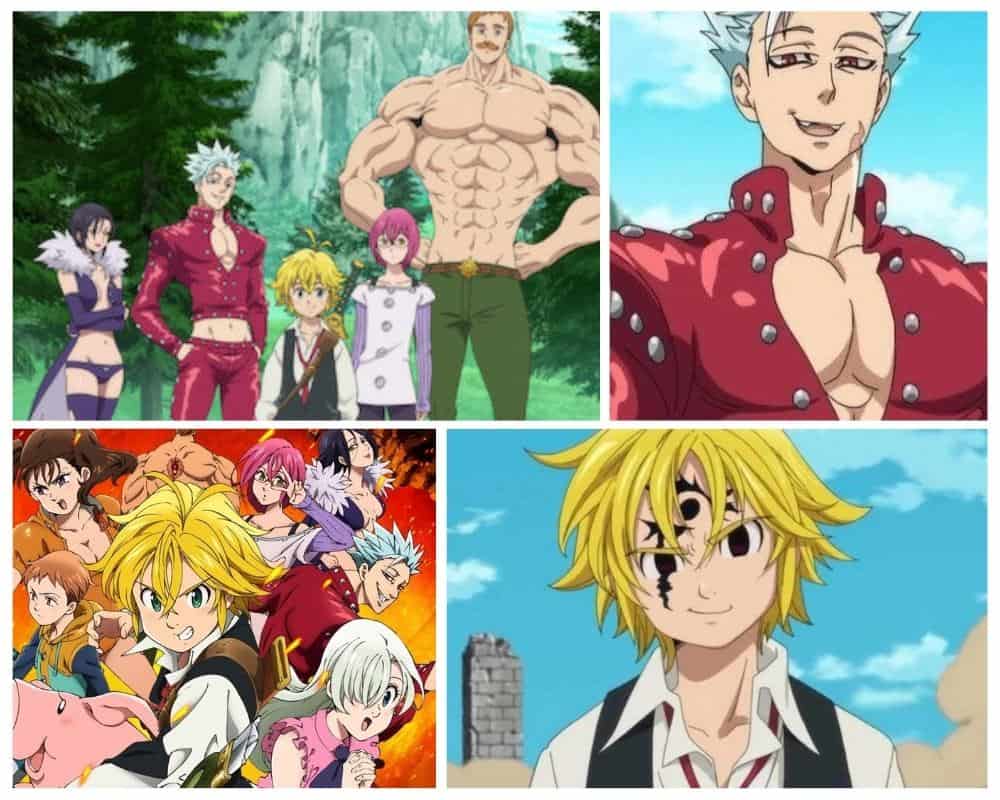
The fantasy shonen with overt fan service. Seven Deadly Sins (2014-2021, sequel series Four Knights of the Apocalypse currently airing) has Meliodas’s perpetual harassment of Elizabeth as a running gag throughout the series. Diane’s giant scale also factors into recurring fan service scenes. The show is otherwise a fairly standard fantasy shonen with strong production values in the early seasons.
18Bakemonogatari (Monogatari Series)
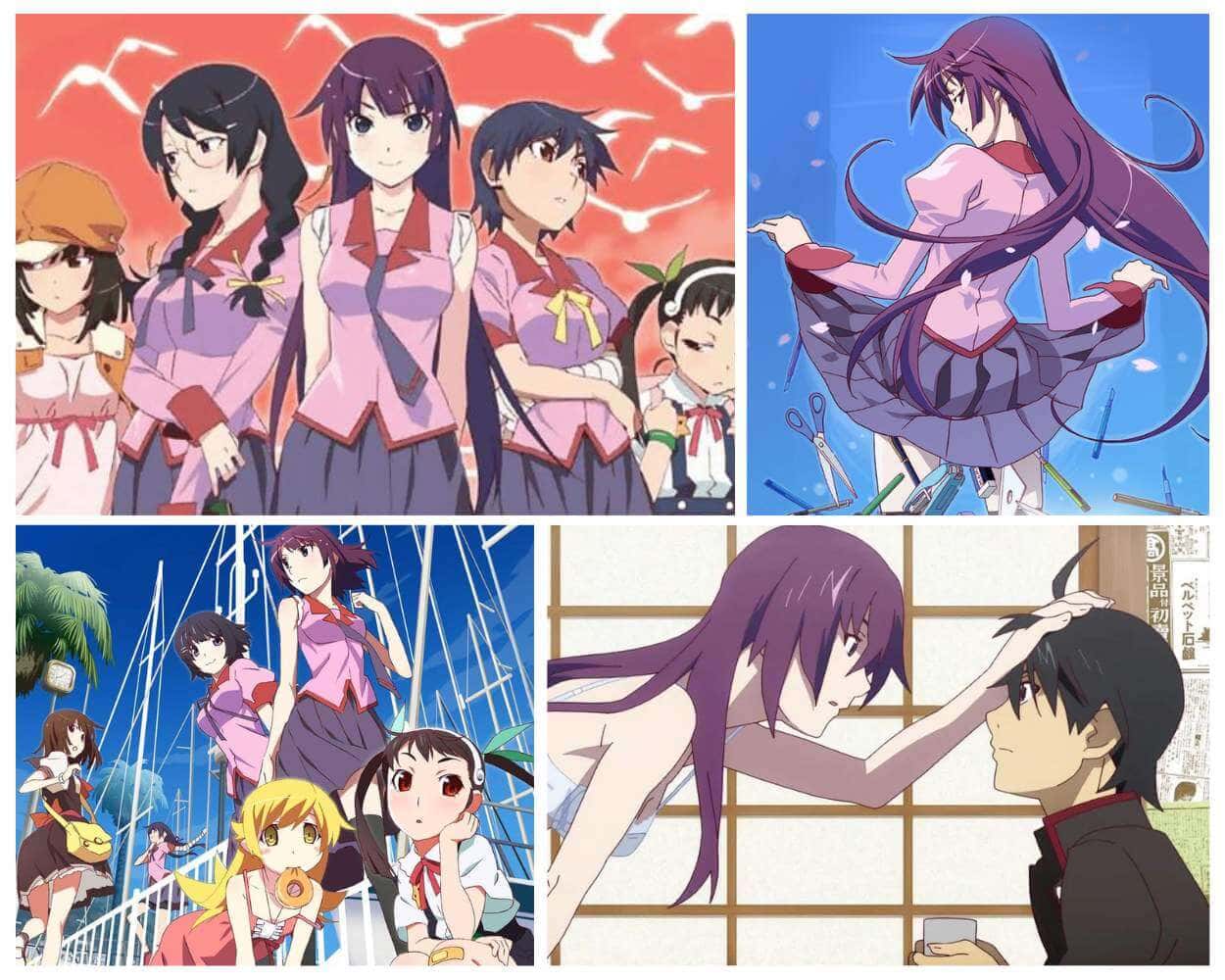
The critically acclaimed Monogatari series. SHAFT’s adaptation of NisiOisin’s novels combines extremely stylized direction, dense wordplay, and consistent fan service. The show is famously polarizing: viewers either love the dialogue-heavy presentation or bounce off it within an episode. The fan service is part of the package.
Bakemonogatari is the entry point. The full Monogatari series has been ongoing for over 15 years now.
17To LOVE-Ru
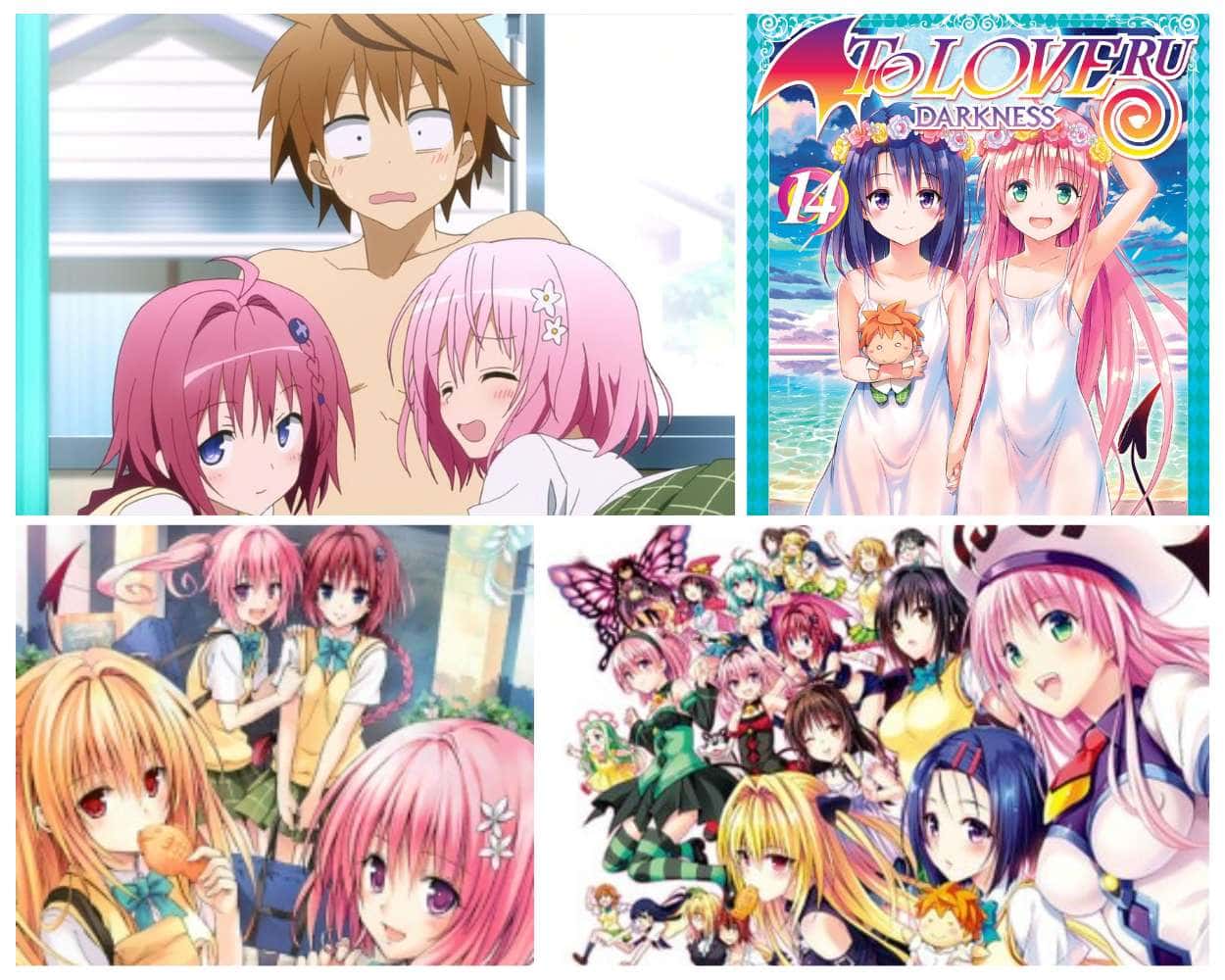
The harem ecchi standard-bearer. To LOVE-Ru (2008-2015 across multiple series) follows Rito Yuuki, who accidentally gets engaged to alien princess Lala after she materializes naked in his bathtub. The series builds from there into one of the largest harems in mainstream anime, with new love interests added across each subsequent season.
The fan service is extensive. The show is one of the foundational texts of modern ecchi.
16Sekirei
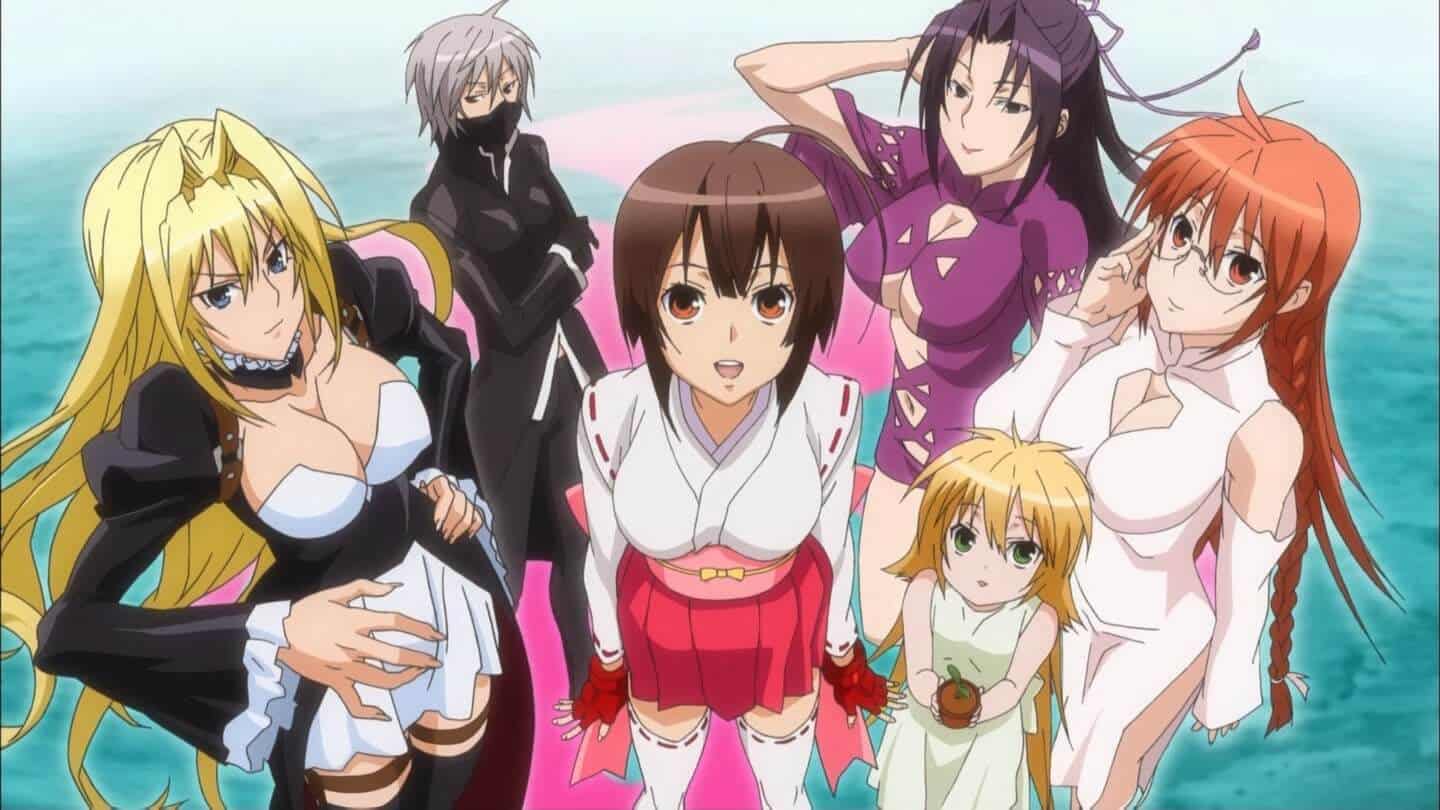
The battle royale harem ecchi. Sekirei (2008-2010) features superpowered female warriors called Sekirei who must bond with human partners to reach full power. The bonding involves kissing, the costume design choices are extensive, and the actual plot involves a city-wide tournament. Tsukiumi, Musubi, and Matsu are some of the era’s iconic ecchi-anime characters.
15Don’t Toy With Me, Miss Nagatoro (Ijiranaide, Nagatoro-san)

The 2021 teasing-girl romance. Nagatoro is a high school first-year who consistently teases (and gradually develops feelings for) her senpai. The show has substantial fan service but, similar to My Dress-Up Darling, also has real character work and a slow-burn romance at its core. Two seasons currently exist with more planned.
14Call of the Night (Yofukashi no Uta)

The 2022 vampire romance with notable fan service. Call of the Night follows Kou Yamori, an insomniac middle school student, and Nazuna Nanakusa, the older vampire who shows him the city after dark. The fan service is built into Nazuna’s character (she’s a vampire who needs intimate contact to drink blood properly), but the show’s main appeal is its melancholy nighttime mood and its genuinely sweet central relationship.
13Date A Live
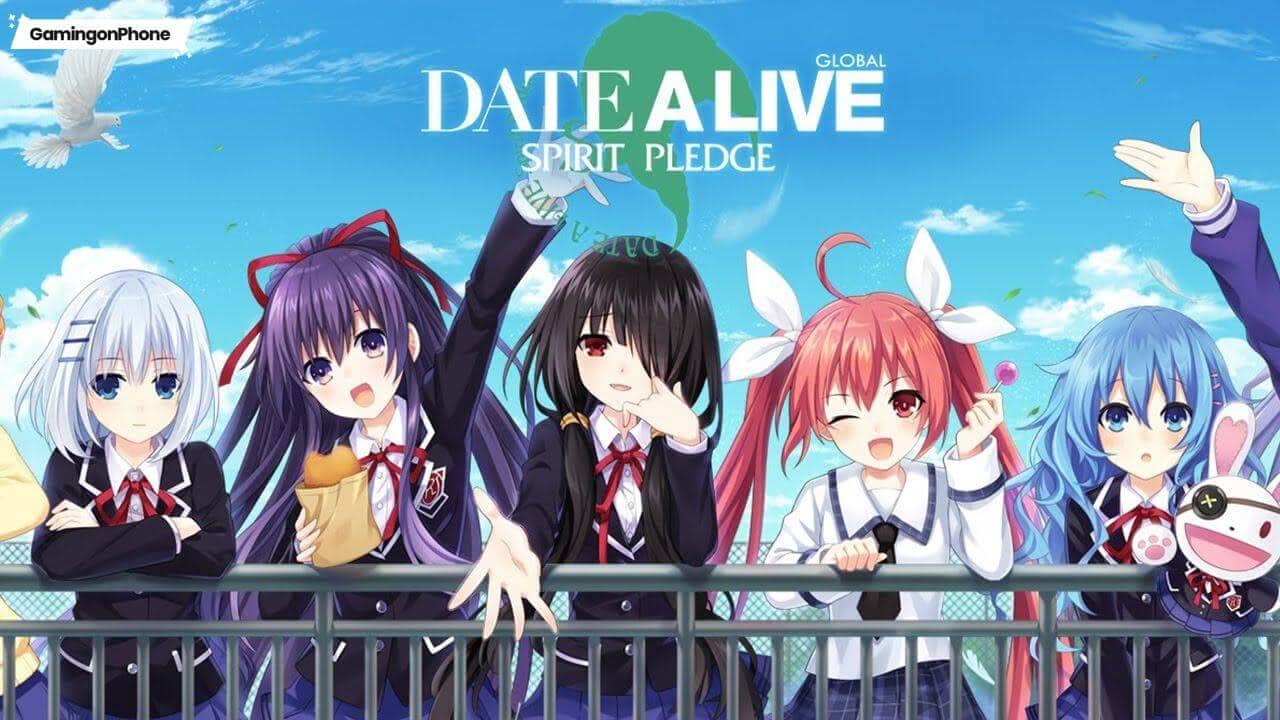
The supernatural-dating ecchi. Date A Live (2013 onward, currently on its fifth season) has a high concept: dimensional disasters can only be prevented by getting their female “Spirit” embodiments to fall in love with the protagonist Shido. So he dates them. Repeatedly. The show treats this absurd premise with surprising sincerity.
Five seasons in 2026, with continued storylines and an active community.
12Monster Musume: Everyday Life with Monster Girls
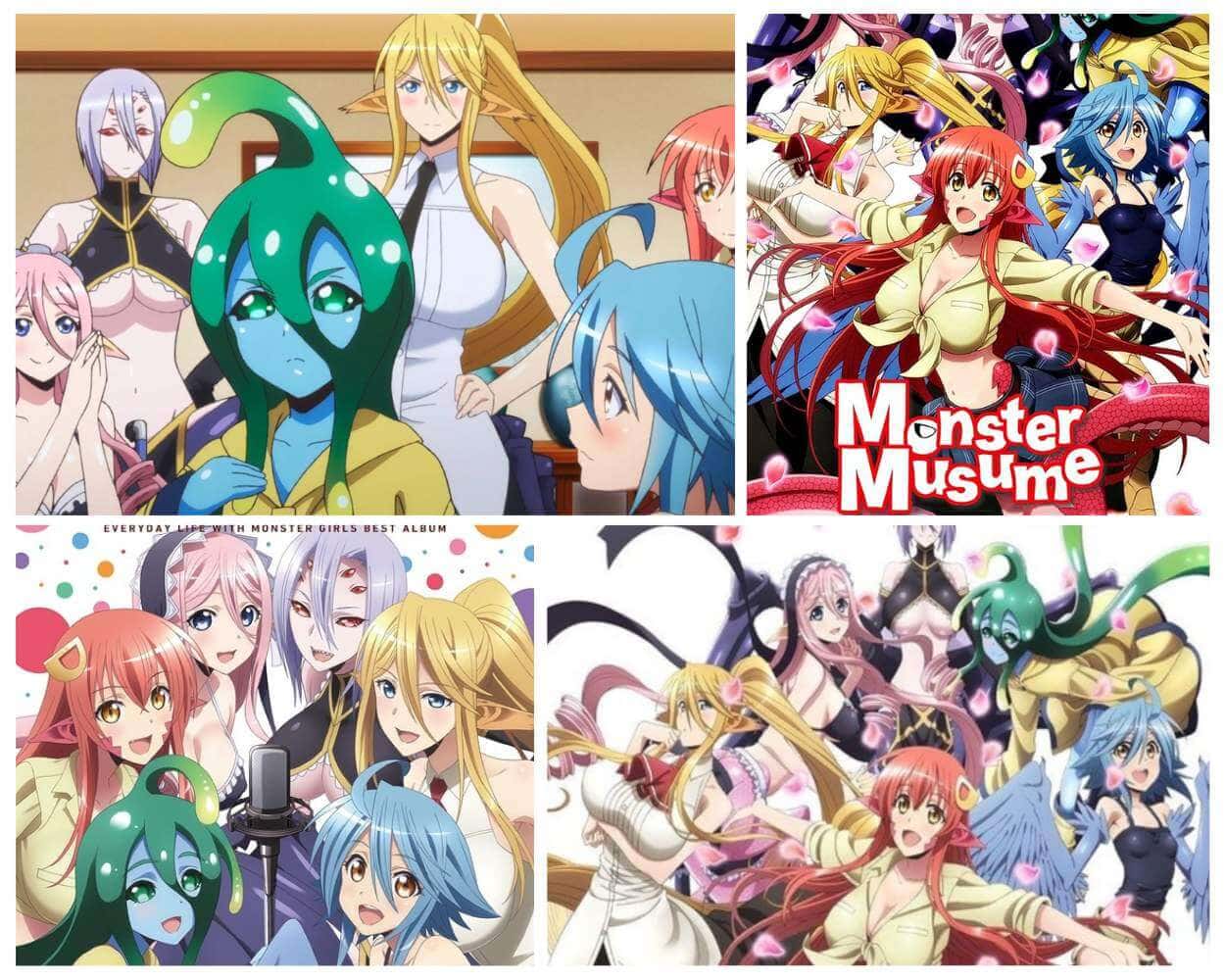
The monster-girl ecchi. Monster Musume (2015) is about a Japanese government program for “extra-species cultural exchange” where human families host non-human women. Each woman in the harem is a different mythological monster (lamia, harpy, centaur, slime girl, mermaid). The fan service is built into the species-design comedy. The show is one of the foundational works of the modern monster-girl ecchi subgenre.
11No Game No Life
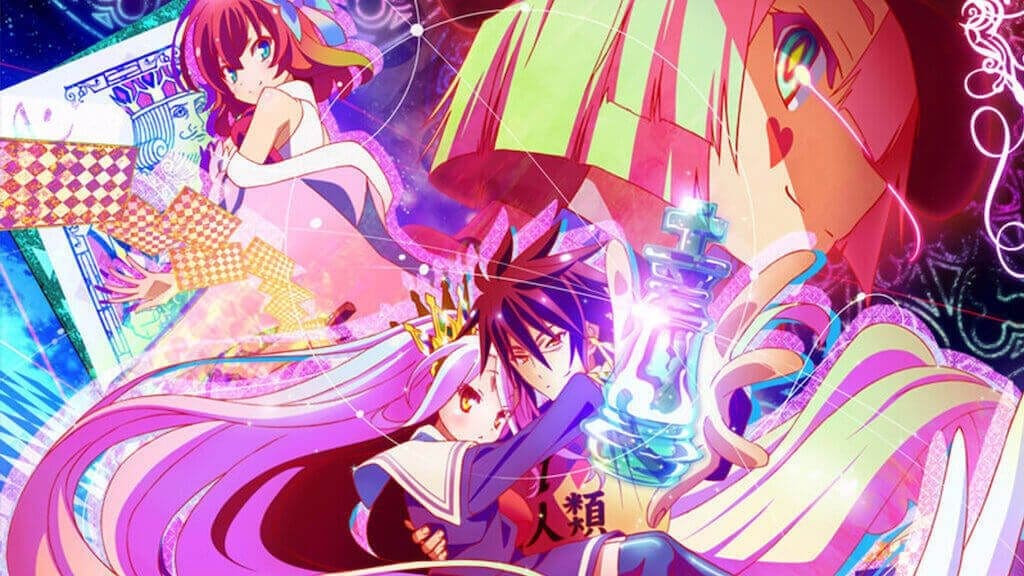
The isekai with substantial fan service. No Game No Life (2014) follows siblings Sora and Shiro, gaming prodigies who get pulled into a world where everything is decided by games. The fan service primarily centers on Shiro (the younger sister, presented in ways that have aged controversially), Stephanie Dola, and various other characters. The actual game-theory plotting is sharp, which is why the show endures despite ongoing debates about its content.
10Is It Wrong to Try to Pick Up Girls in a Dungeon? (DanMachi)
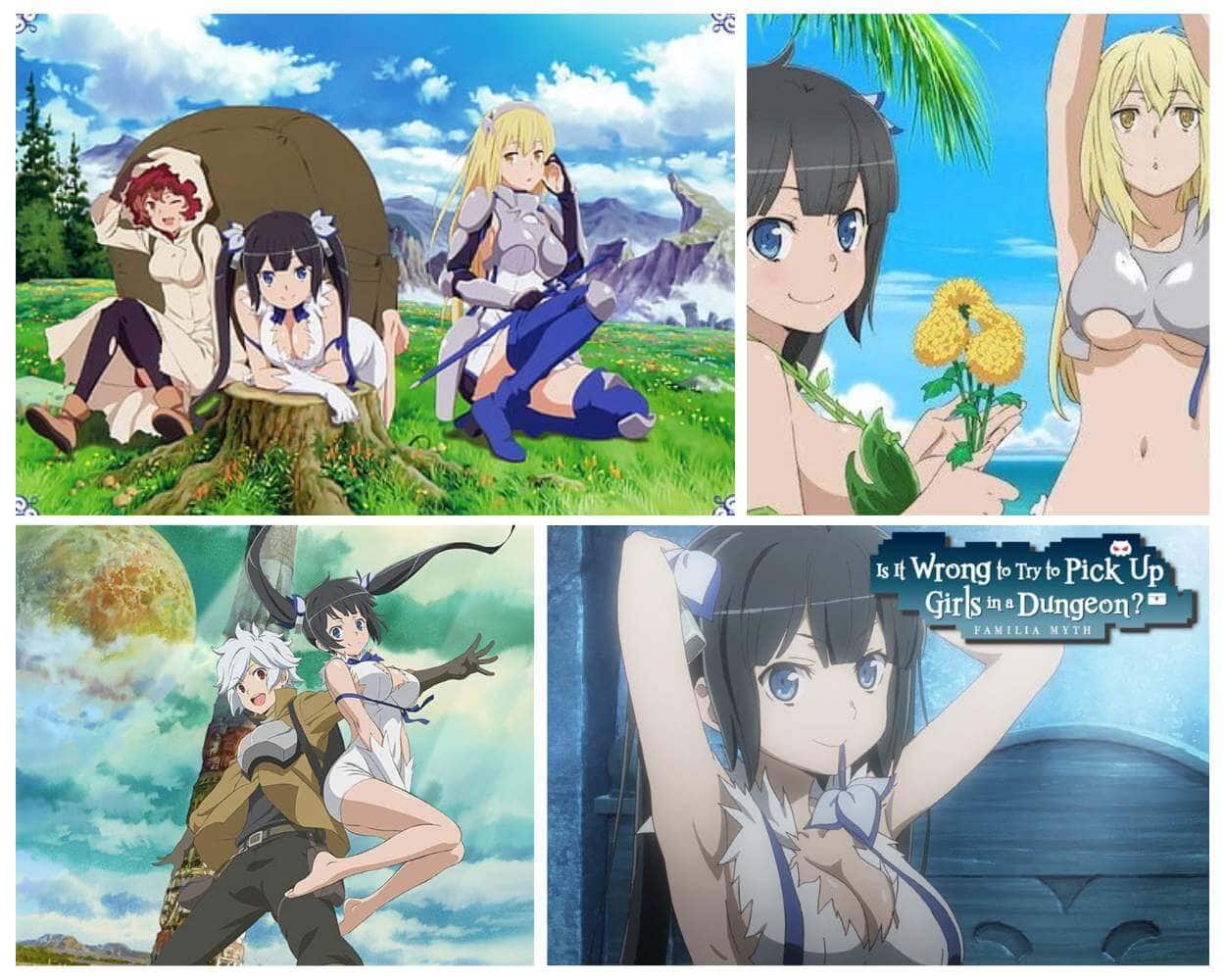
The light-fantasy-ecchi-adventure. DanMachi (2015 onward, currently on its fifth season) follows Bell Cranel, an aspiring adventurer in a dungeon-exploration setting. The fan service is more restrained than most shows on this list, but the harem element is strong, and Hestia’s design is iconic.
9Highschool of the Dead
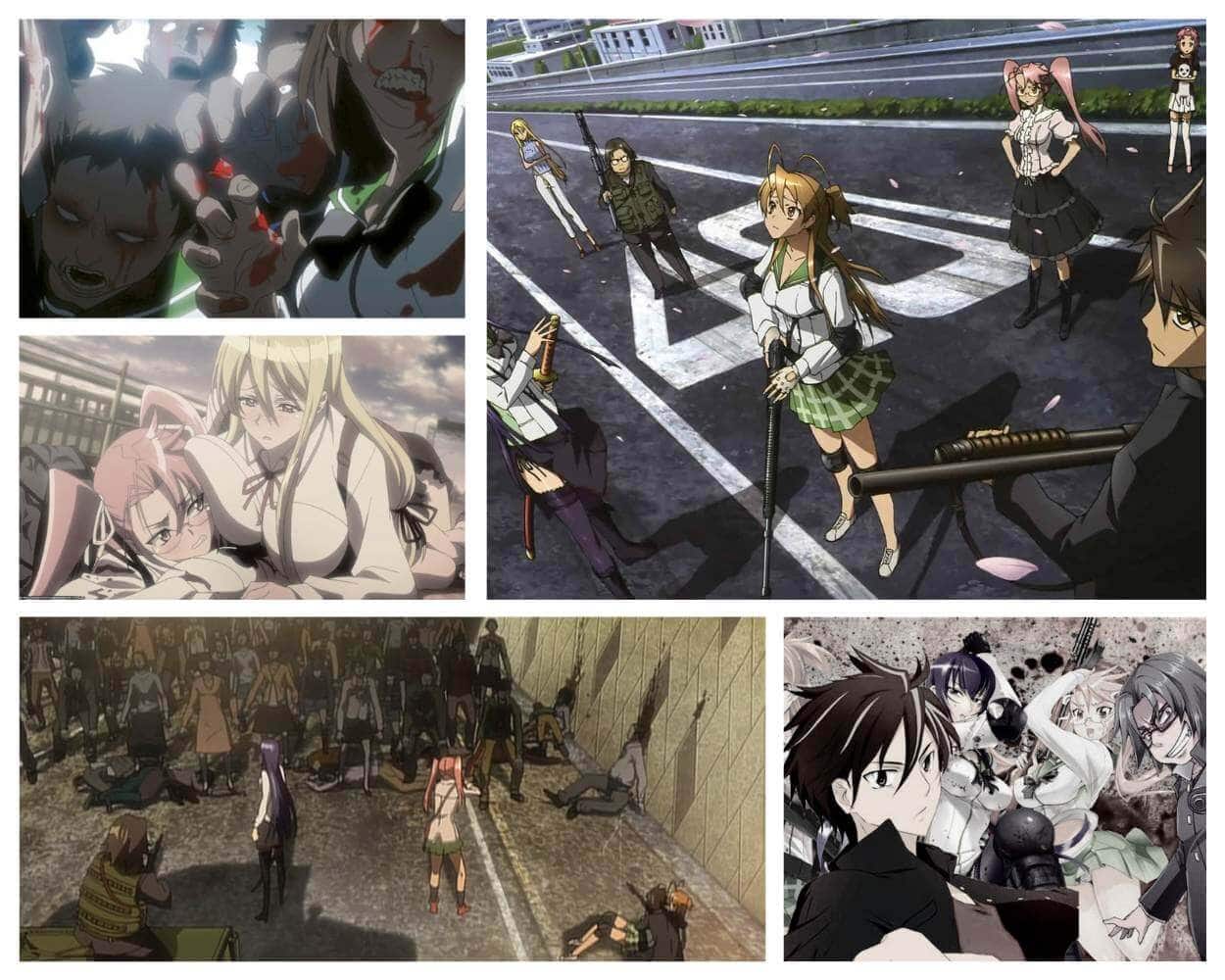
The zombie apocalypse ecchi. Highschool of the Dead (2010) combines zombie action with extremely committed fan service. The manga was discontinued when the original author Daisuke Sato passed away, and a second season of the anime was never produced. But the existing 12-episode run is a fan service classic of the genre.
8Free! Iwatobi Swim Club
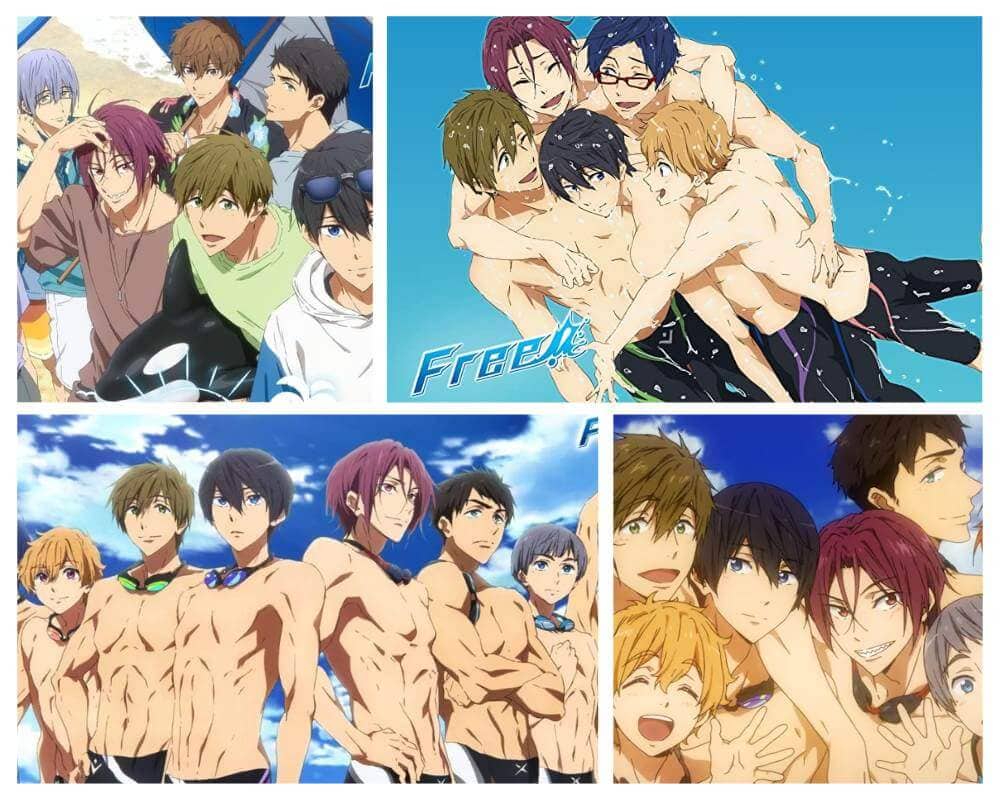
The “manservice” entry: Free! (2013 onward) flips the standard fan service direction. The show follows a high school swim team consisting of athletic young men, animated with extreme attention to physique. It demonstrates that fan service in anime is not unidirectional, and the show has its own large and devoted fan base.
The fan service in Free! is exactly as committed as fan service in any harem ecchi, just aimed at a different demographic. Important entry in any honest fan service anime discussion.
7Saekano: How to Raise a Boring Girlfriend
The 2015 meta-otaku ecchi. The show follows Aki Tomoya assembling a team of female creators to make the perfect dating sim game. It contains commentary on the otaku culture that creates and consumes ecchi content, while also being ecchi content itself. The recursive nature of the show is part of its appeal.
6Nisekoi
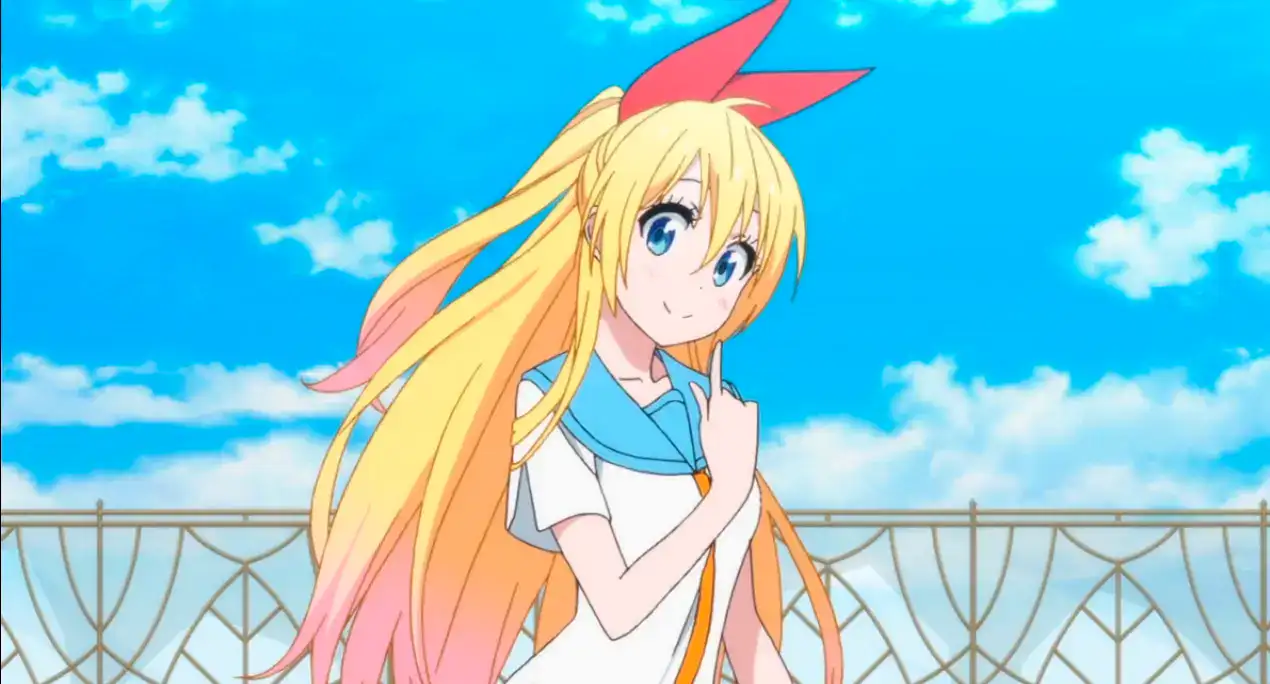
The love polygon rom-com. Nisekoi (2014-2015) is more of a shonen rom-com than pure ecchi, but the harem structure and the various girls’ fan service moments place it on this list. The Chitoge versus Onodera debate famously dominated anime discourse for the entire series’ run.
5Yuragi-sou no Yuuna-san
The 2018 haunted-hot-springs ecchi. The show follows protagonist Fuyuzora Kogarashi, who can see spirits, as he moves into a haunted inn full of (mostly female) supernatural beings. The hot springs setting provides constant opportunities for fan service scenes. One of the more pure-ecchi entries on this list.
4Strike Witches
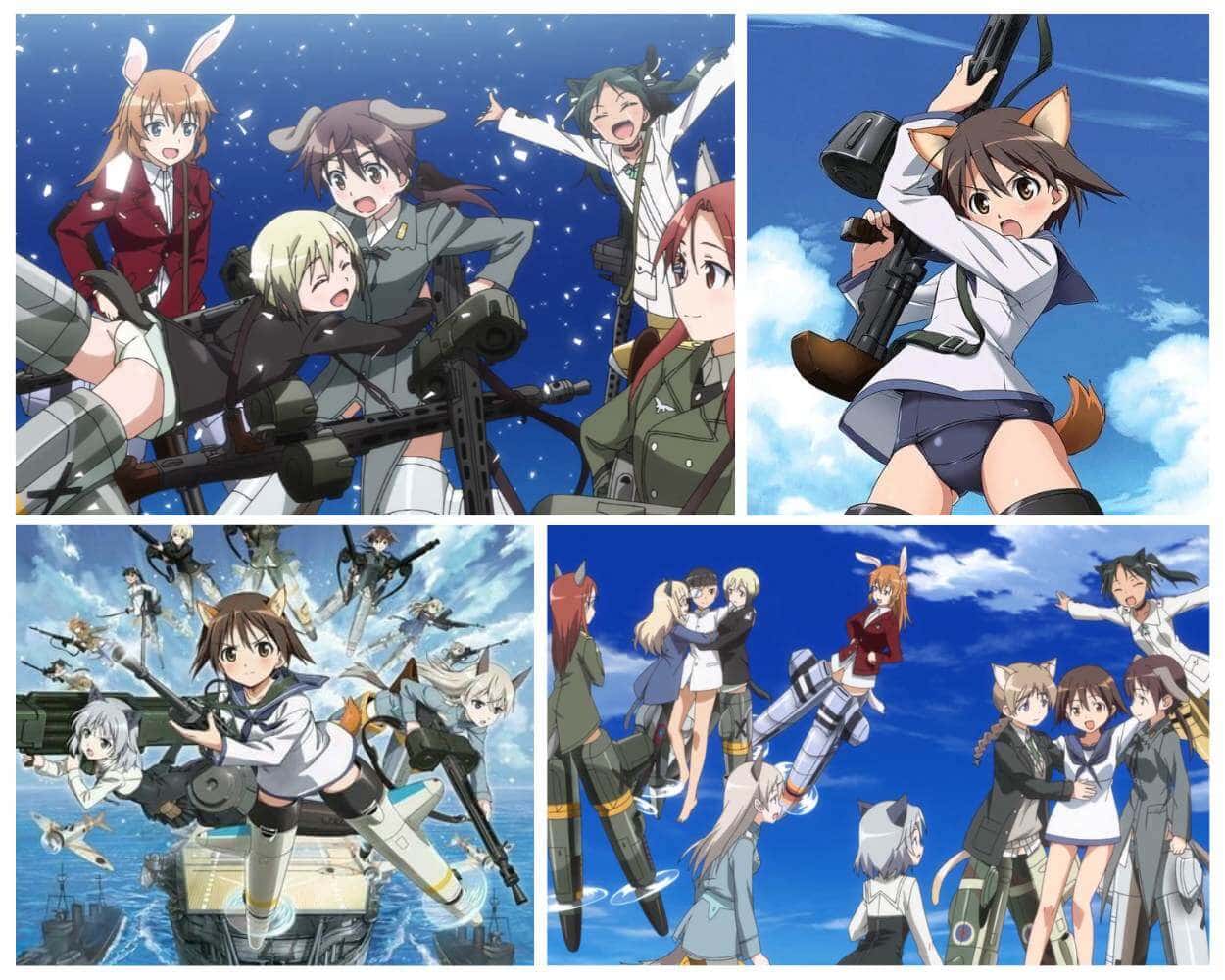
The alt-history magical-military fan service. Strike Witches (2008 onward) features magical girls in an alternate WWII fighting alien invaders with mechanical leg-jet attachments. The witches don’t wear pants, which the show’s universe explains as a magical requirement for their abilities. The franchise has multiple seasons and spinoffs.
3Keijo!!!!!!!!
The 2016 absurdist sports ecchi. Keijo introduces a fictional sport where female athletes compete by knocking each other off floating platforms using only their chest and rear. The premise is gleefully ridiculous. The show treats it as a serious sports anime, with training arcs, rival schools, and tournament structure. It’s either entirely your sense of humor or it’s not.
2Rosario + Vampire
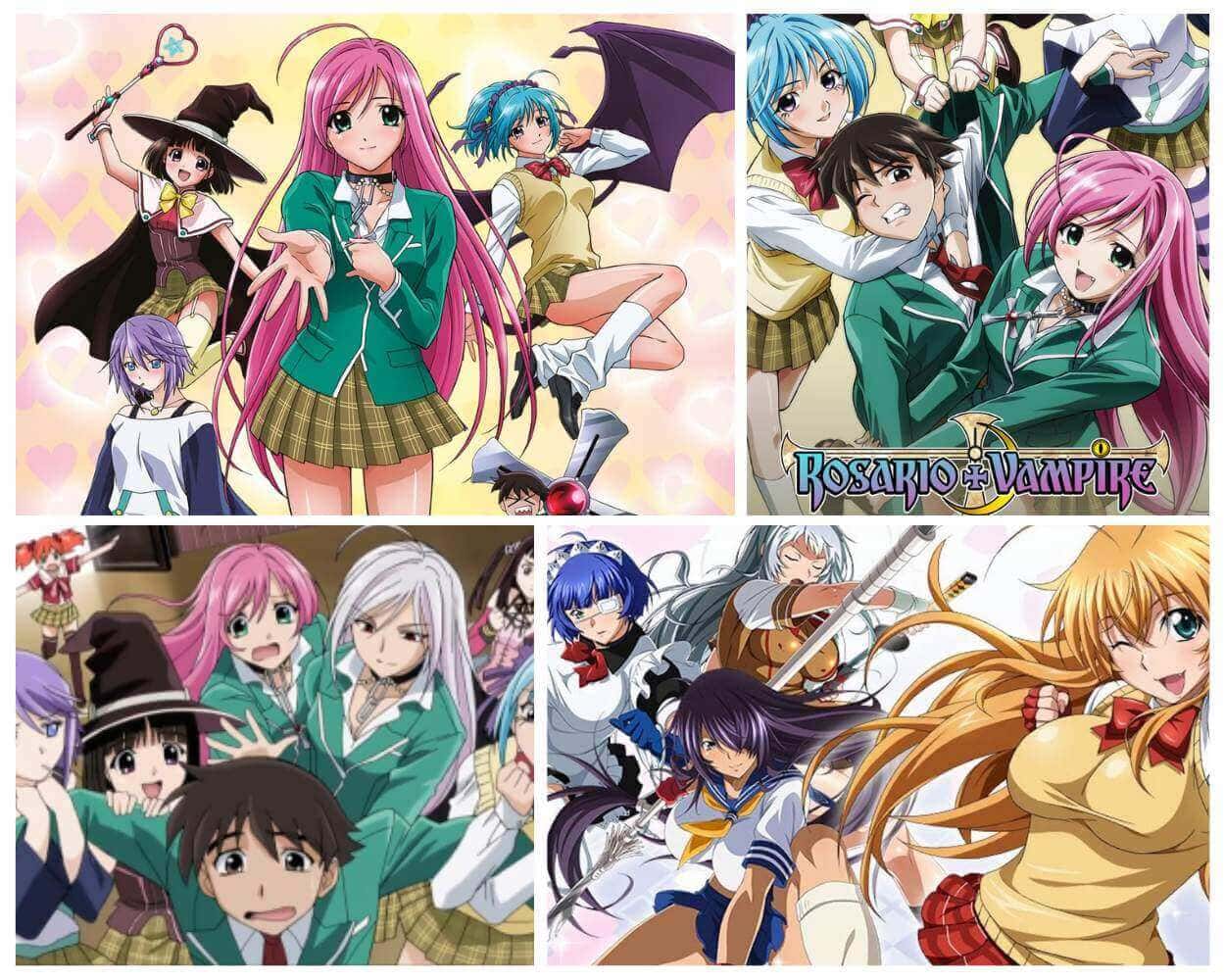
The supernatural school harem. Rosario + Vampire (2008-2009) follows Tsukune Aono, the only human at a school for supernatural beings. He attracts a harem of monster girls including Moka the vampire, Kurumu the succubus, Mizore the snow girl, and Yukari the witch. Foundational text in the modern monster-girl harem subgenre.
1Uzaki-chan Wants to Hang Out!
The 2020 friendship-or-romance ecchi. The show follows college student Sakurai and his much-shorter, much-louder underclassman Uzaki, who has decided he’s lonely and needs constant companionship. The show has substantial fan service centered on Uzaki, but the actual dynamic is more friendship comedy than romance. Two seasons exist with potential continuation.
What Makes Fan Service Anime Work When It Works
The fan service anime that endure tend to share three traits:
- Real character writing underneath. My Dress-Up Darling, Food Wars, and Call of the Night all use their fan service in service of characters who exist as real people. The shows that fail tend to be the ones where the fan service IS the character.
- Production values that match the ambition. Kill la Kill, Food Wars, and Quintessential Quintuplets all had genuinely high-quality animation that took the rest of the show seriously. The ecchi-tier shows that look low-budget tend not to be remembered.
- Consistency about what they are. Shows that commit to being fan service anime tend to do better than shows that try to bury the fan service or pretend it isn’t there. Honest framing matters.
The Modern Wave of Fan Service Anime
What changed in the 2020s: The fan service anime of the post-2020 era (My Dress-Up Darling, Quintessential Quintuplets, Nagatoro, Call of the Night) tend to handle their fan service with significantly more care than the genre’s 2008-2015 peak. The female characters are usually treated as actual people with their own emotional arcs. The romances often have real stakes. The shows are more comfortable being “ecchi-adjacent” rather than full ecchi. This shift reflects broader changes in how anime fans engage with the genre and what audiences are willing to support.
What’s Not on This List
A few categories of “fan service anime” that I deliberately left off:
- OVA-only ecchi content that crosses into adult-only territory (these belong on different lists for different audiences)
- Shows that are essentially softcore with a minimal plot wrapper (Masou Gakuen HxH, Manyuu Hikenchou, and similar)
- Shows with primarily underage character fan service (which gets uncomfortable to recommend regardless of country-of-origin context)
- Hentai-adjacent franchises that have crossover material with the standard ecchi space
Where to Watch These Shows
As of 2026:
- Crunchyroll: High School DxD, Food Wars, My Dress-Up Darling, Quintessential Quintuplets, Fairy Tail, Seven Deadly Sins, DanMachi, Date A Live, most modern picks
- HIDIVE: Strike Witches, various ecchi catalog
- Netflix: Selected catalog including some Monster Musume content (regions vary)
- Funimation merged catalog (now Crunchyroll): To LOVE-Ru, Sekirei, Highschool of the Dead, older ecchi titles
- Various adult-anime platforms: The more explicit content sits outside the mainstream streamers
The Fan Service Anime Legacy
The honest take: Fan service anime is a real and durable subgenre with a real audience. The best shows in the category use the fan service as part of a larger creative whole. The worst shows use it as the entirety of their creative ambition. Where individual viewers land on whether the genre is enjoyable, problematic, or both depends entirely on the show and the framing. The genre is healthier when it leans into character writing (Dress-Up Darling, Food Wars) and less healthy when it leans only on the fan service (countless lesser shows). Either way, the genre is here to stay.
So, what’s your favorite fan service anime, and which entry on this list are you adding to your watch list? For me, My Dress-Up Darling is the modern gold standard, Food Wars is the most fun, and Kill la Kill is the most ambitious. Tell me yours.