The best cartoon characters tend to fall into one of two camps. Either they’re the straight man whose entire purpose is reacting to the chaos around them, or they are the chaos itself. The first kind makes a show watchable. The second kind makes a show iconic.
Chaos in animation is a feature, not a bug. The medium is built for it. A live-action character can’t suddenly transform into a tornado, set their own house on fire and walk away unscathed, or open a portal to another dimension between sentences. Cartoons let chaos exist as a personality trait rather than a plot device. The 17 characters below all turned that permission into something genuinely memorable.
Some of them are evil. Some of them are heroic. All of them are operating on rules that don’t quite match anyone else’s. Here they are, organized roughly by what kind of chaos they represent.
Chaotic Evil: The Genuine Threats
17Bill Cipher (Gravity Falls)
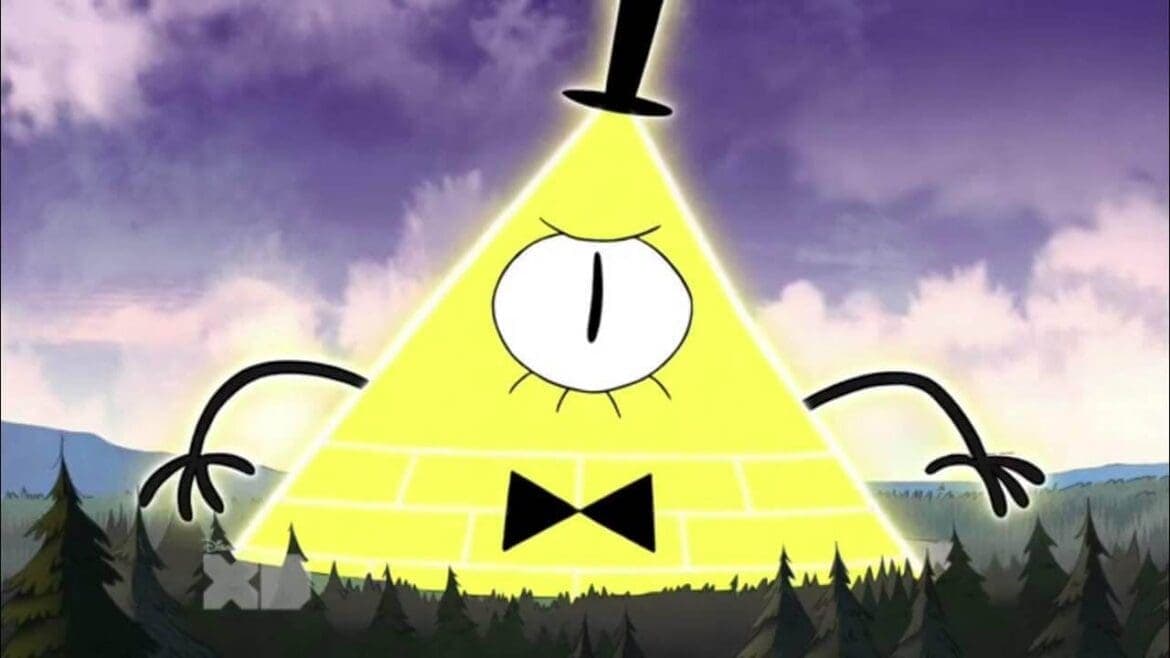
The most genuinely terrifying cartoon villain of the 2010s. Alex Hirsch‘s Gravity Falls (2012-2016) gave us Bill Cipher, an interdimensional dream-demon shaped like a one-eyed triangle who exists outside the laws of physics, time, and reality. He’s voiced by Alex Hirsch himself, who pitches his voice into a high-energy, manic register that makes Bill simultaneously charming and absolutely menacing.
Bill’s chaos isn’t random. He’s smarter than every other character on the show, plays long-game manipulation across multiple seasons, and his ultimate goal (bringing his dimension’s chaos into the human world) is genuinely apocalyptic. The Weirdmageddon arc of Gravity Falls’s second season is one of the best villain payoffs in cartoon history.
The show ended in 2016 partly because Hirsch refused to drag Bill out as a recurring villain. He’s appeared in spinoff materials since but the core Gravity Falls run remains his definitive form.
16Mojo Jojo (The Powerpuff Girls)
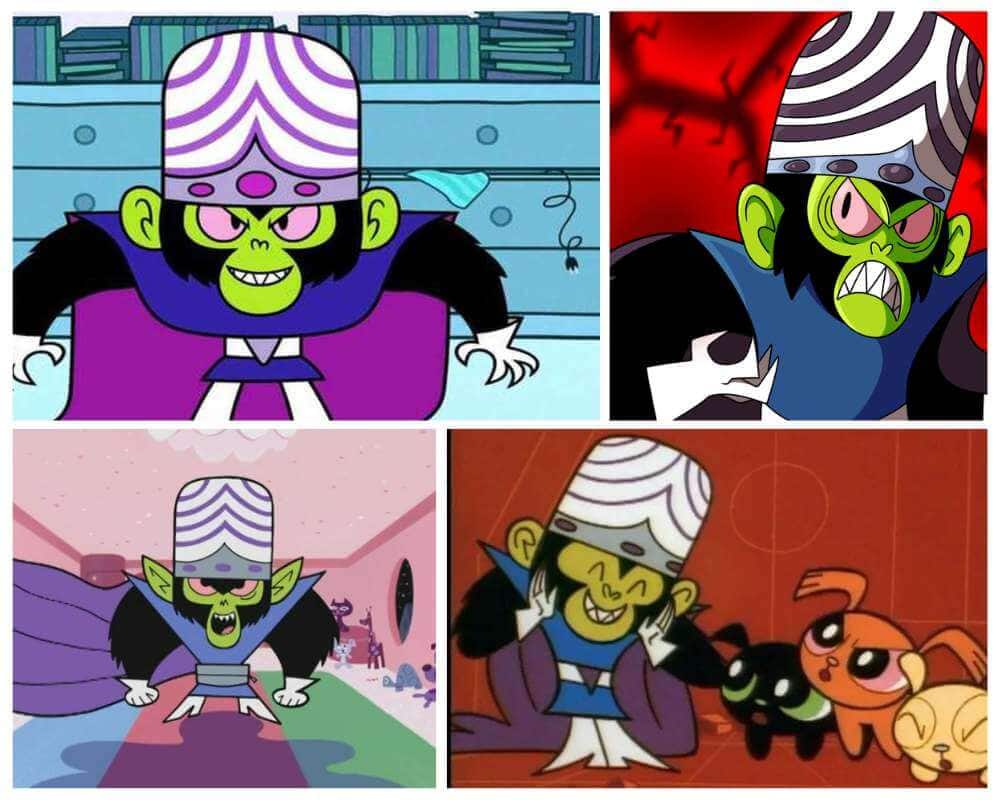
Mojo Jojo is voiced by Roger L. Jackson, who also voices Ghostface in the Scream franchise. Knowing this changes how you hear his Mojo performance. The same actor whose voice has terrified horror audiences for decades brings constant theatrical menace to the Powerpuff Girls’ arch-villain.
Mojo’s signature speech pattern (repeating himself with slight variations and ending with “and also that,” continuing well past the point any sane person would stop) became one of the most quotable bits in Craig McCracken‘s 1998-2005 Cartoon Network series. His grand schemes are always elaborate, almost always doomed, and he never stops trying.
The character returned in the 2016 reboot and has appeared in multiple Powerpuff revivals. Some characters can’t be killed off because they’re too good to lose.
15Mojo’s Boss-Level Equivalent: Rick Sanchez (Rick and Morty)
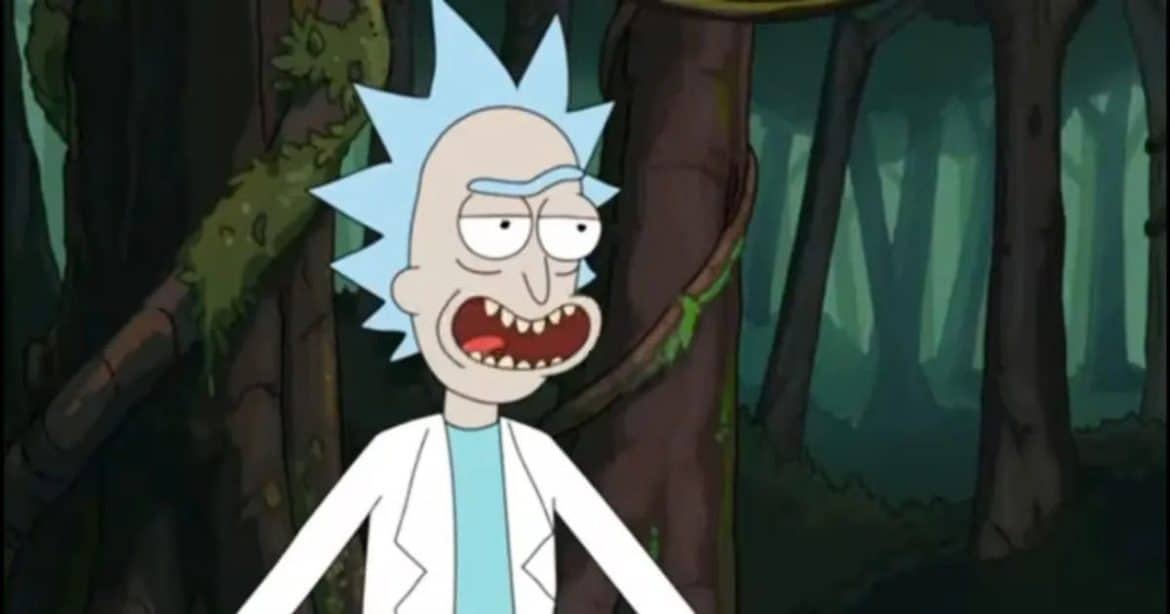
Rick Sanchez isn’t technically evil, but he’s chaotic in ways that consistently destroy worlds. Created by Dan Harmon and Justin Roiland in 2013 for Adult Swim, Rick is a hyper-intelligent alcoholic grandfather scientist who drags his grandson Morty across the multiverse on various scientific and personal vendettas.
Rick’s chaos is the chaos of a person who has seen too much. He’s witnessed infinite versions of himself, knows there’s no objective meaning, and has decided that the only sensible response is constant cynical destruction with occasional bursts of unexpected emotional warmth. Justin Roiland’s voice work (he was the original voice of both Rick and Morty) gave the character a distinctive slurring, burping delivery that became culturally inescapable.
Roiland was fired from the show in early 2023 following domestic abuse allegations. The series has continued with new voice actors taking over the Rick role and is now in its seventh season.
Chaotic Neutral: The Self-Interested Wildcards
14Bender (Futurama)
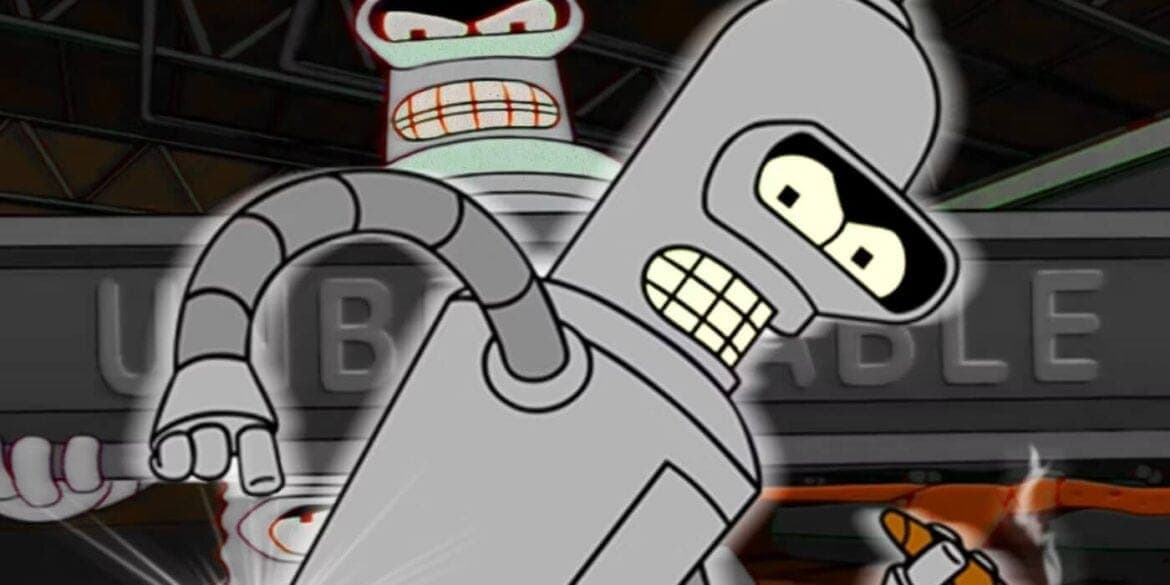
The platonic ideal of chaotic neutral. Bender Bending Rodríguez is voiced by John DiMaggio, whose performance is so distinctive that fans rebelled when Futurama considered recasting the character for the 2023 Hulu revival. DiMaggio ended up returning after public outcry.
Bender drinks. Bender smokes. Bender steals from his friends. Bender is canonically a child of unmarried robot parents who was built specifically to bend girders. He has been canonically a god to a microscopic civilization. He has been an internationally renowned chef. He has died, gone to robot hell, and returned. Bender contains multitudes.
Created by Matt Groening and David X. Cohen in 1999 for Fox (and resurrected multiple times since), Futurama’s Bender remains one of the great animated characters of the 2000s. His chaos is selfish but not malicious, except when it is.
13Roger (American Dad!)
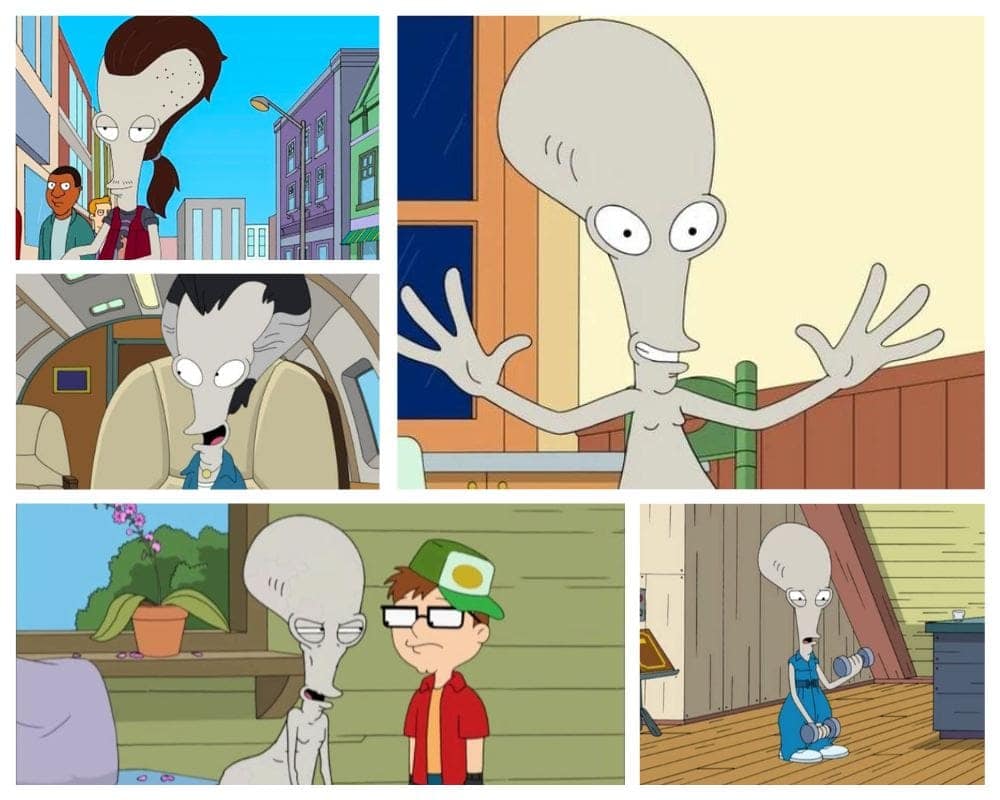
Roger Smith is the alien houseguest from American Dad! (2005-present), voiced by series creator Seth MacFarlane. The character has played hundreds of different personas across the show’s run, with each appearance featuring a new costume, identity, and worldview that Roger adopts purely on whim.
What makes Roger chaotic neutral rather than evil is that he has no consistent goal beyond his own entertainment. He’ll save the family one episode, betray them the next, marry a houseplant the third, and the show treats it all as equally valid Roger behavior. The character has become American Dad!’s breakout star to the point where the show is often described as “the Roger show with a Smith family attached.”
12Harley Quinn (DC)
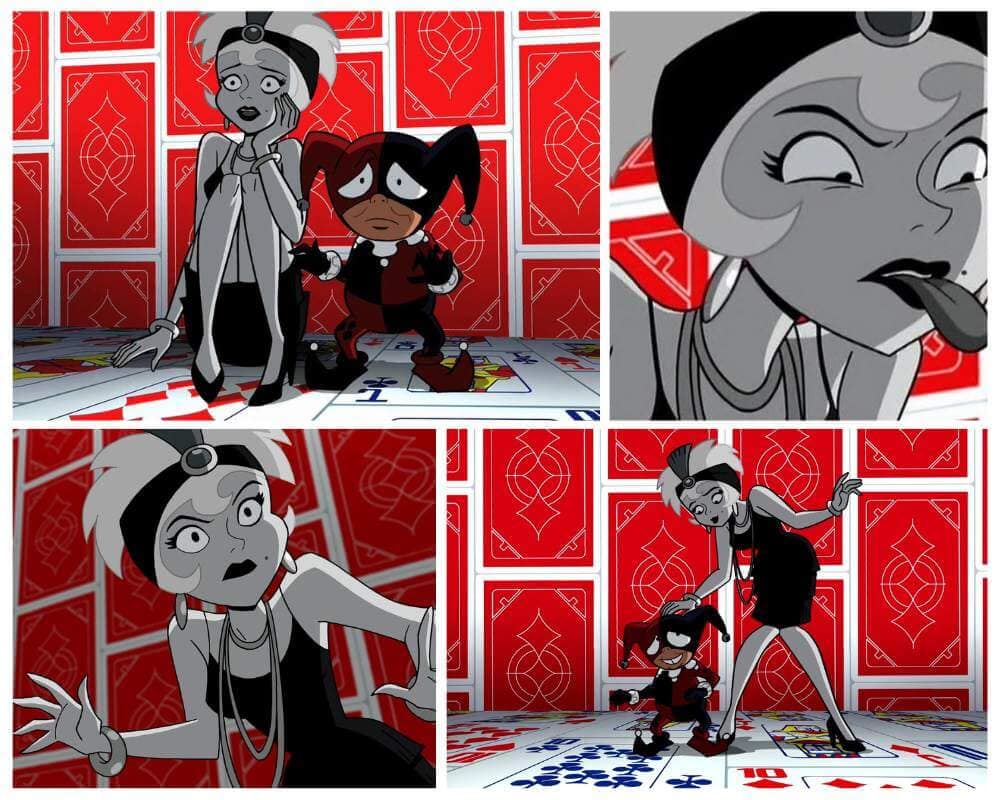
Harley Quinn was created by Paul Dini and Bruce Timm for Batman: The Animated Series (1992-1995). The character debuted in the episode “Joker’s Favor” as a one-off henchman who proved so popular she became a permanent fixture. Originally voiced by Arleen Sorkin, Harley has since been voiced by Tara Strong and Kaley Cuoco in various projects.
Harley’s chaos is the chaos of a brilliant psychiatrist (Dr. Harleen Quinzel, PhD) who fell in love with a patient and lost her professional identity in the process. Across decades of comic, TV, and film appearances, she’s swung between abused girlfriend, independent supervillain, anti-heroine, and full hero. The 2019-present HBO Max animated series Harley Quinn (voiced by Kaley Cuoco) made the character’s chaotic agency the focal point.
11Daffy Duck (Looney Tunes)
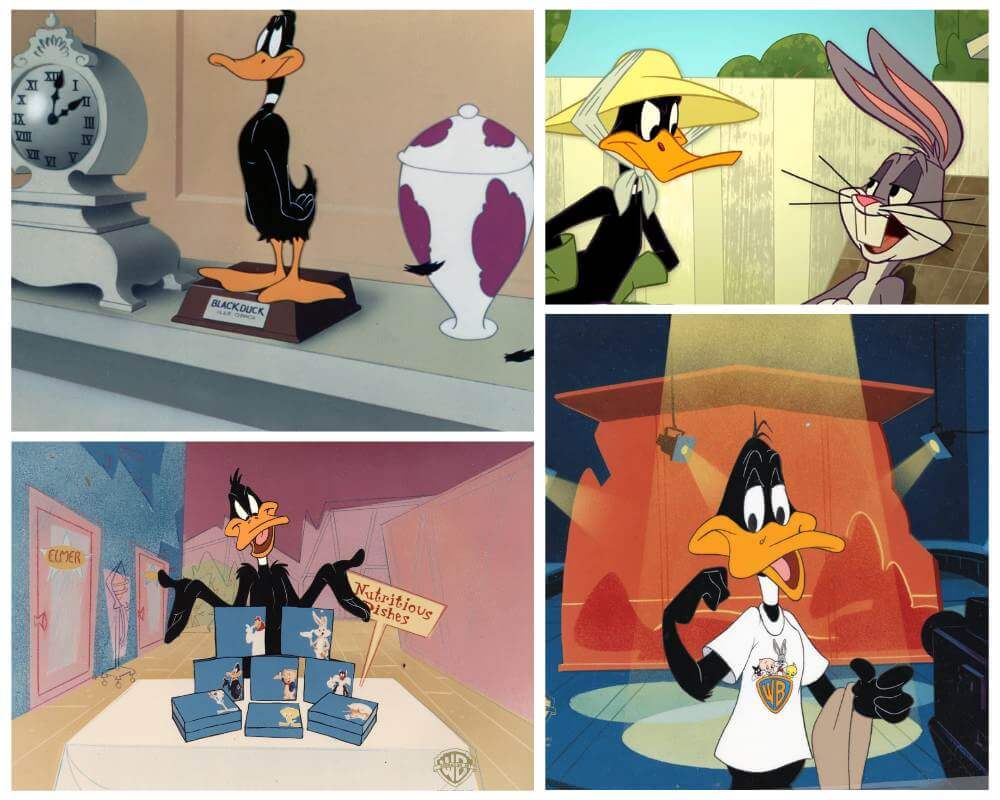
Daffy Duck was created in 1937 by Tex Avery, voiced for decades by the legendary Mel Blanc. Early Daffy was pure chaotic energy: literally bouncing off walls, defying physics, more interested in being weird than achieving anything. Later Daffy (under directors like Chuck Jones in the 1950s) evolved into a more grounded, jealous, scheming version of the character.
The Daffy we now think of is mostly the Chuck Jones version. Self-important, constantly outmaneuvered by Bugs Bunny, desperately wanting respect he can’t quite earn. His chaos comes from being too smart for his own good and too prideful to admit when he’s lost.
Chaotic Good: The Well-Meaning Disasters
10Stitch (Lilo & Stitch)
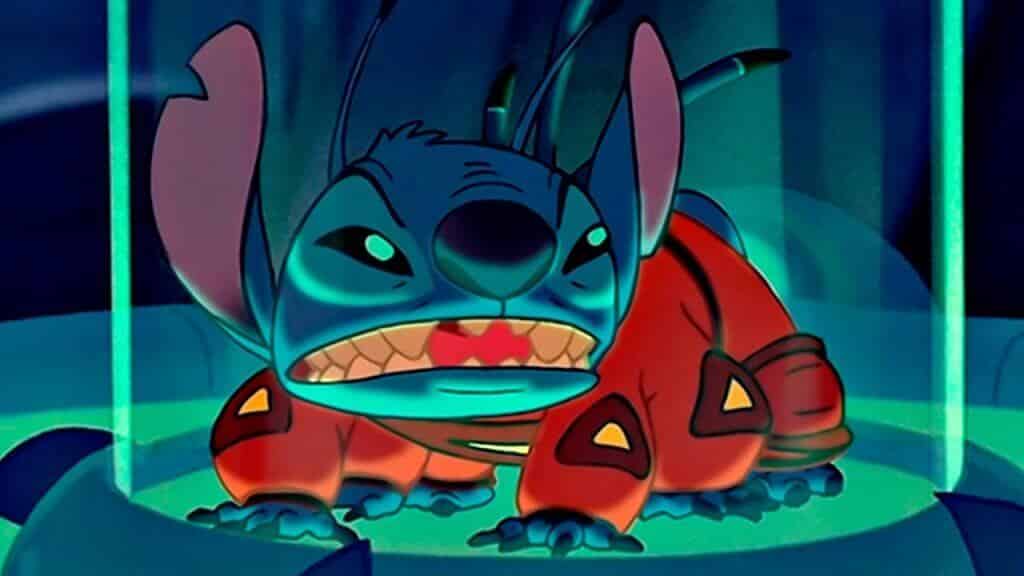
Experiment 626 (later Stitch) was designed by Dr. Jumba to be an unstoppable destruction machine. His original purpose: he is genetically incapable of swimming, has six retractable limbs, and was built to demolish cities. His official biological function is “chaos.” This is the canon premise.
Stitch was voiced and co-designed by Chris Sanders, who also directed the original 2002 Lilo & Stitch film. Sanders later went on to direct How to Train Your Dragon (2010) and The Croods (2013) at DreamWorks. His distinctive vocal performance and character design work made Stitch one of Disney’s most successful original characters of the 21st century.
The 2025 live-action Lilo & Stitch remake brought Stitch back to theaters and was a major box office success, proving the character still has cultural pull two decades after his debut.
9SpongeBob SquarePants

SpongeBob, voiced by Tom Kenny since the show’s 1999 debut, is chaos through pure enthusiasm. He’s not trying to cause problems. He’s just so committed to whatever activity he’s currently obsessed with that the people and infrastructure around him cannot survive his energy levels.
The mailbox-jellyfishing montage. The driving lessons. The endless karate matches with Sandy. The constant attempts to make Squidward laugh. SpongeBob’s chaos comes from absolute lack of social awareness combined with overwhelming joy. The fact that he doesn’t mean any harm doesn’t undo the structural damage.
Created by the late Stephen Hillenburg (who passed in 2018), SpongeBob remains Nickelodeon’s flagship and one of the longest-running animated series in television history with 14 seasons across its 25+ year run.
8The Warner Siblings (Animaniacs)
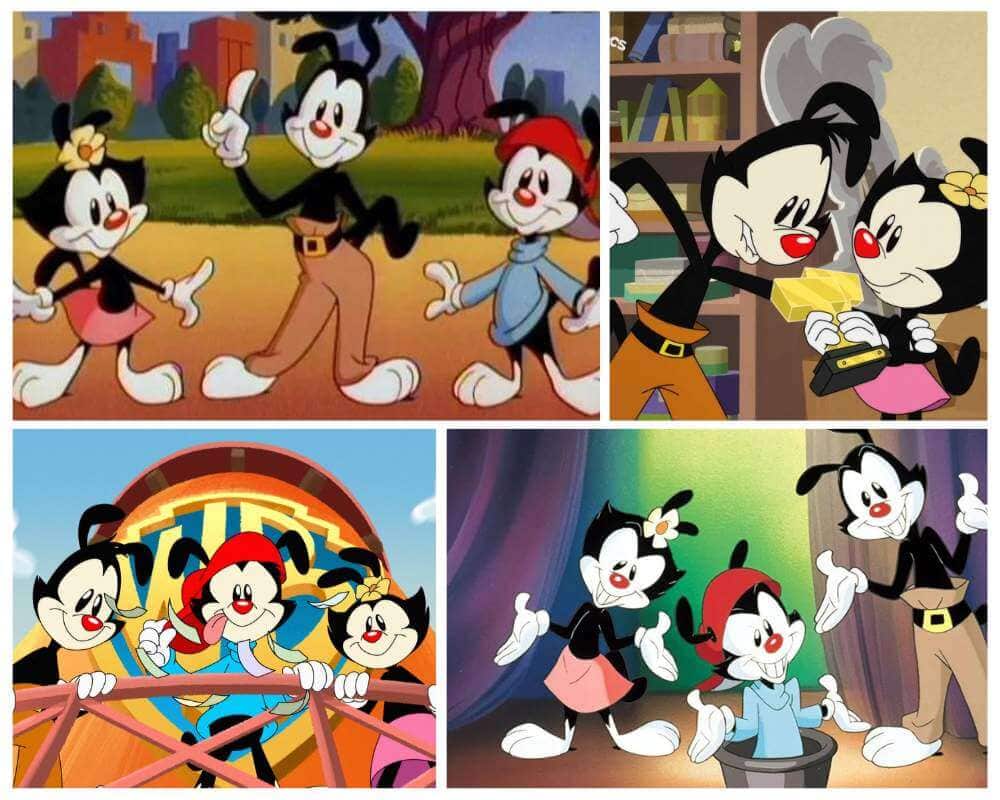
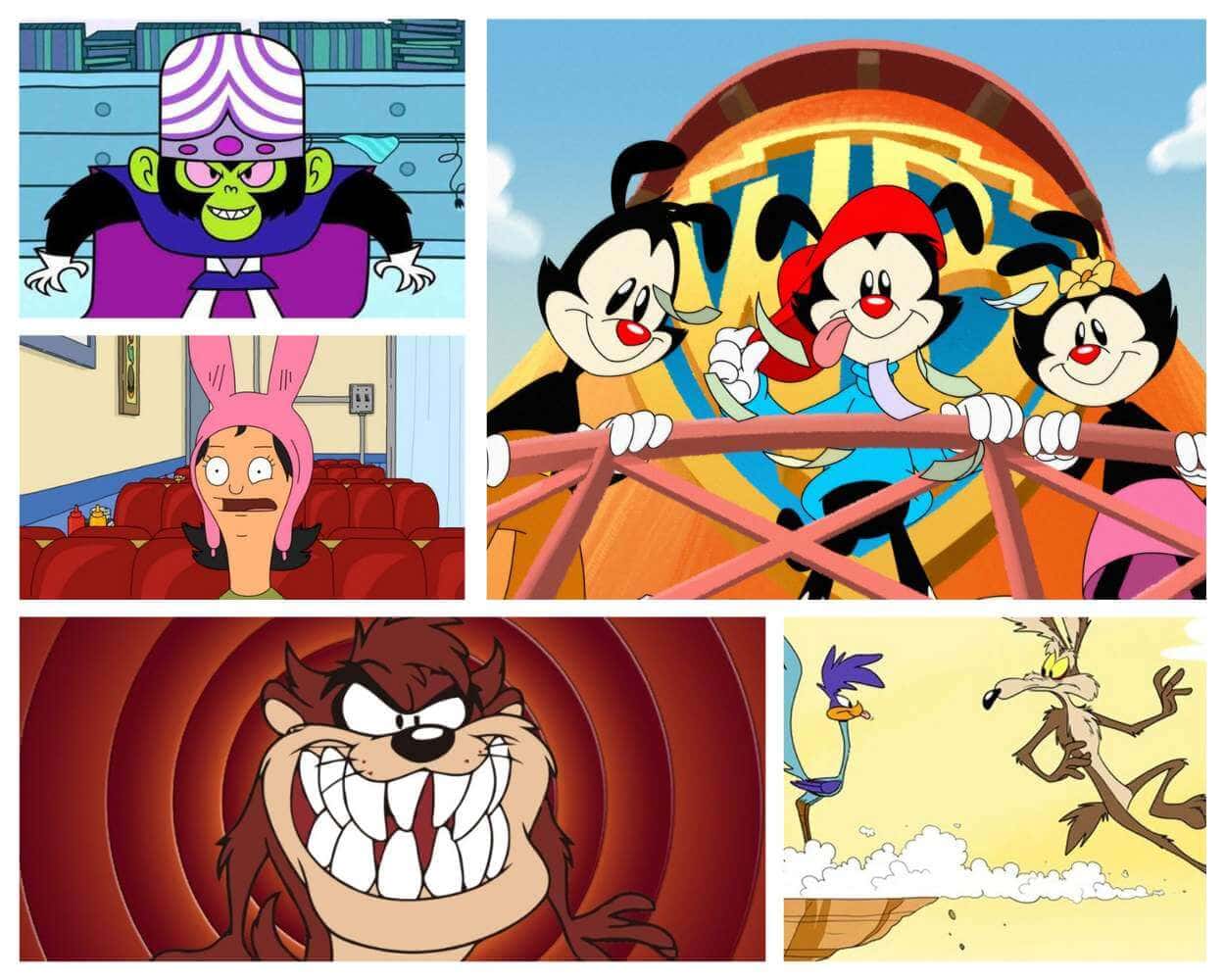
Yakko, Wakko, and Dot Warner from Animaniacs (1993-1998, revived 2020-2023) are the platonic ideal of chaotic good. They live in the Warner Brothers water tower (escaping periodically), they cause chaos wherever they go, and they specifically target pretentious adults, mean teachers, and Hollywood phonies.
The voice cast is legendary:
- ✅ Rob Paulsen as Yakko (also voices Pinky, Yakko’s famous “Wakko’s Wish” song)
- 💡 Jess Harnell as Wakko
- 🔥 Tress MacNeille as Dot (one of the most prolific voice actresses in animation)
Steven Spielberg executive-produced the original series through Amblin Television. The show’s writing was unusually sophisticated for kids’ programming, with multi-layered humor that worked on both child and adult levels simultaneously. The 2020 Hulu revival ran for three seasons and is now off the air.
7Louise Belcher (Bob’s Burgers)
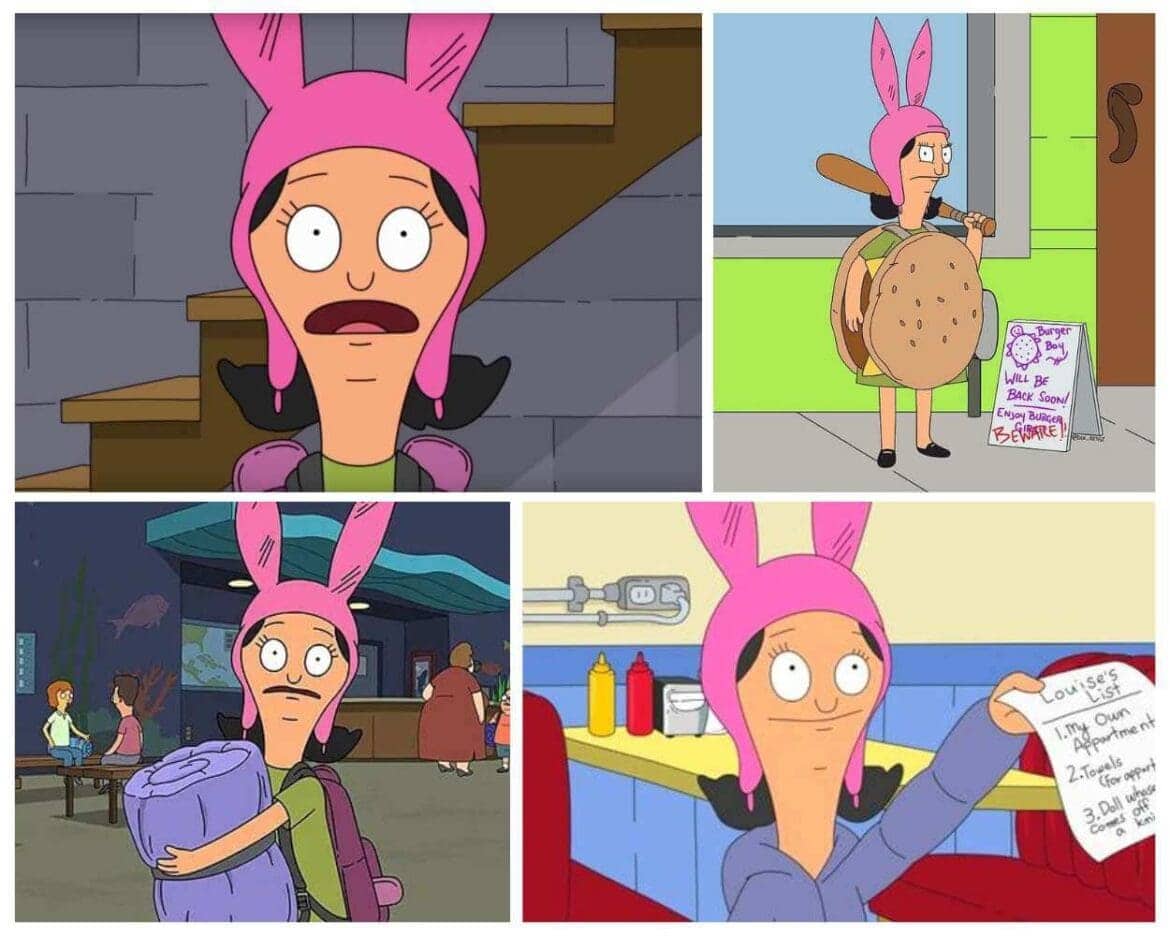
The 9-year-old youngest Belcher daughter, voiced by Kristen Schaal, is one of the great chaotic-good kids in animation. Louise is too smart for elementary school, schemes constantly, manipulates her siblings and parents with practiced ease, and has the moral compass of a politician.
What makes her chaotic good rather than chaotic evil is that her schemes generally protect or help her family, even when the methods are completely inappropriate. The episode “Bob Day Afternoon” features Louise enthusiastically helping a bank robber. The episode “Topsy” has her hijacking a science fair to settle a personal vendetta. The methods are insane. The underlying loyalties are pure.
The show was created by Loren Bouchard, premiered in 2011, and continues into its 15th season on Fox. Kristen Schaal’s voice work is one of the genuine treasures of modern animation.
Pure Chaotic Energy: No Alignment Needed
6Bugs Bunny (Looney Tunes)
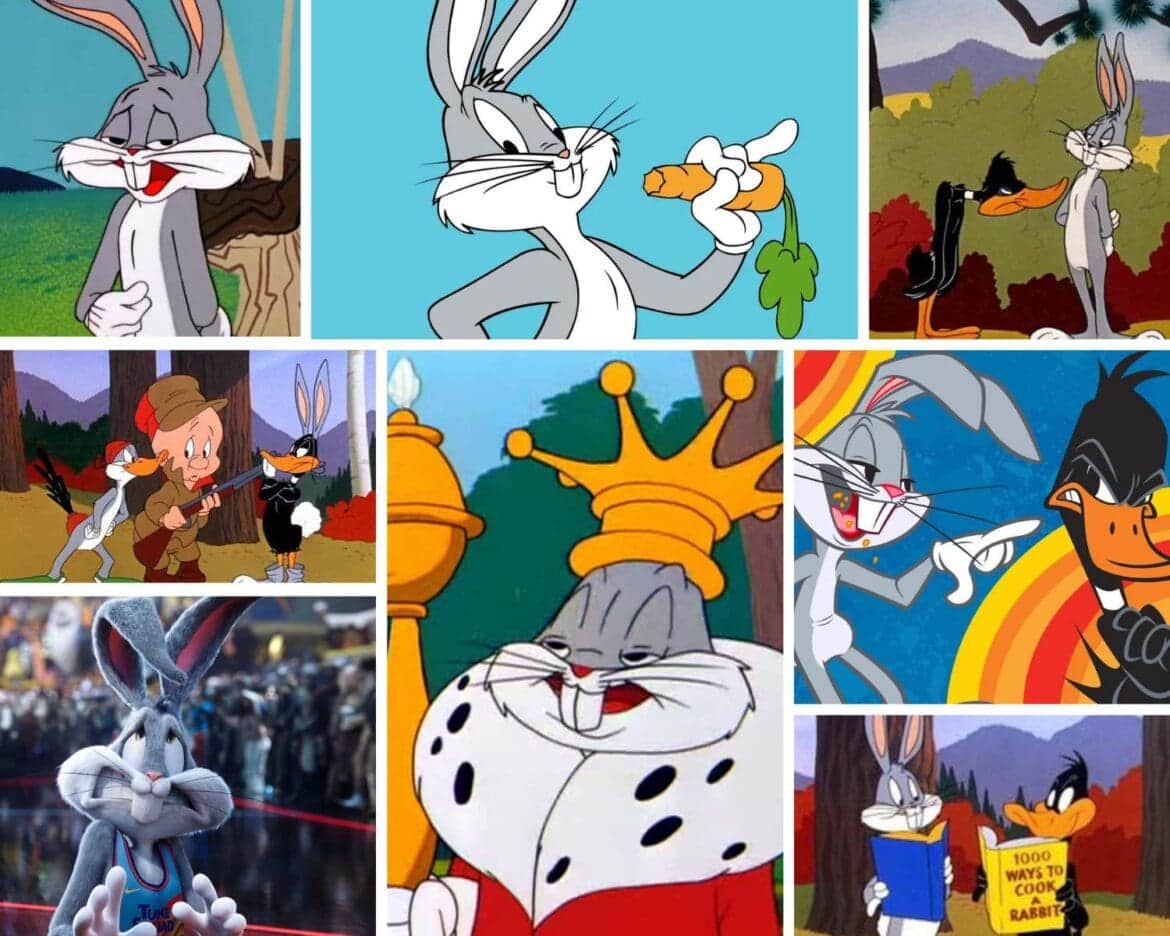
Bugs Bunny is the platonic chaotic trickster. Created by Tex Avery and the Warner Bros. animation team in 1940, voiced for decades by Mel Blanc. Bugs’s specific brand of chaos is that he doesn’t initiate problems. He just responds to anyone who initiates problems with him by completely dismantling their reality.
The classic Bugs Bunny formula: a hunter, soldier, alien, opera singer, or other adversary corners Bugs. Bugs spends the next 6 minutes manipulating them through cross-dressing, prop comedy, fourth-wall breaks, and elaborate setups until the adversary is humiliated or destroyed. Bugs eats a carrot and walks away.
The character has been culturally inescapable since 1940. He’s been on Mount Rushmore, in baseball stadiums, in Space Jam (1996 and 2021), and in modern Looney Tunes Cartoons (2020). Bugs Bunny is older than most of the people watching him.
5Wile E. Coyote (Looney Tunes)
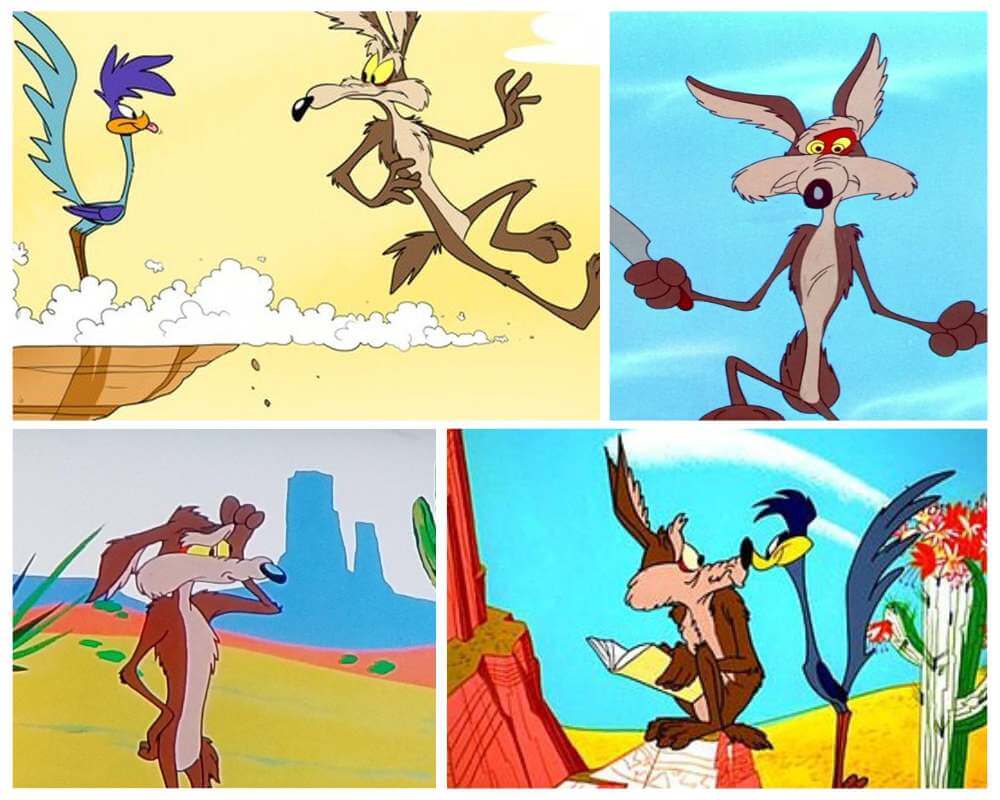
The most determined chaos agent in animation history. Wile E. Coyote, created by Chuck Jones in 1949, has spent 75 years failing to catch the Road Runner. His chaos is the chaos of obsession. He cannot stop. He will not stop. His failure is constant, escalating, and never causes him to reconsider his approach.
The genius of Wile E. is that he’s clearly more intelligent than his contemporaries (he carries blueprints, orders from ACME, performs basic physics calculations). His chaos comes from being smart enough to design elaborate schemes but not smart enough to recognize that the schemes will fail. The character is essentially a meditation on persistence as both virtue and curse.
Chuck Jones reportedly made up “rules” for Wile E. Coyote cartoons: the road runner cannot harm the coyote except by going beep-beep, the coyote could stop anytime if he weren’t a fanatic, and so on. The rules made the cartoons function as comedy because the structure was always predictable. The chaos was in the execution.
4Tasmanian Devil (Looney Tunes)
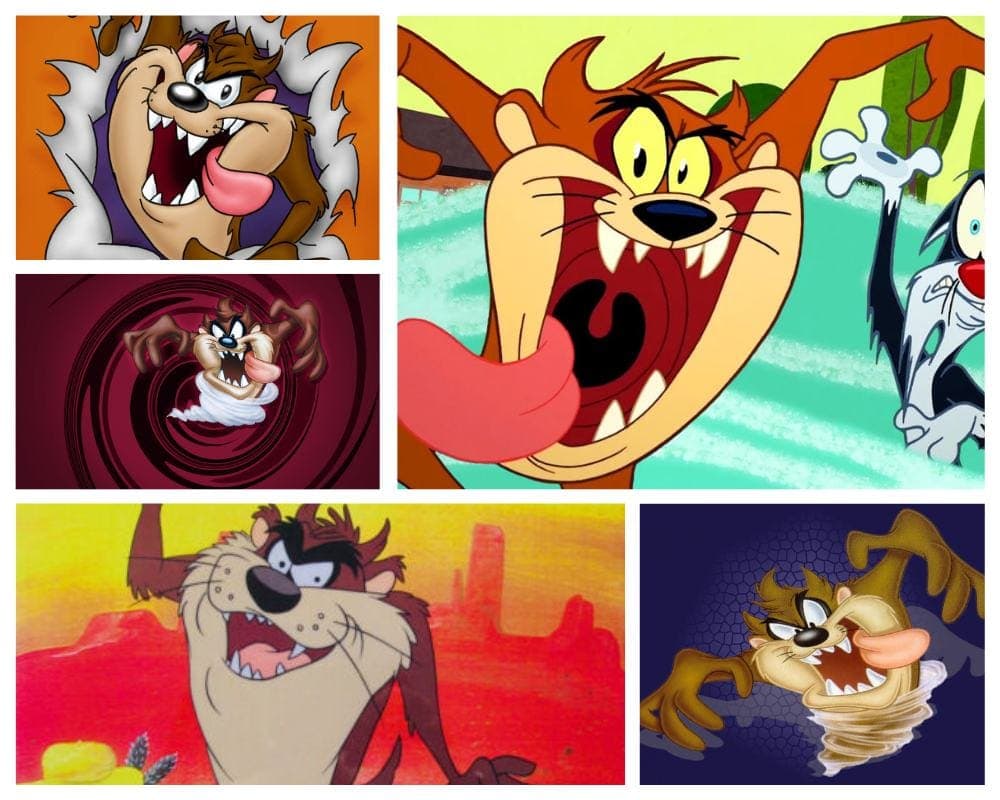
Created by Robert McKimson in 1954, Taz is chaos in its purest physical form. He spins like a tornado, eats everything in his path, and communicates exclusively through grunts and growls. He’s not pursuing anything (unlike Wile E.) and not manipulating anyone (unlike Bugs). He just exists, and his existence consumes whatever it touches.
Mel Blanc originated the voice. The character has been used most prominently in spinoff shows like Taz-Mania (1991-1995) where the lead character actually got episodes built around him, rather than just being a one-scene chaos burst in larger Looney Tunes shorts.
Taz is the cartoon character most likely to be played for pure visual comedy. His chaos is in his physical presence rather than his decisions, which makes him uniquely well-suited to animation’s particular gifts.
3Tom and Jerry
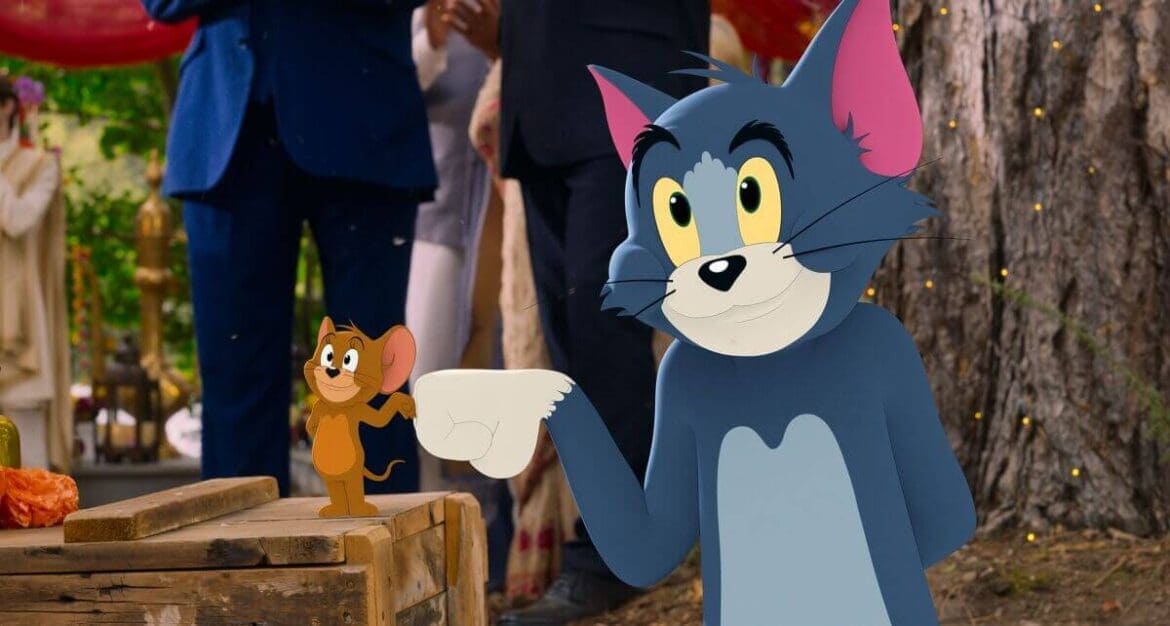
The longest-running chaos partnership in animation history. William Hanna and Joseph Barbera created Tom and Jerry in 1940 at MGM, where the duo would go on to win seven Academy Awards for Best Animated Short Subject across the 1940s-1950s. The franchise has continued through dozens of TV series, films, and revivals across 85 years.
Tom and Jerry’s chaos is structural. Tom (the cat) wants to catch Jerry (the mouse). Jerry doesn’t want to be caught. Their entire dynamic is built around physical violence, elaborate trap-making, and absolute destruction of whatever environment they’re in. The chaos isn’t motivated by anything beyond their fundamental nature.
The series is famously almost entirely dialogue-free, relying on visual humor and physical action. This makes Tom and Jerry uniquely accessible across international markets and one of the few American cartoons that doesn’t suffer in translation.
2CatDog
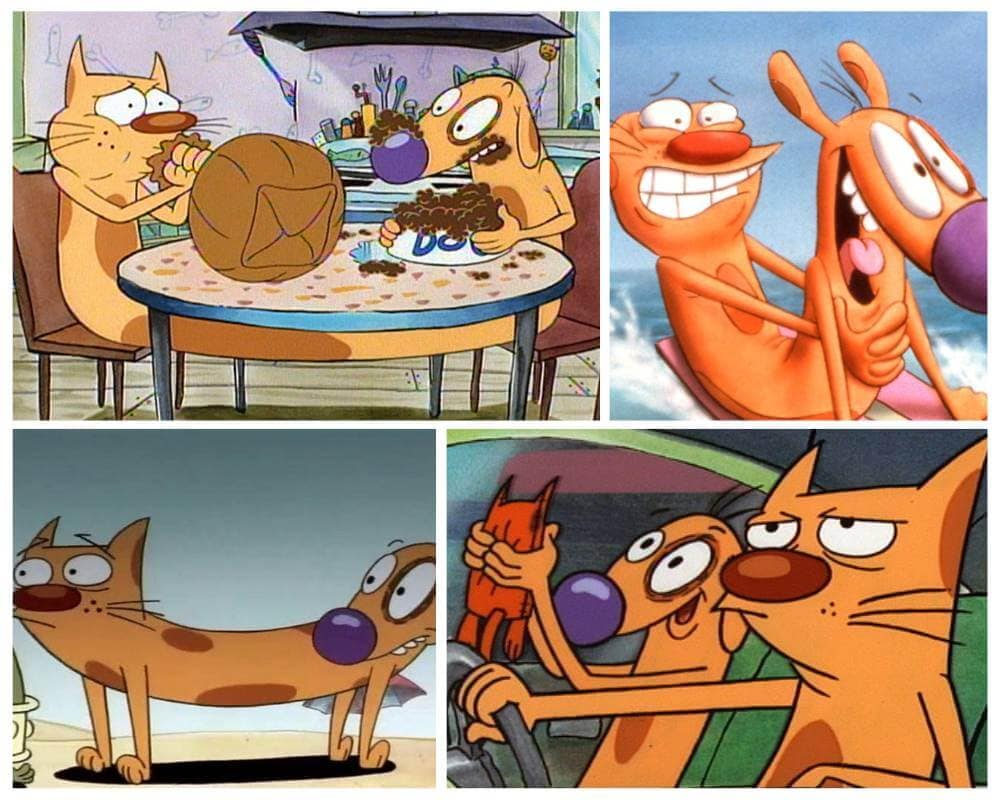
Cat and Dog are conjoined twin brothers who share a single body (with two heads on opposite ends). Created by Peter Hannan for Nickelodeon (1998-2005), the show’s chaos is built into the premise itself. The characters have opposite personalities (Cat is uptight and ambitious, Dog is laid-back and impulsive) but cannot physically separate.
This means every CatDog story is about chaos negotiating with itself. They can’t both pursue what they want. They can’t escape each other. Their relationship is the show’s actual subject matter. Tom Kenny (later SpongeBob) voiced Dog. Jim Cummings (Winnie the Pooh, Tigger) voiced Cat.
The show was a major part of Nickelodeon’s late-90s lineup and remains a beloved cult favorite, though it never quite reached SpongeBob-tier success.
1Huey, Dewey, and Louie (DuckTales)
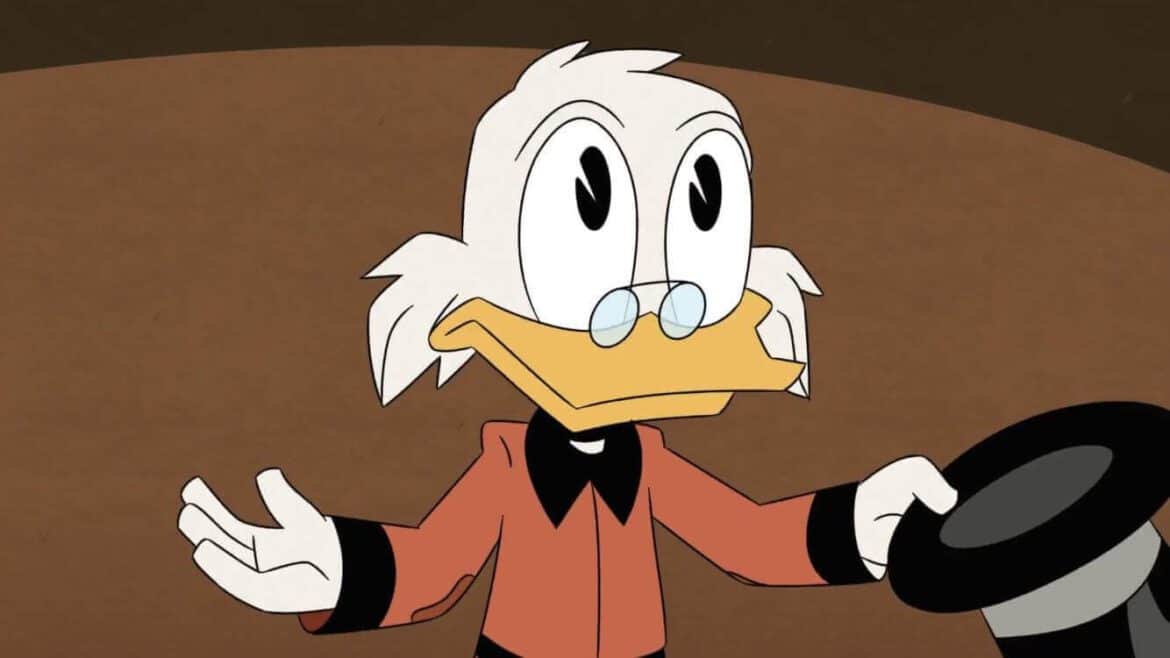
Huey, Dewey, and Louie have been around since 1937 (created by Carl Barks and Al Taliaferro for Disney comics) and continue to be central characters in modern Disney media. They’ve been voiced by Russi Taylor (1987-2017) and rebooted in 2017’s DuckTales with three distinct personalities: Huey (the responsible Junior Woodchuck), Dewey (the attention-seeking middle child), and Louie (the lazy schemer).
Their chaos is the chaos of triplets who finish each other’s sentences, plan elaborate schemes together, and treat their billionaire uncle Scrooge McDuck’s adventures as ongoing opportunities for mayhem. The 2017-2021 DuckTales reboot, voiced by Danny Pudi, Ben Schwartz, and Bobby Moynihan, gave each nephew his own personality for the first time, and the chaos became more interesting as a result.
What Makes Cartoon Chaos Work
The 17 characters above span 85+ years of animation history, multiple networks, and entirely different cultural eras. But they share certain structural similarities:
- ✅ They’re voiced by exceptional voice actors. Mel Blanc, Tom Kenny, John DiMaggio, Tress MacNeille, Kristen Schaal, Roger L. Jackson. Great chaos characters require great vocal performances.
- 💡 They operate by their own rules. Wile E. Coyote’s blueprints, Rick Sanchez’s portal gun, Bender’s “bite my shiny metal” ethos. Each character has internal logic that other characters can’t predict.
- 🔥 They’re enjoyed for their chaos, not punished for it. Shows that try to “redeem” chaos characters usually end up neutering them. The best chaos characters are loved for their flaws, not despite them.
- ✅ They’re imitated, not duplicated. Hundreds of cartoons have tried to create the next Bugs Bunny or the next Rick Sanchez. Almost none have succeeded because chaos characters depend on specific creative voices that can’t be copied.
The next great chaotic cartoon character is probably being created right now in some animator’s notebook. Whoever they are, they’ll need to do something none of the 17 characters above can do. That’s a tall order, given how many of them are already perfect.