Some of my all-time favorite black cartoon characters are the ones who quietly raised the bar, from Fat Albert and Static Shock to Miles Morales, Princess Tiana, and Garnet. I grew up on Saturday morning cartoons where diversity was usually an afterthought, so watching the industry go from token sidekicks to full-blown leads has been one of my favorite things about being an animation fan.
Shows like The Proud Family and Static Shock did not just entertain me, they showed me a world that looked a bit more like the real one. Below I rounded up the icons worth celebrating, sorted from the classics through the superheroes, adult animation, and the modern golden age, with a note on who created each one. If you want some background reading, The Guardian has a solid piece on the history of race in animation.
Classic Black Cartoon Characters
These are the icons who paved the way, the older black cartoon characters everyone else owes a debt to.
Fat Albert
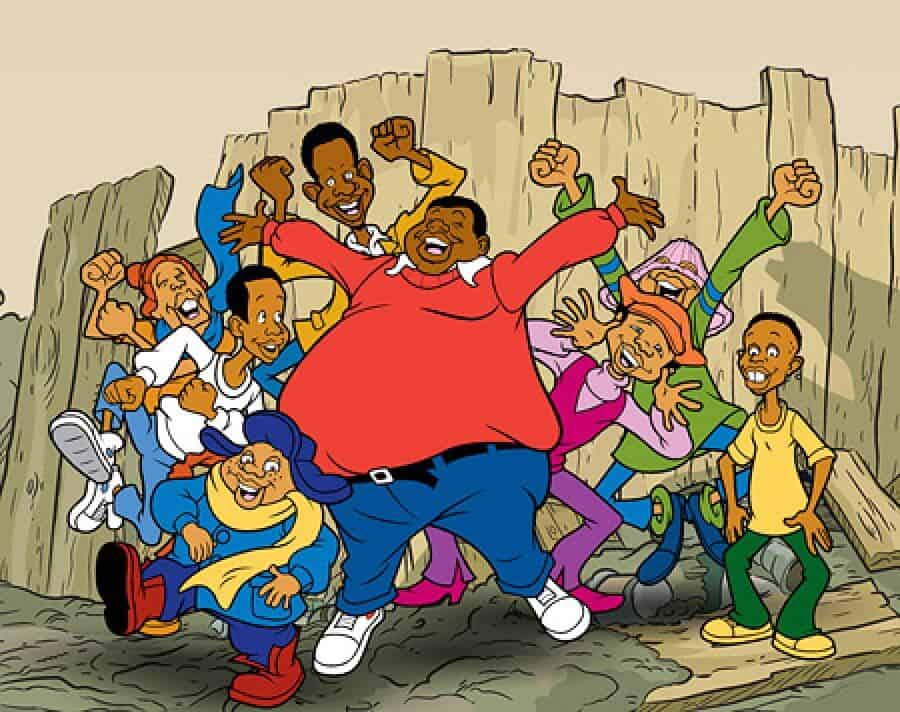
📺 Show: Fat Albert and the Cosby Kids (1972)
🧠 Why he matters: One of the first cartoons centered entirely on black urban youth
🎬 Best moment: “Hey, hey, hey!”
For 1972, this show was genuinely groundbreaking. It tackled real stuff like poverty and peer pressure under all the fun, and Fat Albert was the warm center of it, teaching a whole generation that you can be big, loud, and kind all at once.
Valerie Brown

📺 Show: Josie and the Pussycats (1970)
🧠 Why she matters: The first black female character with a regular role in a Saturday morning cartoon
🎬 Best moment: Keeping the whole band together
Valerie was the smart one, the mechanic, and the best musician in the band, which is a lot of hats. Beyond being a genuine trailblazer in 1970, she was simply the most competent person in the room, and the Pussycats would have been lost without her, literally and figuratively.
Susie Carmichael
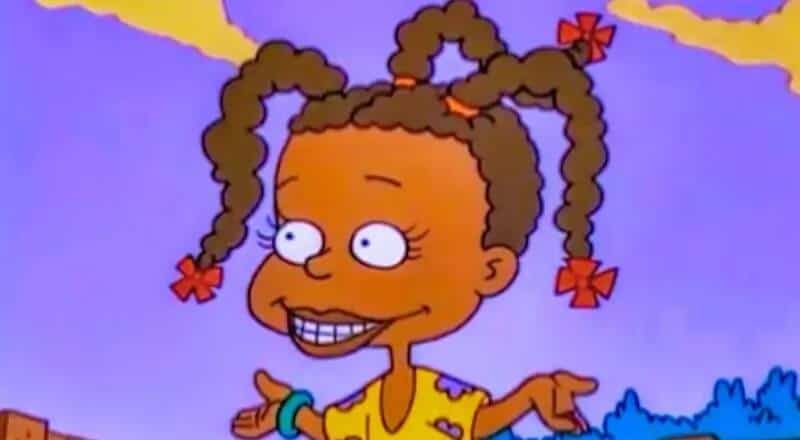
📺 Show: Rugrats
🧠 Why she matters: The kind, capable foil to Angelica
🎬 Best moment: Standing up for the babies
Susie was kind, smart, and could actually sing, the perfect counterweight to the bratty Angelica. She was basically the “mom friend” decades before that was a phrase, proof you could be cool without being mean.
Gerald Johanssen
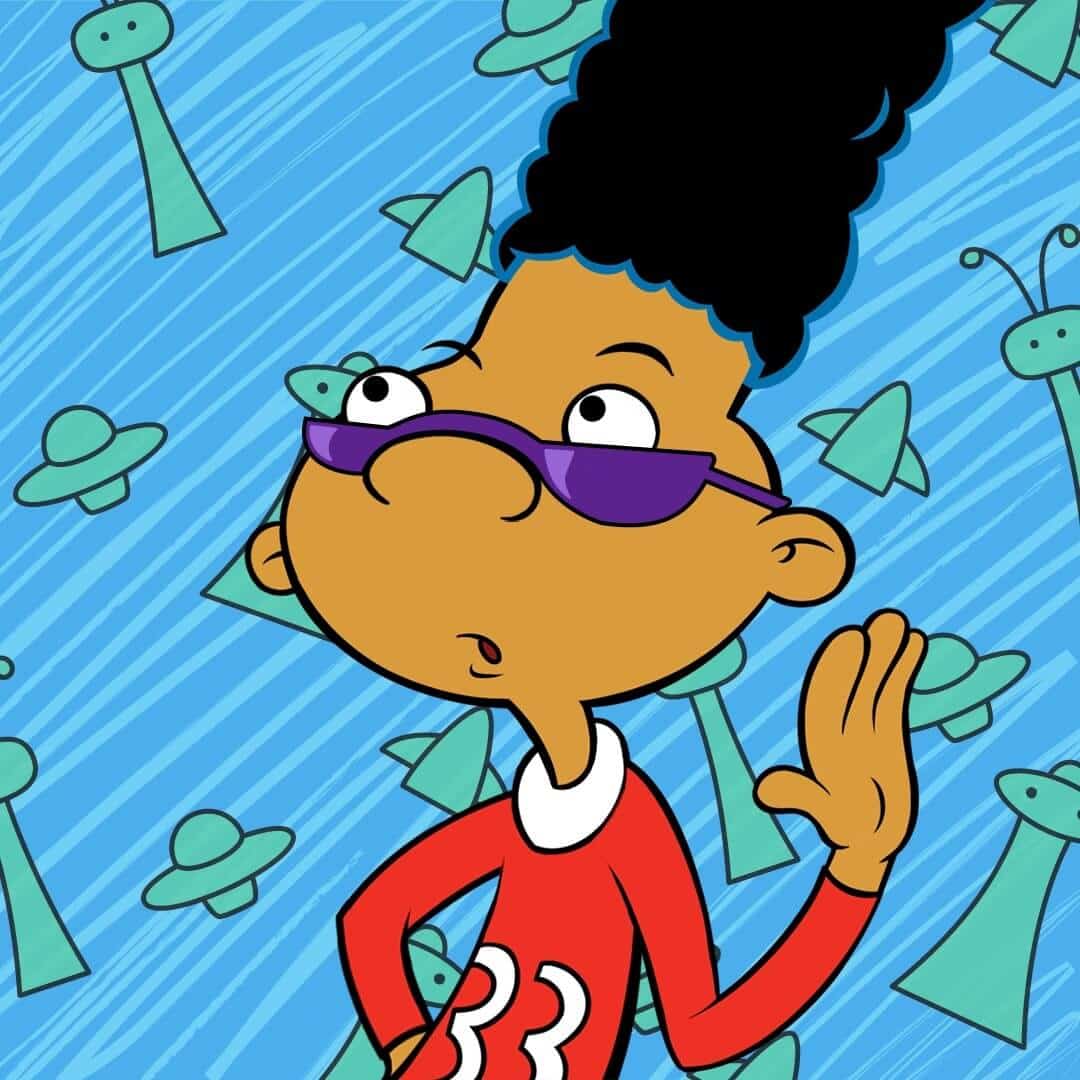
📺 Show: Hey Arnold!
🧠 Why he matters: The coolest kid in Hillwood
🎬 Best moment: Telling the neighborhood urban legends
Gerald was the keeper of tales, and that high-top fade was practically its own character. He was Arnold’s best friend, the voice of reason, and the unofficial historian of the block. I spent a solid chunk of childhood wanting to be as cool as Gerald, with mixed results.
Penny Proud

📺 Show: The Proud Family
🧠 Why she matters: A realistic, relatable black teenage girl lead
🎬 Best moment: Surviving Oscar’s house rules
Penny Proud arrived on Disney Channel in 2001 as a 14-year-old growing up in an African American household, and her sheer relatability made her one of the best black cartoon characters of the decade. The reboot, Louder and Prouder, has handed her to a whole new generation.
Jodie Landon
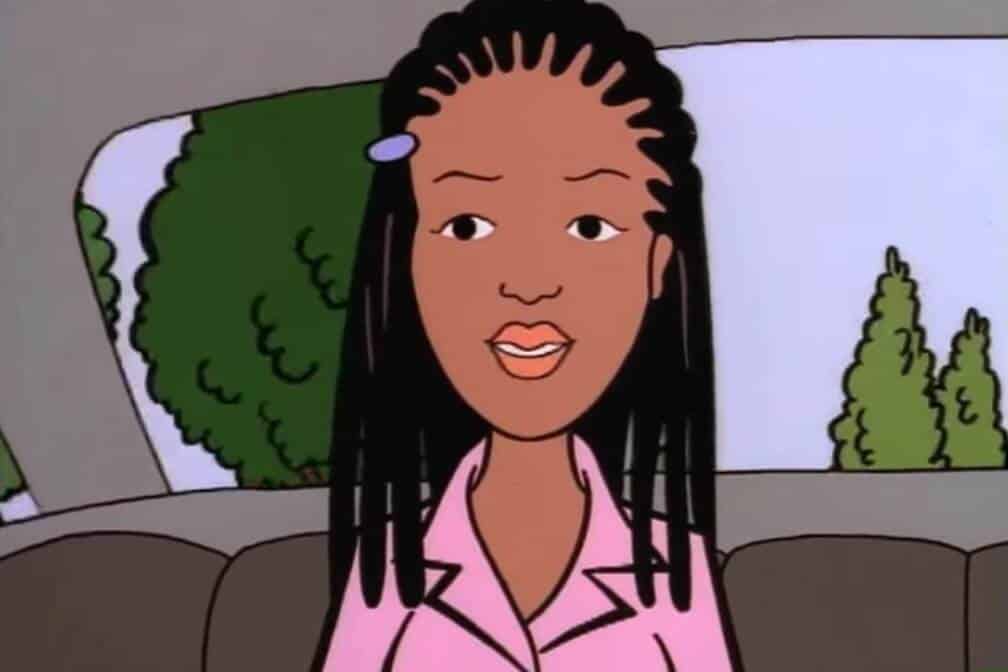
📺 Show: Daria
🧠 Why she matters: Named the “model minority” pressure out loud, in the 90s
🎬 Best moment: Calling Daria out on her privilege
Jodie was so far ahead of her time it is almost startling. Intelligent and ambitious, she was often the only person who could check Daria, and she eventually earned her own spin-off movie, which felt like overdue recognition.
Miranda Killgallen
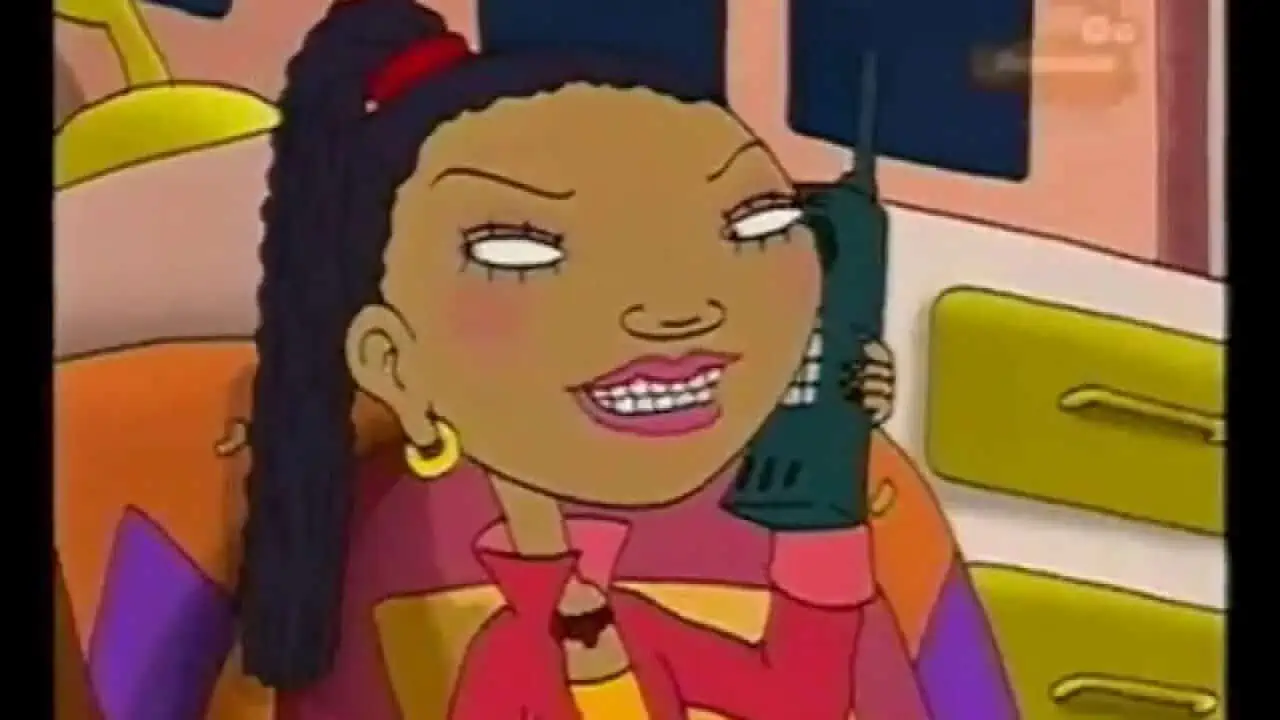
📺 Show: As Told by Ginger
🧠 Why she matters: A black character allowed to be complex and flawed
🎬 Best moment: Her loyalty to Courtney sneaking through the snark
Miranda started as one of the “mean girls,” but watching her layers peel back was a highlight for me. Tough, sarcastic, and fiercely loyal, she proved black characters did not have to be written as endlessly nice. They could be popular, complicated, and a little prickly.
Trixie Carter
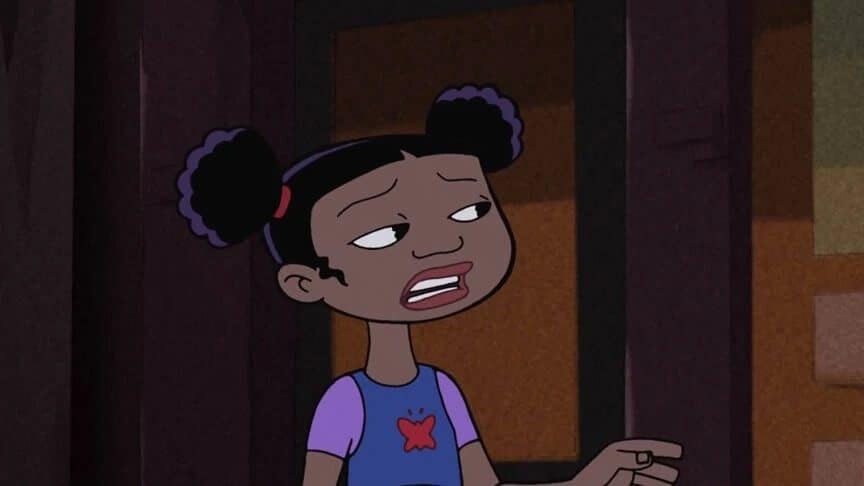
📺 Show: American Dragon: Jake Long
🧠 Why she matters: The definition of a ride-or-die friend
🎬 Best moment: Finding out Jake is a dragon and not even blinking
Trixie learned her best friend could turn into a dragon and basically said “cool, what’s the plan.” A skateboarder and a cheerleader, she balanced tomboy and feminine without breaking a sweat.
Keesha Franklin
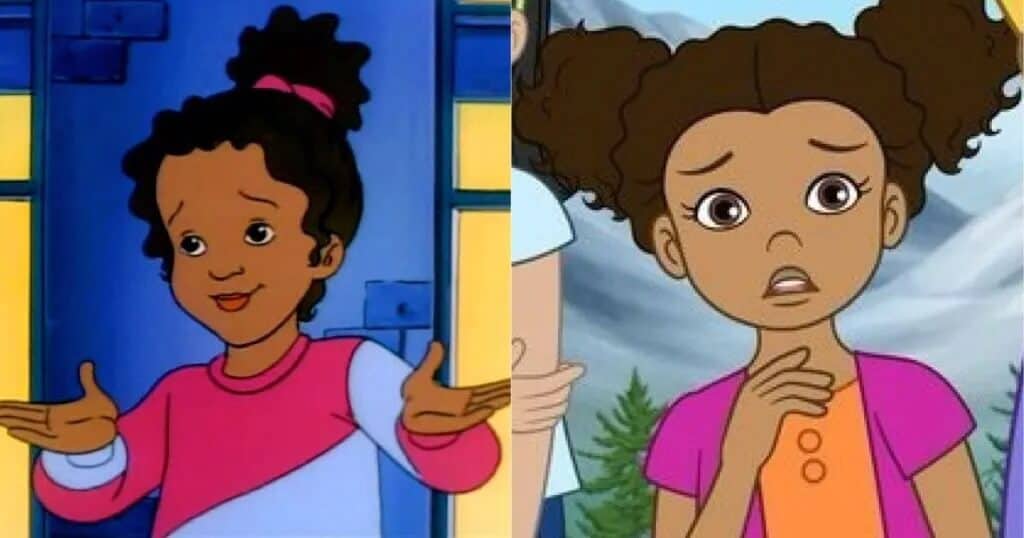
📺 Show: The Magic School Bus
🧠 Why she matters: The level-headed skeptic of the class
🎬 Best moment: Asking Ms. Frizzle the hard questions
While Arnold was busy complaining, Keesha was the one actually interrogating the science. She was the curious, slightly skeptical brain of the bus, which is exactly the role you want modeled for kids.
Numbuh 5
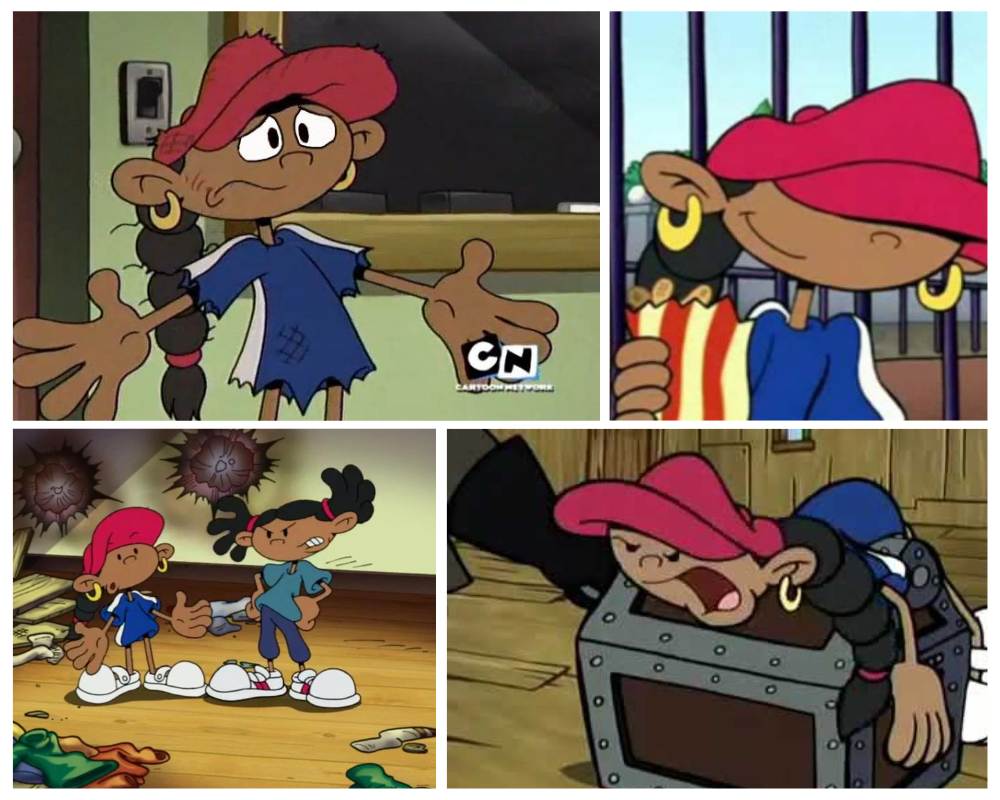
📺 Show: Codename: Kids Next Door
🧠 Why she matters: The coolest, calmest head on Cartoon Network
🎬 Best moment: Being the only one with a plan
Abigail Lincoln, aka Numbuh 5, was the tactical expert and the only member of the team with reliable common sense. That laid-back swagger and the red hat made her an instant icon of early-2000s Cartoon Network.
Libby Folfax
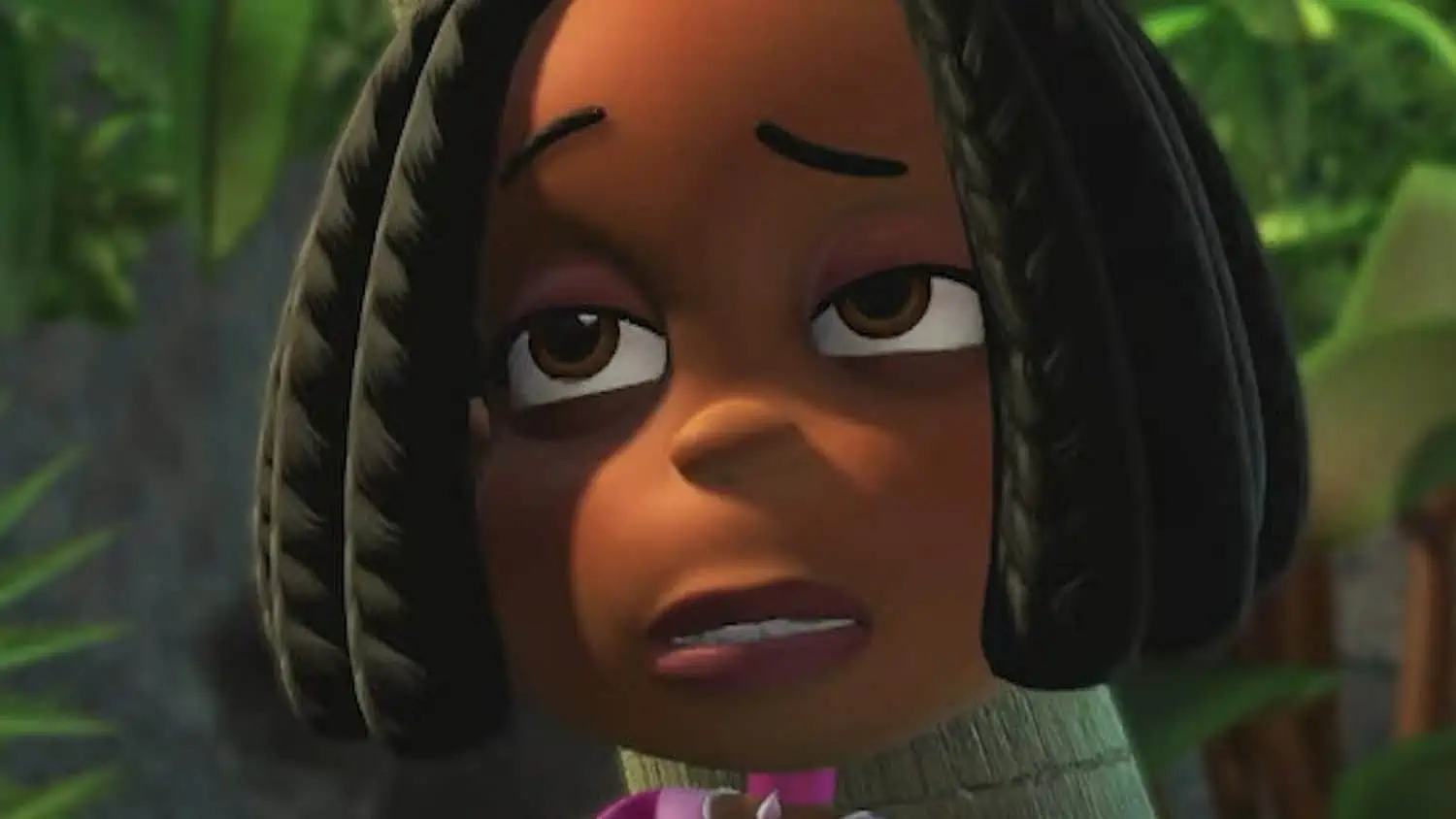
📺 Show: Jimmy Neutron
🧠 Why she matters: Grew from sidekick into her own person
🎬 Best moment: Her music-loving glow-up
Libby had some of the best character development on her show, going from Cindy’s sidekick to a confident, music-obsessed individual. Her style evolution was a genuinely nice moment for representation on a kids’ science cartoon.
A.J.
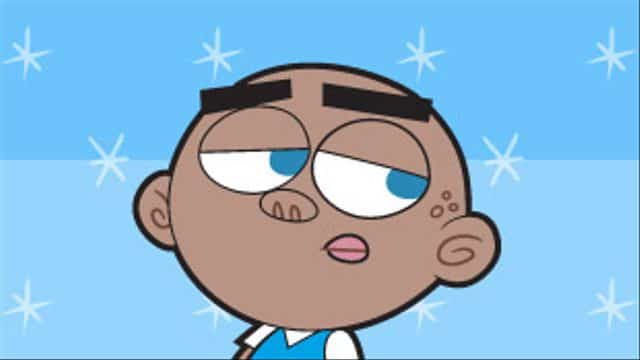
📺 Show: The Fairly OddParents
🧠 Why he matters: The “smart kid” trope handed to a cool black character
🎬 Best moment: The secret lab in his bedroom
While Timmy had magic, A.J. had a full laboratory and a brain sharper than any adult in Dimmsdale. It was genuinely refreshing to see the resident genius be a confident black kid rather than a stereotype.
Vince LaSalle
📺 Show: Recess
🧠 Why he matters: The athletic prodigy who stayed humble
🎬 Best moment: Anchoring the friend group with T.J.
Vince was the coolest kid on the playground and an athletic standout, but never once arrogant about it. His friendship with T.J. was the core of Recess, and he quietly showed you could be the jock and a genuinely good friend.
Black Cartoon Superheroes
Representation in superhero animation has exploded, and these are the titans leading it.
Miles Morales

🕷️ Hero: Spider-Man
🧠 Why he matters: Proved anyone can wear the mask
🎬 Best moment: The Leap of Faith in Into the Spider-Verse
Miles is a full-blown cultural phenomenon. Debuting in 2011 comics and exploding with the Spider-Verse films, he balances his Afro-Latino heritage with the weight of the mask, and that Leap of Faith shot still gives me chills. Easily one of the most important additions to Marvel this century.
Storm

🦸 Hero: X-Men
🧠 Why she matters: Paved the way for every black female hero after her
🎬 Best moment: Those dramatic weather speeches
Ororo Munroe is literally royalty, and in the 90s X-Men series her thunderous “I summon the power” speeches were the stuff of legend. Grace, power, leadership, she set the template.
Frozone
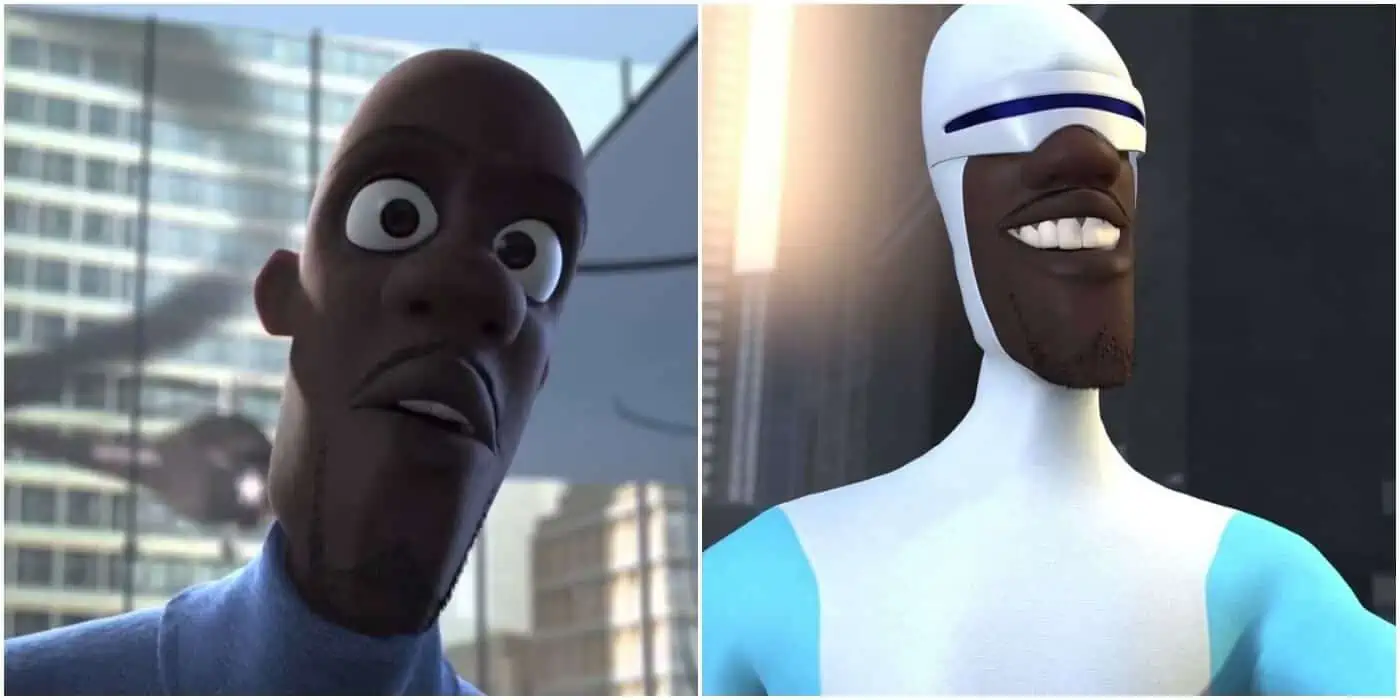
🦸 Hero: The Incredibles
🧠 Why he matters: Saves the world and still has to find his super suit
🎬 Best moment: “Honey, where is my super suit?!”
Samuel L. Jackson gave Lucius Best so much charisma that Frozone nearly walks off with the whole movie. He is the literal definition of cool, and that super suit argument is one of the best scenes Brad Bird ever wrote.
Static Shock
🦸 Hero: Static Shock
🧠 Why he matters: A black lead hero tackling real-world issues head-on
🎬 Best moment: Riding that manhole-cover hoverboard
Virgil Hawkins changed the game. Built from Dwayne McDuffie‘s Milestone Comics, Static Shock handled gang violence, racism, and homelessness while still being a fun superhero show. Virgil was witty, relatable, and unmistakably the main event, not a sidekick.
Cyborg
🦸 Hero: Teen Titans
🧠 Why he matters: Heart of the team, half machine, all personality
🎬 Best moment: “Booyah!”
Victor Stone balances the tragedy of his accident with a genuinely fun-loving streak, and his bromance with Beast Boy is one of the best friendships in animation. The man turned “Booyah” into a permanent part of my vocabulary.
Bumblebee
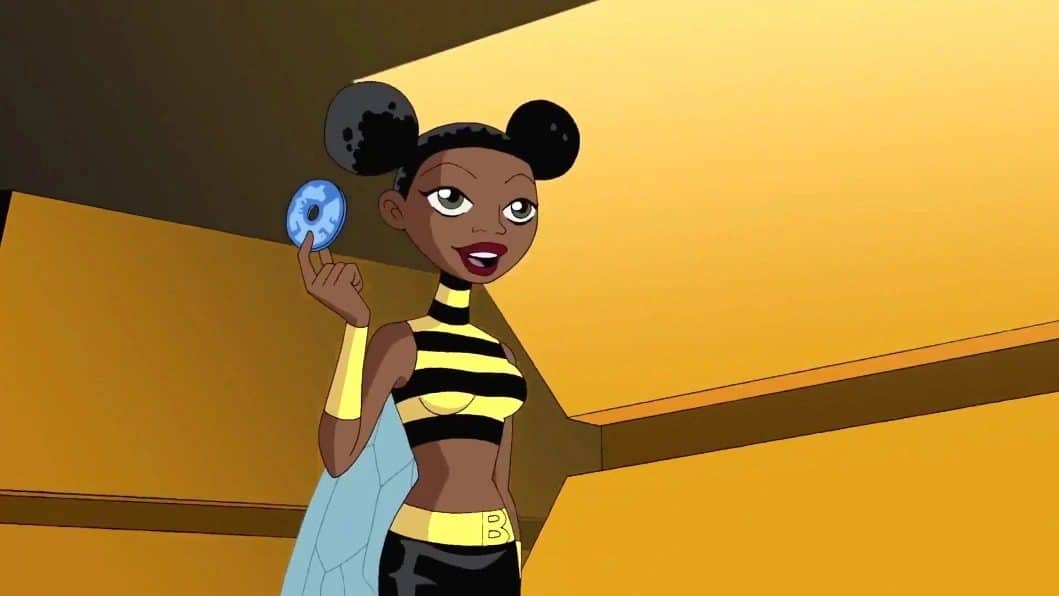
🦸 Hero: Teen Titans
🧠 Why she matters: A genius leader who infiltrated the H.I.V.E.
🎬 Best moment: Running the show as a double agent
Karen Beecher is a genius and a leader who went undercover inside the villain academy. Confident and sharp, she was very often the one actually calling the shots.
Aqualad
🦸 Hero: Young Justice
🧠 Why he matters: One of the most layered leads in modern animation
🎬 Best moment: Carrying the weight of his Black Manta heritage
Kaldur’ahm leads the Young Justice team with a stoic, strategic calm, all while wrestling with the fact that his father is the villain Black Manta. He is a born leader written with real depth.
Green Lantern (John Stewart)
🦸 Hero: Justice League
🧠 Why he matters: For a generation, he simply IS Green Lantern
🎬 Best moment: Out-disciplining the entire League
If you watched the Justice League cartoon as a kid, John Stewart is your Green Lantern, full stop. His Marine background made him the serious, disciplined anchor of the team, the perfect contrast to the Flash’s wisecracks.
Valerie Gray
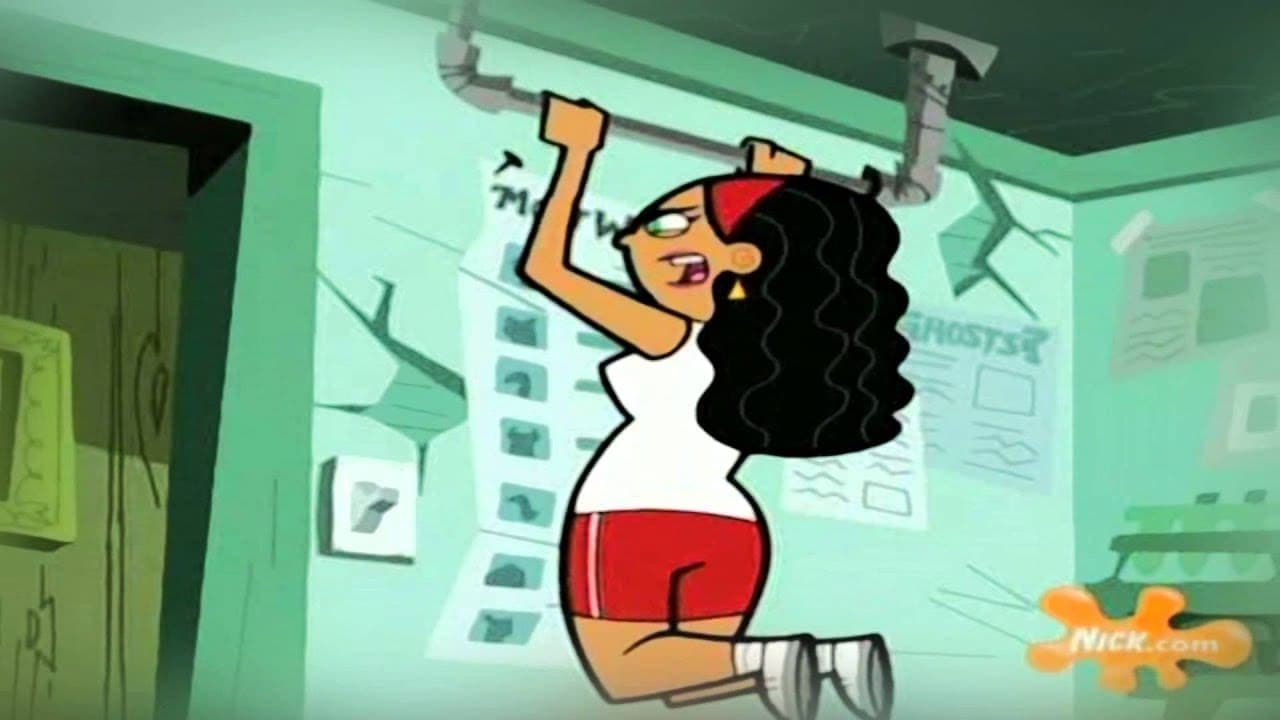
🦸 Hero: Danny Phantom
🧠 Why she matters: A black female lead who was hero, rival, and love interest at once
🎬 Best moment: Suiting up as the ghost-hunting captain
Valerie brought real nuance to Danny Phantom, juggling ghost-hunting, financial struggles, and a complicated relationship with Danny himself. She was never just one thing, which is exactly what made her great.
Adult Animation and Anime
Over here the black characters get to be sharp, satirical, and sometimes gloriously chaotic.
Huey Freeman
📺 Show: The Boondocks
🧠 Why he matters: The serious, martial-arts center of one of TV’s sharpest satires
🎬 Best moment: Any of his deadpan monologues
Huey is the voice of a generation, a ten-year-old self-described radical who sees straight through society’s nonsense. Aaron McGruder‘s The Boondocks is biting satire, and Huey is its calm, furious heart.
Cleveland Brown
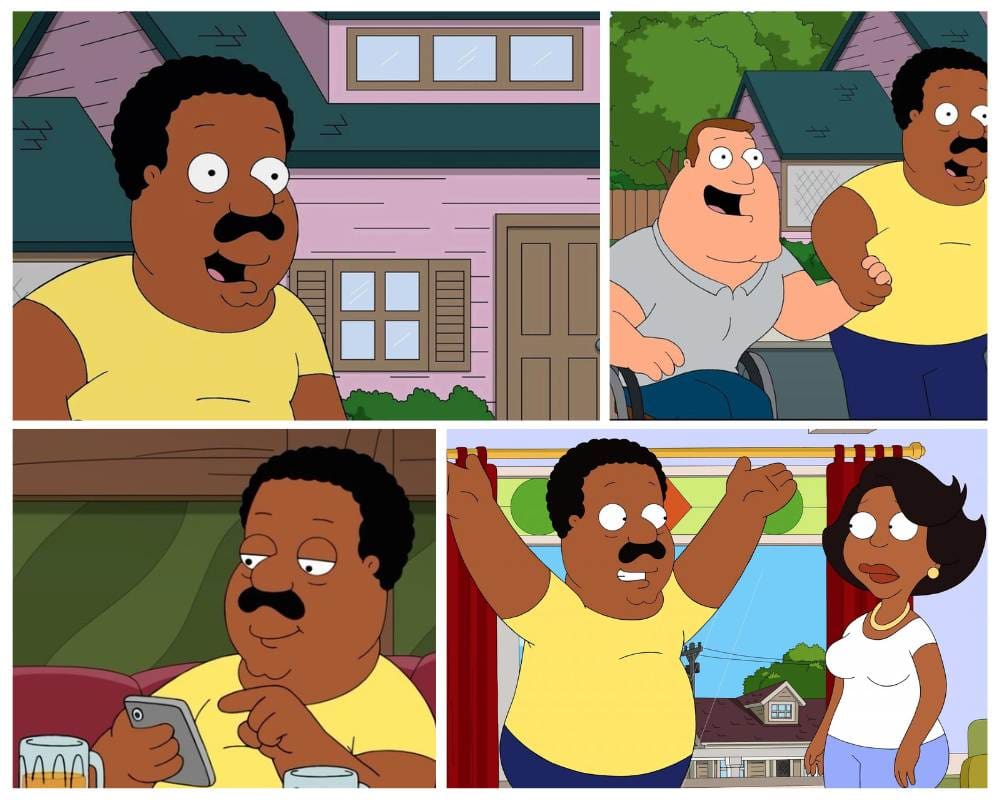
📺 Show: Family Guy / The Cleveland Show
🧠 Why he matters: A side character who earned his own spin-off
🎬 Best moment: The famously slow bathtub fall
Cleveland is the calm, slow-talking member of Peter’s crew, and that mellow delivery is the whole charm. He earned a spin-off that fleshed out his family, and a shout-out to his son Cleveland Jr., who turns up on my cartoon characters with glasses list.
Lana Kane
📺 Show: Archer
🧠 Why she matters: The only competent spy in the building
🎬 Best moment: Being permanently exasperated by Archer
Lana is deadly, brilliant, and constantly cleaning up after Archer’s nonsense. She is a modern action lead who balances gunfights and motherhood, and her exasperated sighs are basically a character of their own.
Michiko Malandro
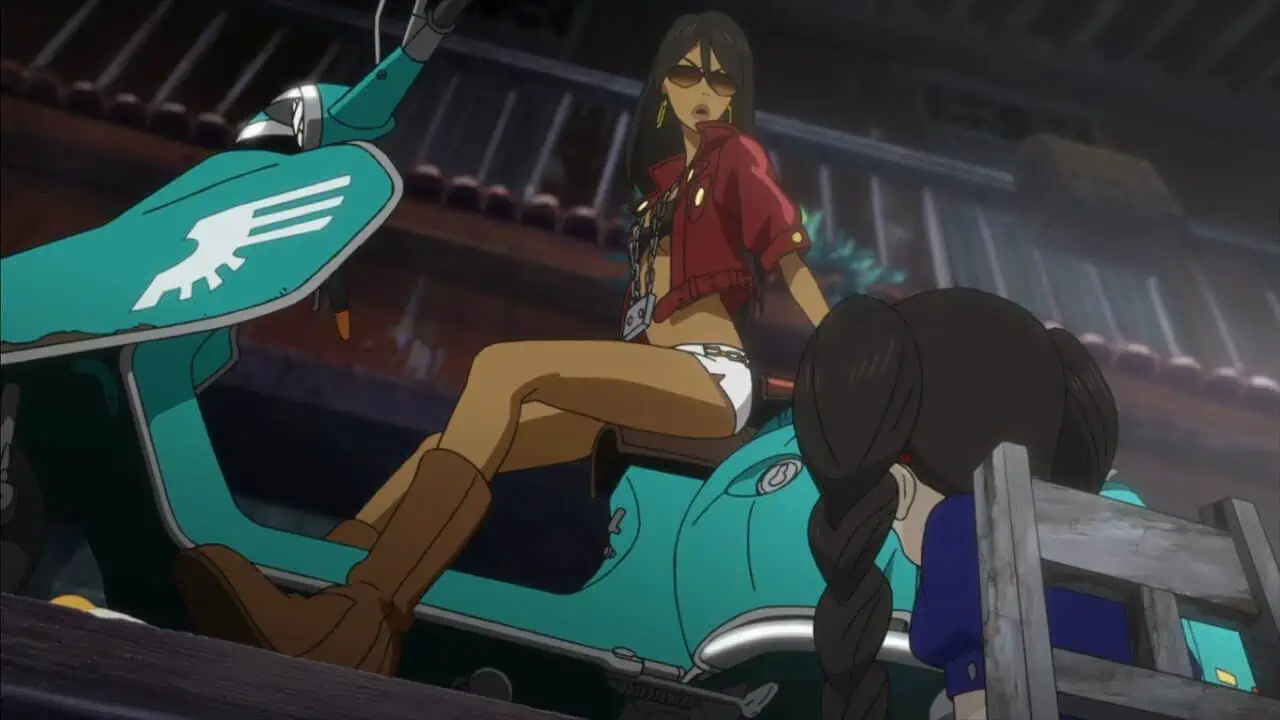
📺 Show: Michiko & Hatchin
🧠 Why she matters: A rare black female anime lead, and a fierce one
🎬 Best moment: Breaking out of prison, again
No list is complete without at least one anime character, and Michiko is my favorite here. Visually inspired by Aaliyah, she is a prison-breaking force of nature who takes on people far bigger than her and wins on sheer will.
Afro Samurai
📺 Show: Afro Samurai
🧠 Why he matters: Fused hip-hop culture with feudal Japan like nothing before it
🎬 Best moment: Pretty much every fight
Voiced by Samuel L. Jackson (again, the man is everywhere on this list), Afro is a warrior on a stylish, blood-soaked path of vengeance. The whole thing is effortlessly cool.
Token / Tolkien Black
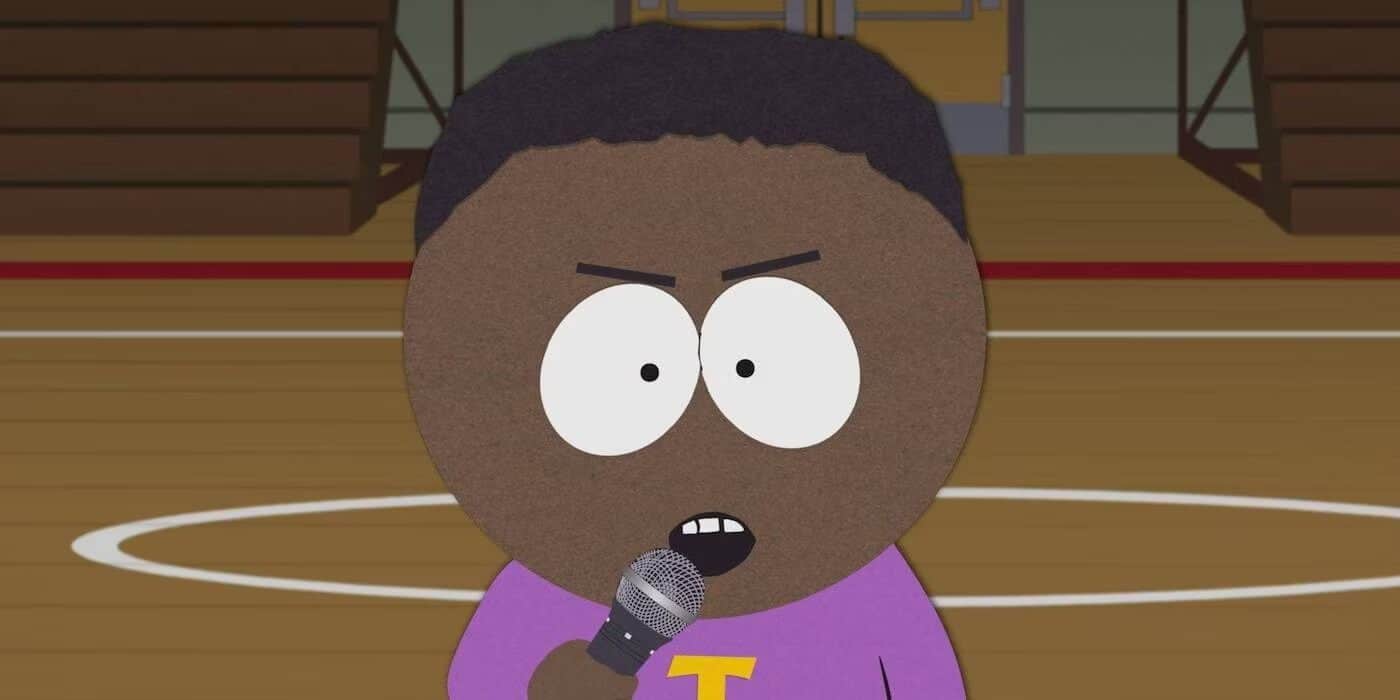
📺 Show: South Park
🧠 Why he matters: A self-aware joke about the “token” trope itself
🎬 Best moment: The “Tolkien” reveal
His name was always a wink at the “token black guy” trope. Years later the show pulled off a genuinely clever bit, revealing his name was “Tolkien” all along and gaslighting the audience into feeling like we were the ones who got it wrong. A very South Park move.
Foxxy Love
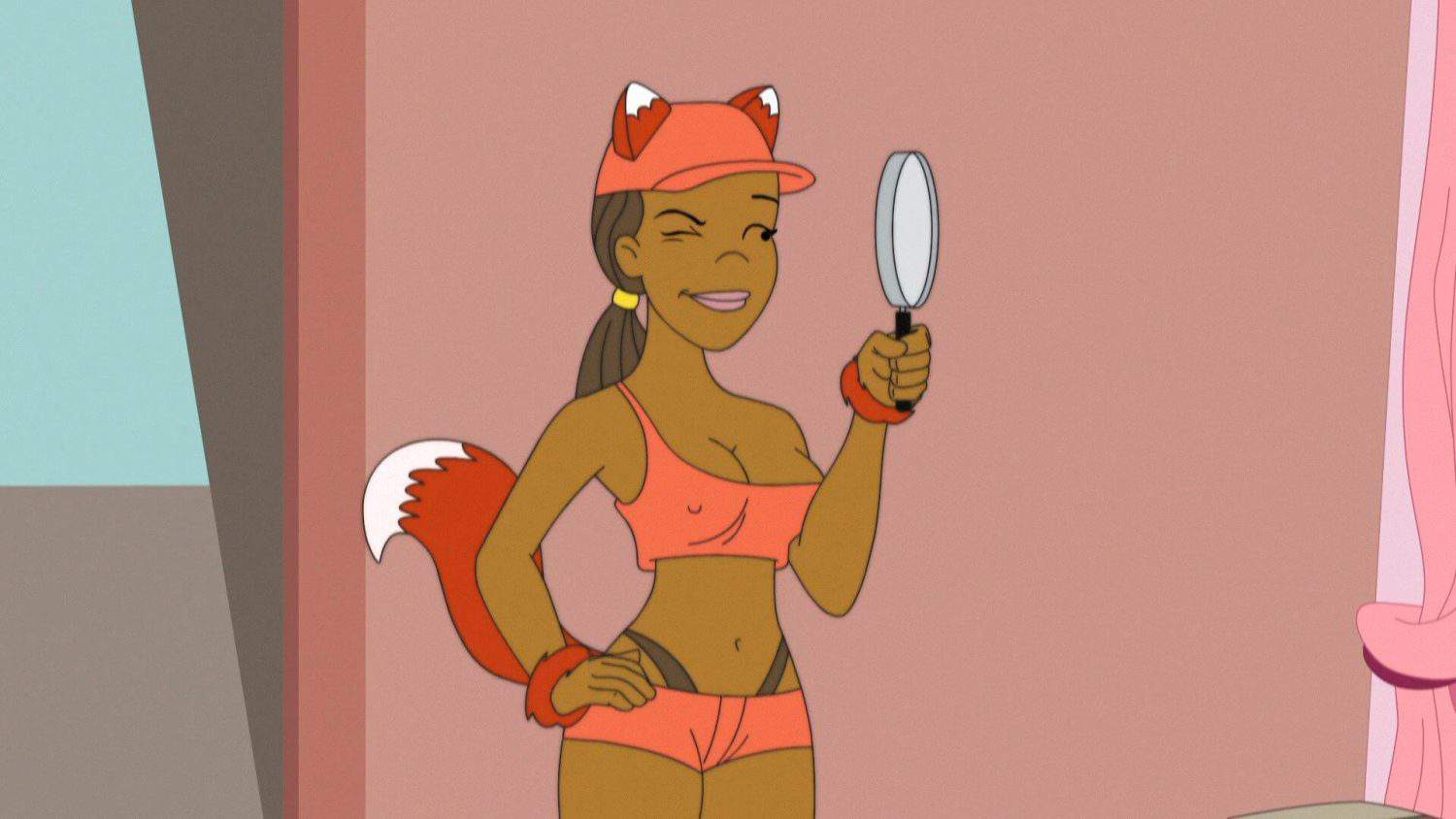
📺 Show: Drawn Together
🧠 Why she matters: A parody who kept turning out to be the smartest in the room
🎬 Best moment: Solving the mystery while everyone else flails
Foxxy is a loud, bold send-up of Valerie from Josie and the Pussycats. The show built her to skewer stereotypes, and the running joke was that she usually ended up being the only competent person in the house.
The Modern Golden Age
We are genuinely spoiled right now. Here are the modern black cartoon characters leading the charge.
Princess Tiana
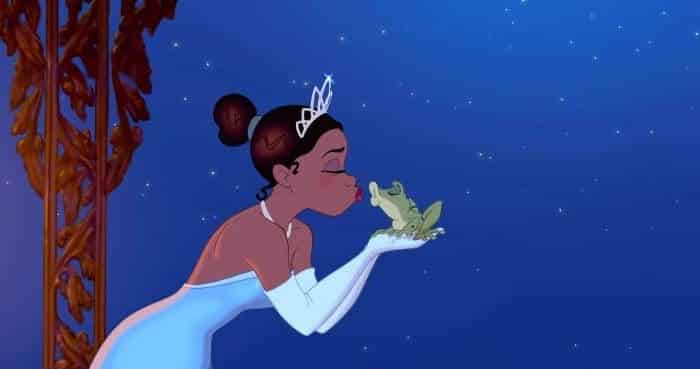
👑 Movie: The Princess and the Frog
🧠 Why she matters: Disney’s first African American princess
🎬 Best moment: Working two jobs to chase her own dream
Tiana broke the mold as the first African American Disney princess, and she did it as the rare princess who is not waiting on a prince. She is grinding toward opening her own restaurant. Yes, she spends a chunk of the film as a frog, but her ambition and resilience are the real story.
Craig Williams
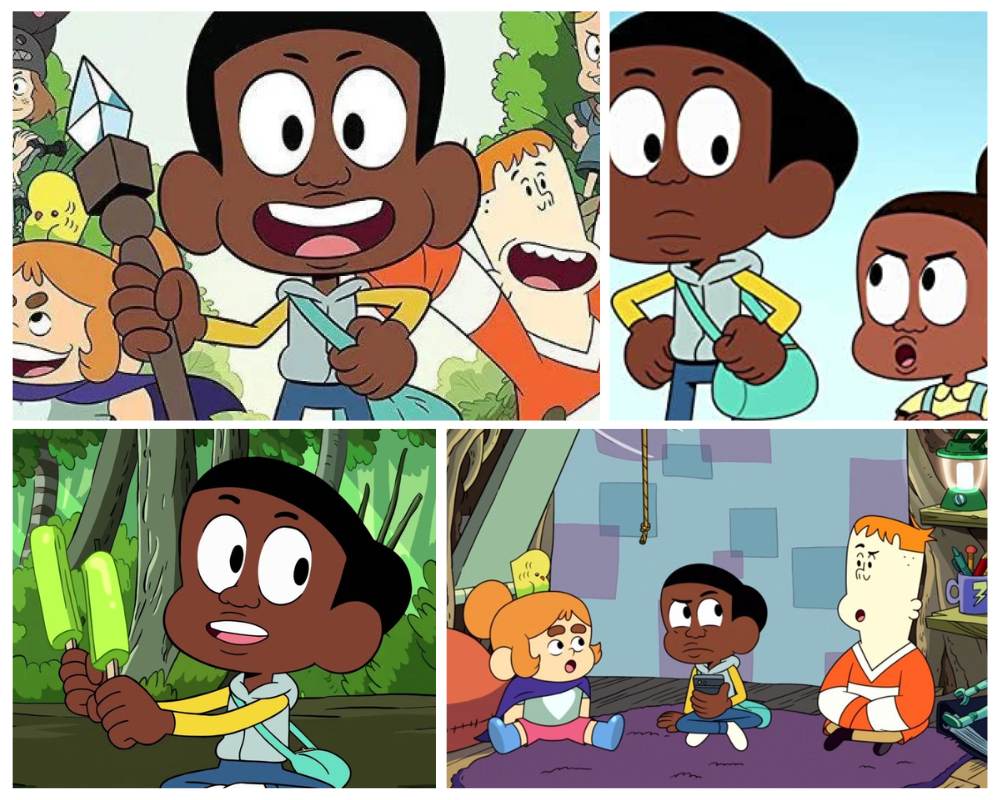
📺 Show: Craig of the Creek
🧠 Why he matters: Black culture woven in naturally, not as the whole plot
🎬 Best moment: Sunday dinner with the family
Craig of the Creek is a quiet masterpiece of modern representation. Craig is just a kid exploring the woods, and the show folds in black culture, from Sunday dinners to hair care, so naturally that it never feels like a lesson. It just feels real.
Doc McStuffins
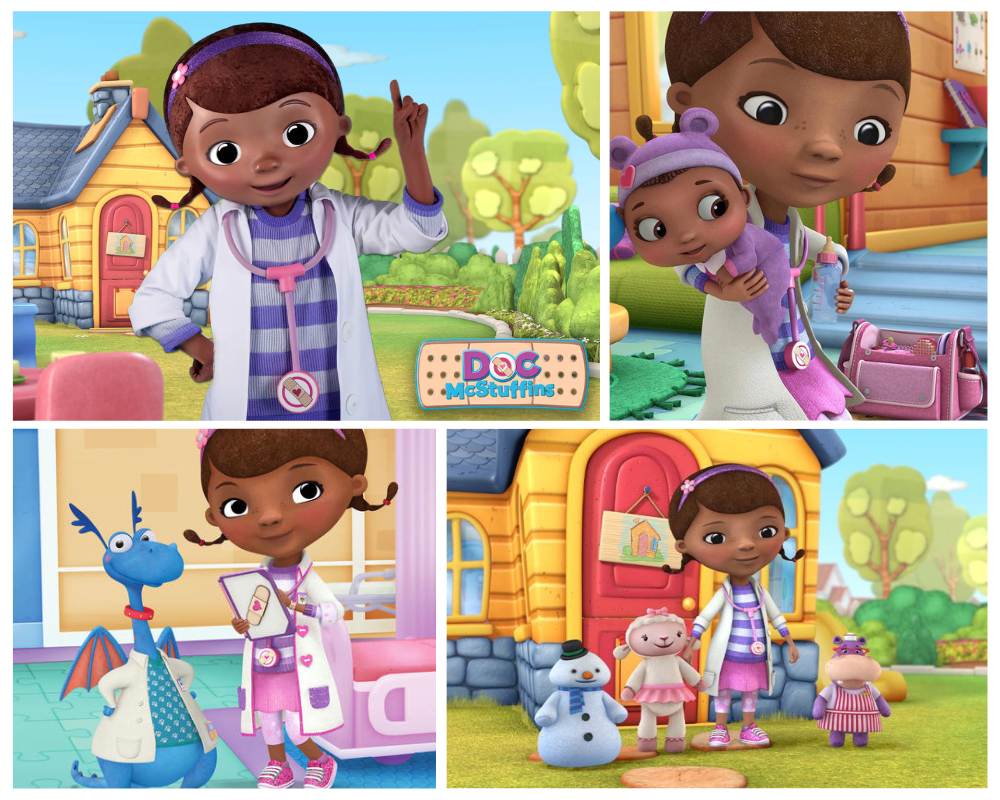
📺 Show: Doc McStuffins
🧠 Why she matters: Normalized black women in medicine for a whole generation of kids
🎬 Best moment: Every toy checkup
This little preschool show quietly changed the landscape. A young black girl playing doctor for her toys may sound simple, but seeing that image on repeat mattered hugely for a generation of kids. Sweet, educational, and genuinely important.
Kiki Pizza
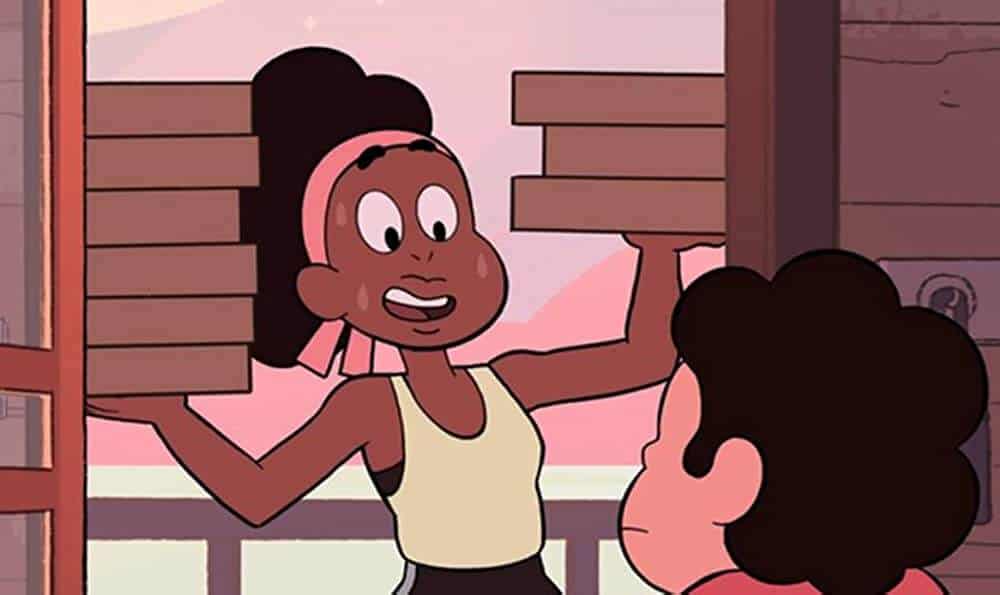
📺 Show: Steven Universe
🧠 Why she matters: The quiet, hardworking everyday hero
🎬 Best moment: Covering shifts for her twin
Kiki works at her family’s pizza shop in Beach City, and unlike her twin Jenny she is the selfless, dependable one. She represents the everyday hero, the person grinding to support the people around them.
Garnet
📺 Show: Steven Universe
🧠 Why she matters: Coded as a black woman and radiating pure leadership
🎬 Best moment: “Stronger Than You”
Technically an alien gem, Garnet is coded as a black woman and voiced by Estelle, and she leads the Crystal Gems with strength, love, and unshakeable calm. Between the afro and the swagger, she is one of the coolest designs in modern cartoons. Created by Rebecca Sugar.
Bow
📺 Show: She-Ra and the Princesses of Power
🧠 Why he matters: A black hero allowed to be soft, emotional, and kind
🎬 Best moment: Being the literal heart of the team
The She-Ra reboot reimagined Bow as a mixed-race character with two dads, and made him the master of both technology and friendship. Unlike the macho heroes of the 80s, Bow gets to be gentle and loving, which felt genuinely new.
Honorable Mentions
- Mr. T from Mister T, the cartoon version of the 80s icon, complete with the gold chains and the life lessons.
- Dr. Facilier from The Princess and the Frog, one of the slickest, scariest Disney villains in years.
- Susie, Penny, and Garnet all do double duty if you are searching specifically for black female cartoon characters, so do not skip back up.
Why Black Representation in Cartoons Matters
It is easy to treat a list like this as just nostalgia, but the throughline is real. Here is what these characters did, step by step:
- They moved from the margins to the lead: compare a background role in the 70s to Miles Morales or Craig headlining their own stories today.
- They got to be complicated: heroes, villains, mean girls, geniuses, and goofballs, instead of a single flat “nice” archetype.
- They normalized everyday images: a black girl as a doctor, a black kid as the genius, a black family at Sunday dinner.
- They reflected real culture without making it the only plot: the modern shows fold it in naturally, which is exactly the point.
Who Created These Characters? (Reference Table)
All the creators and debut years in one place, the part most lists skip.
| Character | Creator(s) | Show / Studio | First Appeared |
|---|---|---|---|
| Fat Albert | Bill Cosby / Filmation | Fat Albert and the Cosby Kids | 1972 |
| Valerie Brown | Hanna-Barbera | Josie and the Pussycats | 1970 |
| Susie Carmichael | Klasky Csupo | Rugrats (Nickelodeon) | 1993 |
| Gerald Johanssen | Craig Bartlett | Hey Arnold! (Nickelodeon) | 1996 |
| Penny Proud | Bruce W. Smith | The Proud Family (Disney) | 2001 |
| Jodie Landon | Glenn Eichler & Susie Lewis | Daria (MTV) | 1997 |
| Miranda Killgallen | Emily Kapnek | As Told by Ginger (Nickelodeon) | 2000 |
| Trixie Carter | Jeff Goode | American Dragon: Jake Long | 2005 |
| Keesha Franklin | Scholastic / Nelvana | The Magic School Bus | 1994 |
| Numbuh 5 | Tom Warburton | Codename: Kids Next Door (CN) | 2002 |
| Libby Folfax | John A. Davis | Jimmy Neutron (Nickelodeon) | 2001 |
| A.J. | Butch Hartman | The Fairly OddParents | 2001 |
| Vince LaSalle | Germain & Ansolabehere | Recess (Disney) | 1997 |
| Miles Morales | Brian Michael Bendis & Sara Pichelli | Marvel | 2011 |
| Storm | Len Wein & Dave Cockrum | Marvel / X-Men | 1975 |
| Frozone | Brad Bird | The Incredibles (Pixar) | 2004 |
| Static Shock | Dwayne McDuffie and team | Milestone / Static Shock | 1993 |
| Cyborg | Marv Wolfman & George Pérez | DC / Teen Titans | 1980 |
| Bumblebee | DC Comics | Teen Titans | 1976 |
| Aqualad (Kaldur’ahm) | Greg Weisman & Brandon Vietti | Young Justice (DC) | 2010 |
| Green Lantern (John Stewart) | Dennis O’Neil & Neal Adams | DC / Justice League | 1971 |
| Valerie Gray | Butch Hartman | Danny Phantom (Nickelodeon) | 2004 |
| Huey Freeman | Aaron McGruder | The Boondocks | 1999 / 2005 |
| Cleveland Brown | Seth MacFarlane / Mike Henry | Family Guy / The Cleveland Show | 1999 |
| Lana Kane | Adam Reed | Archer (FX) | 2009 |
| Michiko Malandro | Manglobe (Sayo Yamamoto) | Michiko & Hatchin | 2008 |
| Afro Samurai | Takashi Okazaki | Afro Samurai | 2007 |
| Token / Tolkien Black | Trey Parker & Matt Stone | South Park | 1998 |
| Foxxy Love | Comedy Central | Drawn Together | 2004 |
| Princess Tiana | Ron Clements & John Musker | The Princess and the Frog (Disney) | 2009 |
| Craig Williams | Matt Burnett & Ben Levin | Craig of the Creek (CN) | 2018 |
| Doc McStuffins | Chris Nee | Disney Junior | 2012 |
| Kiki Pizza | Rebecca Sugar | Steven Universe (CN) | 2013 |
| Garnet | Rebecca Sugar | Steven Universe (CN) | 2013 |
| Bow | Noelle Stevenson | She-Ra (reboot) | 2018 |
Frequently Asked Questions
Who was the first black female cartoon character with a regular role?
Valerie Brown from Josie and the Pussycats, who debuted in 1970, is widely credited as the first black female character with a regular role in a Saturday morning cartoon.
Who is the first black Disney princess?
Princess Tiana from The Princess and the Frog (2009) is Disney’s first African American princess, and notably one driven by her own ambition rather than waiting for a prince.
Who are some famous black female cartoon characters?
Penny Proud, Susie Carmichael, Numbuh 5, Storm, Garnet, Doc McStuffins, and Princess Tiana are among the most beloved, spanning classics, superheroes, and modern leads.
Are there black cartoon characters with glasses or dreads?
Yes. For glasses, Hermes Conrad, Dr. Hibbert, and Cleveland Brown Jr. are go-tos, which I cover more in my cartoon characters with glasses list. Hermes Conrad is also the best-known example of a character with neat dreadlocks.
Who is the most iconic black cartoon superhero?
Miles Morales and Static Shock are the usual answers for newer fans, while Storm and John Stewart’s Green Lantern are the classic, genre-defining picks.
Who did I leave off? Drop your favorite in the comments. I keep this list growing whenever someone reminds me of a great one, and they always do.