Let’s talk about Fantasmagorie, the 1908 French animated short that’s widely considered the first hand-drawn animated cartoon ever made.
If you’ve ever watched a Pixar movie, a Studio Ghibli film, a Saturday morning cartoon, or honestly any animated content of any kind, the genealogy traces back to one man and one minute-twenty-second silent film: Émile Cohl’s Fantasmagorie (1908). It’s a strange, surreal, hand-drawn ride through a world of shape-shifting figures, and it’s the foundation that everything else in animation history is built on.
In this post, I’m breaking down what Fantasmagorie is, how it was made, who Émile Cohl was, and why this one short film changed entertainment forever.
- ✅ Country: France
- 💡 Release date: August 17, 1908
- 🔥 Director: Émile Cohl
- ✅ Producer: Émile Cohl
- 💡 Production company: Gaumont
- 🔥 Distributed by: Gaumont
- ✅ Length: approximately 1 minute, 20 seconds
- 💡 Total drawings: 700 individual hand-drawn frames
- 🔥 Language: none (silent film)
What Is Fantasmagorie?
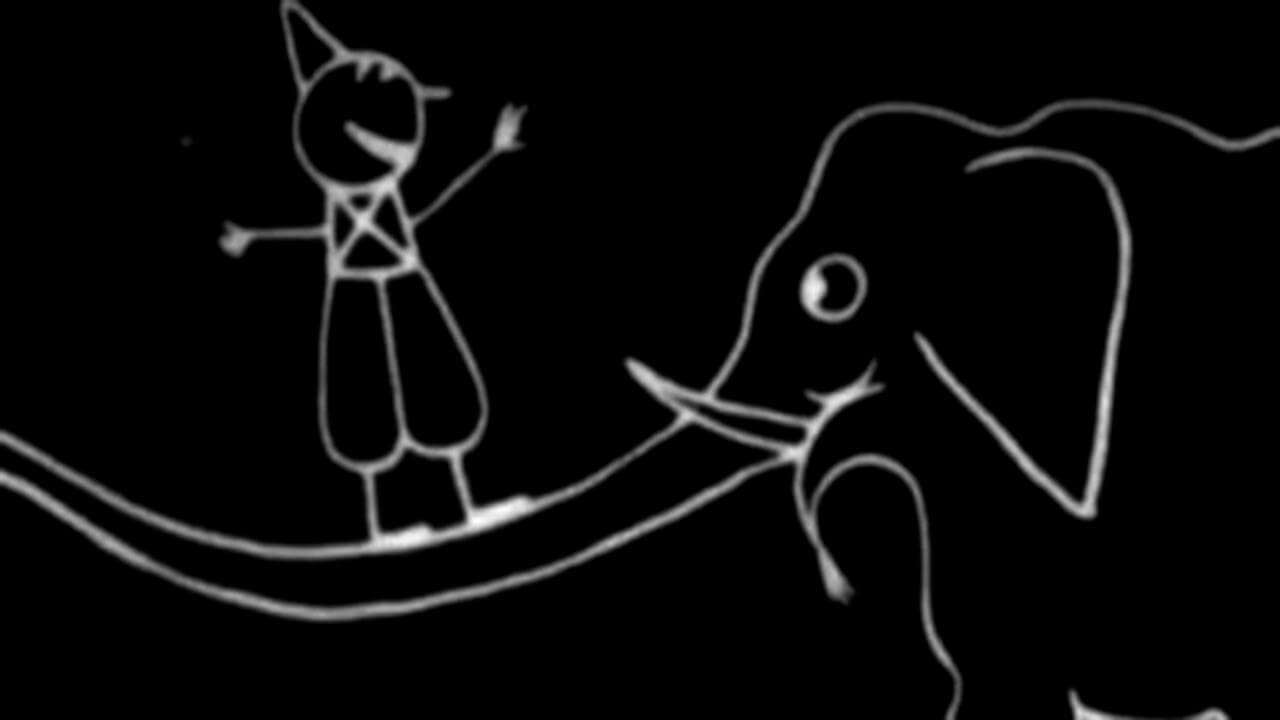
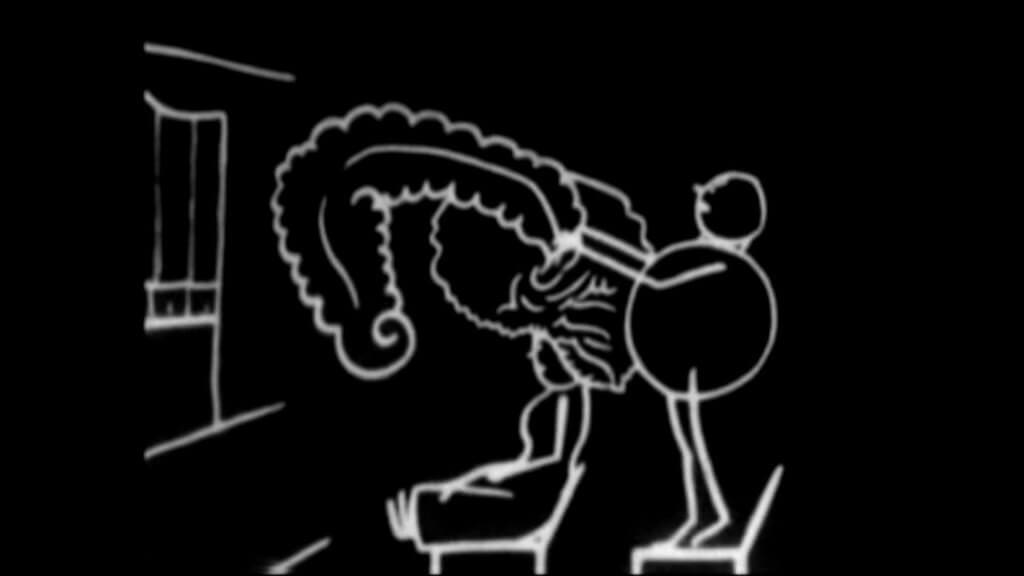
Fantasmagorie is a short, silent, black-and-white animated film created by French artist Émile Cohl in 1908. It runs about 80 seconds. It features a loosely narrative sequence of hand-drawn figures (mostly a dapper stick-figure gentleman) interacting with a shape-shifting, dreamlike world.
The film looks like white chalk drawings on a black background, but it was actually drawn in pen and ink on paper and then double-exposed onto film to invert the colors. That technique gave it the iconic “chalkboard” look that defined Cohl’s early work.
It’s the first fully hand-drawn animated film in cinema history. There’s some legitimate debate about which film deserves the “first animation” title (more on that in the FAQ), but Fantasmagorie is the one most film historians point to as the start of animation as a true art form.
Émile Cohl: The Father of the Animated Cartoon
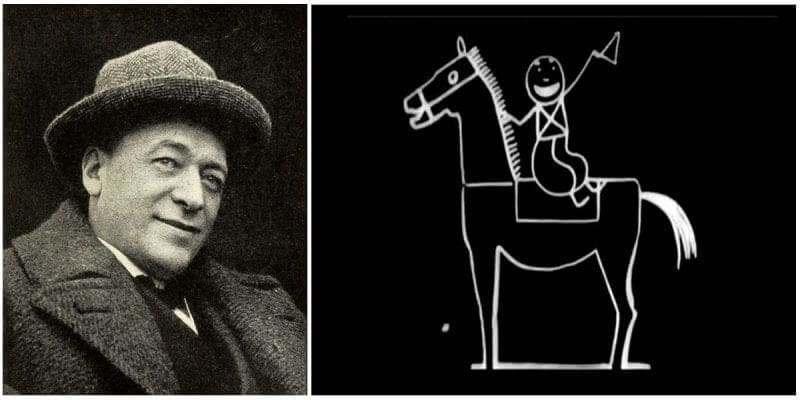
Émile Cohl was born Émile Eugène Jean Louis Courtet in Paris on January 4, 1857. He’s now widely known as the “Father of the Animated Cartoon,” and he absolutely earned that title.
Before he got into animation, Cohl was already a successful caricaturist in France. He contributed political cartoons and caricatures to numerous French publications and co-founded the Incoherent Movement, a late-19th-century artistic movement dedicated to the absurd, the surreal, and the deliberately nonsensical. (Honestly, you can see the Incoherent Movement’s DNA in everything from Dada to Monty Python to modern surrealist animation.)
When Cohl moved into film animation in his fifties, he brought that whole absurdist sensibility with him. Fantasmagorie isn’t a story film. It’s a sequence of dreamlike transformations: a man becomes a flower, a flower becomes a bottle, a hat becomes a butterfly, and so on. It’s pure visual play. That approach defined animation’s early aesthetic and influenced everything from early Disney shorts to modern experimental animation.
Cohl went on to make over 250 short films in his career, including The Puppet’s Nightmare (1908) and The Hasher’s Delirium (1910).
How Fantasmagorie Was Made
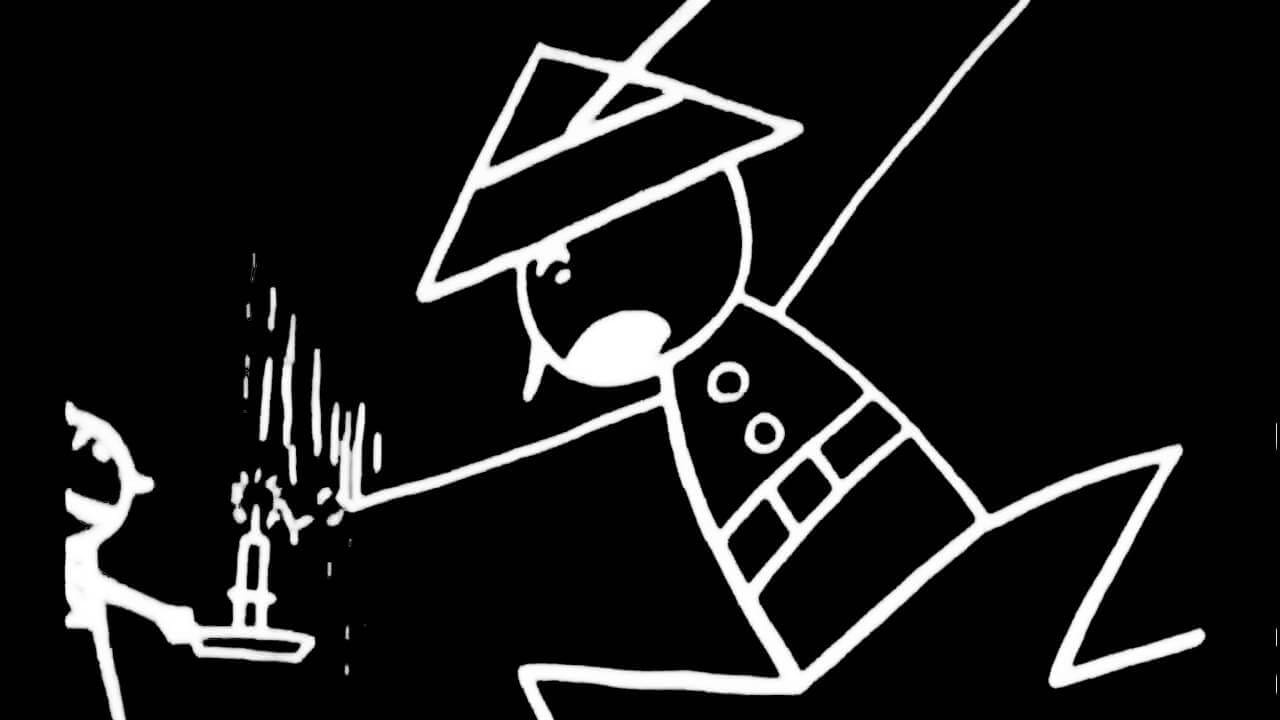
Making Fantasmagorie was a brutal undertaking. There were no computers. No animation cels (those wouldn’t be invented for another six years, by Earl Hurd in 1914). No frame-by-frame software. Just paper, pen, ink, a camera, and one extremely patient Frenchman.
Here’s how Cohl actually pulled it off:
The Drawing Process
Cohl drew each frame individually on paper. He used an illuminated glass plate (essentially an early lightbox) to trace consecutive drawings, which let him keep the figures consistent from one frame to the next while making small position adjustments.
The film was projected at 16 frames per second (standard for the silent film era). Cohl drew 8 unique drawings per second of footage and then photographed each one twice to fill out the framerate.
Total drawings: 700, for roughly 80 seconds of finished film.
The Production Timeline
Cohl created Fantasmagorie over approximately five months, from February 1908 to either May or June of that year. That’s a wild pace when you consider he was essentially inventing the entire production workflow as he went.
The Chalkboard Effect
The film’s distinctive white-on-black look (which makes it look like chalk drawings on a blackboard) wasn’t achieved with actual chalk. Cohl drew everything in pen and ink on white paper, then used double-exposure photography to invert the image to white lines on black. That technique was inspired by American animator J. Stuart Blackton’s earlier work.
The Photography
Cohl and a camera assistant placed each drawing one at a time on a lightbox, photographed it, removed it, and repeated the process 700 times. As film historian Donald Crafton notes in Emile Cohl, Caricature, and Film, the opening and closing shots required white ink on black paper because Cohl’s own hands appear in the frame (visible in positive) and needed to match the inverted negative animation.
The Premiere of Fantasmagorie
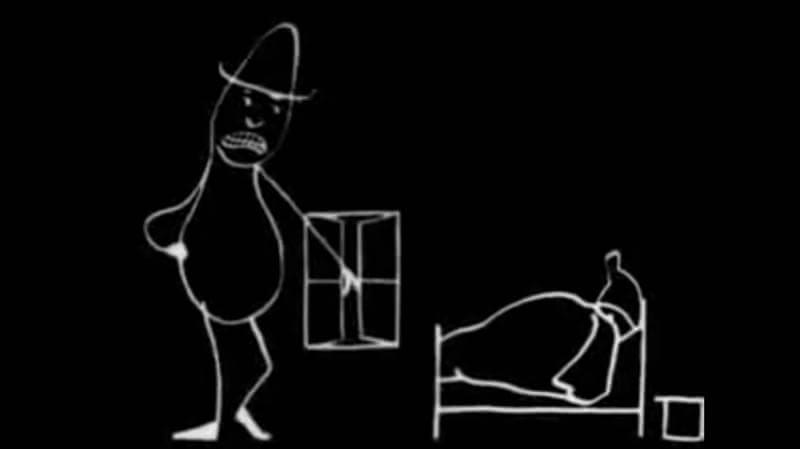
Fantasmagorie premiered at the Théâtre du Gymnase in Paris on August 17, 1908. It was distributed by Gaumont, one of the earliest and most important French film studios. (Gaumont still exists today, by the way. It’s one of the oldest film companies in the world.)
The film stunned audiences. Most people in 1908 had only ever seen live-action film. The idea that drawings could move, transform, and tell stories was genuinely revolutionary. Fantasmagorie wasn’t just entertainment. It was proof of concept for an entire new medium.
The Legacy of Fantasmagorie
Cohl’s invention rippled through the entire 20th century and beyond. Every animator who came after him owes a debt to Fantasmagorie’s groundbreaking work.
The direct lineage includes:
- Winsor McCay – the American comic strip artist who created Little Nemo (1911) and Gertie the Dinosaur (1914), inspired by Cohl’s work
- Walt Disney – whose Mickey Mouse Steamboat Willie (1928) built directly on the silent animation traditions Cohl established
- Max and Dave Fleischer – who created Betty Boop and the early Popeye cartoons
- Chuck Jones, Tex Avery, and the Warner Bros. team – who shaped Looney Tunes and Merrie Melodies
- Hayao Miyazaki and the Studio Ghibli generation – working within an art form Cohl helped define
And every modern cartoon you can think of (The Simpsons, Pixar films, Rick and Morty, the entire anime industry) traces its DNA back to that 80-second French short from 1908.
That’s the kind of cultural impact you don’t measure in dollars. You measure it in the entire mediums that wouldn’t exist without it.
Watch Fantasmagorie (1908)
The good news: Fantasmagorie is in the public domain, so you can watch the full 80-second film legally for free. Here it is:
Frequently Asked Questions
What was the first animated cartoon ever made?
There’s some legitimate debate, but Fantasmagorie (1908) by Émile Cohl is most widely recognized as the first fully hand-drawn animated cartoon. Earlier works like Humorous Phases of Funny Faces (1906) by J. Stuart Blackton predated Fantasmagorie but used different techniques (chalkboard drawings combined with stop-motion of cut-out shapes). Cohl’s was the first to use a fully consistent hand-drawn frame-by-frame approach.
Who made Fantasmagorie?
Fantasmagorie was created by French artist Émile Cohl (born Émile Eugène Jean Louis Courtet). He directed, produced, and personally drew all 700 frames of the film. It was distributed by Gaumont and premiered at the Théâtre du Gymnase in Paris on August 17, 1908.
How long is Fantasmagorie?
Fantasmagorie is approximately 1 minute and 20 seconds (around 80 seconds total). It was projected at 16 frames per second, the standard rate for silent films in the 1908 era.
How many drawings are in Fantasmagorie?
Cohl created 700 individual hand-drawings to make the film. He drew 8 unique frames per second of footage and photographed each one twice to reach the 16 fps projection rate.
How did Cohl make Fantasmagorie look like chalk on a blackboard?
The “chalk on blackboard” look is actually a double-exposure photography trick. Cohl drew everything in pen and ink on white paper, then used negative film exposure to invert the image to white lines on black. The technique was inspired by American animator J. Stuart Blackton’s earlier work.
Is Fantasmagorie a silent film?
Yes. Fantasmagorie was released in 1908, nearly two decades before synchronized sound came to film with The Jazz Singer (1927). It was originally screened with live musical accompaniment (typical for silent films of the era).
Why is Émile Cohl called the Father of the Animated Cartoon?
Cohl earned the title for inventing the fundamental techniques of hand-drawn animation. Frame-by-frame drawing on a lightbox. Consistent character design across hundreds of drawings. Visual storytelling through transformation and movement. Every animator working today is still using techniques Cohl established with Fantasmagorie in 1908.
Where can I watch Fantasmagorie today?
Fantasmagorie is in the public domain and freely available on YouTube and the Internet Archive. There’s no need to pay for or rent the film. Just search “Fantasmagorie 1908” and you’ll find multiple high-quality uploads, often with new musical scoring added by various artists over the years.