Dumb cartoon dads are one of animation’s most reliable comedy machines.
Give me one well-meaning father figure, one questionable decision, one patient wife in the background, and one household appliance about to explode, and suddenly I’m watching television history unfold in sweatpants.
The funny thing is, the “dumb dad” trope has changed a lot.
He didn’t start as a complete walking disaster. Early cartoon dads were more like loud schemers with oversized egos. Then came the lovable oafs. Then the chaos gremlins. Then the emotionally available dads who made everyone say, “Wait… fathers in cartoons can be funny and competent?”
Radical concept. Alert the sitcom writers.
So I wanted to trace the evolution of dumb cartoon dads from the 1960s through the modern era. Not just to point and laugh—although yes, there will be pointing and laughing—but to figure out why this trope stuck around for so long.
The Evolution of the Dumb Cartoon Dad
When I say “dumb cartoon dad,” I don’t always mean low intelligence.
Sometimes the dad is actually smart in one specific area and hopeless everywhere else. Sometimes he’s emotionally immature. Sometimes he’s stubborn. Sometimes he’s just a grown man with the impulse control of a raccoon near an open trash can.
My quick definition of a “dumb cartoon dad”:
- Not always low IQ: sometimes it’s bad judgment, ego, panic, or emotional immaturity.
- He starts the mess: the plot often happens because Dad makes the wrong choice first.
- Comedy is the safety net: the family usually sticks around because the show needs the reset button.
- He reflects the era: each version says something about how cartoons viewed fathers at the time.
And yes, this connects naturally to the wider world of dumb cartoon characters, because cartoon stupidity is basically its own art form.
The Prototype: The Working-Class Schemer
In the beginning, the dumb dad wasn’t really “dumb.”
He was loud. He was stubborn. He had a plan. The plan was terrible. That was the joke.
Fred Flintstone (The Flintstones)
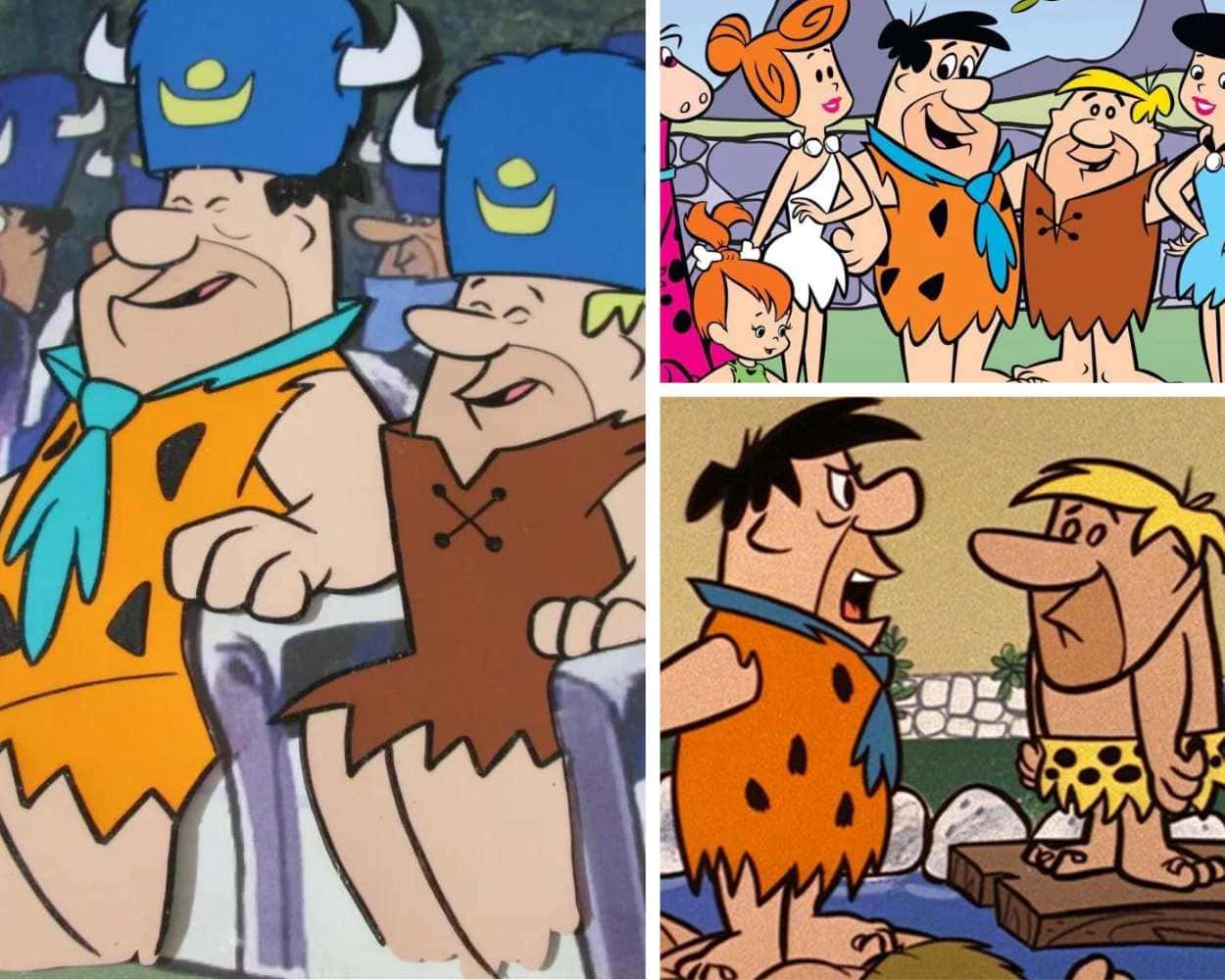
Show: The Flintstones
What he is: Average brain, oversized ego.
Parenting vibe: Provider energy with big feelings.
My take: Fred isn’t stupid. He’s just confident enough to think reality can be negotiated with yelling.
Fred Flintstone is where I have to start.
He’s the early blueprint for the animated dad who means well, works hard, loves his family, and still somehow makes every situation worse by trying to outsmart it.
Fred’s “dumbness” is really hubris. He always thinks he has a shortcut, a scheme, a get-rich idea, or a clever way to dodge responsibility.
And then life smacks him with a cartoon-sized frying pan.
Fred is not the modern chaos dad. He has consequences. He gets humbled. He worries about disappointing Wilma. That makes him feel more human than a lot of later cartoon dads who can destroy a city block and be fine after the commercial break.
George Jetson (The Jetsons)
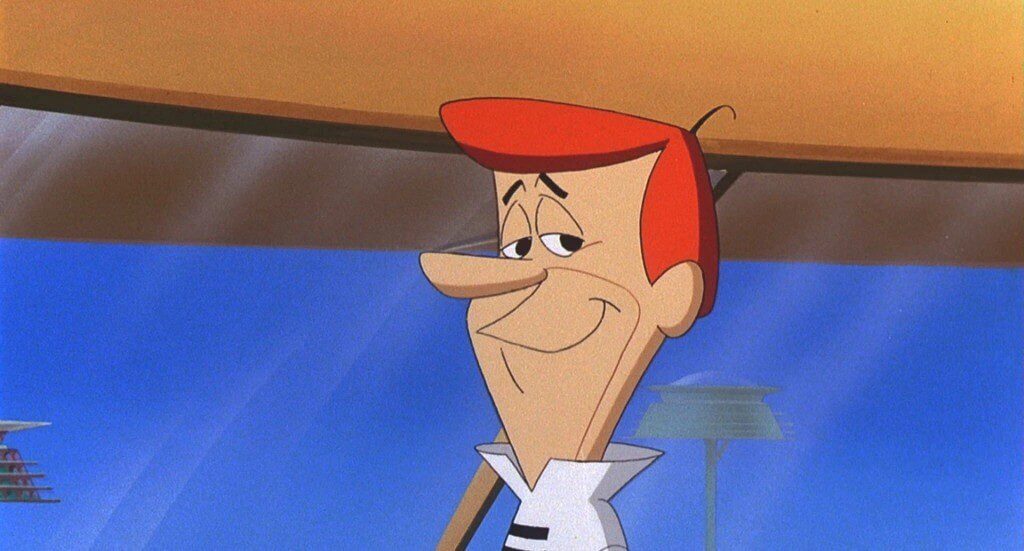
Show: The Jetsons
What he is: Not dumb—hapless.
Parenting vibe: Overwhelmed modern dad.
My take: George’s dumb dad energy is basically anxiety in a jumpsuit.
I always saw George Jetson as Fred Flintstone’s futuristic cousin, except less “king of the castle” and more “please don’t make me talk to my boss.”
George isn’t stupid in the classic sense. He’s overwhelmed.
Technology outpaces him. His kids understand the world better than he does. Even Astro sometimes seems more emotionally prepared for daily life.
George represents a different kind of dad anxiety. Fred is afraid of losing authority. George is afraid the future already passed him and forgot to wave.
The Golden Age: The Lovable Oaf
By the 1990s, the cartoon dad became softer, dumber, and much more likely to eat something off the floor.
This is where the trope really exploded. Animation got sharper, more satirical, and more willing to poke holes in the old “Father Knows Best” fantasy.
As cartoons moved beyond the polished feel of many cartoons of the 1980s, dads became less like authority figures and more like oversized children with mortgage responsibilities.
Homer Simpson (The Simpsons)
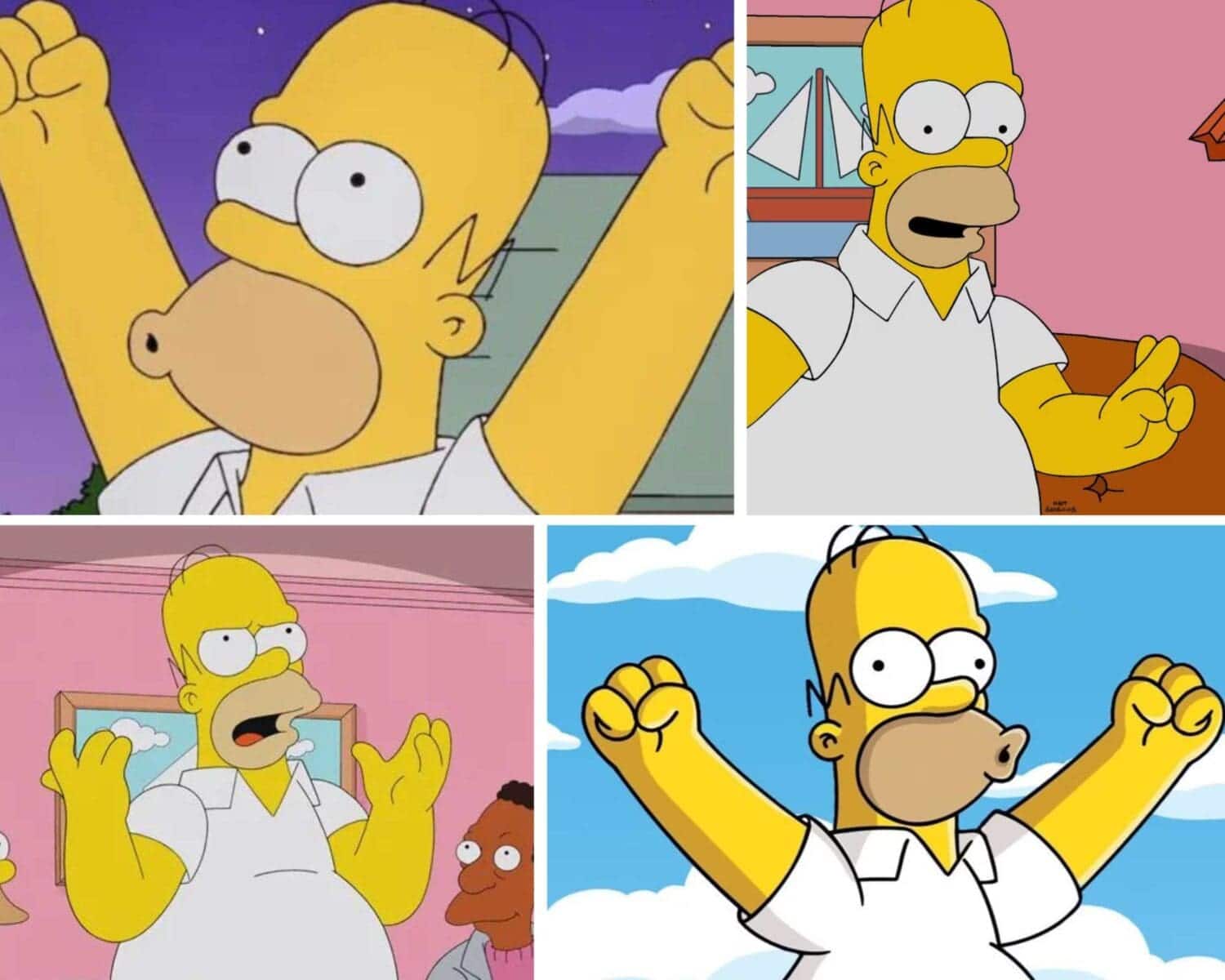
Show: The Simpsons
What he is: Low IQ, high appetite.
Parenting vibe: Negligent, but emotionally attached.
My take: Homer is forgivable because the show keeps reminding me he loves his family, even when he is terrible at proving it.
Homer Simpson is the pivot point.
Fred schemes. Homer reacts. He sees a donut, he eats it. He feels stress, he avoids it. He wants comfort, he chooses comfort so aggressively it becomes a plot.
Homer is basically the id with a job at a nuclear plant.
And yes, some parts of the character haven’t aged perfectly. The running gag with Bart is a big one.
But early golden-era Homer had one thing that kept him from becoming pure cartoon trash fire: sincerity.
Homer’s stupidity is funny because it’s also vulnerable. He fails constantly, but then the show gives him one honest moment that reminds me why the family stays.
He’s a mess. But he’s their mess.
Timmy’s Dad (The Fairly OddParents)
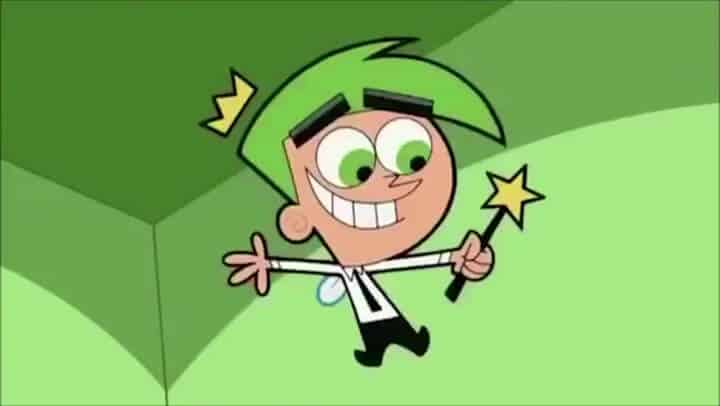
Show: The Fairly OddParents
What he is: Oblivious, petty, and somehow fully committed to Dinkleberg hatred.
Parenting vibe: More “big kid in the house” than actual guide.
My take: Timmy’s dad lives in a parallel reality where Dinkleberg is the final boss.
Timmy’s dad takes the dumb dad trope and cranks it into cartoon absurdism.
He’s not just clueless. He is aggressively distracted by his own nonsense.
The man’s entire emotional operating system has a Dinkleberg folder, and it is full.
What I find interesting is that Timmy’s dad represents a shift: the dad is no longer the authority figure. He’s background chaos.
Timmy, with help from Cosmo and Wanda, is usually the one navigating the real story while the adults orbit around him like confused satellites.
The Toxic Turn: The Chaos Agent Dad
Then adult animation got louder, darker, and more willing to let cartoon dads become full disaster engines.
This is the era where the question shifted from “How can Dad mess up?” to “How much damage can Dad cause before the credits roll?”
If you’ve ever fallen into an adult cartoons binge, you know exactly the kind of chaos I mean.
Peter Griffin (Family Guy)
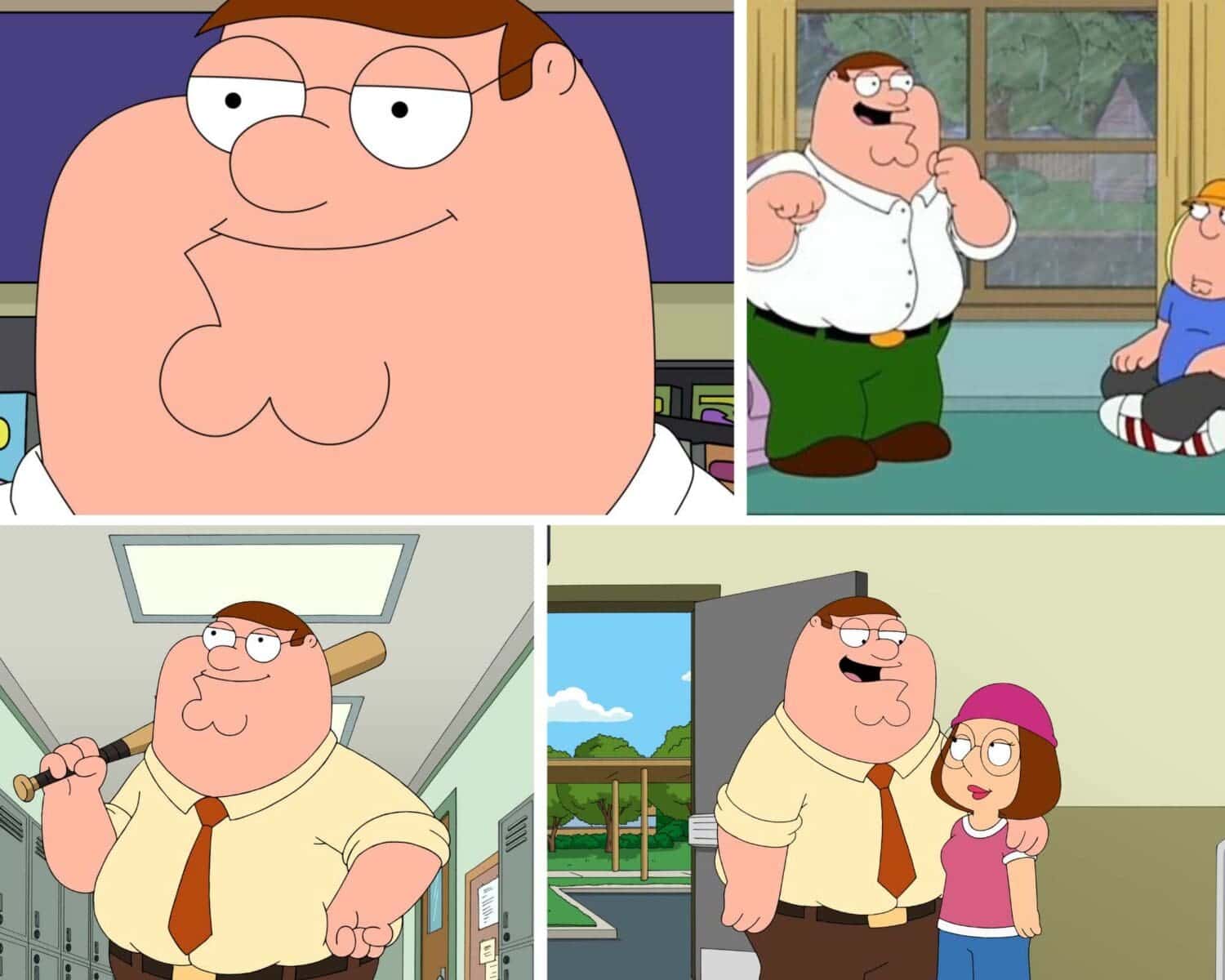
Show: Family Guy
What he is: Chaos vehicle powered by rule-of-funny logic.
Parenting vibe: Active menace.
My take: Peter is what happens when the dumb dad trope stops caring about consequences entirely.
If Homer is a lovable oaf, Peter Griffin is a comedy grenade with legs.
He isn’t just stupid. He’s often reckless, selfish, petty, and casually destructive in a way that feels designed to break reality for the punchline.
That’s the big shift.
Peter operates by punchline physics. Logic bends around the joke. Consequences disappear if the next cutaway needs them to. He can ruin lives, wreck property, torment Meg Griffin, and then reset back to the couch like nothing happened.
Peter is less “relatable dad” and more “what if a sitcom father became a cartoon wrecking ball?”
Stan Smith (American Dad!)
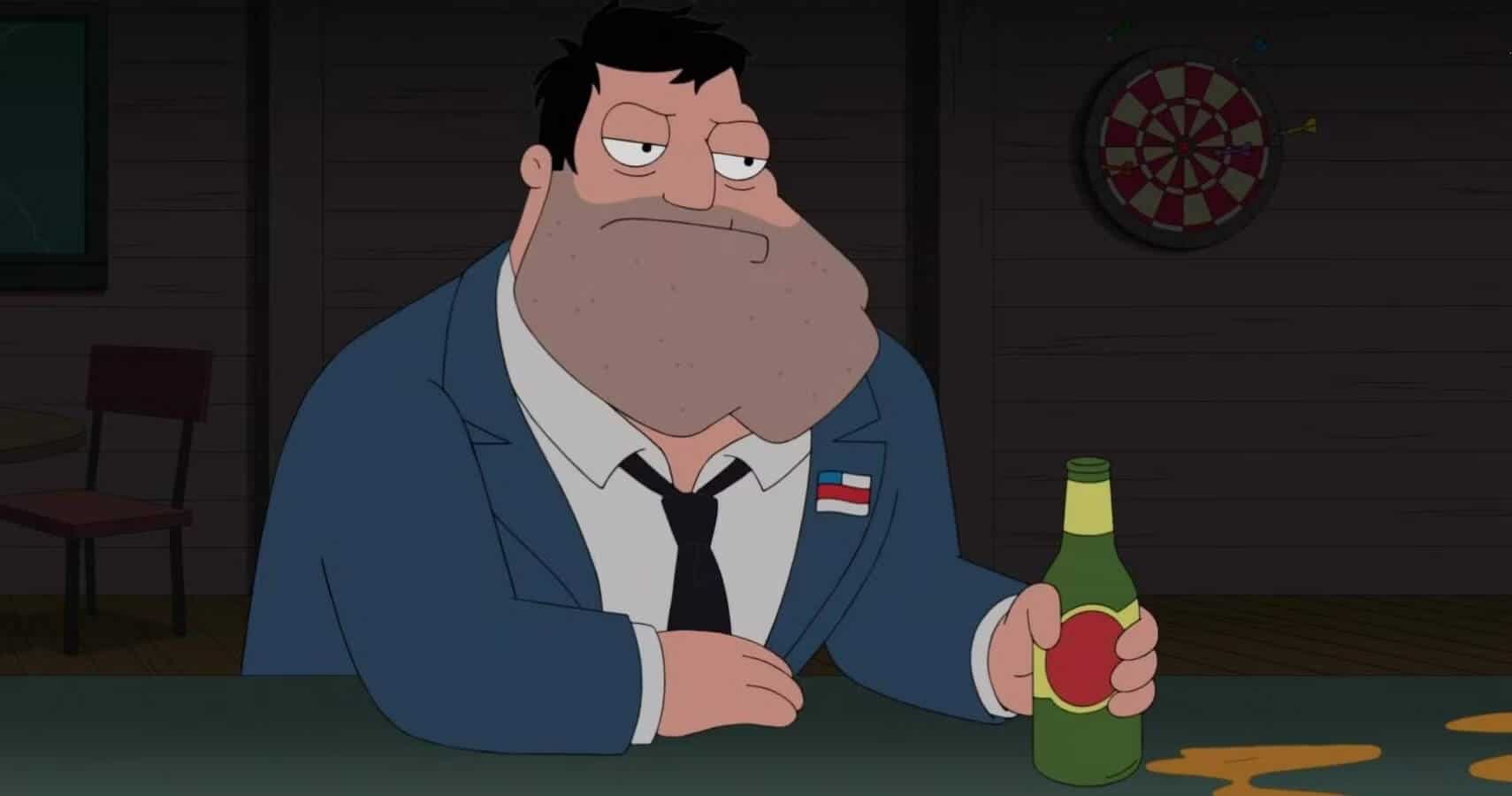
Show: American Dad!
What he is: Competent at work, emotionally clumsy at home.
Parenting vibe: Authoritarian control freak.
My take: Stan isn’t dumb. He’s rigid. His worldview does the damage for him.
Stan Smith is one of the more interesting twists on the dumb dad trope.
He’s not helpless. He’s not lazy. He’s not an idiot in the same way Homer or Peter can be.
Stan is competent in a very specific, very dangerous way.
His dumb dad decisions usually come from control, ideology, insecurity, and the absolute confidence that he is right even when reality is already packing its bags.
Stan’s version of stupidity is emotional inflexibility. He can handle a CIA mission, but a normal family conversation can somehow become a national incident.
The Modern Era: The Man-Child Dad
After the chaos-agent era, cartoons started moving the dumb dad into softer territory again.
The modern man-child dad is often immature, silly, and incompetent, but not always cruel.
He’s less “dangerous idiot” and more “adult who somehow made it through life without learning how laundry works.”
Richard Watterson (The Amazing World of Gumball)
Show: The Amazing World of Gumball
What he is: Pure man-child wonder.
Parenting vibe: Accidental chaos with a weirdly sweet center.
My take: Richard feels like the endpoint: not malicious, not scheming—just reality-breaking incompetence.
Richard Watterson might be the most fascinating endpoint of the dumb dad evolution.
He doesn’t work. He doesn’t scheme. He barely functions as an adult. But unlike Peter Griffin, Richard usually doesn’t feel malicious.
He feels childlike.
Sometimes that makes him frustrating. Sometimes it makes him sweet. Sometimes it makes me wonder how the Watterson household has insurance.
Richard represents the full “man-child dad” era. The mom becomes the competent protector, and the dad becomes the court jester who might accidentally break the laws of physics while making toast.
Bob Belcher (Bob’s Burgers)
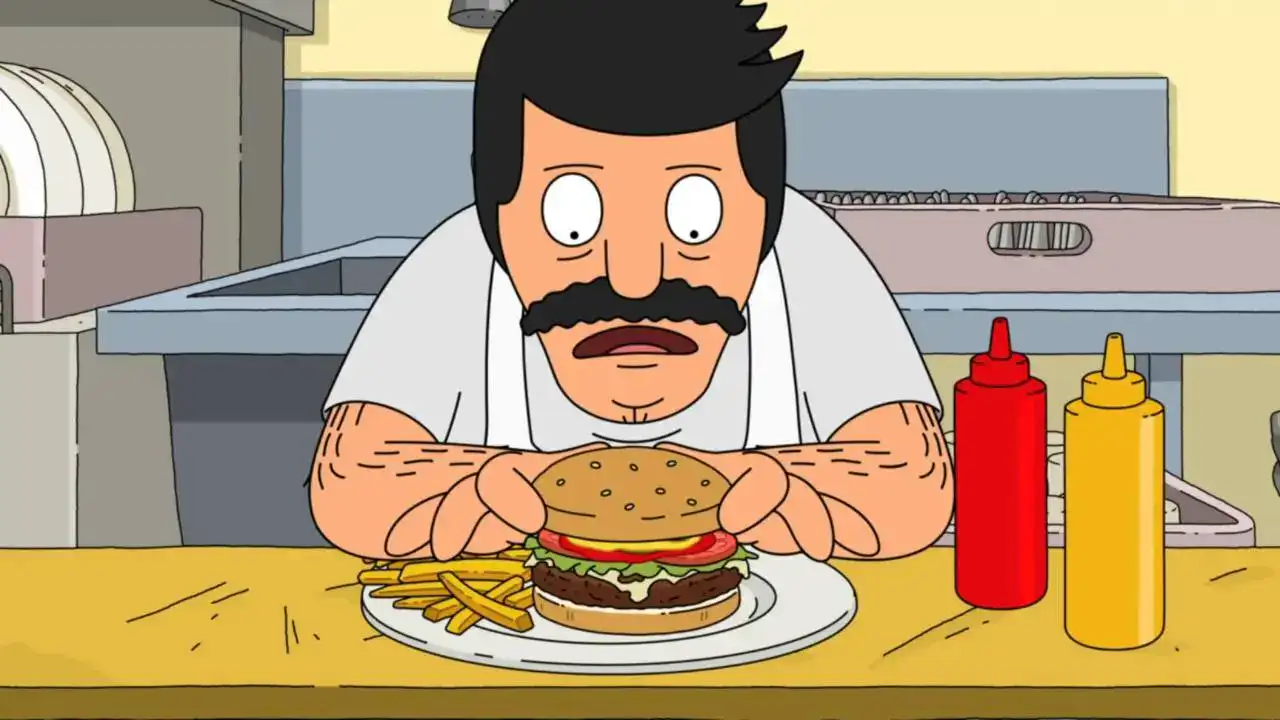
Show: Bob’s Burgers
What he is: Not dumb—exhausted.
Parenting vibe: Realist dad trying his best.
My take: Bob proves a cartoon dad can be funny without being incompetent.
Bob Belcher is where the dumb dad trope starts to get challenged.
Bob is not a genius, but he is also not the family liability. He works hard, loves his kids, supports Linda’s chaos, and spends most episodes trying to keep reality from collapsing around the restaurant.
His biggest flaw is not stupidity. It is exhaustion.
Bob works because he reacts to the chaos instead of always causing it. That makes his scenes with Tina, Gene, and Louise feel warmer. He’s not above the weirdness, but he’s not trying to burn the house down for a joke either.
The Good Dad Renaissance
Eventually, audiences started pushing back on the idea that cartoon dads always had to be incompetent babysitters.
And honestly? I get it.
Dads can be funny without being useless. They can be flawed without being disasters. They can be goofy without needing a court-appointed supervisor.
Goofy (A Goofy Movie)
Movie: A Goofy Movie
What he is: Clumsy, but emotionally sincere.
Parenting vibe: Trying too hard because he loves hard.
My take: Goofy isn’t dumb. He’s uncool. And teenagers treat uncool like a felony.
Goofy is clumsy, awkward, and absolutely capable of embarrassing his son into another zip code.
But is he a bad dad? Absolutely not.
A Goofy Movie works because it reframes goofiness as love. Goofy tries too hard because he cares too much.
That’s why it hits. He’s not incompetent. He’s earnest. And sometimes earnest parents are deeply embarrassing because sincerity has no chill.
Bandit Heeler (Bluey)
Show: Bluey
What he is: Playful, emotionally present, and competent.
Parenting vibe: Modern ideal dad.
My take: Bandit is the anti-Homer: funny without being the family’s liability.
Bandit Heeler feels like the modern correction to decades of dumb cartoon dads.
He is silly, but not useless. He plays, but he is still present. He jokes, but he also listens. He can be tired, flawed, and ridiculous without becoming a full domestic hazard.
Bandit proves cartoons can write funny dads without making them incompetent.
And that might be the biggest shift in the whole timeline.
Why We Keep Coming Back to Dumb Cartoon Dads
Looking at this timeline, I think the appeal of the dumb cartoon dad is pretty simple.
It’s low-stakes failure.
- Homer can ruin everything and still have family dinner next episode.
- Peter can explode the plot and be back on the couch immediately.
- Richard can break reality and still get a hug.
- Fred can scheme badly and still go home to Wilma.
In real life, consequences stick.
Bills stick. Parenting mistakes stick. Stress sticks. The dumb dad trope is a comedy fantasy where failure resets, love stays, and everything somehow works out before the next episode.
That’s why these characters keep coming back.
They let us laugh at incompetence without having to clean up the actual mess.
My Take on the Dumb Dad Trope
I don’t think we’ve fully moved past dumb cartoon dads.
But I do think the trope has changed.
The old version said, “Dad is the boss, even when he’s wrong.”
The middle version said, “Dad is a disaster, but he means well.”
The darker version said, “Dad is a chaos engine, good luck everyone.”
The modern version is starting to say, “Dad can be funny, flawed, and still emotionally present.”
That feels like progress to me.
I still enjoy a dumb cartoon character falling down stairs as much as the next emotionally mature adult, but I like that newer cartoons are giving us more variety.
Sometimes Dad can be the joke.
Sometimes Dad can be the heart.
And sometimes Dad can be Bob Belcher, silently losing the will to live while his children turn a normal Tuesday into a business liability.
Final Thoughts
The evolution of the dumb cartoon dad says a lot about how animated families have changed.
Fred Flintstone gave us the loud schemer. Homer Simpson gave us the lovable oaf. Peter Griffin turned the trope into full chaos. Richard Watterson made it childlike. Bob Belcher and Bandit Heeler pushed back with something warmer and more grounded.
For me, the best cartoon dads are not the ones who are smartest or dumbest.
They’re the ones who are funny in a way that fits the family around them.
Now I need to settle a debate: if one cartoon dad had to babysit your kids, pets, or houseplants for a weekend, who are you trusting—Homer, Bob, Richard, Goofy, or Bandit?