Cartoon characters with money are some of the funniest people in animation because cartoons understand one very important truth: being rich makes characters weird faster.
Give a normal cartoon character a little money, and maybe they buy a nice house. Give a cartoon character billionaire-level money, and suddenly they’re building dragon-shaped jets, swimming in gold coins, blocking out the sun, or trying to buy their way onto a superhero team.
Subtlety? Never met her.
I’ve always found rich cartoon characters fascinating because they’re rarely just “wealthy.” Their money usually says something bigger about power, ego, loneliness, ambition, greed, or the deeply human urge to own a private McDonald’s for no practical reason.
So here’s my list of cartoon characters with money who made wealth part of their personality, for better, worse, and occasionally “please call a financial crimes attorney.”
Rich Cartoon Characters Who Made Money Their Whole Vibe
For this list, I’m not ranking bank balances with a calculator and a tiny green visor. I’m looking at characters whose wealth is central to how they move through the story.
How I picked these wealthy animated characters:
- Money matters to the character: their wealth affects the story, jokes, power, or identity.
- They’re memorable: I wanted characters people instantly associate with riches, business, luxury, or financial nonsense.
- They show different types of wealth: old money, corporate empires, inheritance, adventure treasure, tech money, and “Daddy’s money.”
- They’re fun to talk about: because if a character owns a money bin, I’m legally required to discuss it.
Some of these characters use money for good. Some use it for evil. Some use it to buy high-tech gadgets because they are emotionally allergic to being told “no.”
Let’s start with one of the pettiest rich kids in cartoon history.
Princess Morbucks (The Powerpuff Girls)
Wealth source: Daddy’s money.
Best money move: Buying high-tech gadgets to imitate superpowers.
My take: Princess Morbucks proves you can buy equipment, but you cannot buy being the main character.
Princess Morbucks is the definition of “I brought my checkbook to a morality fight.”
In The Powerpuff Girls, she desperately wants to join Blossom, Bubbles, and Buttercup. Unfortunately, she does not have Chemical X, actual heroism, or the emotional maturity required to hear the word “no.”
So she does what any spoiled cartoon rich kid would do: she throws money at the problem until it becomes everyone else’s problem too.
That’s why I love to hate her. Princess Morbucks is entitled, jealous, flashy, and hilarious because she truly believes wealth is a personality trait.
Her Powerpuff Girls profile is a good rabbit hole too: Princess Morbucks.
Gideon Gleeful (Gravity Falls)
Wealth source: Show business and the Tent of Telepathy.
Best money move: Turning child-star energy into local power.
My take: Gideon has the hair of a televangelist and the ego of a tiny oil baron.
Gideon Gleeful from Gravity Falls is one of those rich cartoon characters who feels funny and unsettling at the same time.
He looks sweet at first glance. Then he opens his mouth, and suddenly I’m checking whether the town has a legal department.
Gideon uses wealth, performance, charm, and manipulation to build influence. He doesn’t just want attention. He wants control.
That’s what makes him memorable. He’s a child psychic with money, ambition, and a pompadour big enough to have its own weather system.
You can read more about him here: Gideon Gleeful.
Sir Topham Hatt (Thomas and Friends)
Wealth source: Railway empire on the Island of Sodor.
Best money move: Running an entire railway system while everyone else causes confusion and delay.
My take: Sir Topham Hatt is what happens when “middle management” becomes a kingdom.
Sir Topham Hatt, also known as The Fat Controller, is not usually framed as a flashy billionaire type.
But come on. The man manages multiple engines, stations, workers, and basically the transportation backbone of Sodor. That is not “small business owner” energy.
He’s strict, formal, and obsessed with efficiency, which makes sense because sentient trains seem like an HR nightmare.
To me, Sir Topham Hatt represents old-school industrial money. He doesn’t flex with mansions and gold piles. He flexes by having every engine terrified of disappointing him.
Carter Pewterschmidt (Family Guy)

Wealth source: Old money and U.S. Steel.
Best money move: Pranking Peter because boredom hits different when you’re rich.
My take: Carter is the cartoon version of “I own a yacht and several opinions nobody asked for.”
Carter Pewterschmidt is Family Guy’s walking satire of ultra-wealthy arrogance.
He is elitist, ruthless, smug, and so out of touch that “regular people problems” probably sound like folk tales to him.
His money doesn’t make him kinder, wiser, or more generous. It just gives him more room to be awful in expensive furniture.
Carter is iconic because he makes wealth look ugly on purpose. He’s not the fantasy of being rich. He’s the warning label.
You can read more here: Carter Pewterschmidt.
Mom (Futurama)
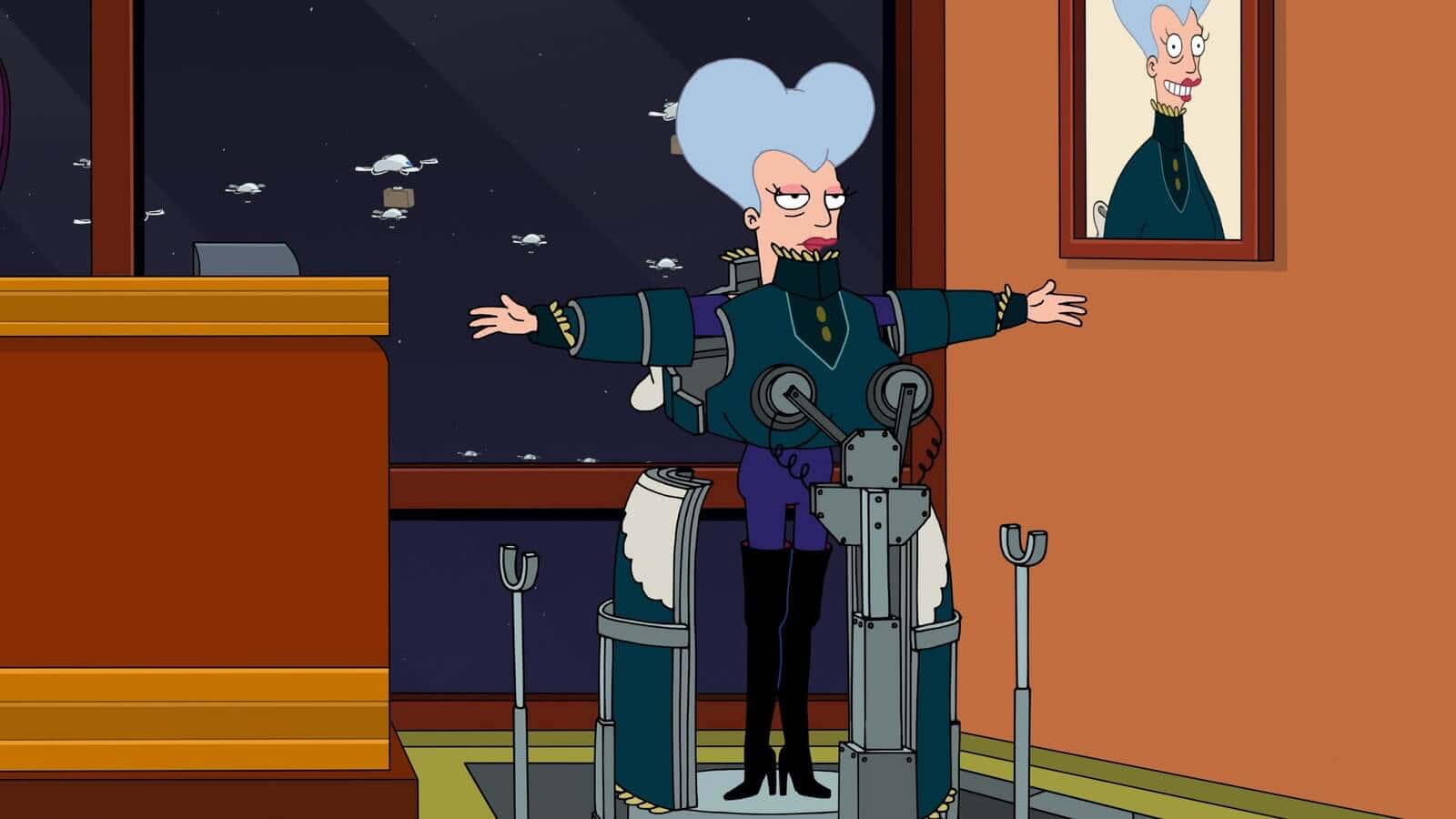
Wealth source: MomCorp, robotics, oil, and corporate domination.
Best money move: Selling “friendly grandma” branding while being terrifying behind closed doors.
My take: Mom is what happens when a corporation puts on a cardigan and lies to your face.
Mom from Futurama is one of my favorite wealthy animated characters because the entire joke is branding.
To the public, she’s sweet, soft, grandmotherly, and harmless. Behind the curtain, she’s ruthless, chain-smoking, manipulative, and ready to crush anything that touches her profits.
Subtle? No. Effective? Very.
Mom is the perfect cartoon satire of corporate power. She proves that a company can smile at you in commercials while quietly planning to own the future, the robots, and probably your toaster.
Seto Kaiba (Yu-Gi-Oh!)
Wealth source: KaibaCorp.
Best money move: Flying a Blue-Eyes White Dragon jet because subtlety is for people without dragons.
My take: Kaiba has “screw the rules, I have money” energy in its purest form.
Seto Kaiba is the anime answer to the question, “What if a billionaire CEO used his fortune mostly to be dramatic about card games?”
The man built corporate tech, hologram systems, massive dueling infrastructure, and at least one vehicle that screams, “Yes, I am still thinking about my favorite dragon.”
And honestly? Iconic.
Kaiba’s money is funny because it is so specific. He doesn’t just want power. He wants to win, prove everyone wrong, protect Mokuba, and defeat Yugi with the energy of a man who treats every duel like a hostile corporate takeover.
Tony Stark (Iron Man)

Wealth source: Stark Industries.
Best money move: Building technology nobody else can even explain without sweating.
My take: Tony Stark is the cool billionaire fantasy, but with actual accountability eventually knocking at the door.
Tony Stark stands out in Marvel’s animated superhero world because his money is part of the superhero package.
Without the fortune, there’s no high-tech lab, no endless suit upgrades, no private systems, no shiny flying armor, and definitely fewer dramatic entrances.
But what makes Tony interesting is that his wealth also comes with guilt, responsibility, and consequence.
He starts as the rich genius with toys, but the better versions of Tony make him answer for what those toys do. That’s what separates him from the cartoon billionaires who just collect power like a hobby.
Lex Luthor (Superman)
Wealth source: LexCorp.
Best money move: Using corporate power to challenge a literal alien superhero.
My take: Lex proves money cannot buy chill.
Lex Luthor is one of the most dangerous cartoon billionaires because his real weapon is not just money.
It’s ego.
Lex has wealth, intelligence, influence, technology, status, and almost everything a human could want. And yet Superman existing nearby ruins his entire mood.
That’s what makes Lex fascinating. He has power, but he wants superiority. He has money, but he wants godhood. He has resources, but he cannot buy the one thing he craves most: being unquestionably above everyone else.
Bruce Wayne (Batman)
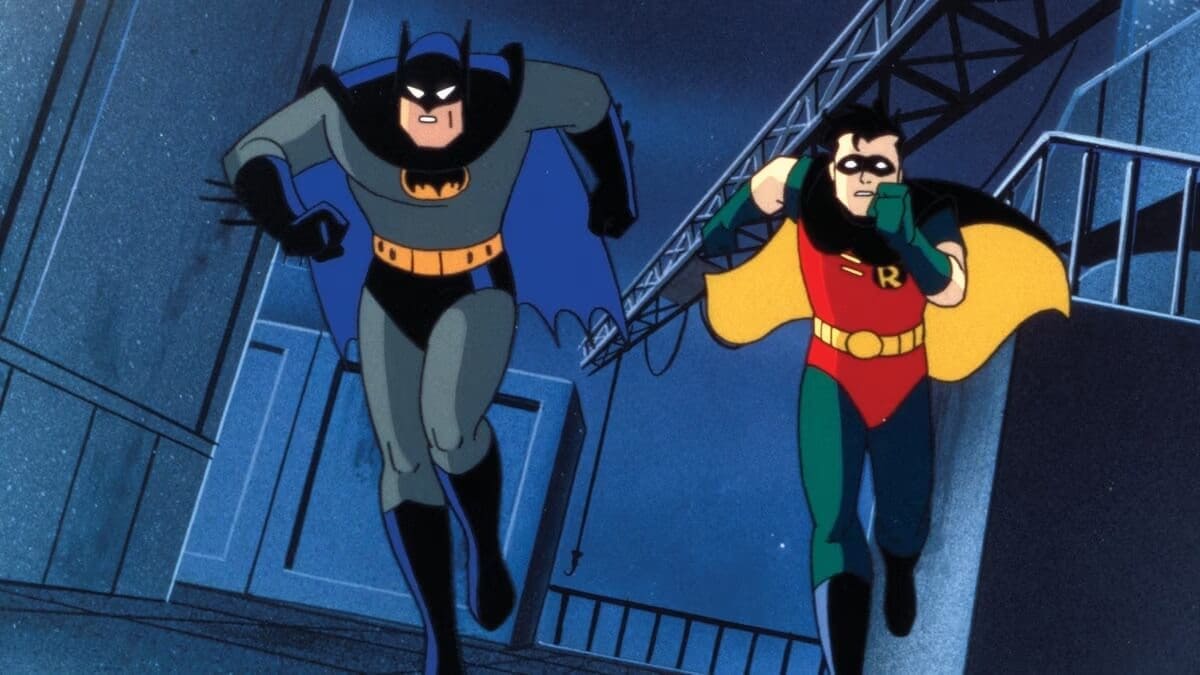
Wealth source: Wayne Enterprises.
Best money move: Funding the Batcave, Batmobile, gadgets, and the world’s moodiest second job.
My take: Bruce Wayne uses money like a tool, a disguise, and occasionally a coping mechanism with wheels.
In animation, Batman: The Animated Series gives us one of the strongest versions of Bruce Wayne.
Bruce is rich, obviously. The Batcave does not look like something assembled with coupons.
But his wealth is different from most rich cartoon characters because he doesn’t treat it like decoration. He treats it like a weapon against crime.
Bruce Wayne is the rich character who turns money into mission. The gadgets help, the vehicles help, the mansion helps—but the trauma is doing a lot of unpaid overtime.
Mr. Burns (The Simpsons)
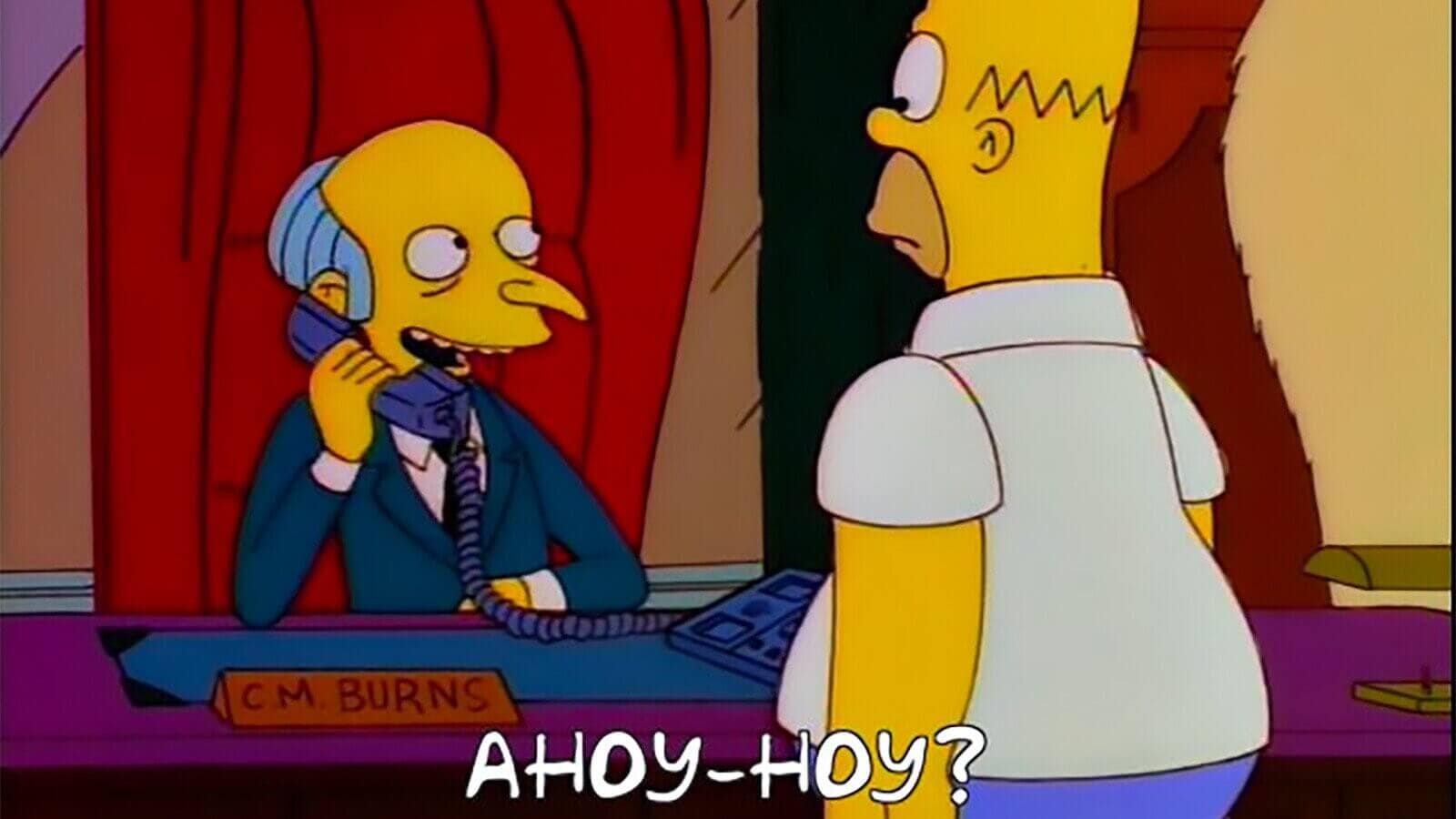
Wealth source: Nuclear power.
Best money move: Blocking out the sun to increase electricity usage.
My take: Mr. Burns is what happens when old money grows claws and whispers “Excellent.”
Mr. Burns is one of the most memorable representations of the evil billionaire in animation.
As the owner of Springfield’s nuclear power plant, he holds the town in his withered little hands and still somehow acts like the 19th century just ended last week.
He is greedy, ancient, ruthless, detached from reality, and alarmingly comfortable releasing the hounds.
Mr. Burns works because he is wealth without empathy. He’s not just rich. He’s rich in a way that makes every normal human concern seem like a weird rumor he once heard from an employee.
He also fits naturally into a larger list of animated cartoon characters who became pop-culture shorthand.
Richie Rich
Wealth source: Inheritance and family fortune.
Best money move: Having luxury built into childhood like it’s a normal Tuesday.
My take: Richie Rich is the fantasy of being wealthy without becoming terrible.
Richie Rich is the classic “poor little rich boy,” which is a wild phrase because I would personally like to be poor little rich for a weekend just to compare notes.
What makes Richie different from the greedier characters on this list is that he’s usually kind-hearted.
He has absurd wealth, yes, but he’s not defined by cruelty or ego. He often uses his resources to help others, and his stories love pointing out that money cannot solve everything.
Richie is the innocent side of cartoon wealth. He is the fantasy of having unlimited resources and somehow still being a decent kid.
You can find more about the character here: Richie Rich.
Scrooge McDuck (DuckTales)
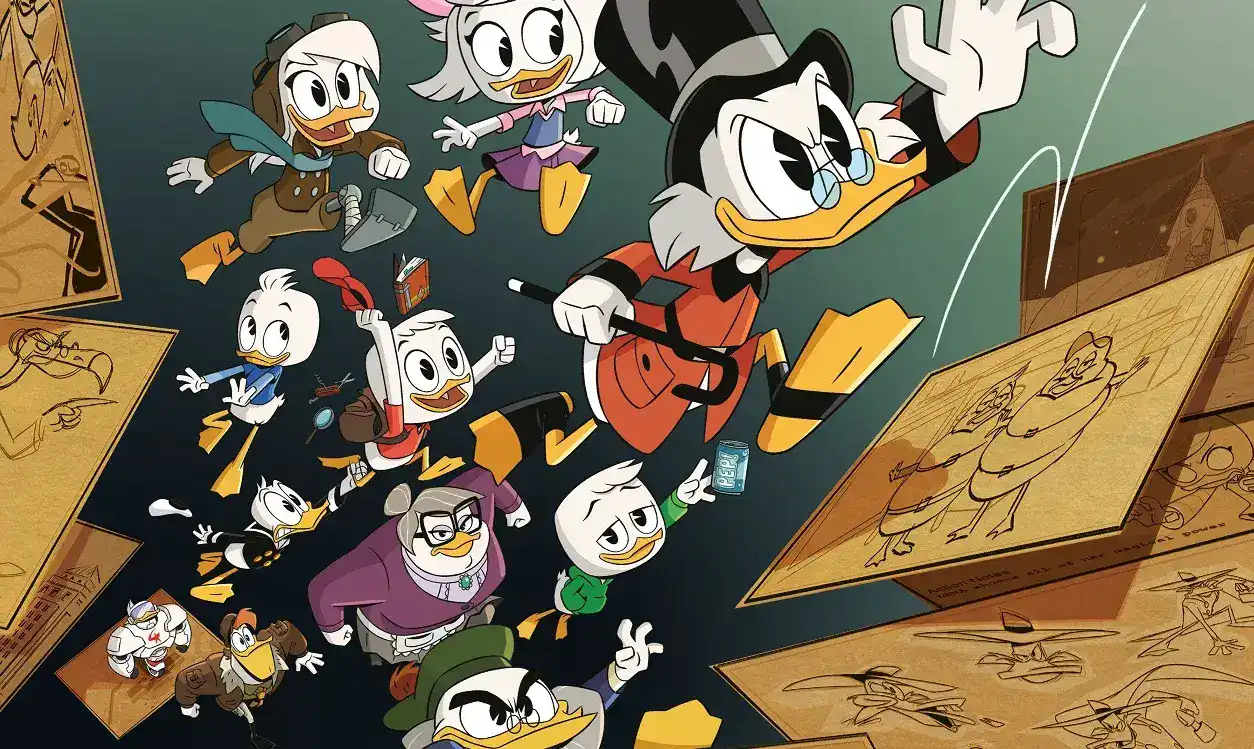
Wealth source: Mining, adventure, business, and compound interest doing push-ups.
Best money move: Diving into his money bin like a porpoise.
My take: Scrooge McDuck is the gold standard for cartoon wealth, literally and emotionally.
Scrooge McDuck is the obvious king of cartoon characters with money.
The money bin alone is legendary. It is probably one of the most iconic visual jokes about wealth in animation history: a duck swimming through gold coins like it’s a heated pool.
Does that make physical sense? No. Would I still try it if I had a money bin? Unfortunately, yes.
What makes Scrooge more interesting than a basic greedy character is that he’s an adventurer too. He didn’t just inherit a pile of gold and sit on it. His whole identity is tied to earning, searching, risking, collecting, and building.
Scrooge is rich, stubborn, thrifty, adventurous, and weirdly inspirational. He is not just a wealthy duck. He is the wealthy duck.
He also fits perfectly into my bigger list of cartoon duck characters.
What Cartoon Wealth Usually Means
After looking at all these wealthy animated characters, I think cartoon money usually falls into a few buckets.
- Money as power: Mr. Burns, Mom, Carter Pewterschmidt, and Lex Luthor use wealth to control people.
- Money as fantasy: Richie Rich and Scrooge McDuck make wealth look adventurous, playful, or wish-fulfilling.
- Money as identity: Princess Morbucks and Seto Kaiba build their entire self-image around having more resources than everyone else.
- Money as a tool: Bruce Wayne and Tony Stark use wealth to build technology, fight threats, and create superhero identities.
That’s why rich cartoon characters are so fun to write about. They’re rarely just “people with cash.” They’re exaggerated versions of how money changes behavior.
Some become heroes. Some become villains. Some become corporate grandmas with terrifying energy.
Final Thoughts
Cartoon characters with money are entertaining because animation lets wealth get ridiculous fast.
Real rich people buy companies. Cartoon rich people buy dragon jets, secret caves, personal railroads, giant money bins, and enough gadgets to emotionally compensate for losing a schoolyard popularity contest.
For me, the best rich cartoon characters are the ones where the money reveals who they really are.
Princess Morbucks uses money to chase validation. Mr. Burns uses it to control. Bruce Wayne uses it to protect. Scrooge McDuck uses it as both trophy and motivation.
And Richie Rich? He uses it to live every kid’s fantasy of having unlimited stuff and somehow not becoming completely unbearable.
Now I’m curious: which rich cartoon character would you trust with unlimited money, and which one should absolutely have their credit cards taken away?