The Little Man from Pink Panther is one of those cartoon characters I never fully appreciated when I was younger.
As a kid, I mostly watched the Pink Panther.
He was cool.
He was silent.
He moved like jazz music had turned into a cartoon cat.
But when I look back now, I realize something important.
The Pink Panther needed The Little Man.
Without him, the shorts would not be nearly as funny.
Big Nose, as he was later called, is the perfect unlucky opponent.
He is serious.
He is stubborn.
He is easy to irritate.
And that makes him the ideal target for the Panther’s quiet chaos.
- He often wants order.
- The Pink Panther brings disorder.
- He wants control.
- The Panther bends the world around him.
- He gets angry, and the Panther barely reacts.
That contrast is the magic of the character.
Who Is The Little Man From Pink Panther?
The Little Man, later known as Big Nose, is a recurring character in the Pink Panther animated shorts and later versions of the franchise.
He is usually the Pink Panther’s rival, obstacle, victim, or unlucky neighbor.
Sometimes he is the antagonist.
Sometimes he is just an ordinary guy trying to get through his day.
That is what makes him funny.
He does not always start trouble.
Sometimes trouble simply finds him in the form of a silent pink cat.
- He is short and usually white in color.
- He has a large nose, which later led to the name Big Nose.
- He rarely speaks in the classic shorts.
- He often changes jobs or roles depending on the cartoon.
- He is one of the Pink Panther’s most familiar recurring characters.
In Pink Panther and Pals, the character was officially renamed Big Nose, and Alex Nussbaum voiced him in that series. :contentReference[oaicite:0]{index=0}
Why Big Nose Works So Well
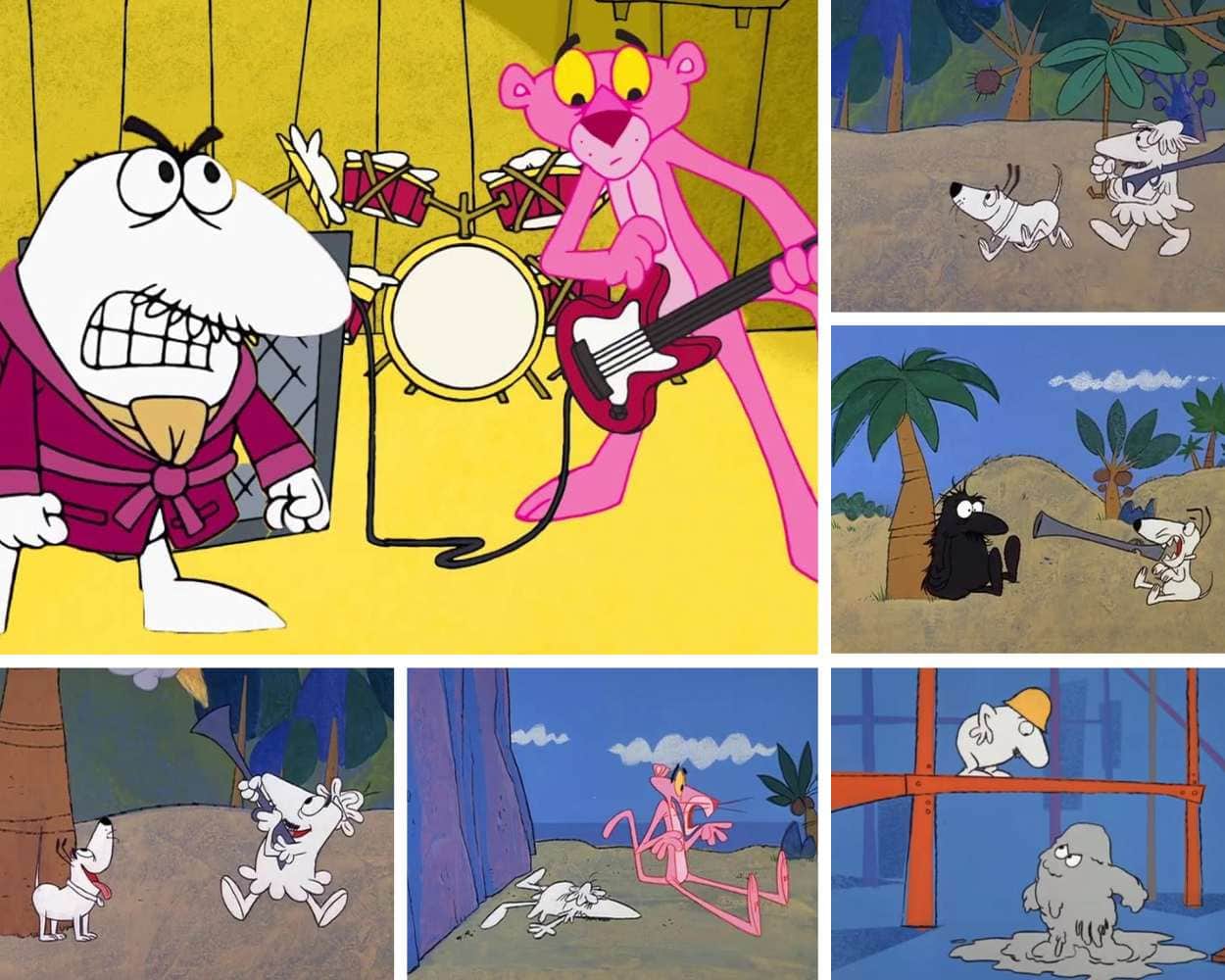
Big Nose works because he is the opposite of the Pink Panther.
The Panther is relaxed.
Big Nose is tense.
The Panther is graceful.
Big Nose is stiff, angry, and unlucky.
The Panther usually wins without saying a word.
Big Nose loses while using his entire body to show frustration.
That is classic silent comedy.
- Big Nose reacts big.
- The Panther reacts small.
- Big Nose fights the situation.
- The Panther flows through it.
- Big Nose makes the joke louder without needing much dialogue.
I think this is why the character has lasted.
He is not just a villain.
He is the pressure point in the cartoon.
The Panther presses that pressure point, and the comedy happens.
The Pink Phink and the First Big Battle
The Little Man made his debut in the 1964 short The Pink Phink, the first Pink Panther animated short.
That short sets up the entire relationship beautifully.
The Little Man wants to paint a house blue.
The Pink Panther wants it pink.
That is it.
That simple color conflict becomes one of the cleanest cartoon setups imaginable.
- The Little Man paints the house blue.
- The Pink Panther secretly paints it pink.
- The Little Man gets angrier and angrier.
- The Panther stays calm and clever.
- The world itself eventually seems to turn pink.
That first short also won the Academy Award for Best Animated Short Film, which says a lot about how strong the formula was from the start. :contentReference[oaicite:1]{index=1}
What I like about The Pink Phink is how small the conflict is.
It is not about saving the world.
It is about paint.
But because Big Nose cares so much, the joke feels huge.
The Look of The Little Man
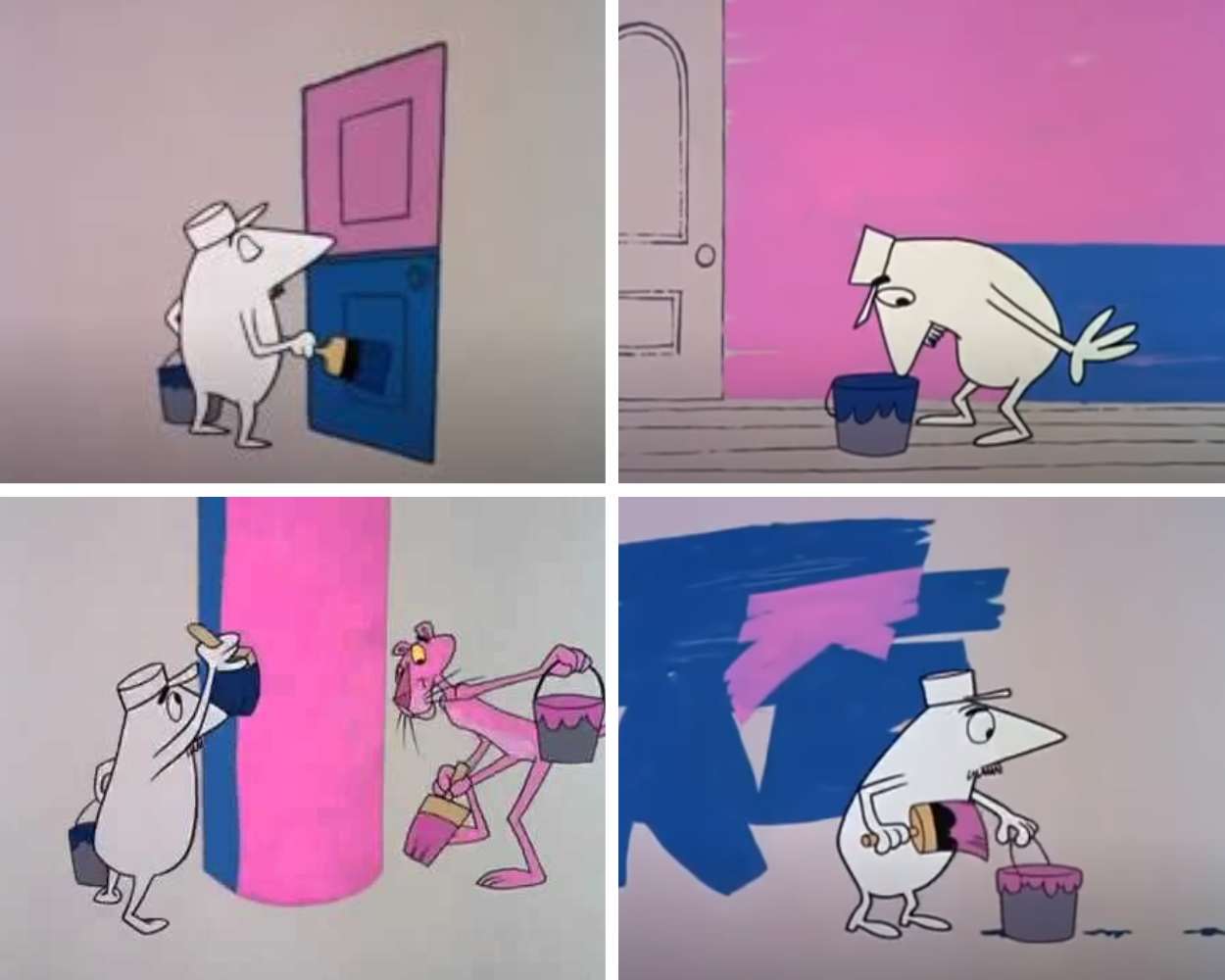
The Little Man has one of the simplest designs in classic animation.
That simplicity is part of his strength.
He is usually small, pale, round, and dominated by one feature.
His nose.
That nose is not just a visual joke.
It gives him a silhouette you remember immediately.
- Short body
- Large nose
- Often white or pale skin tone
- Minimal facial detail
- Costumes that change depending on the story
Sometimes he is a painter.
Sometimes he is a salesman.
Sometimes he is a neighbor, worker, villain, or random man who picked the wrong day to exist near the Pink Panther.
That flexible design lets him become almost anyone.
He is less a fixed person and more a universal frustrated everyman.
The Many Hats He Wears
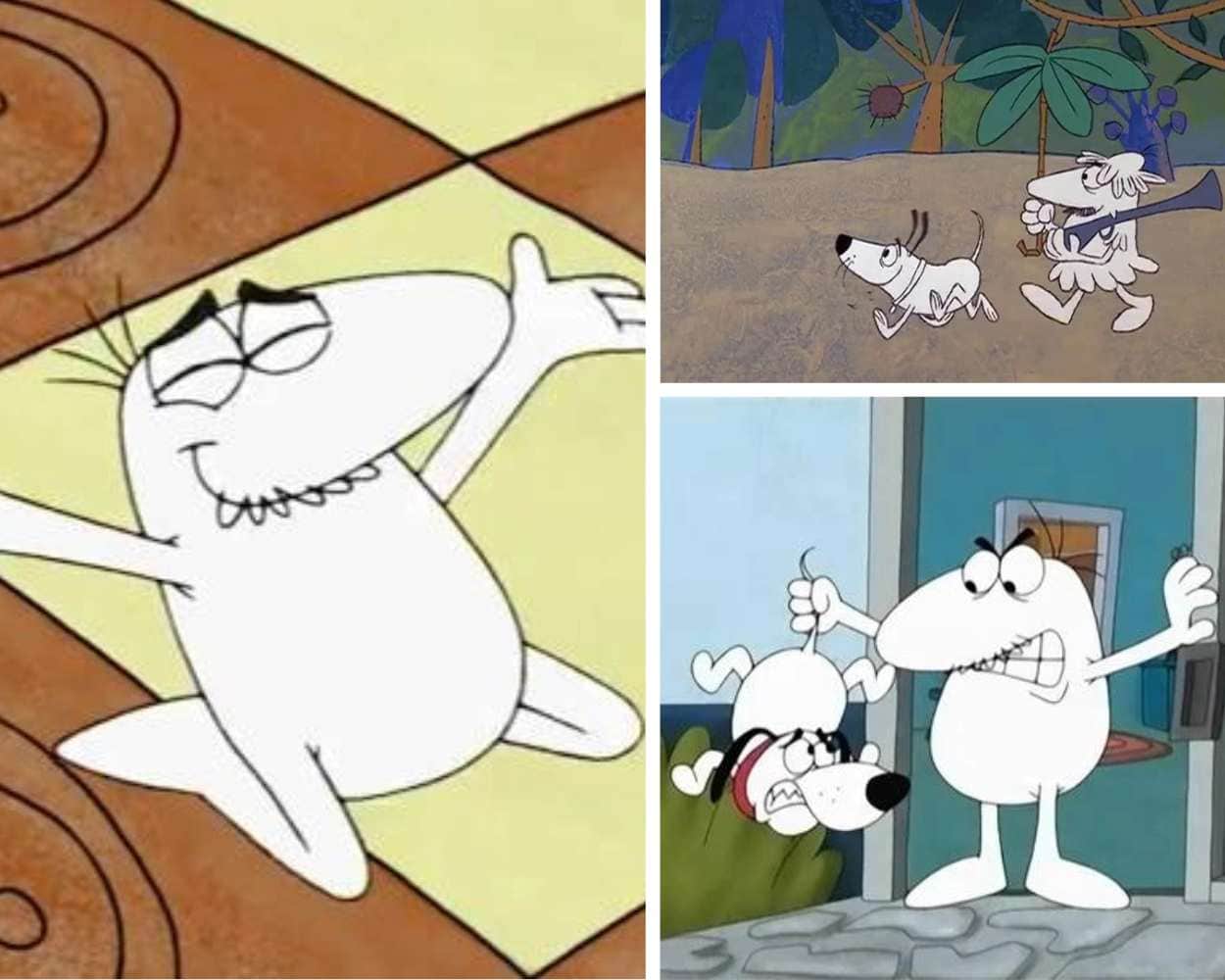
One reason I enjoy The Little Man is that he can fit almost any setup.
He is not trapped in one job or one personality role.
The writers could drop him into different situations, give him a costume, and let the Panther ruin his day.
That sounds simple, but it is very effective.
- He can be a house painter.
- He can be a neighbor.
- He can be a customer.
- He can be a salesman.
- He can be an authority figure.
- He can be the villain.
- He can be the victim of the joke.
That versatility keeps him from becoming stale.
He is always recognizable, but the situation around him changes.
It is the same angry little man in a new kind of disaster.
Big Nose Is Not Always a Villain
I think this is important.
Big Nose is often described as the Pink Panther’s main antagonist, and that is usually fair.
But he is not always evil.
A lot of the time, he is simply trying to do something normal.
Paint a house.
Sell something.
Run a business.
Enjoy peace.
Then the Pink Panther appears.
- Sometimes Big Nose starts the conflict.
- Sometimes the Panther starts it.
- Sometimes both are stubborn.
- Sometimes Big Nose is just unlucky.
- Sometimes he becomes sympathetic because the Panther is clearly bothering him.
That makes the comedy more interesting.
Big Nose is not a one-note villain.
He is the human-shaped wall the Panther keeps walking through.
Why Silence Makes Him Funnier
The classic Pink Panther shorts use very little dialogue.
That silence helps Big Nose.
Because he rarely speaks, his anger has to come through movement.
His face, posture, stomping, pointing, and frantic gestures do the work.
- His reactions are physical.
- His frustration is easy to understand.
- His silence keeps the pacing clean.
- The music helps carry the joke.
- His body language becomes the dialogue.
I think this is why the old shorts still feel watchable.
You do not need long explanations.
You understand everything from the movement.
Big Nose sees pink paint.
Big Nose gets mad.
The Panther stays cool.
That is all you need.
The Pink Panther Movie Connection
The animated Pink Panther grew out of the larger Pink Panther film world, which began with the 1963 live-action movie directed by Blake Edwards.
That film is remembered for its stylish sixties feel, Henry Mancini’s unforgettable music, and Peter Sellers’ Inspector Clouseau stealing the spotlight.
I always find that connection interesting because the cartoon shorts feel so different from the live-action films, yet they share the same cool, elegant mood.
The Panther moves like he belongs inside that music.
Big Nose, by contrast, moves like a man who cannot hear the rhythm at all.
- The live-action films brought the name and style.
- The animated shorts turned the Panther into a silent cartoon icon.
- Big Nose gave the Panther someone to bounce against.
- The comedy became visual, musical, and almost wordless.
That blend of elegance and slapstick is what makes the Pink Panther universe feel unique.
A Very Pink Christmas
In A Very Pink Christmas, Big Nose becomes the central antagonist again.
This time, he and the Pink Panther compete as Christmas tree sellers.
The goal is not noble.
They both want money, and Big Nose wants to buy an expensive sports car.
That setup gives him plenty of room to scheme.
- He competes with the Pink Panther.
- He tries to sabotage him.
- He steals money.
- He tries to frame the Panther.
- He still ends up pulled into a warmer Christmas ending.
I like this special because it shows the character’s range.
Big Nose can be greedy and sneaky, but the story still gives him a softer landing.
He loses, of course.
But he does not vanish in defeat.
He ends up part of the holiday warmth, which makes the ending feel more playful than cruel.
Big Nose in Pink Panther and Pals
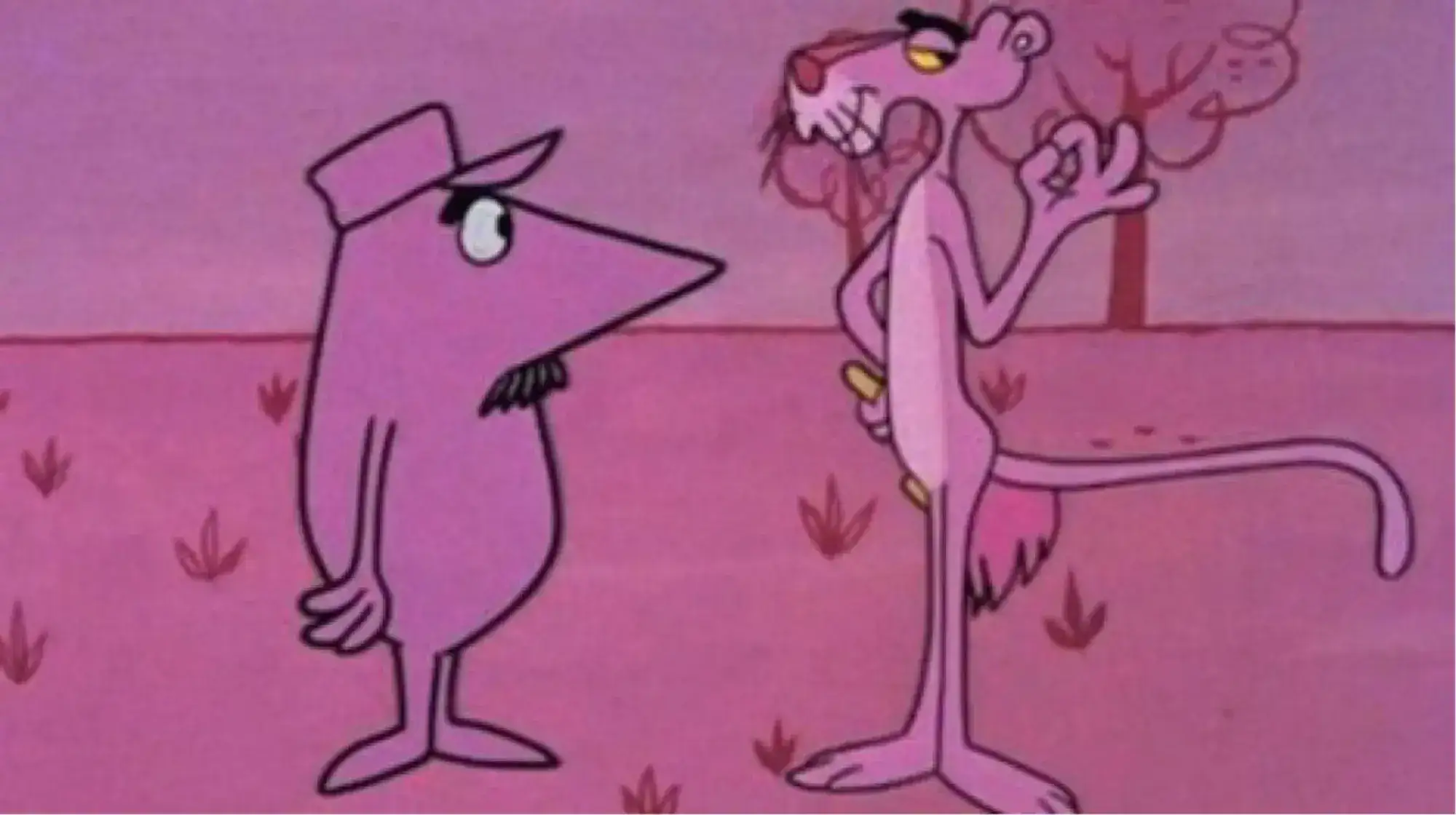
Pink Panther and Pals gave the character a more official modern identity as Big Nose.
The series aired on Cartoon Network in 2010 and presented a younger version of the Pink Panther while keeping the silent-comedy spirit of the older shorts. :contentReference[oaicite:2]{index=2}
In this version, Big Nose is usually the Panther’s rival.
He is short, pale, mustached, and still easily irritated.
He also has a dog, who often has a friendlier relationship with the Pink Panther than Big Nose does.
- Big Nose is based on the original Little Man.
- He is more clearly named in this version.
- Alex Nussbaum voiced him.
- He often speaks in gibberish rather than normal dialogue.
- He remains the Panther’s comic rival.
What I like about this version is that it keeps the core idea intact.
Big Nose is still the frustrated little man trying to win against a Panther who barely seems worried.
The Little Man as the Everyday Guy
To me, The Little Man works because he represents the ordinary person in an absurd world.
He is not magical.
He is not graceful.
He is not cool.
He wants things done his way, and the universe refuses to cooperate.
That is very relatable.
- He wants a normal day.
- He gets a Pink Panther day.
- He wants blue paint.
- The world turns pink.
- He wants control.
- The joke is that control never lasts.
This is where the character becomes more than just a foil.
He is funny because we recognize him.
Not because we want to be him.
Because we have all felt like him.
Trying to do one simple thing while everything around us turns into a circus.
Why The Little Man Still Matters
The Pink Panther is the star, but The Little Man gives the shorts shape.
Comedy needs resistance.
The Panther glides through the world.
Big Nose pushes back.
That pushback creates the rhythm.
- He gives the Panther someone to outwit.
- He turns small problems into big reactions.
- He makes silent comedy easier to read.
- He adds human frustration to the Panther’s cool confidence.
- He helps make the Pink Panther feel even smoother by comparison.
I think that is the real reason he is memorable.
He is not cool.
He is not graceful.
He is not calm.
But he is necessary.
The Panther shines brighter because Big Nose keeps losing his mind beside him.
Final Thoughts on The Little Man From Pink Panther
The Little Man from Pink Panther, later known as Big Nose, is one of the great underrated cartoon foils.
He is small, angry, unlucky, and instantly recognizable.
He can be a villain, a rival, a neighbor, a worker, or just a guy having the worst day of his life.
That flexibility made him valuable to the Pink Panther cartoons.
For me, his best quality is his frustration.
He does not understand the Panther’s world.
He cannot out-cool him.
He cannot outsmart him for long.
And he definitely cannot stop everything from turning pink.
- The Panther brings style.
- Big Nose brings panic.
- The Panther brings silence.
- Big Nose brings reaction.
- Together, they create the comedy.
That is why Big Nose still works.
He is the perfect little storm cloud for the smoothest pink cat in animation.