If you grew up in the 80s, you know the truth: cartoons weren’t just for kids. They were dark, weird, and sometimes absolutely terrifying.
While Disney was technically in a “slump” (the era before The Little Mermaid saved them), this power vacuum allowed other studios like Don Bluth and huge anime imports to take risks that would never get greenlit today. We didn’t just get fairy tales. We got nuclear war parables, gritty cyberpunk, and tears. Lots of tears.
I’ve revisited my childhood favorites to see which ones actually hold up. Here are the 17 best animated movies of the 80s that defined a generation.
80s Animated Movies
It has been nearly four decades since the 1980s, and looking back, it’s clear we were spoiled. The animation was hand-drawn, the soundtracks were synth-heavy, and the stories didn’t talk down to us.
This isn’t a ranked list. It’s a collection of the films that left the biggest scars (and fondest memories) on me as a kid.
The Secret of NIMH (1982)
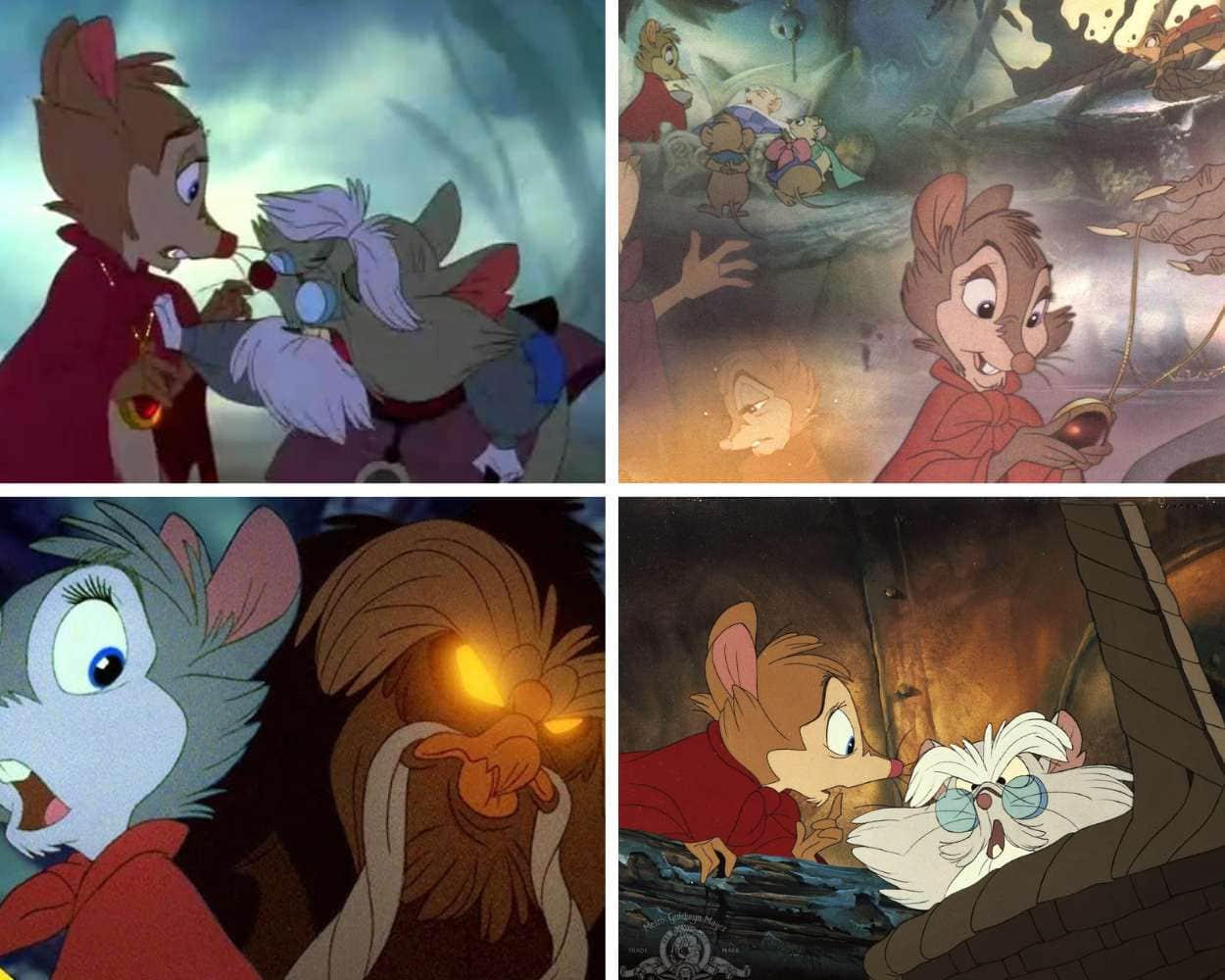
🍿 Vibe: Dark, Mystical, Intense
🎬 Best Moment: The Great Owl scene (still terrifying)
🧠 Why Watch: It respects your intelligence. No singing sidekicks, just high-stakes drama.
The Secret of NIMH is the gold standard for animated movies that refuse to coddle children. Don Bluth left Disney in 1979 with a team of fellow animators (including Gary Goldman and John Pomeroy) to make this. You can tell. It’s darker, grimier, and far more intense than anything the Mouse House was producing at the time.
Based on Robert C. O’Brien’s 1971 novel Mrs. Frisby and the Rats of NIMH, the story isn’t about a chosen hero. It’s about a terrified mother trying to save her sick child. That grounded stake, set against the backdrop of terrifying experimentation and mystical rats, makes it hit harder than most “save the world” epics.
The Last Unicorn (1982)
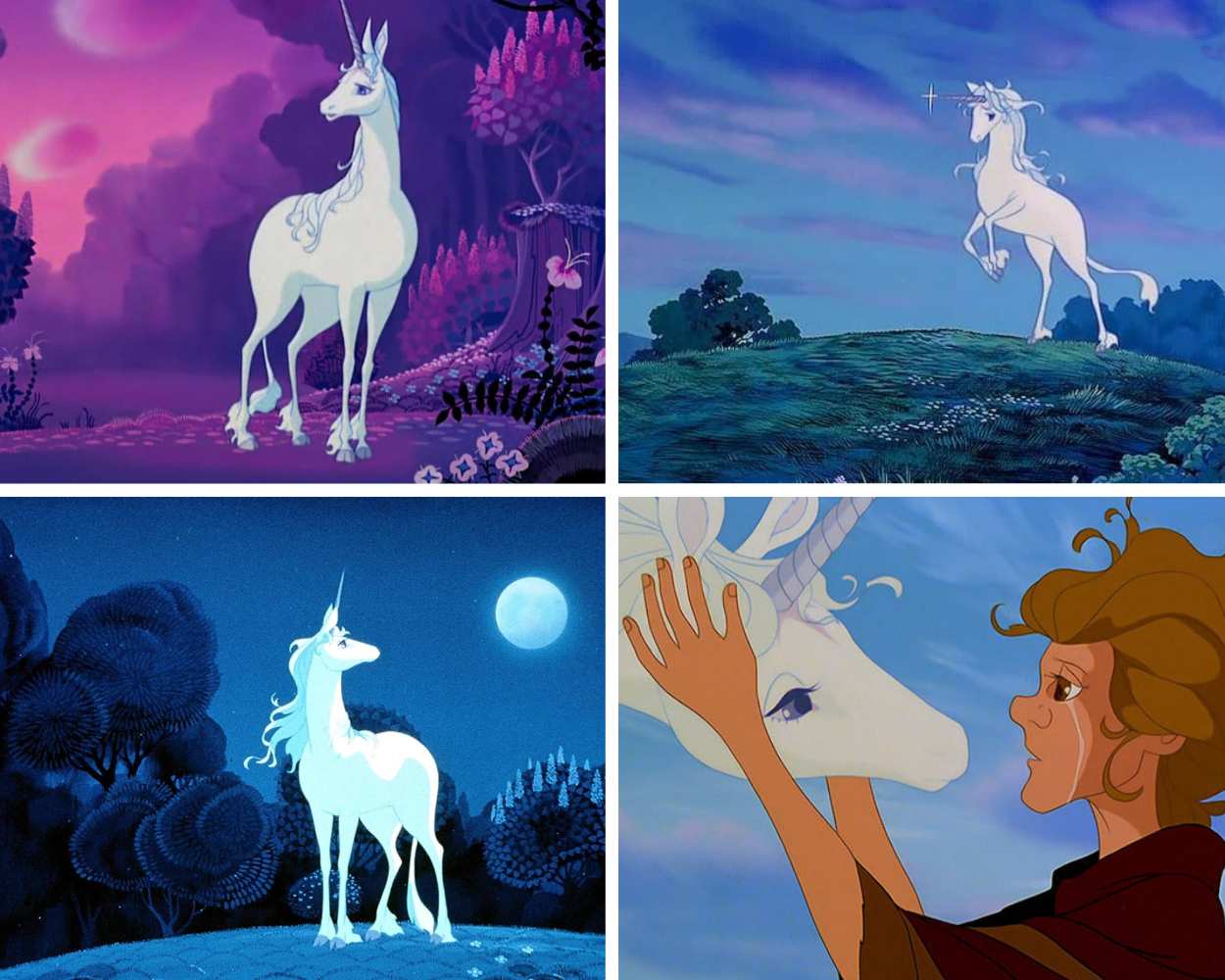
🍿 Vibe: Melancholic Fantasy
🎬 Best Moment: The Red Bull chasing the unicorns into the sea.
🧠 Why Watch: For the haunting soundtrack by the band America.
I must have rented this VHS tape fifty times. The Last Unicorn feels less like a movie and more like a fever dream. Between the haunting soundtrack (“I’m aliiiiive”) and the genuinely unsettling design of the Red Bull, it stuck with me for years.
The animation style is unique. It’s practically anime before we knew what anime was. The film was animated by Topcraft, a Japanese studio whose staff (led by Toru Hara) would go on to form the core of Studio Ghibli just three years later. Directed by Jules Bass and Arthur Rankin Jr. (Rankin/Bass) based on Peter S. Beagle’s 1968 novel.
While I always felt Jeff Bridges (Prince Lir) sounded a little bored in the role, Christopher Lee’s performance as King Haggard is legendary. He brings a sorrow to the villain that makes him tragically human.
Heavy Metal (1981)
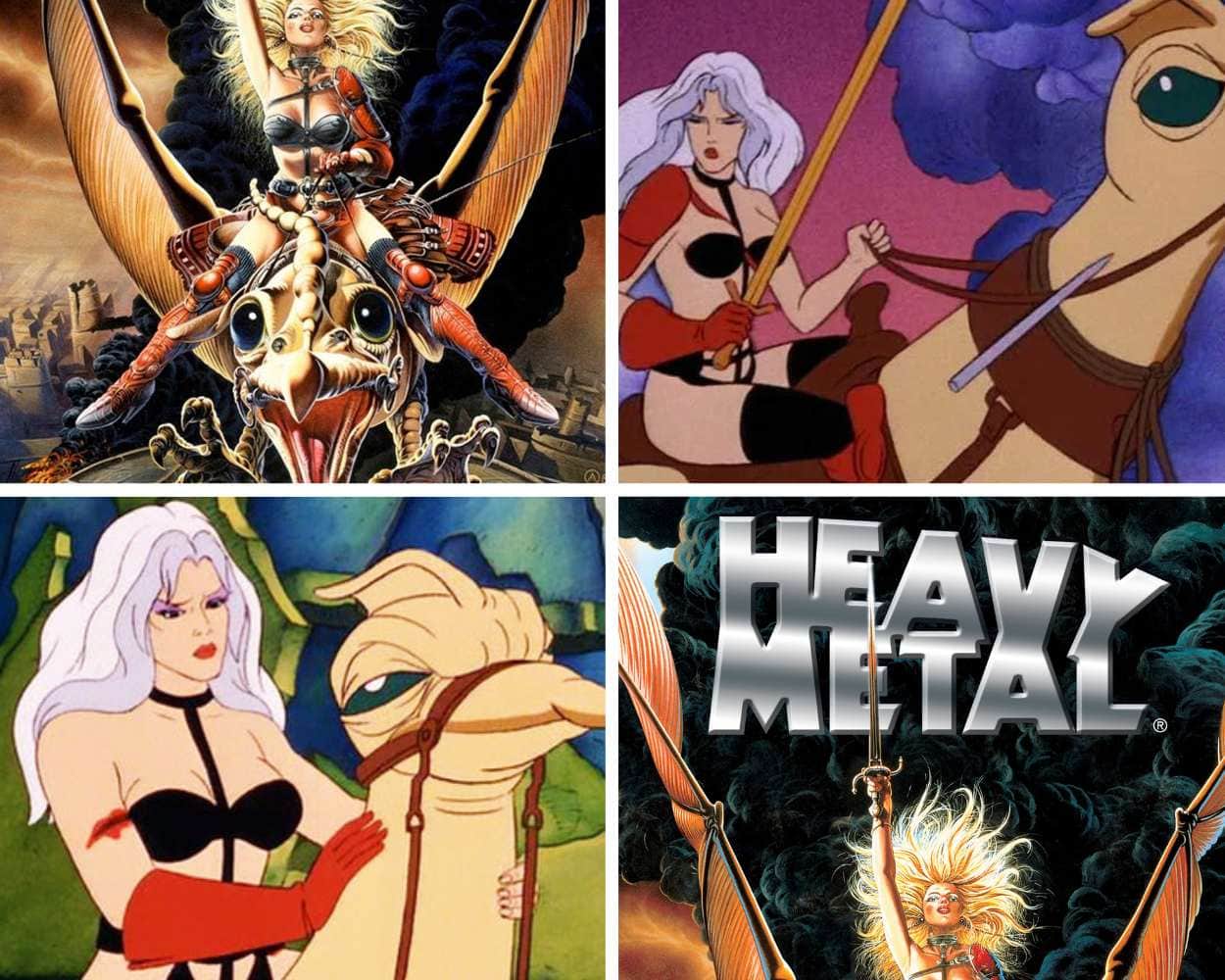
🍿 Vibe: Rock & Roll, Gritty, Adult
🎬 Best Moment: The B-17 bomber segment with the zombies.
🧠 Why Watch: It’s a perfect time capsule of 1981 culture.
This was the “forbidden fruit” of 80s animated movies. If you saw Heavy Metal as a kid, you probably snuck it when your parents weren’t looking. It’s an anthology film that screams 1981. Rock music, gratuitous nudity, and ultra-violence.
Based on the long-running Heavy Metal magazine, the segment with the Loc-Nar connecting all the stories is brilliant. But let’s be honest, we watched it for the vibe. The soundtrack features Black Sabbath, Blue Öyster Cult, Cheap Trick, Devo, Journey, and Stevie Nicks. It captures that gritty late 70s/early 80s aesthetic that has recently come back into style.
When the Wind Blows (1986)
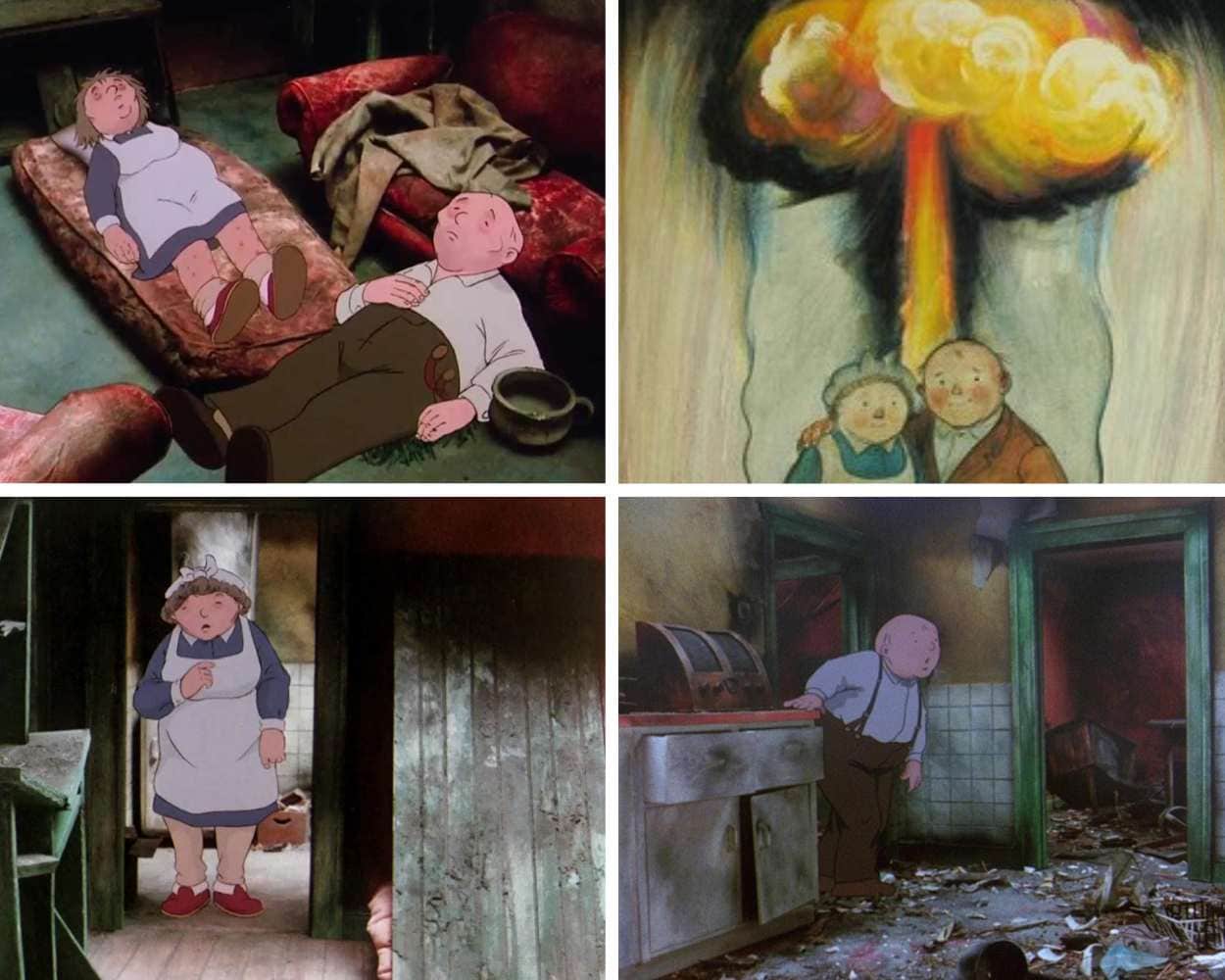
🍿 Vibe: Depressing, Real, Important
🎬 Best Moment: The moment the bomb hits (pure silence).
🧠 Why Watch: To remind yourself why nuclear war is a terrible idea.
This is the most depressing movie I have ever seen, and I mean that as a compliment. I watched this around age 13, and it fundamentally changed how I looked at the world.
Based on Raymond Briggs‘s 1982 graphic novel of the same name (Briggs also created The Snowman), it’s a quiet, deceptive film about an elderly British couple preparing for a nuclear bomb. The soundtrack features David Bowie, Roger Waters, and Genesis. They follow the government pamphlets, build a shelter with doors and cushions, and trust that everything will be fine. Watching their slow, polite deterioration from radiation poisoning is absolutely gut-wrenching.
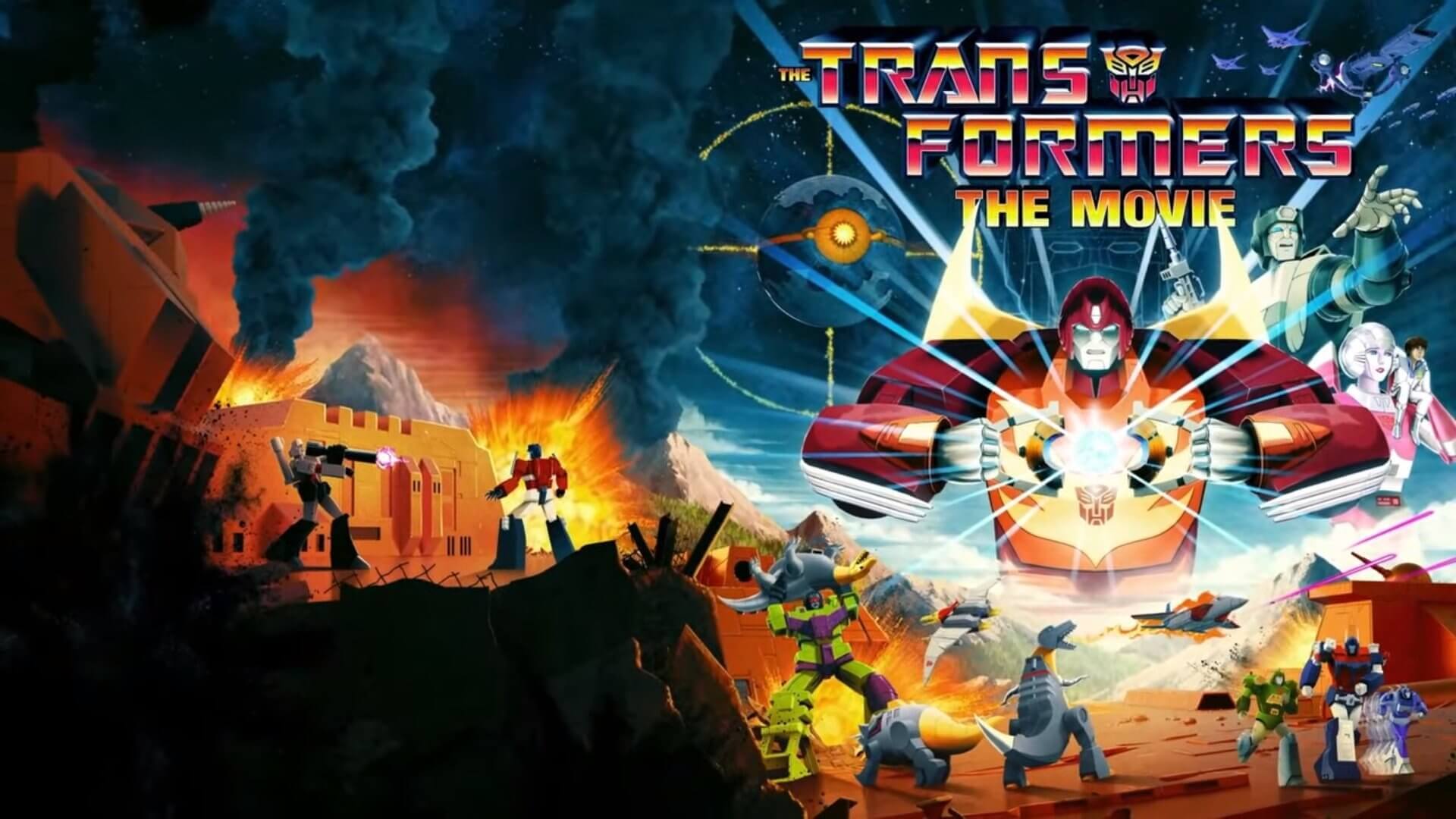
The Transformers: The Movie (1986)
🍿 Vibe: Epic, Loud, Heartbreaking
🎬 Best Moment: “Megatron must be stopped… no matter the cost.”
🧠 Why Watch: The soundtrack. “The Touch” is 80s cheese perfection.
If you want to pinpoint the exact moment an entire generation of children was traumatized, it was the first 20 minutes of this movie. To sell new toys, Hasbro decided to ruthlessly kill off the entire original cast, including Optimus Prime.
The voice cast was stacked: Orson Welles as Unicron (his final performance before his death), Leonard Nimoy as Galvatron, Eric Idle as Wreck-Gar, and Judd Nelson as Hot Rod/Rodimus Prime. Looking back, the guts it took to kill Optimus is incredible. The animation budget was clearly higher than the cartoon series, with polished shading and an 80s rock soundtrack (featuring Stan Bush’s “The Touch”) that slaps harder than it has any right to. It scared me when I was 11, but it also taught me that heroes could die.
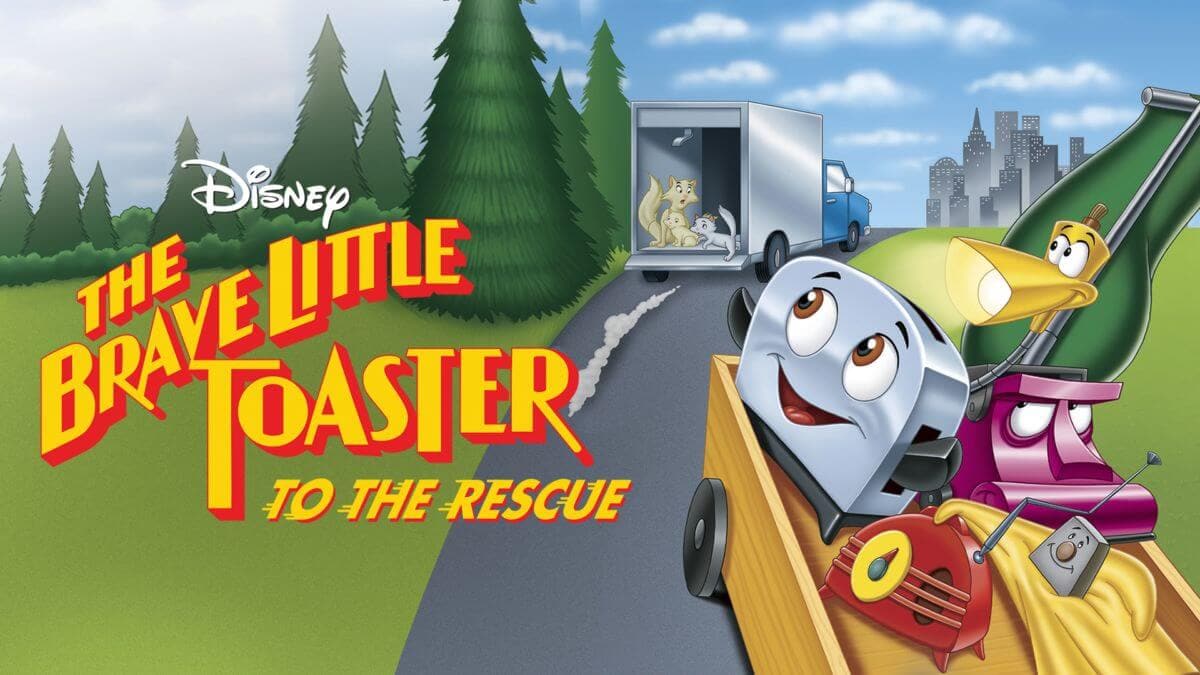
The Brave Little Toaster (1987)
🍿 Vibe: Nostalgic, Surprisingly Dark
🎬 Best Moment: The “Worthless” song in the junkyard.
🧠 Why Watch: It explores the fear of being abandoned better than Toy Story.
I dismissed The Brave Little Toaster as a “baby movie” when I was a teenager, but revisiting it now, it’s shockingly dark. There is a scene where an air conditioner commits suicide and a nightmare sequence involving a demonic clown that feels straight out of a horror movie.
Directed by Jerry Rees and based on Thomas M. Disch’s 1980 novella, the film was a passion project that involved a young John Lasseter (who would later co-found Pixar). It’s one of the best animated movies from the 80s because it tackles the fear of obsolescence. The appliances are terrified of being replaced and thrown away. A theme that hits much harder now that I’m older.
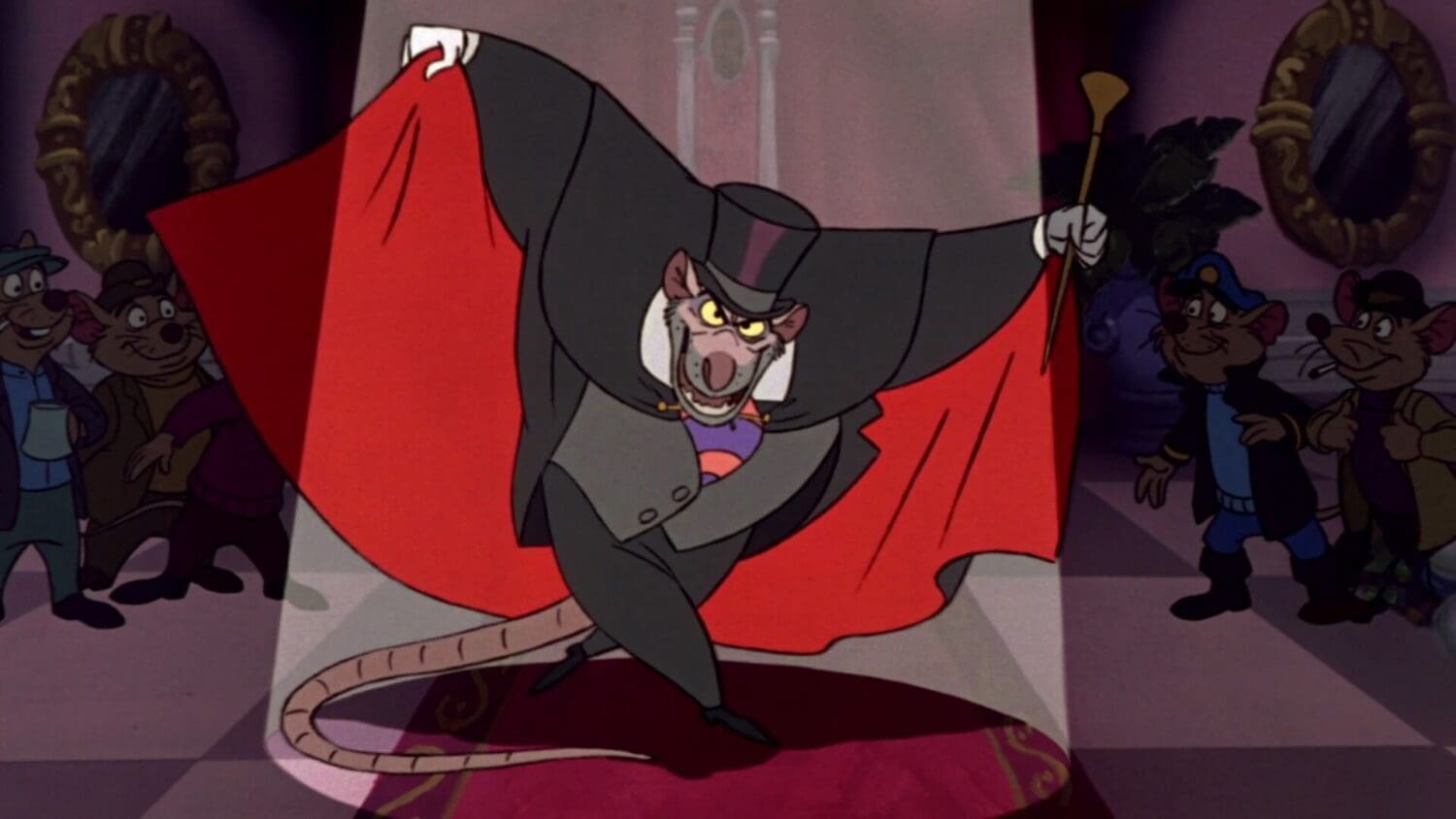
The Great Mouse Detective (1986)
🍿 Vibe: Mystery, Fun, Underrated
🎬 Best Moment: The clock tower fight (early CGI!).
🧠 Why Watch: Vincent Price’s voice acting is top-tier villainy.
This is the movie that arguably saved Disney. Before the Renaissance of the 90s, there was Basil of Baker Street. It’s essentially Sherlock Holmes with mice, but it’s executed with such style and energy.
Co-directed by future Disney Renaissance legends John Musker and Ron Clements (who would go on to do The Little Mermaid, Aladdin, and Moana), with Vincent Price as the villain, Professor Ratigan. He chews the scenery in every scene. The climactic fight inside the gears of Big Ben was one of the first uses of CGI in a 2D Disney film, and it still looks impressive.
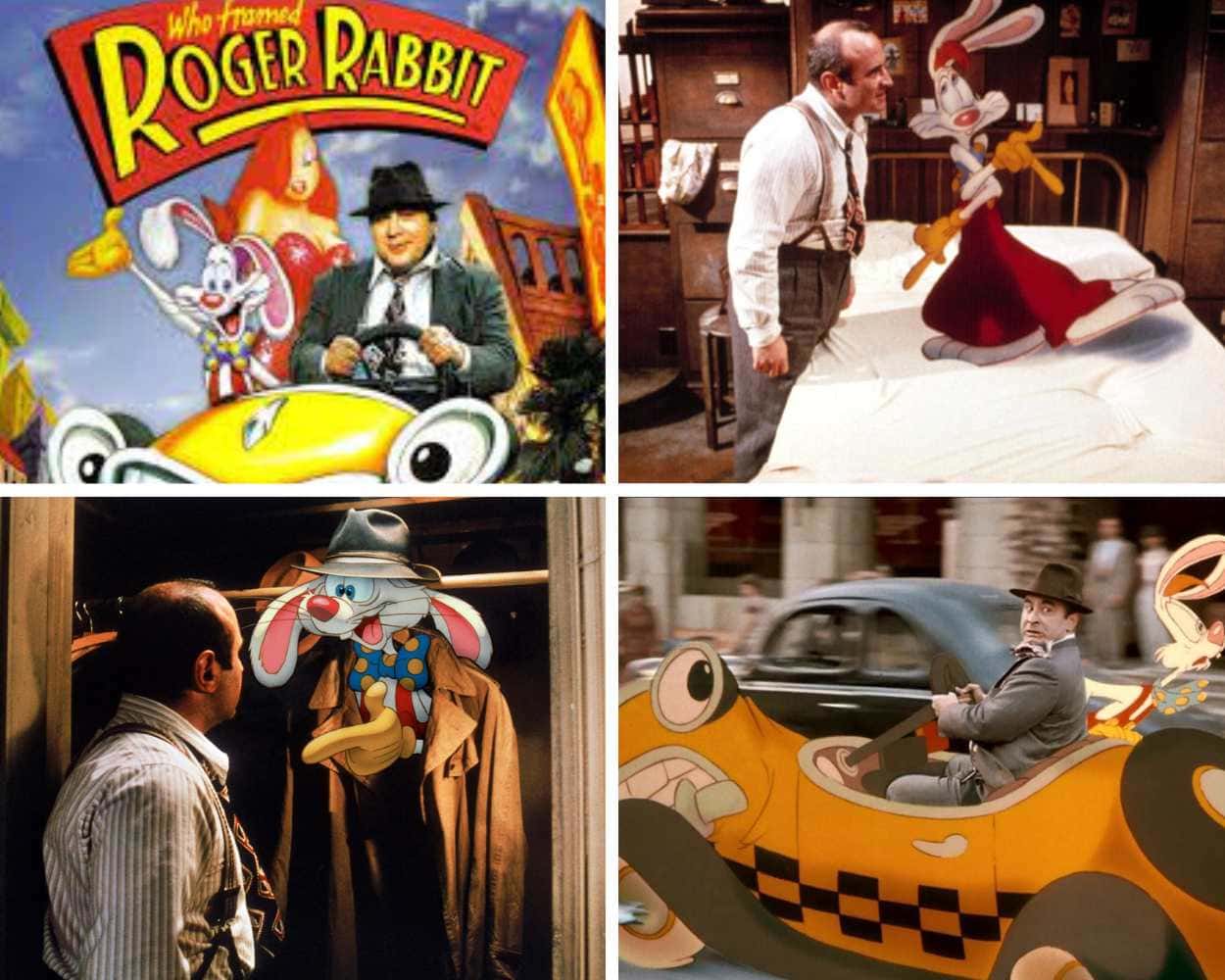
Who Framed Roger Rabbit (1988)
🍿 Vibe: Noir, Comedy, Technical Marvel
🎬 Best Moment: Mickey and Bugs Bunny skydiving together.
🧠 Why Watch: It’s the only time Disney and Warner Bros characters shared a screen.
Technically a hybrid, but it deserves its spot on any animation list. Directed by Robert Zemeckis (Back to the Future, Forrest Gump) with animation directed by Richard Williams, the sheer technical wizardry required to make cartoons interact with real-world physics (lighting, shadows, bumping into objects) hasn’t been topped since.
The film won three Academy Awards (Film Editing, Sound Effects Editing, Visual Effects) plus a Special Achievement Oscar for animation direction. But beyond the tech, it’s a love letter to the golden age of animation wrapped in a noir detective story. I showed this to my kids recently, and they were just as captivated as I was in 1988.
Rock & Rule (1983)
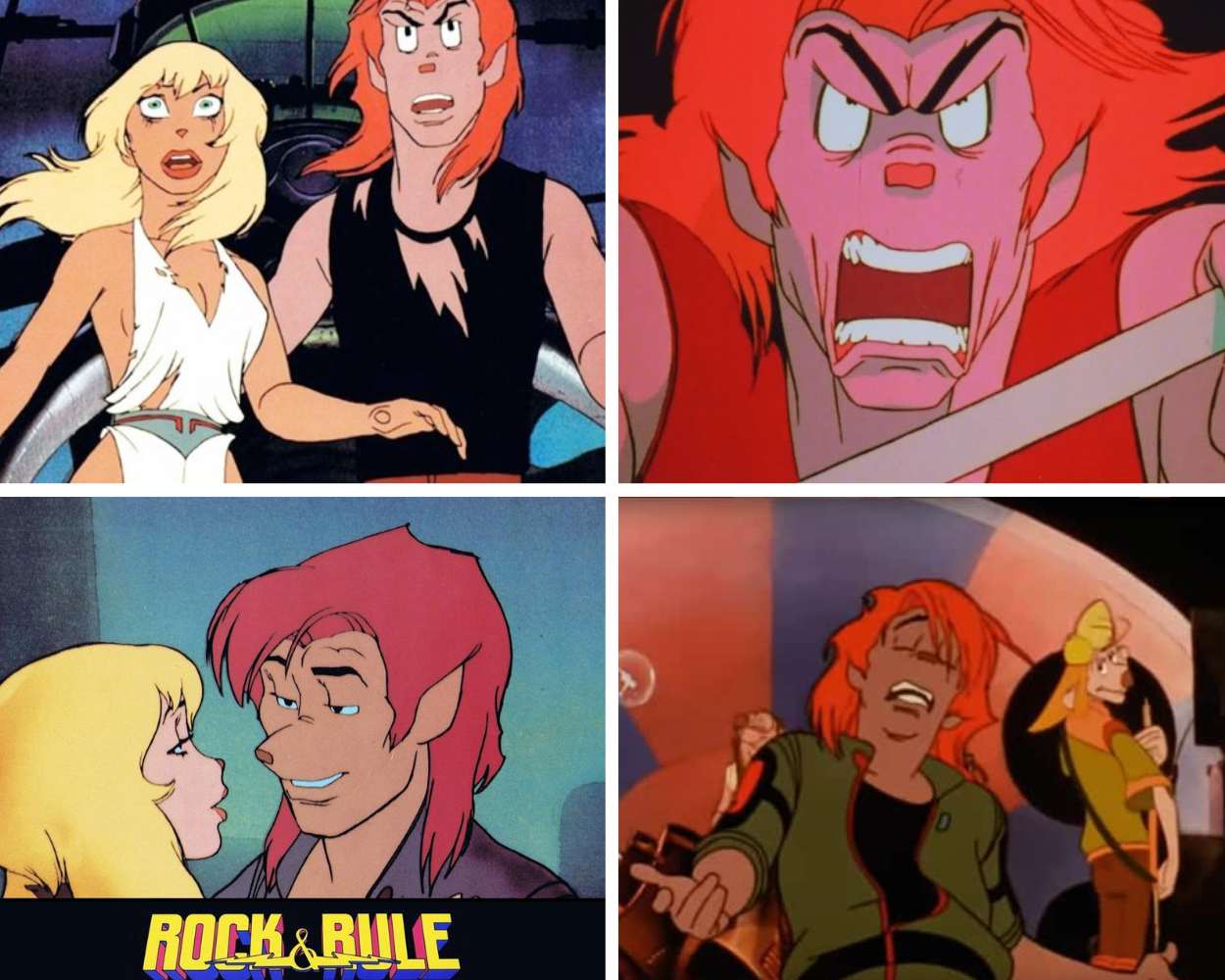
🍿 Vibe: Cyberpunk, Musical, Weird
🎬 Best Moment: Whenever Mok (the villain) is on screen.
🧠 Why Watch: For the Blondie and Cheap Trick songs.
Rock & Rule is a cult classic in the truest sense. Produced by Nelvana (the Canadian studio behind Care Bears and many 80s/90s kids’ shows) and directed by Clive A. Smith, it was a massive flop in theaters but found a second life on late-night TV. It’s a Canadian sci-fi musical set in a post-apocalyptic world populated by mutant animals.
The plot is nonsense, but the vibes are immaculate. You have songs by Cheap Trick, Debbie Harry (Blondie), Iggy Pop, Lou Reed, and Earth, Wind & Fire. It’s weird, it’s messy, and it’s totally unique.
My Neighbor Totoro (1988)
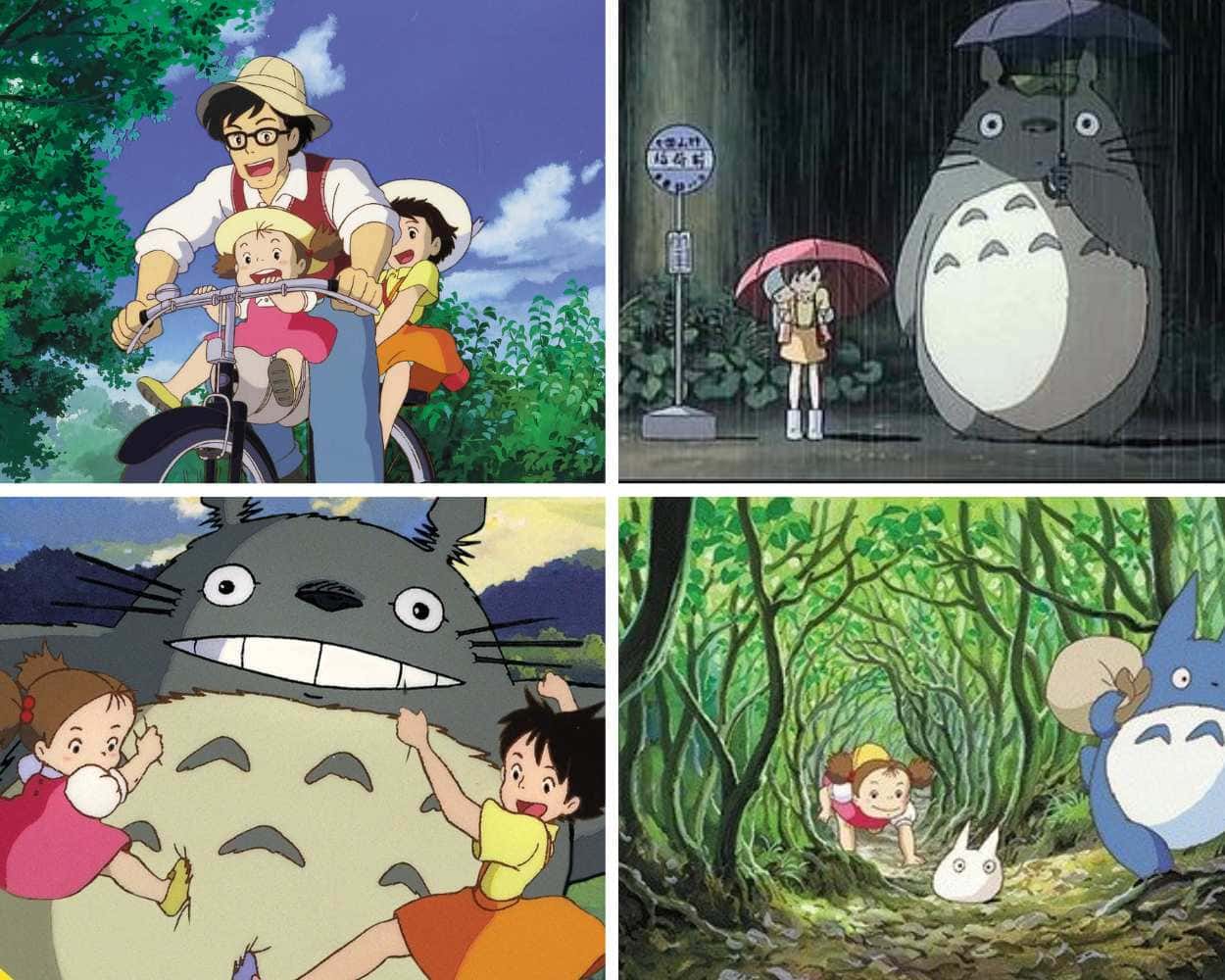
🍿 Vibe: Wholesome, Magical, Peaceful
🎬 Best Moment: The Catbus arrival.
🧠 Why Watch: It’s pure stress relief in movie form.
While American cartoons were obsessed with good vs. evil, Hayao Miyazaki gave us a movie with no villain at all. My Neighbor Totoro is just about two girls exploring the countryside and dealing with their mother’s illness.
The pacing is gentle, almost meditative. It was released in Japan in 1988 as a double feature with Isao Takahata’s devastating Grave of the Fireflies, which has to be one of the most tonally unbalanced theatrical pairings in history. I remember watching the “growing the tree” scene and feeling a sense of wonder that Saturday morning cartoons never gave me.
The Black Cauldron (1985)
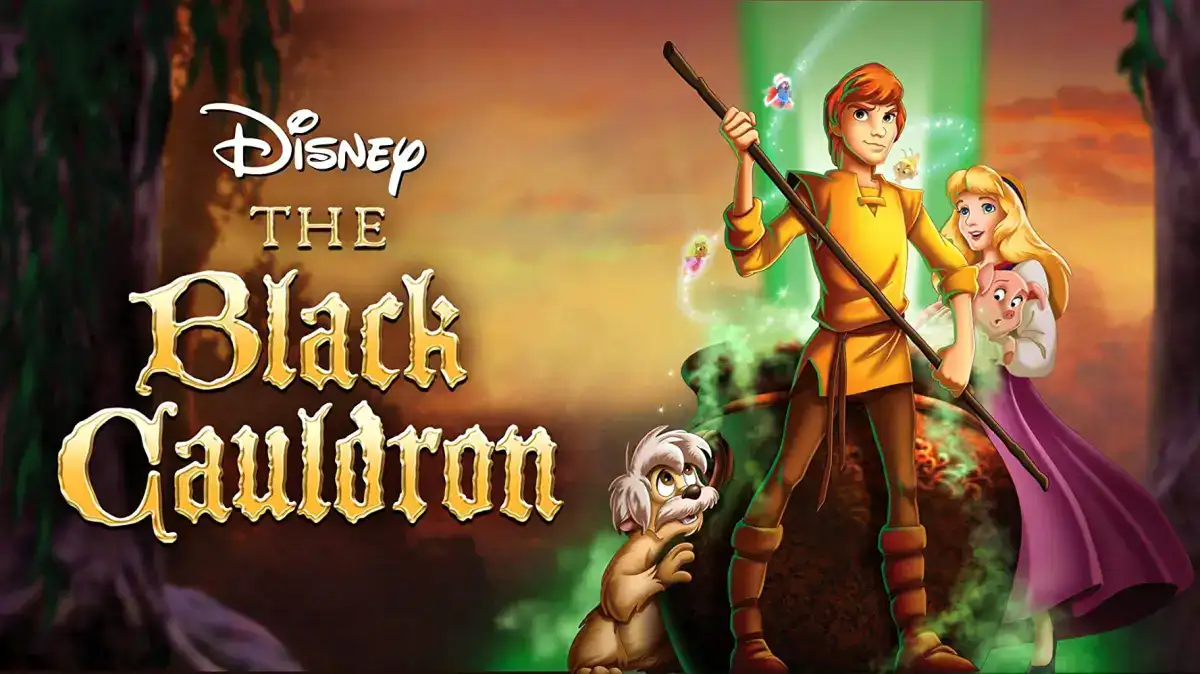
🍿 Vibe: Scary, Gothic, Flawed
🎬 Best Moment: The Skeleton Army rising.
🧠 Why Watch: To see the movie that almost bankrupt Disney.
This is the movie that almost killed Disney. Based on Lloyd Alexander’s Chronicles of Prydain novel series, it was the most expensive animated film ever made at the time ($44 million). It was dark, complex, and terrified test audiences so much that executives (including a young Jeffrey Katzenberg) were hacking scenes out of the film right before release. Because of that, the editing feels choppy.
However, the Horned King is legitimately scary. He looks like a heavy metal album cover come to life. If you like the darker fantasy vibes of the 80s (like The Dark Crystal), this fits right in.
All Dogs Go to Heaven (1989)
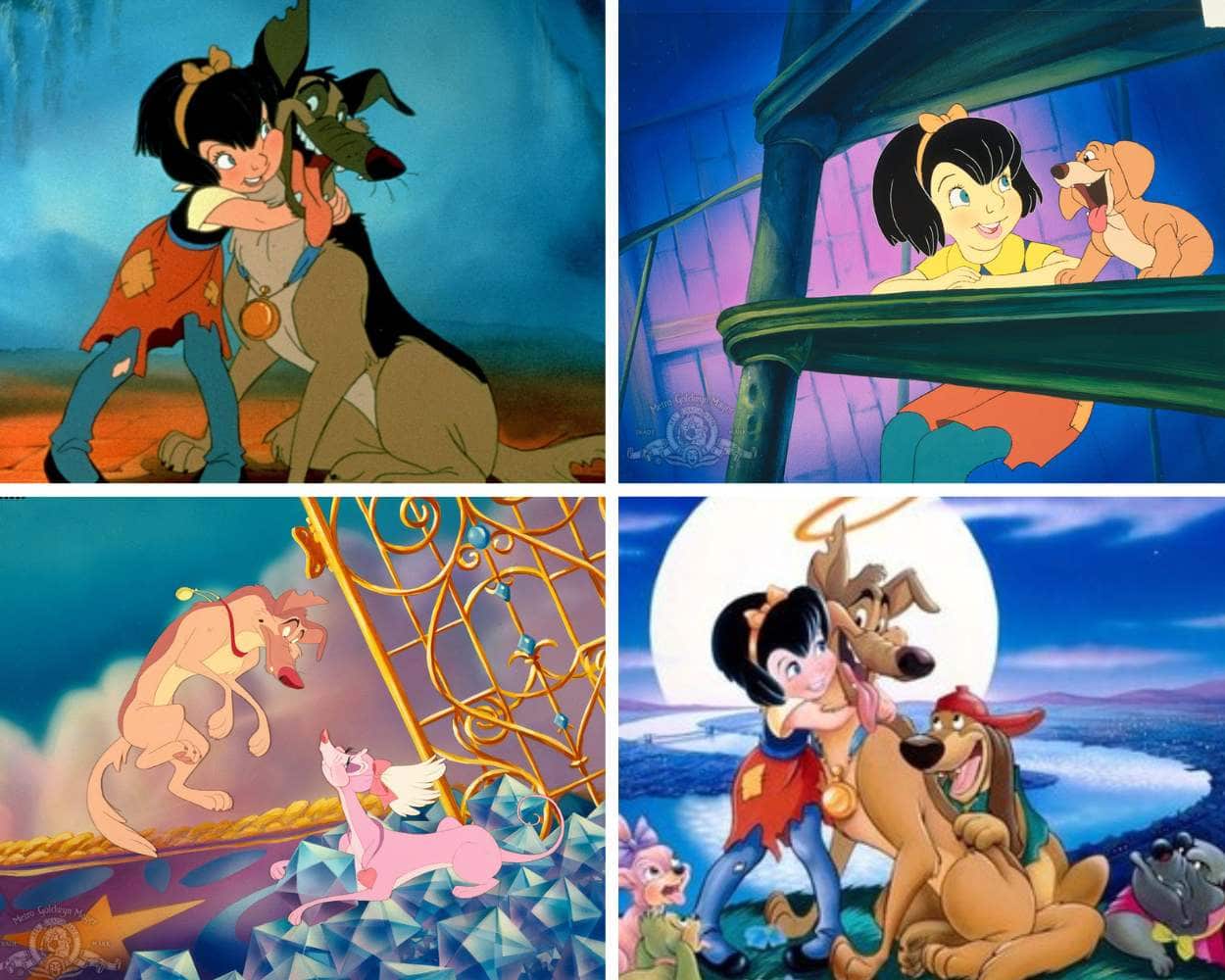
🍿 Vibe: Gritty, Emotional, Chaotic
🎬 Best Moment: Charlie saying goodbye to Anne-Marie.
🧠 Why Watch: For the Burt Reynolds voice acting.
Another Don Bluth classic, released the same week as The Little Mermaid in November 1989. I rewatched this recently and was surprised by how gritty it is. It’s a movie about gambling, murder, and demons, disguised as a dog movie.
Burt Reynolds voices Charlie B. Barkin (a German Shepherd con artist) and Dom DeLuise voices his best friend Itchy. The protagonist Charlie is actually kind of a jerk for most of the film, which makes his redemption arc feel earned.
The Land Before Time (1988)
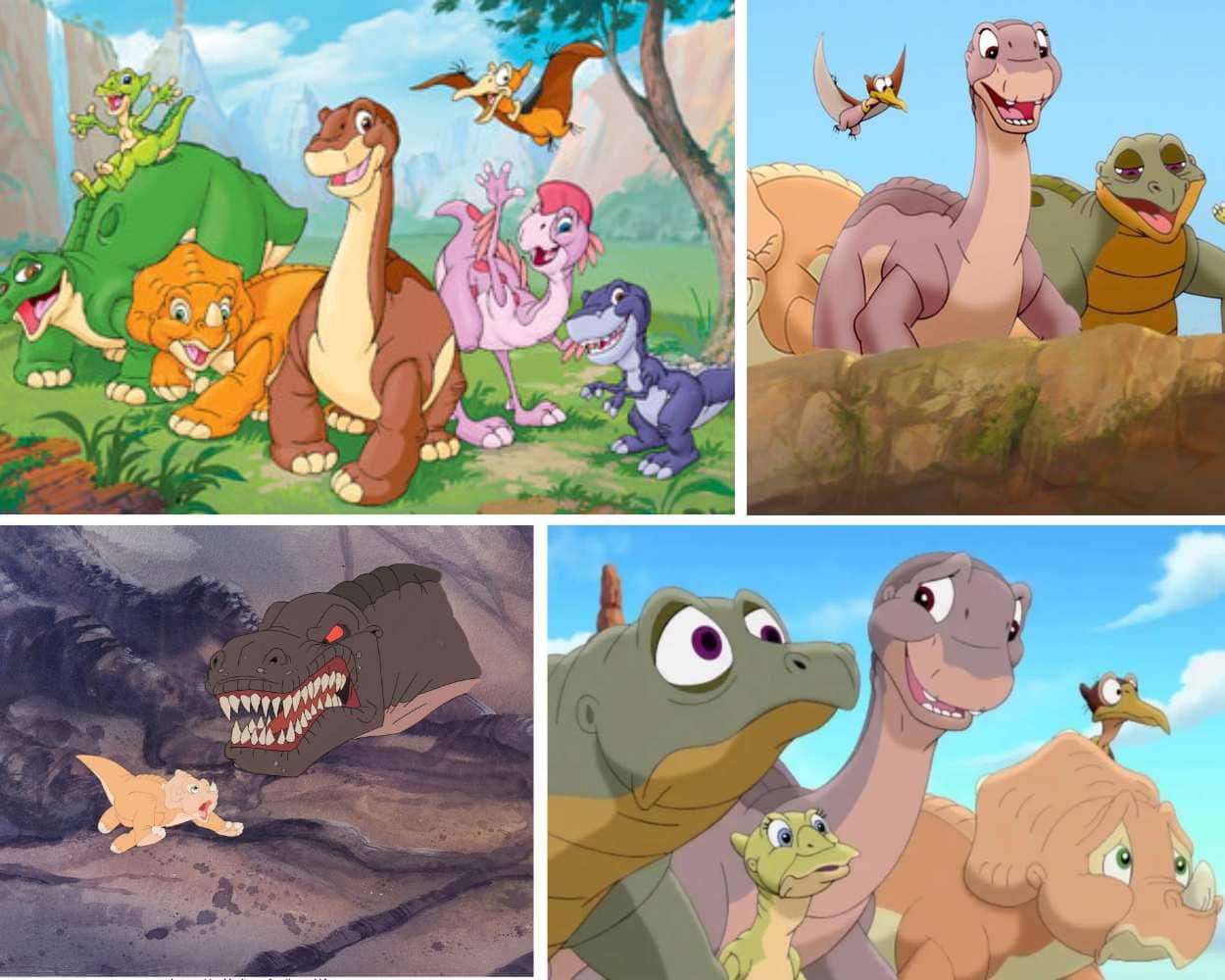
🍿 Vibe: Sad, Epic, Beautiful
🎬 Best Moment: The “Tree Star” scene.
🧠 Why Watch: It’s a masterpiece on par with Bambi.
Forget the 13 awful sequels. The original Land Before Time is a masterpiece. Directed by Don Bluth and executive produced by Steven Spielberg and George Lucas, it treats its young audience with respect.
The death of Littlefoot’s mother is the “Bambi’s mom” moment for 80s kids. The soundtrack by James Horner (who later did Titanic and Avatar) does a lot of the heavy lifting. The film made $84 million on a $12 million budget, briefly outgrossing Disney’s competing release Oliver & Company. It’s short, sharp, and emotionally devastating.
The Fox and the Hound (1981)
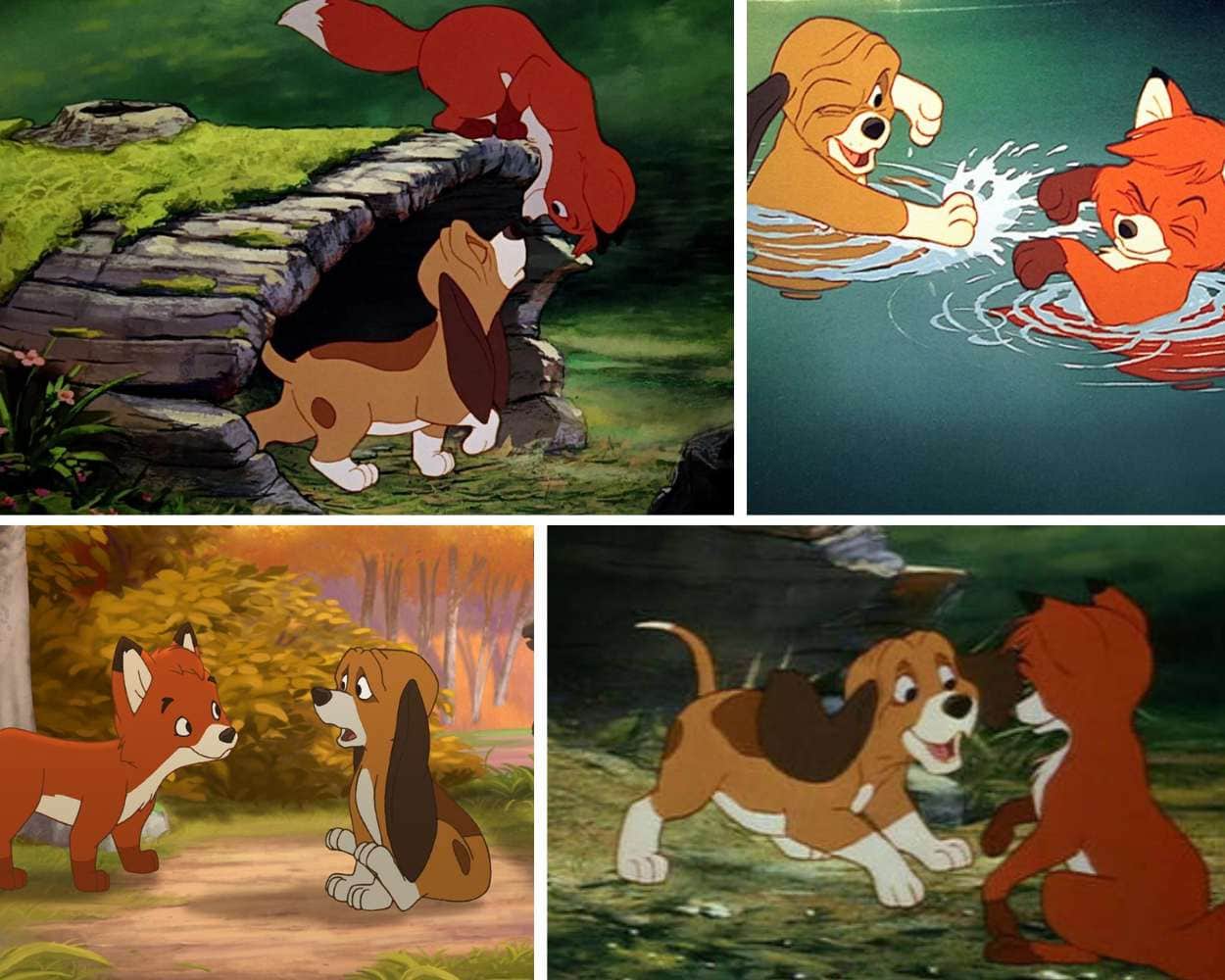
🍿 Vibe: Bittersweet, Classic, Sad
🎬 Best Moment: The bear fight.
🧠 Why Watch: For the “Old Disney” hand-drawn charm.
The Fox and the Hound is a transition movie. It was the last film where the legendary “Nine Old Men” of Disney (specifically Frank Thomas and Ollie Johnston) worked alongside the new generation, including a young Tim Burton, Brad Bird, Don Bluth (who quit mid-production), and John Musker.
It’s a bittersweet story about how society forces us into roles that destroy our friendships. The ending isn’t “happily ever after.” Todd and Copper survive, but they can’t be friends anymore. That bittersweet reality makes the movie memorable.
The Flight of Dragons (1982)
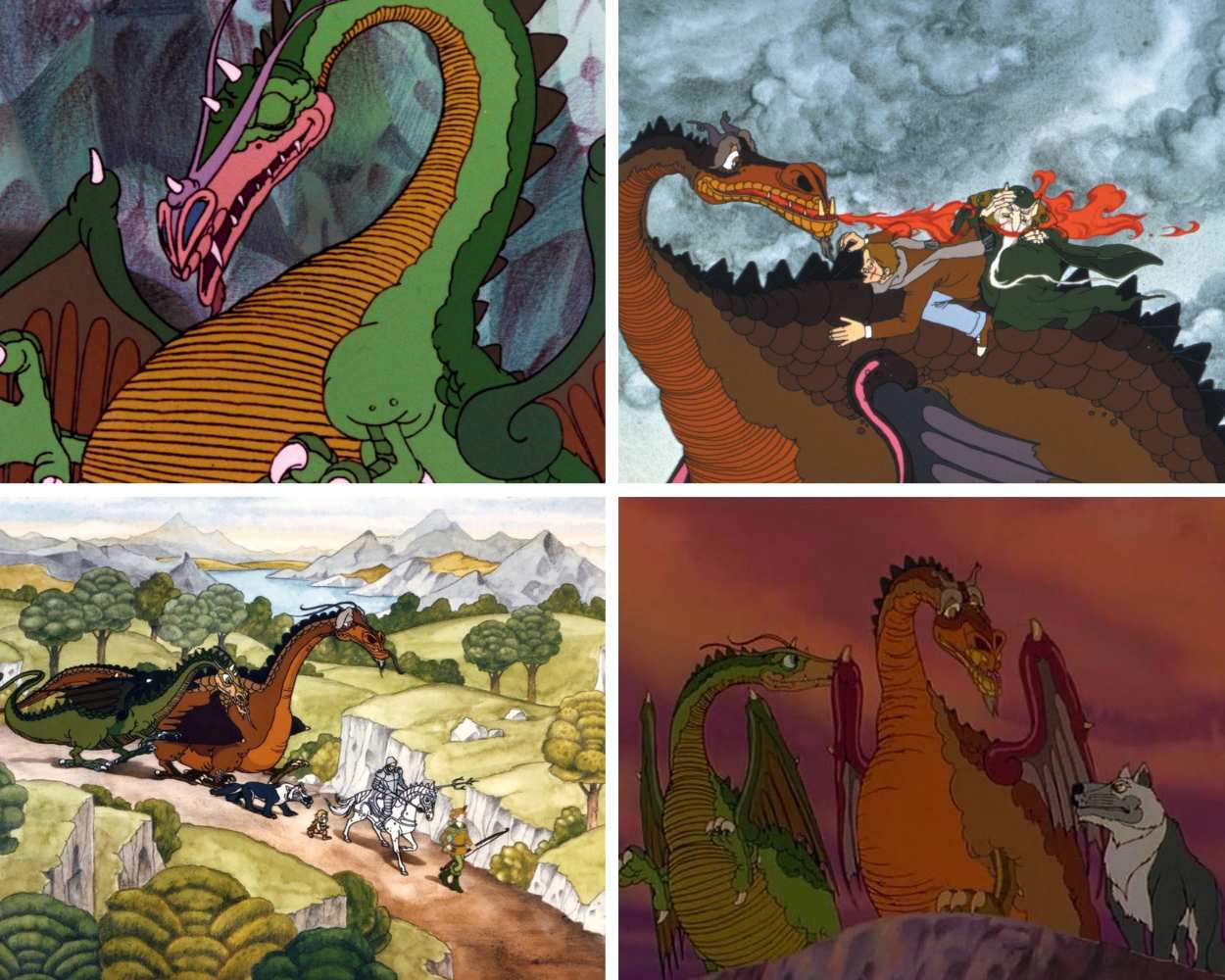
🍿 Vibe: Nerdy, Scientific, Fantasy
🎬 Best Moment: Explaining dragon flight with physics.
🧠 Why Watch: James Earl Jones voicing the villain.
If you were a D&D nerd in the 80s, this was your movie. Produced by Rankin/Bass (the studio behind Rudolph the Red-Nosed Reindeer and The Last Unicorn), it treats fantasy with a weirdly scientific approach. Based on Peter Dickinson’s 1979 illustrated book and Gordon R. Dickson’s novel The Dragon and the George.
The voice cast is stacked: John Ritter as the hero and James Earl Jones as the villain Ommadon. Having the voice of Darth Vader explain why magic is dying is just cool.
Oliver And Company (1988)
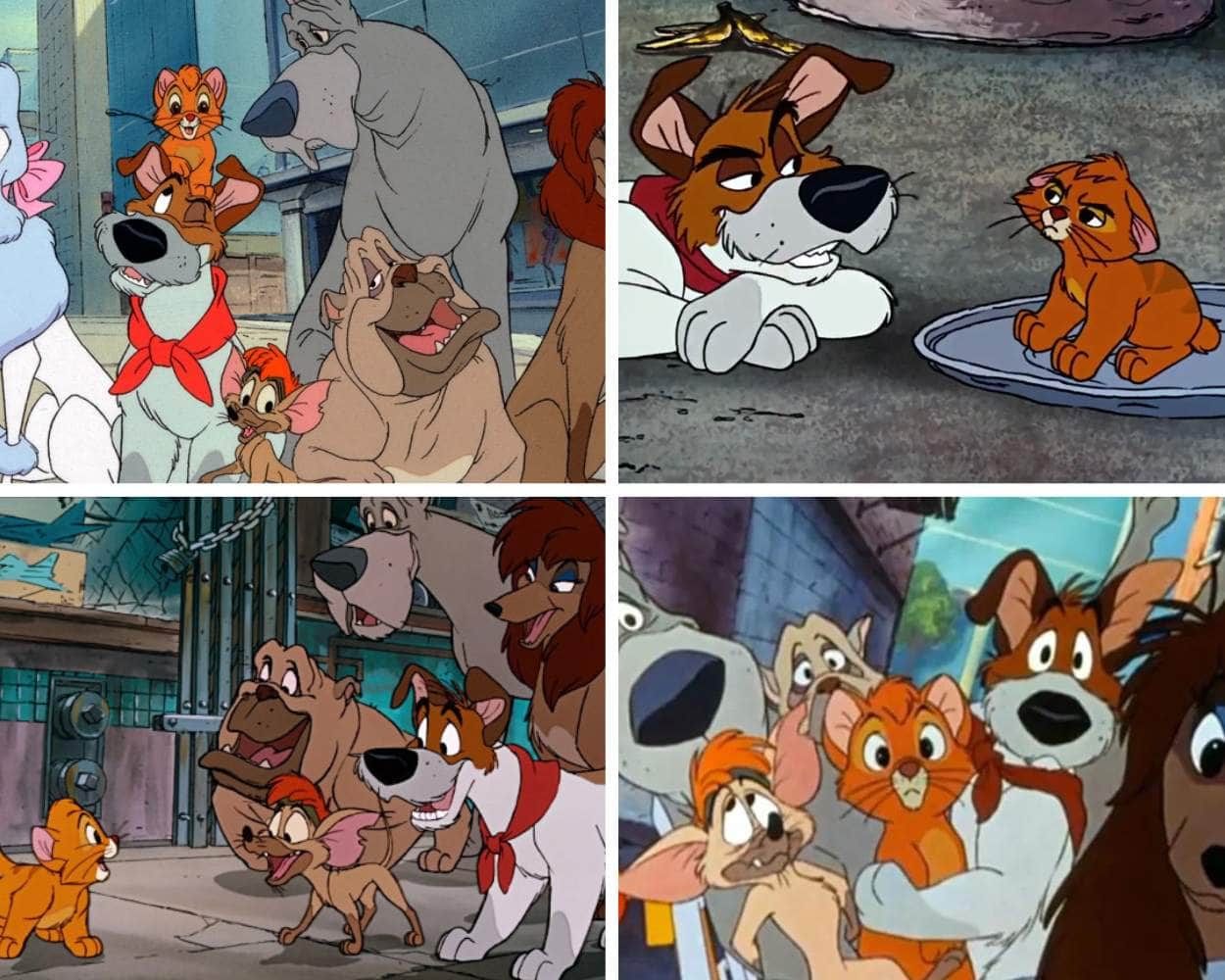
🍿 Vibe: Musical, upbeat, NYC
🎬 Best Moment: “Why Should I Worry?” (The song).
🧠 Why Watch: Billy Joel as a dog. Enough said.
Oliver & Company screams 1988. Released the same week as The Land Before Time (which beat it at the box office), this was Disney’s pre-Renaissance entry. From the Billy Joel songs to the grimy New York City setting, it’s a time capsule. The voice cast includes Billy Joel, Bette Midler, Cheech Marin, Robert Loggia, and Dom DeLuise. It’s Oliver Twist with dogs, and while it’s not the deepest movie, it has incredible energy.
Akira (1988)
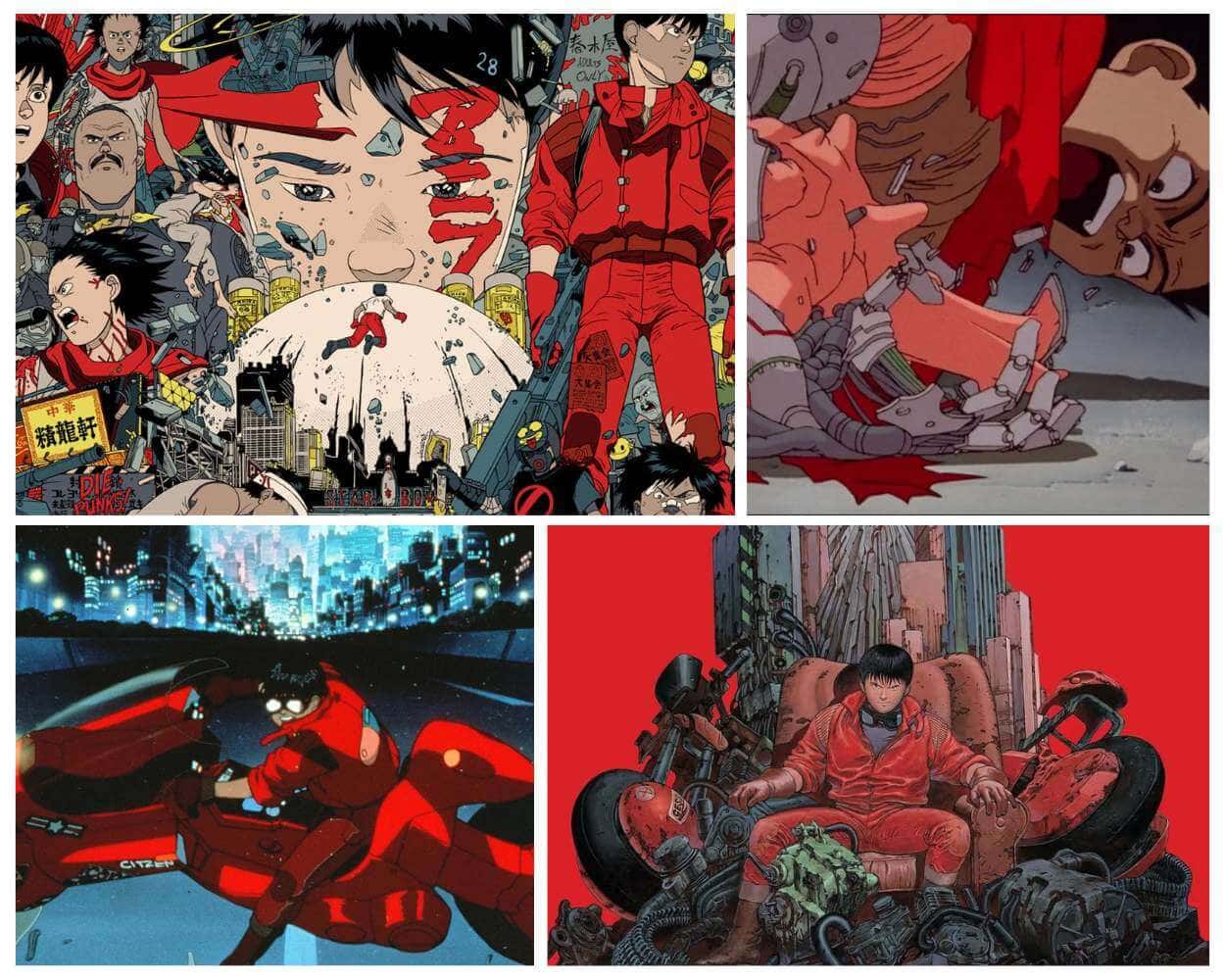
🍿 Vibe: Mind-bending, Violent, Masterpiece
🎬 Best Moment: The Kaneda bike slide.
🧠 Why Watch: It changed animation forever.
This is it. The movie that changed everything. Directed by Katsuhiro Otomo based on his own 1982-1990 manga, with a record-breaking $11 million budget that made it one of the most expensive anime productions ever at the time. Before Akira, most Westerners thought cartoons were just funny animals. Then we saw Neo-Tokyo, the bike slide, and the body horror of the finale.
The level of detail is insane. You can watch the background lights of the city blur in a way that hand-drawn animation shouldn’t be able to do. Akira had over 160,000 individual animation cels (compared to the typical 30,000-50,000 for an anime film of the era), with the soundtrack composed by Geinoh Yamashirogumi. It didn’t just entertain me. It obsessed me.
Why 80s Animation Hits Different
There’s a reason 80s animated movies have such an enduring cult following. The combination of factors that defined the era produced animation that simply couldn’t be made today:
- ✅ Disney was in a slump: the era between The Jungle Book (1967) and The Little Mermaid (1989) had Disney creatively wandering. This let studios like Don Bluth, Topcraft, Nelvana, and Rankin/Bass take risks that wouldn’t get greenlit today.
- 💡 Hand-drawn craftsmanship: these films were all animated traditionally, with cells painted by hand. The labor-intensive process meant fewer films but each one was a real artistic achievement.
- 🔥 Anime broke through: the 80s introduced Western audiences to anime via VHS imports and theatrical releases of Akira and Nausicaä. The animation language expanded dramatically.
- ✅ Synth-heavy soundtracks: the music was unmistakably 80s. Synthesizers, rock soundtracks, and unique scores like James Horner’s Land Before Time gave these films a distinctive sonic identity.
- 💡 Willingness to be dark: studios weren’t afraid of nuclear war themes, dead parents, demonic clowns, or genuinely scary villains. The films respected that kids could handle real emotional content.
- 🔥 Cult mythology built up: many of these films were box office disappointments at release but found their audience on cable TV, VHS, and now streaming. The fact that we keep returning to them speaks to their lasting power.
Frequently Asked Questions
What was the highest-grossing animated movie of the 80s?
Who Framed Roger Rabbit (1988) was the highest-grossing animated film of the decade, earning over $329 million worldwide on a $70 million budget. The film was a critical and commercial smash that helped reignite interest in traditional animation.
What killed Disney animation in the 80s?
A series of expensive flops including The Black Cauldron (1985), which lost so much money that it almost shut down Disney’s animation division. The studio recovered with The Great Mouse Detective (1986), Oliver & Company (1988), and ultimately The Little Mermaid (1989), which launched the Disney Renaissance.
Who was Don Bluth and why does he matter?
Don Bluth was a veteran Disney animator who left the studio in 1979 with a group of fellow animators because he believed Disney had lost its creative edge. His independent studio produced The Secret of NIMH (1982), An American Tail (1986), The Land Before Time (1988), and All Dogs Go to Heaven (1989). He’s arguably the most important non-Disney American animator of the 80s.
Is Akira the most influential 80s animated film?
For Western influence on animation, yes. Akira (1988) single-handedly transformed Western perceptions of anime and influenced generations of filmmakers including The Wachowskis (The Matrix), Christopher Nolan (Inception), Rian Johnson (Looper), and Jordan Peele (Get Out, Us). It remains a foundational text of cyberpunk visual culture.
Which 80s animated movie is the saddest?
When the Wind Blows (1986) is arguably the most emotionally devastating animated film of the decade. The slow death of an elderly British couple from nuclear radiation poisoning is genuinely traumatic. The Land Before Time and Grave of the Fireflies (1988) (released as a double feature with My Neighbor Totoro) are also extremely sad.
What’s the connection between The Last Unicorn and Studio Ghibli?
The Last Unicorn (1982) was animated by Topcraft, a Japanese studio whose staff, led by producer Toru Hara, would later form the core of Studio Ghibli in 1985. Many animators who worked on The Last Unicorn would go on to work on early Ghibli films including Nausicaä of the Valley of the Wind (1984) and Castle in the Sky (1986).
Where can I watch these 80s animated movies today?
Disney+ has The Black Cauldron, The Fox and the Hound, The Great Mouse Detective, Oliver & Company, and Who Framed Roger Rabbit. Max typically carries the Don Bluth films (NIMH, Land Before Time, All Dogs). Akira is on various platforms with frequent rotations. Older cult films like Rock & Rule and The Flight of Dragons may require physical media or specialized streaming services.
Why doesn’t this list include An American Tail (1986)?
An American Tail is absolutely worth watching and would fit perfectly on this list. The specific 17 entries here were chosen as a personal favorites selection rather than a definitive ranking. Other notable omissions worth seeking out: An American Tail (1986), The Care Bears Movie (1985), The Plague Dogs (1982), Watership Down (1978, but the influence carried into the 80s), and Nausicaä of the Valley of the Wind (1984).