Fly Tales is one of those early 2000s cartoons that feels like it slipped through a crack in the TV schedule and landed directly in the “wait, did anyone else watch this?” part of my brain.
It’s a cartoon about a fly. Literally. Not a superhero fly. Not a magical fly. Just a curious little insect buzzing through kitchens, museums, gumball machines, garbage cans, and whatever other places a tiny flying menace can accidentally turn into an adventure.
And somehow, it works.
Fly Tales is a Franco-Canadian animated series created in 1999, built around short, five-minute episodes starring a young cartoon fly who constantly wanders into trouble.
Which, to be fair, is exactly what flies do. They don’t have plans. They have vibes and poor spatial awareness.
Fly Tales: An Early 2000s Cartoon About a Fly
If you’ve ever searched for a cartoon about a fly, this is probably the one you were trying to remember.
Fly Tales was an early 2000s short cartoon with 65 episodes, each running around five minutes.
That format made it quick, weird, and easy to drop into a lineup. It didn’t need a giant mythology, a dramatic villain arc, or a 12-episode emotional spiral. It just needed a fly, a problem, and five minutes of tiny insect chaos.
Quick Fly Tales facts:
- Original title: Fly Tales
- Type: Short animated series
- Origin: Canada and France
- Created: 1999
- Episodes: 65
- Episode length: About 5 minutes each
- Main character: A curious little cartoon fly
It’s also one of those shows with a surprisingly tiny online footprint.
You can find it listed on places like IMDb, but compared to better-known shows from the same era, Fly Tales feels almost secret.
It mainly aired in places like France and Eastern Europe, and depending on where it aired, it sometimes went by different names.
That low-key distribution is probably why it feels so oddly mysterious now. It’s not exactly lost media, but it has the energy of something your childhood remembers more clearly than the internet does.
The Genius Behind the Art
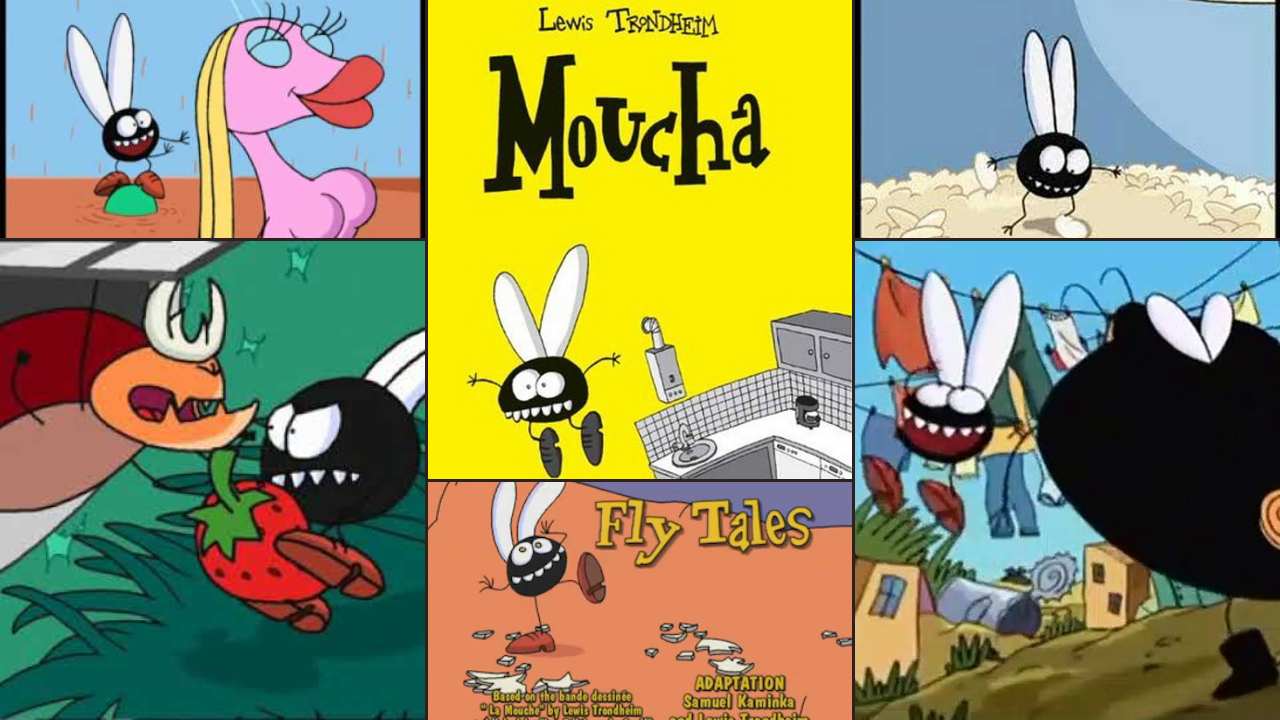
The charm of Fly Tales is that it takes a tiny character and gives him a huge world.
A kitchen becomes an obstacle course. A museum becomes a danger zone. A gumball machine becomes a whole survival situation.
Basically, the show understands something very important: if you are fly-sized, everything is either food, furniture, or a near-death experience.
What makes the series work is its blend of humor, satire, surrealism, and physical comedy.
It’s a small cartoon with a surprisingly big imagination.
Unlike many kids’ cartoons that explain every joke, Fly Tales often leans into visual storytelling and absurd situations. It blurs reality and fantasy just enough to keep each short unpredictable.
Why the animation style still stands out to me:
- It uses scale well: everyday objects feel huge and dangerous.
- It embraces physical comedy: the fly’s body language does a lot of the storytelling.
- It keeps things weird: the show isn’t afraid of surreal little detours.
- It works fast: five minutes is enough time for a setup, disaster, joke, and escape.
The result is a show that feels simple at first, then sneakier than expected.
Like the fly himself. Tiny, annoying, and somehow still surviving.
Relatable Moments in the Smallest Package
On paper, a show about a fly should not be relatable.
I do not personally live inside gumball machines. I do not buzz into kitchens looking for crumbs. I have never had a dramatic rivalry with a larger bug over fish scraps.
Not yet, anyway.
But Fly Tales manages to turn tiny insect problems into familiar human feelings.
- Trying to find food
- Trying to impress someone
- Getting pushed around by someone bigger
- Making one bad decision and immediately regretting it
- Wandering into a place you absolutely should not be
That last one is basically adulthood.
The fly’s world may be tiny, but the comedy is universal. He wants simple things—food, fun, safety, maybe a little dignity—and the world keeps turning those goals into ridiculous obstacle courses.
Fly Tales Credits and Voices
Fly Tales had a creative team behind it that gave the series its offbeat personality.
Creative credits:
- Written by: Lewis Trondheim
- Directed by: Norman LeBlanc and Charlie Sansonetti
- Countries of origin: Canada and France
The voice work also helped give the show its strange identity.
The characters often communicate in a French-esque gibberish style, which gives the cartoon a universal slapstick feel. You don’t need full dialogue when a tiny fly is clearly having the worst day of his life.
Voices included:
- Brigitte Lecordier
- Clement Reverend
- Marc Saez
I love that the show’s limited speech actually helps it.
It makes the comedy feel more visual, international, and bug-brained. Which is a compliment, somehow.
What Was Fly Tales About?
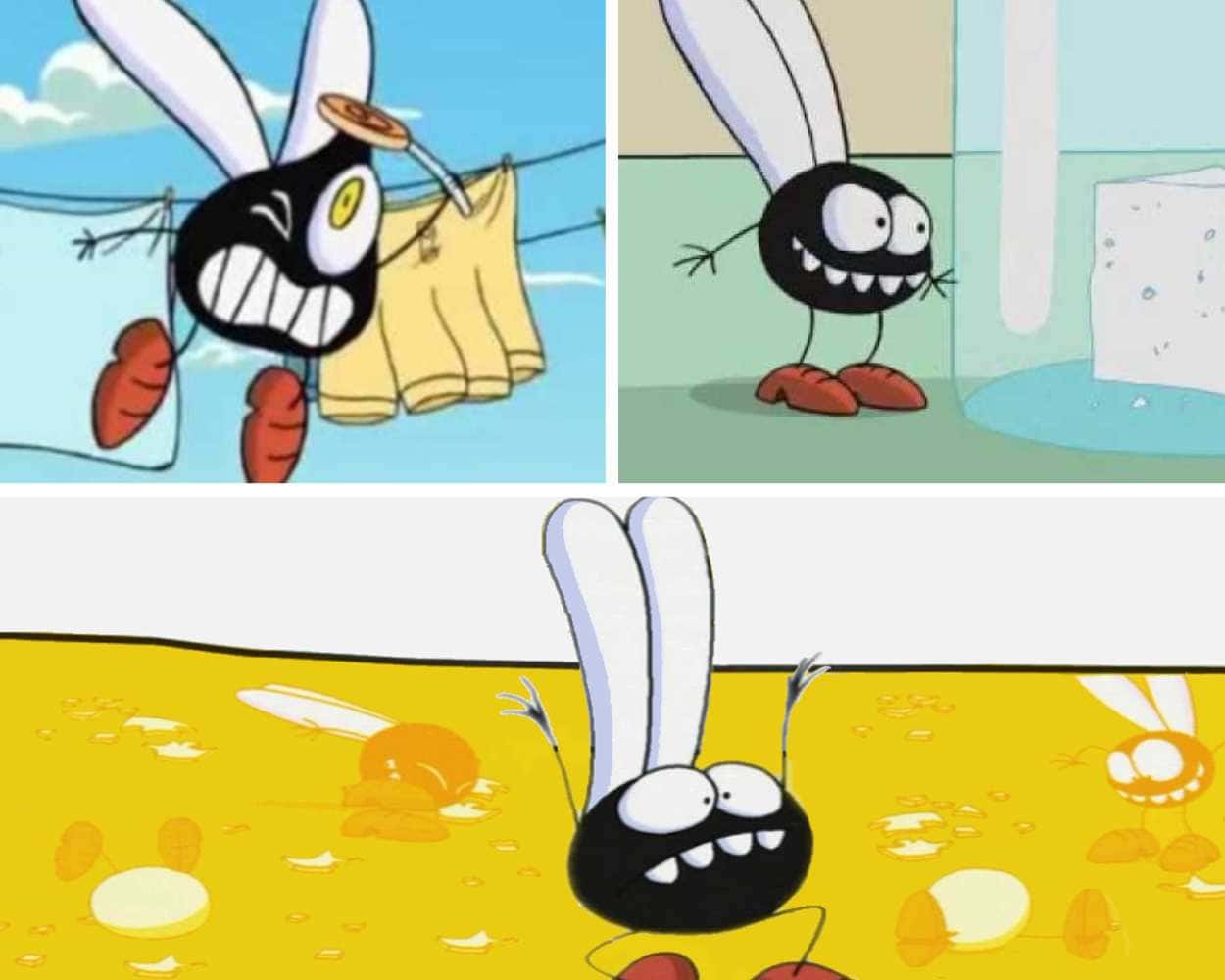
Every episode of Fly Tales centers on the adventures of the main fly character.
The formula is simple:
- The fly buzzes into a new location.
- He finds something interesting.
- He meets insects, humans, or some strange obstacle.
- Things go wrong because he is a fly and this is legally required.
- He escapes or moves on to the next tiny disaster.
The show often uses other anthropomorphic insects and recurring characters, creating a small bug-sized world around him.
Some characters become familiar faces, and some are there to cause problems and then leave like tiny six-legged coworkers.
The narratives often reinterpret everyday human life through insect eyes.
That’s where Fly Tales gets clever.
A normal object becomes a giant structure. A snack becomes a treasure. A human room becomes an alien landscape. A trash can becomes a buffet with moral consequences.
It also spoofs familiar storylines, but with bugs instead of humans, which makes everything slightly more ridiculous.
Surprisingly, the show is more entertaining than the premise sounds. I know “cartoon about flies” does not immediately scream masterpiece, but the execution has enough charm, slapstick, and weirdness to make it work.
And yes, there are moments of dark humor, surreal comedy, and even little emotional beats.
Because apparently even flies can have character development. Meanwhile, I still can’t fold fitted sheets.
A Precursor to Environmental Commentary
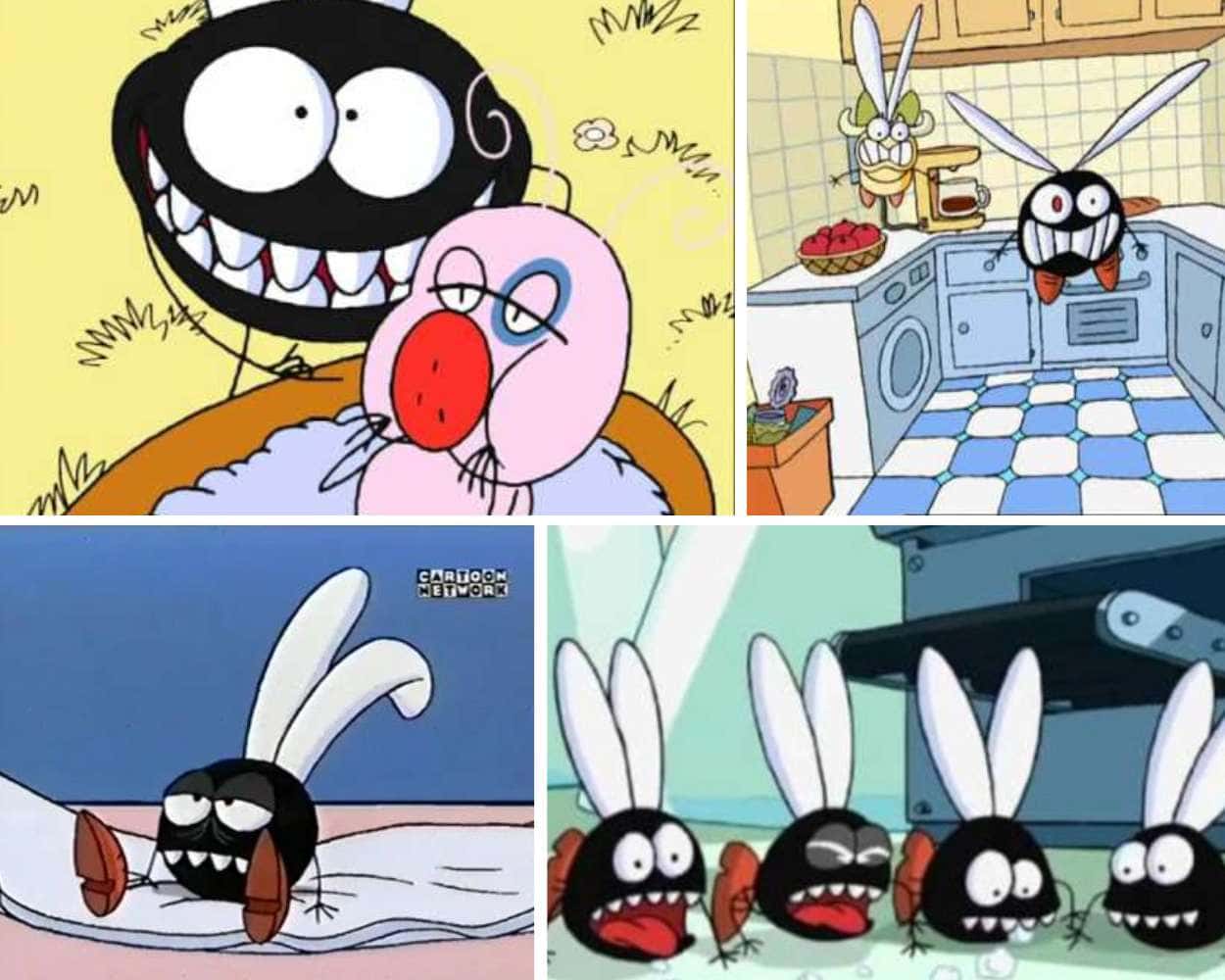
One thing I think gets overlooked about Fly Tales is how often it quietly touches on environmental themes.
No, it’s not giving speeches about climate policy. The main character is a fly. He is not running for office.
But the show does use its bug-sized perspective to make pollution, trash, pesticides, and human carelessness feel huge and dangerous.
That’s one of the benefits of telling stories from an insect point of view.
Human mess becomes the fly’s entire world.
- A discarded can becomes a battleground.
- Polluted water becomes a hazard.
- Pesticides become a looming threat.
- Urban spaces become strange and overwhelming landscapes.
In that sense, Fly Tales was quietly doing eco-conscious storytelling before every kids’ show started adding a recycling episode with a suspiciously catchy song.
Episode Example: Angel or Devil
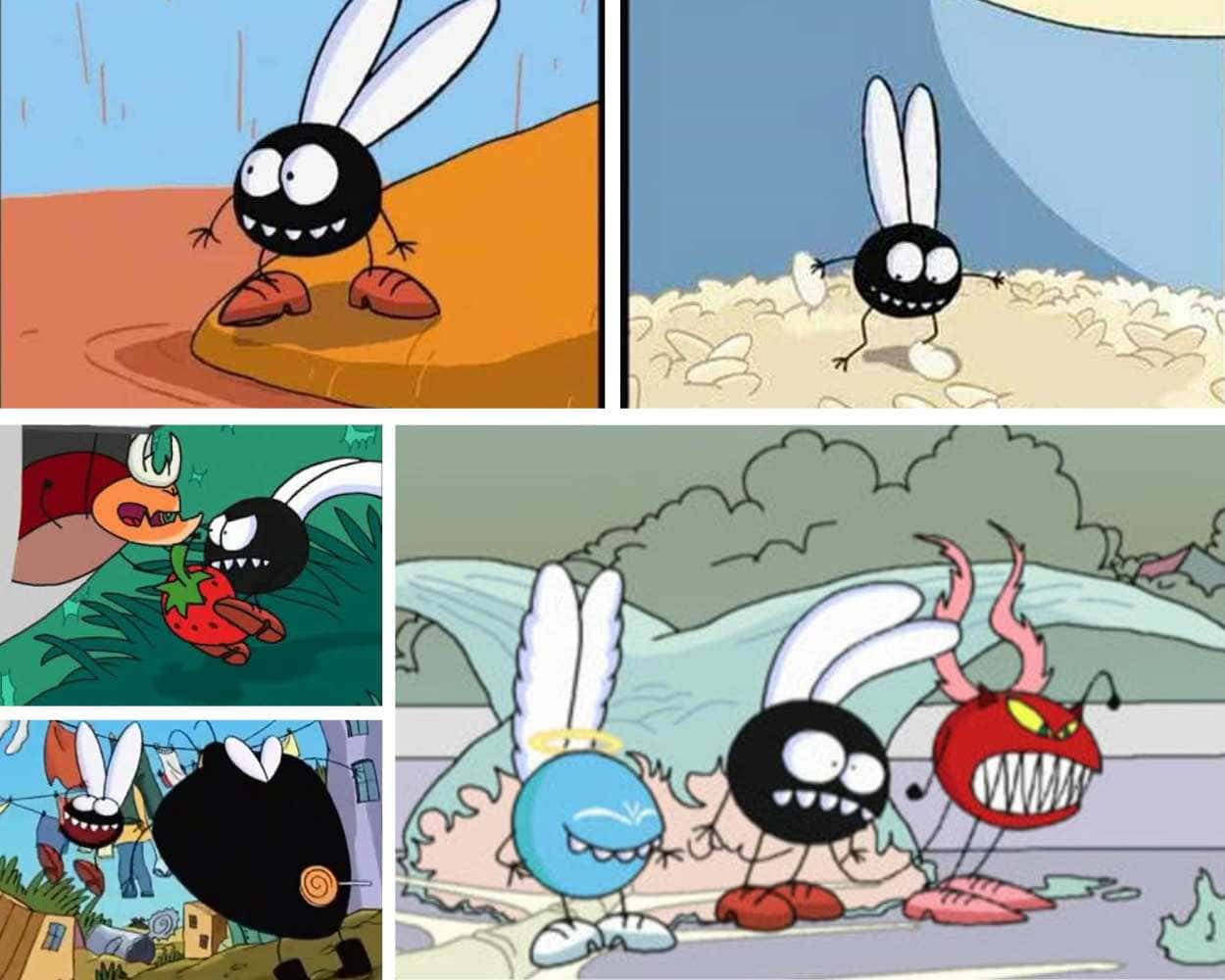
One of the best examples is Episode #2, “Angel or Devil.”
In this episode, the fly goes into a garbage can looking for food, because again, fly priorities are simple and disgusting.
He spots a can with fish remains, but a larger bug pushes him away. Then two little figures appear: a devilish red fly urging revenge and a calm blue angel fly suggesting a gentler path.
The joke is that neither option really works out smoothly.
Because this is Fly Tales, not a motivational poster.
The episode plays with morality, temptation, conflict, and consequences, all through a tiny food fight in a garbage can.
That is what I like about the show. It takes a simple bug problem and turns it into a miniature philosophical slapstick routine.
Deep? Maybe. Gross? Also yes.
Why Fly Tales Feels So Underrated
Fly Tales feels underrated because it never became a huge household name in the way other early 2000s cartoons did.
It didn’t have a giant merch empire. It didn’t become a massive nostalgic franchise. It doesn’t dominate “best cartoons of the 2000s” lists.
But for people who remember it, it has a weird little charm.
Why I think Fly Tales still deserves attention:
- The premise is unusual: not many shows build an entire world around a fly.
- The episodes are short: five minutes keeps the comedy tight.
- The visual storytelling works: dialogue is minimal, so movement and timing matter.
- The insect perspective is clever: everyday human spaces become massive adventures.
- It has a strange tone: funny, surreal, sometimes dark, and occasionally thoughtful.
It’s the kind of show that makes me miss when short cartoons could just be weird little experiments.
Not everything needed to be a franchise universe. Sometimes a fly in a gumball machine was enough.
A Testament to Timelessness
It’s easy to overlook simpler cartoons from the past, especially now that animation can look huge, glossy, cinematic, and expensive enough to make my laptop sweat.
But Fly Tales reminds me that a cartoon doesn’t need blockbuster visuals to be memorable.
It needs a strong idea.
And this one had a wonderfully odd idea: take the smallest, most annoying insect in the room and make his world feel huge.
That’s the timeless part. The fly is tiny, but the stories are built around curiosity, hunger, survival, embarrassment, fear, and adventure. Those are classic cartoon ingredients.
Also, watching a fly dramatically struggle through everyday life does make me feel slightly guilty about every time I’ve swatted one near a window.
Slightly.
Fly Tales – Desperately Seeking Shoes
Final Thoughts
Fly Tales is a strange little early 2000s cartoon that deserves more curiosity than it gets.
It’s short, odd, funny, and surprisingly clever in how it turns everyday places into insect-scale adventures.
Is it the most famous cartoon from its era? Not even close.
But that’s part of the charm.
For me, Fly Tales works because it takes a ridiculous premise—a cartoon about flies—and treats it with enough imagination to make it memorable.
It’s proof that a good cartoon doesn’t always need a superhero, a magical kingdom, or a giant cast of merch-ready characters.
Sometimes all it needs is one tiny fly, one oversized problem, and five minutes of buzzing chaos.
Now I’m curious: did you ever watch Fly Tales, or is this one of those forgotten early 2000s cartoons you’re just discovering now?