The line between “Western cartoon” and “anime” is blurrier than most viewers realize. For decades, American animators have openly cribbed from Japanese animation. Studio Ghibli’s gentle worldbuilding, Cowboy Bebop’s character framing, Sailor Moon’s transformation sequences, Akira’s apocalyptic visuals, Naruto’s fight choreography. The cross-pollination has produced some of the best Western cartoons of the last 30 years, often without their American audiences fully realizing what they were watching.
The recurring frustration on “is it anime?” debates online is that they treat “anime” like it’s a binary category. It isn’t. Anime is a stylistic vocabulary, a set of storytelling conventions, and a visual grammar that any animator can draw from. American shows do it all the time. Some openly. Some quietly. Some so subtly that viewers absorb anime influence without consciously recognizing it.
Here are 19 cartoons that owe Japanese animation a real debt, ranked roughly by how openly they wear it.
The Most Openly Anime-Influenced Cartoons
19Avatar: The Last Airbender
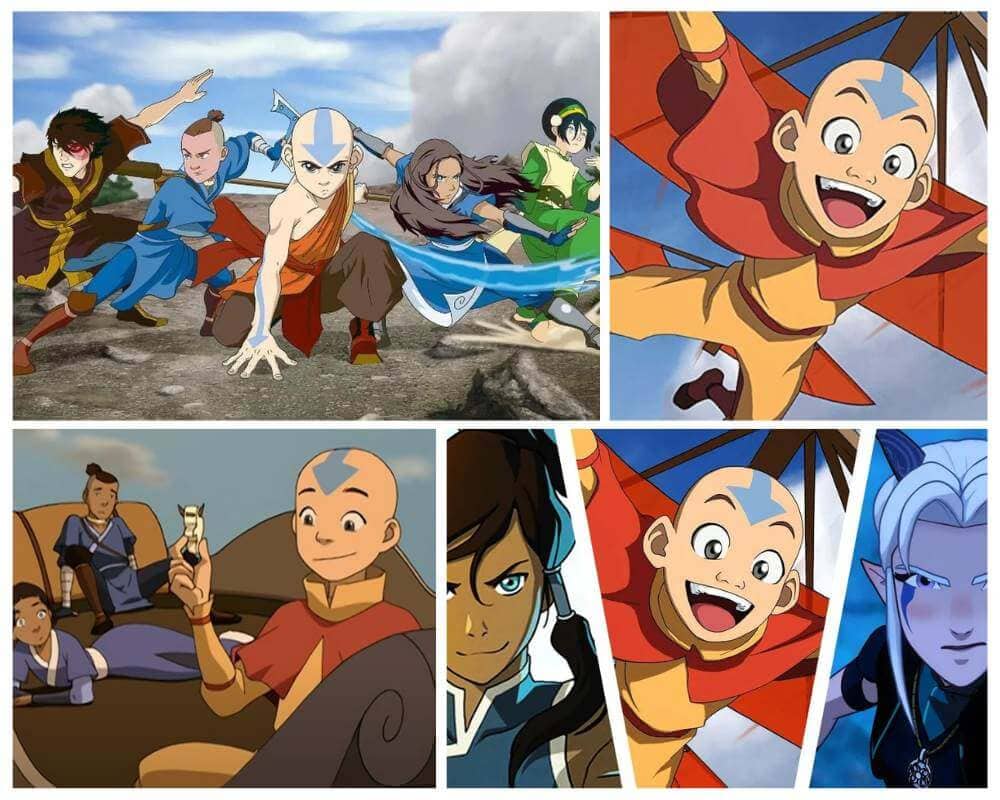
The canonical “is it anime?” debate started here. Michael Dante DiMartino and Bryan Konietzko‘s 2005-2008 Nickelodeon series is so heavily influenced by anime structure, character design, action choreography, and emotional storytelling that hardcore anime purists routinely accept it as honorary anime.
The serialized 61-episode story, the complex character arcs (Zuko’s redemption arc remains one of the best in any animated medium), the detailed worldbuilding with multiple cultures inspired by East Asian and Inuit traditions, the fight choreography rooted in actual martial arts (Tai Chi for Waterbending, Hung Gar for Earthbending, Northern Shaolin for Firebending, Bagua for Airbending) — all of this came from a studio that had been studying anime carefully. The follow-up series The Legend of Korra (2012-2014) doubled down on the anime influence even more.
18RWBY
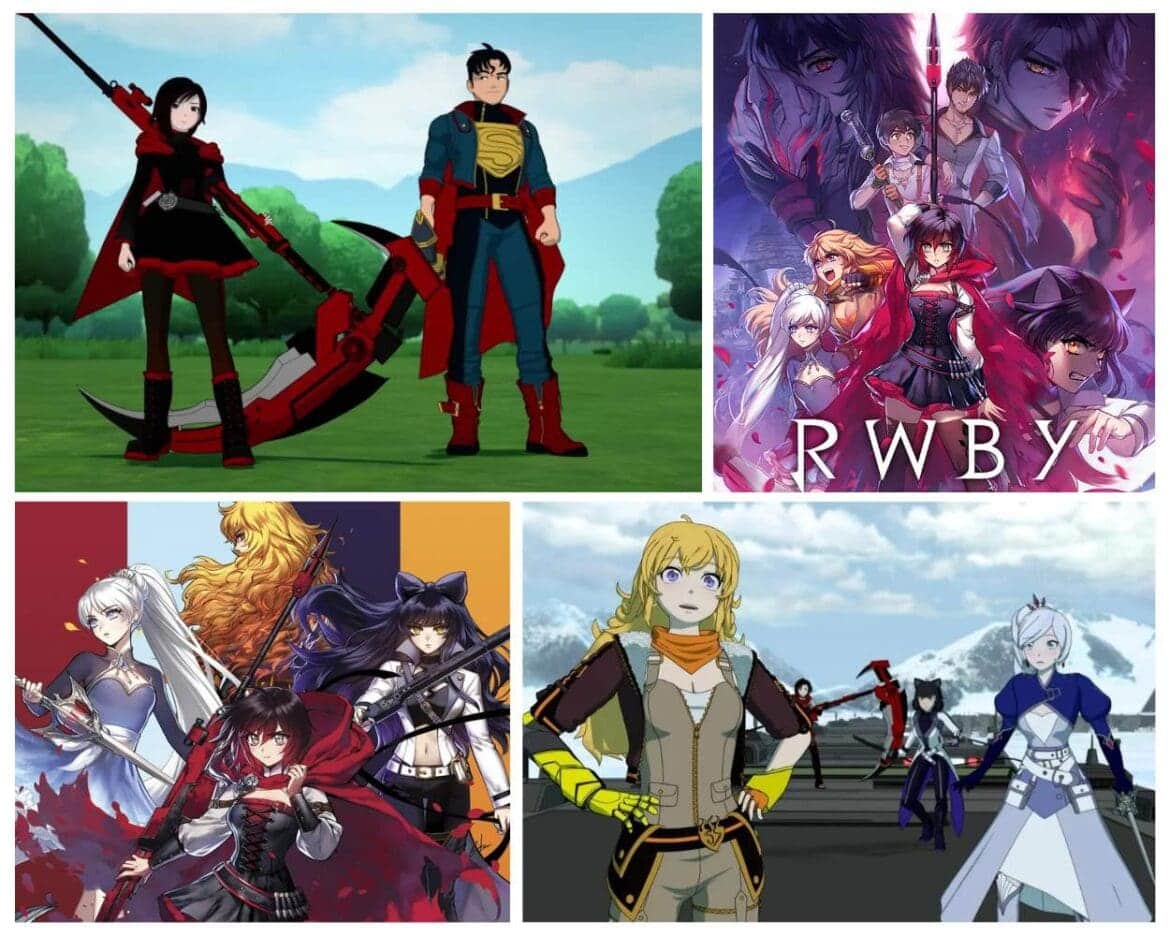
The most anime of any American animated production. Rooster Teeth‘s web series, created by the late Monty Oum in 2013, doesn’t just borrow anime conventions. It is, structurally and visually, an American-produced anime. Episode lengths match anime conventions. Story arcs follow anime pacing. Character designs are full anime. Fight choreography is the kind of weapon-and-power scenes that define modern shonen.
The show is also dubbed into Japanese and broadcast in Japan, where it’s been received as an anime in its own right. RWBY has continued past Monty Oum’s tragic death in 2015 and is now in its tenth volume. Whatever you call it, it’s the clearest example of an American studio making something indistinguishable from anime.
17Voltron: Legendary Defender
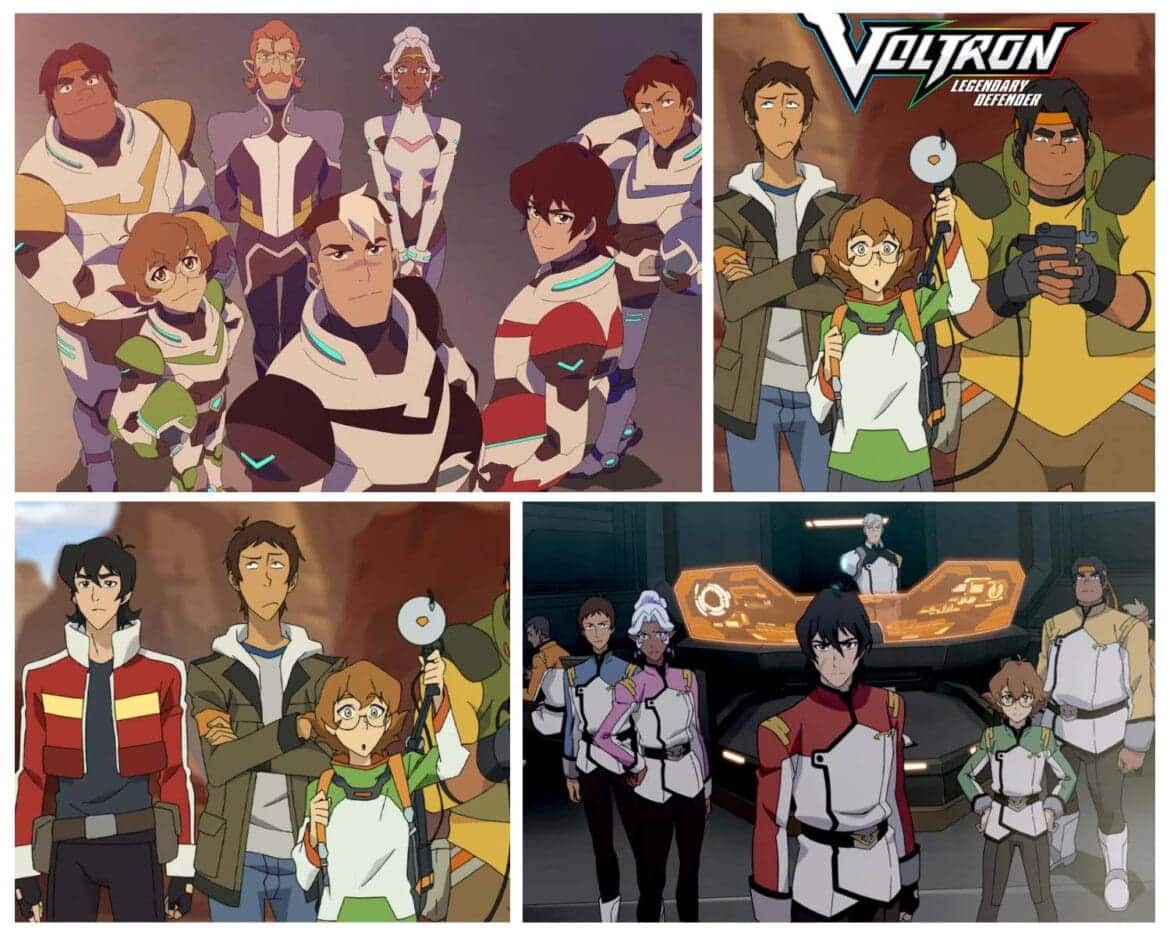
This one’s almost cheating. The 1984 original Voltron was already an adaptation of two Japanese anime: Beast King GoLion (1981) and Armored Fleet Dairugger XV (1982). The 2016-2018 DreamWorks Animation Netflix reboot, executive produced by Joaquim Dos Santos and Lauren Montgomery, leaned even harder into the original’s anime DNA.
The character relationships, mecha-anime visual conventions, multi-season storyline structure, and intense emotional stakes between team members all come straight from the mecha anime playbook. Eight seasons of openly anime-influenced storytelling.
16Samurai Jack
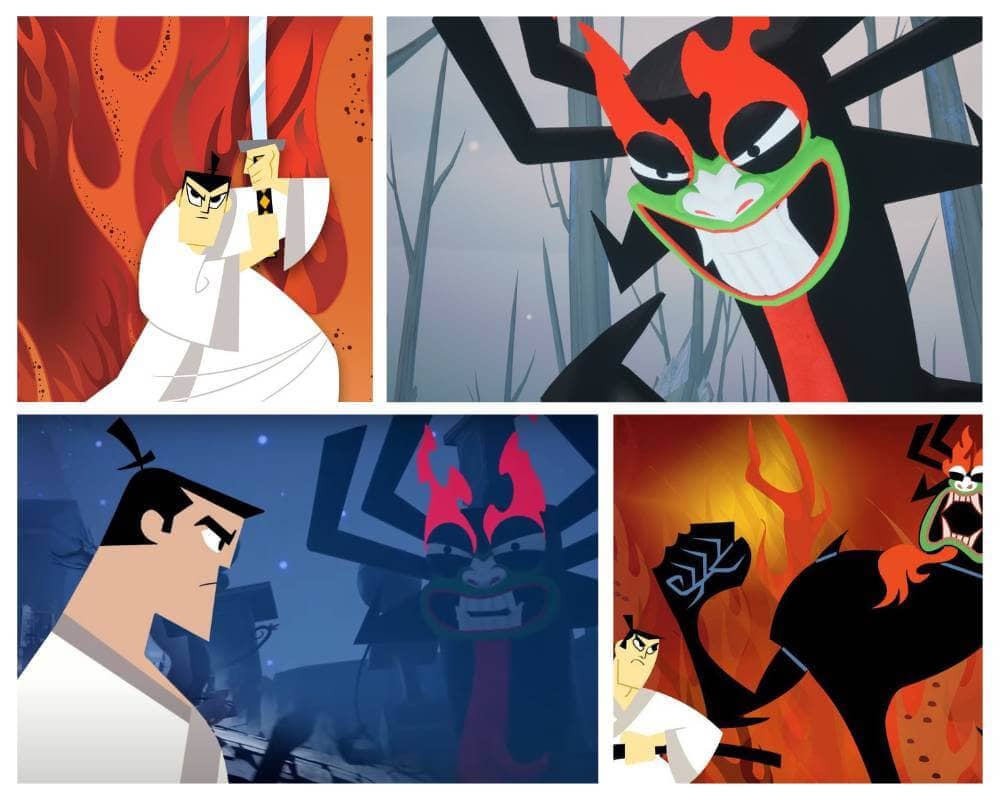
Genndy Tartakovsky‘s 2001-2004 Cartoon Network masterpiece is heavily anime-influenced, though Tartakovsky also drew from Ukiyo-e prints, kabuki theater, and Akira Kurosawa films. The minimalist art style, the willingness to let scenes breathe without dialogue, the emphasis on visual storytelling over verbal exposition, the mythic samurai-against-impossible-odds framework — all of this is anime DNA filtered through Tartakovsky’s distinctive aesthetic.
Tartakovsky himself has openly cited Akira (1988) and Ghost in the Shell (1995) as major influences. The show won four Emmys during its original run and got a five-season Adult Swim revival in 2017 that completed Jack’s story.
15The Boondocks
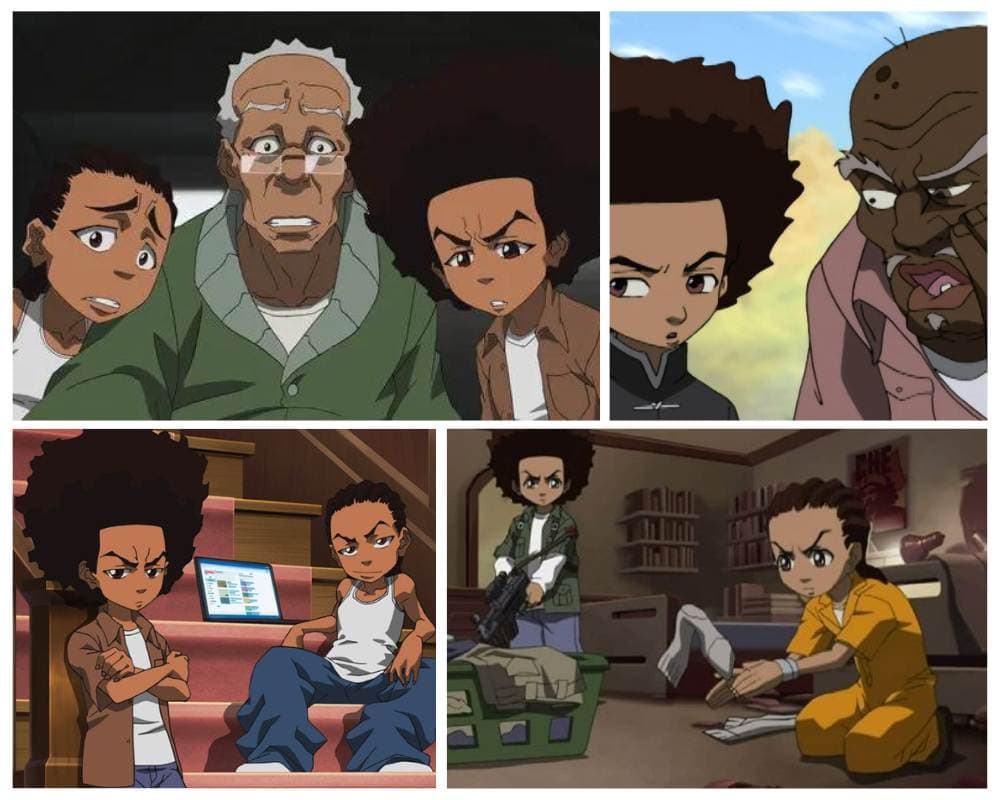
Aaron McGruder‘s 2005-2014 Adult Swim adaptation of his political comic strip directly borrowed from Cowboy Bebop and Samurai Champloo for its action sequences. The animation was actually produced by Madhouse and DR Movie (Japanese animation studios that have worked on numerous anime productions), so the fight choreography in Huey Freeman‘s combat scenes isn’t “anime-influenced.” It’s literally produced by anime studios.
The combination of sharp American political satire with anime production values made The Boondocks unique in the 2000s. Nothing else looked or sounded quite like it.
14Teen Titans (2003-2006)
The 2003 Cartoon Network adaptation of DC’s Teen Titans was the most explicitly anime-influenced American superhero show of its era. Glen Murakami (who produced Batman: The Animated Series) and David Slack created a series that deliberately blended American superhero conventions with anime visual storytelling.
The Puffy AmiYumi opening theme song was a literal Japanese pop song. Episodes shifted into chibi/super-deformed art styles for comedic moments. Eye expressions were exaggerated anime-style. Background characters had bigger reactions. The show was so anime-influenced that the “Trouble in Tokyo” film (2006) literally took the team to Japan and let the influence become the text.
13ThunderCats (1985)
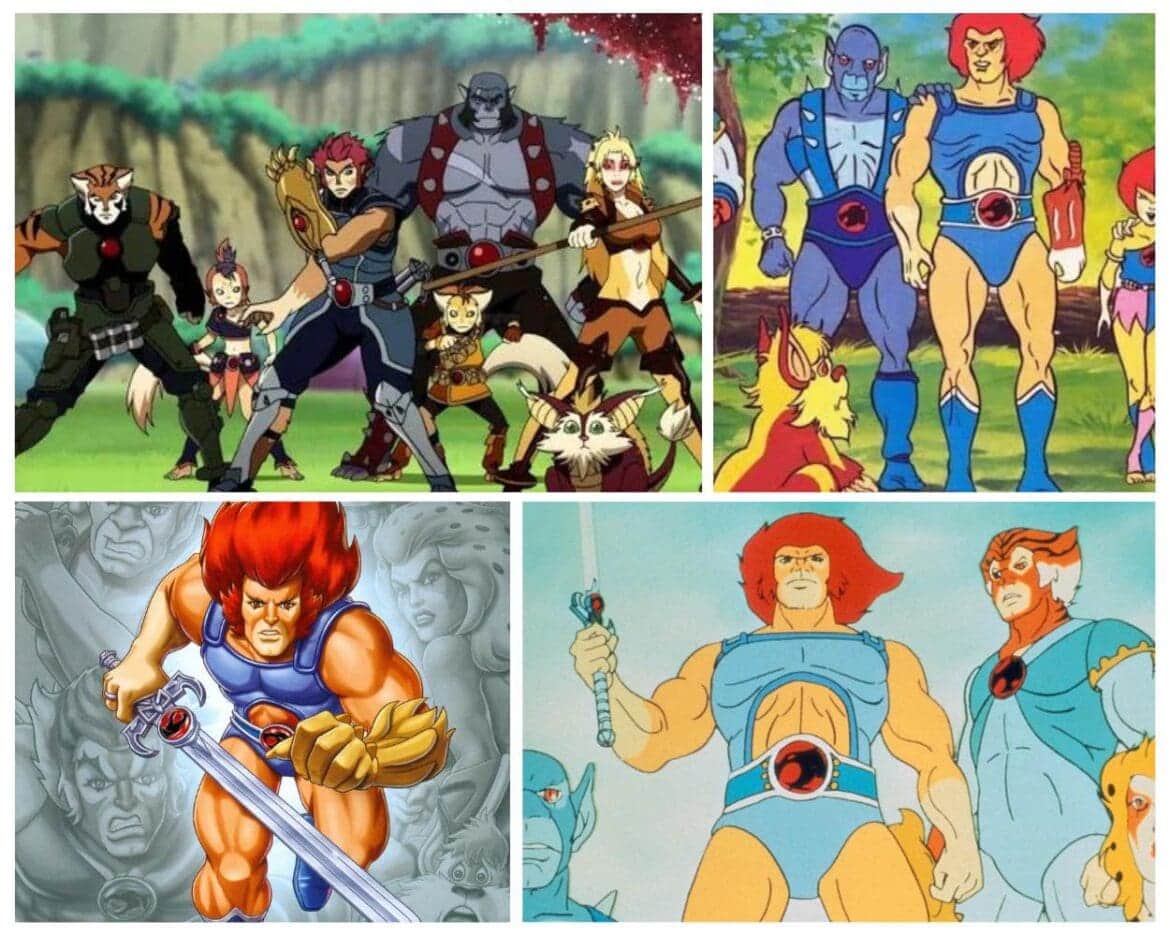
Plot twist that took 90s kids decades to learn: ThunderCats was animated in Japan. The 1985-1989 Rankin/Bass production was produced and voiced in America, but the animation work was done by Pacific Animation Corporation, a Japanese studio later acquired by Disney that worked on numerous anime productions including the first Transformers movie.
This is why ThunderCats looks the way it does. The detailed character designs, the dynamic action sequences, the moody background art. It was literally anime in everything but its country of origin and writing. The 2011 reboot was also animated by Studio 4°C, the Japanese studio behind Mind Game (2004) and various anime films.
12Hi Hi Puffy AmiYumi
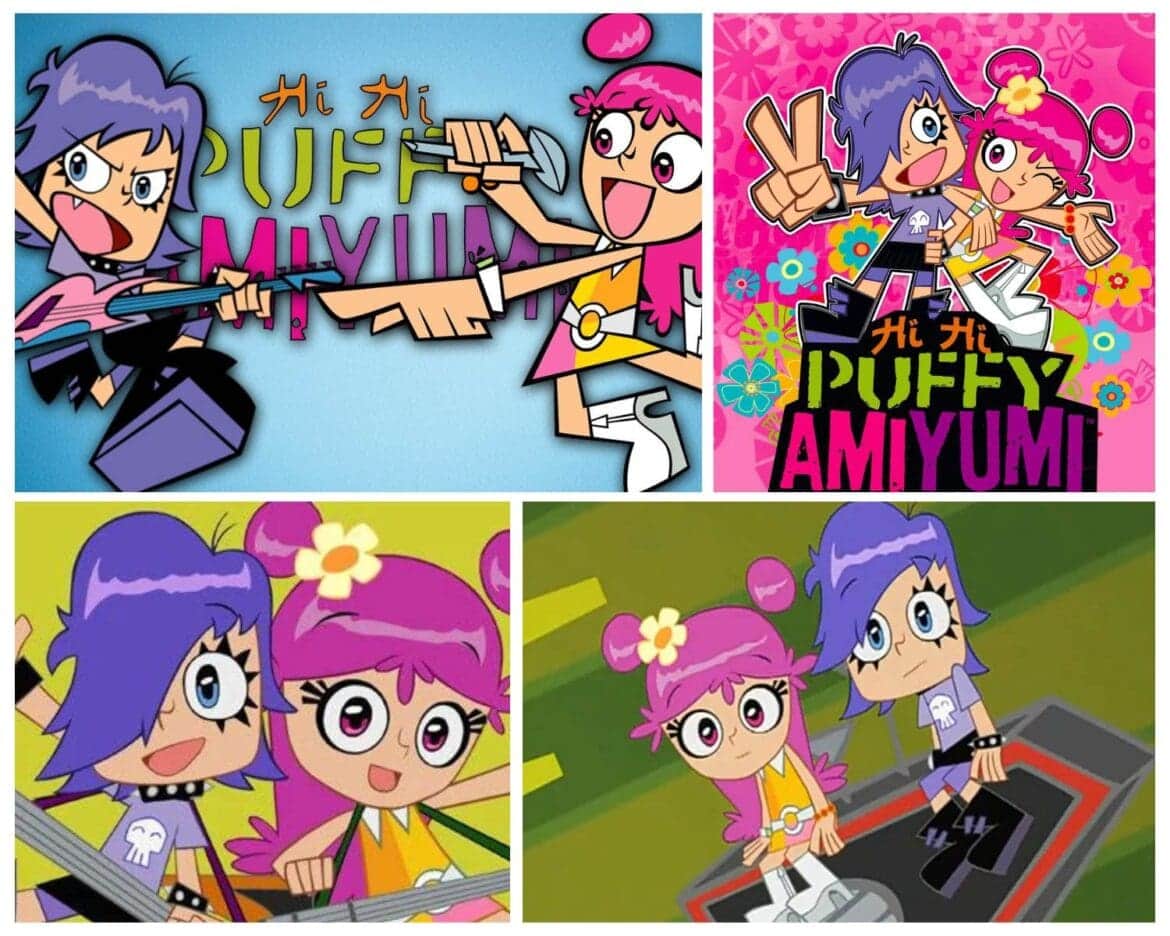
The 2004-2006 Cartoon Network series was based on the real Japanese pop duo Puffy AmiYumi (Ami Onuki and Yumi Yoshimura). The cartoon adapted their personalities and aesthetic into a hyper-stylized anime-influenced visual language. Large eyes, exaggerated expressions, vibrant color palettes, all the standard anime visual vocabulary.
Sam Register created the show as part of Cartoon Network’s mid-2000s attempt to push anime-style programming. It’s one of the most explicitly anime-aesthetic American shows of its era, designed deliberately to look like its Japanese inspiration.
Anime Influence Worn More Subtly
11Steven Universe
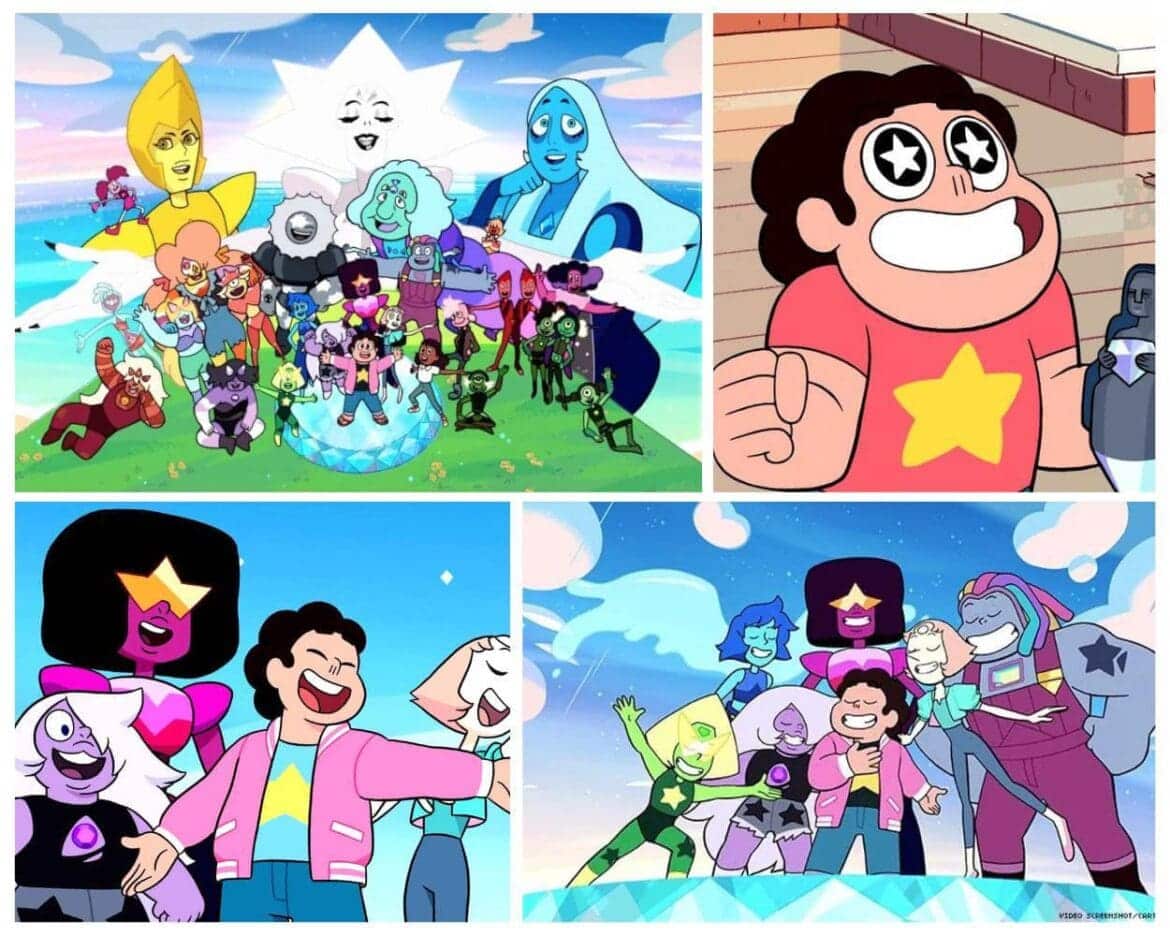
Rebecca Sugar‘s 2013-2019 Cartoon Network series wore its anime influence proudly. The Gems’ fusion mechanic is essentially Dragon Ball Z fusion. The episode structure of slow-burn emotional development between action set pieces is pure shonen. The visual references to Revolutionary Girl Utena (1997) and Sailor Moon (1992) are explicit and intentional.
Sugar herself has talked extensively about her anime influences in interviews. Steven Universe is what happens when an American animator who loved anime growing up makes a show on her own terms. It’s both quintessentially anime-influenced and quintessentially American.
10She-Ra and the Princesses of Power (2018-2020)
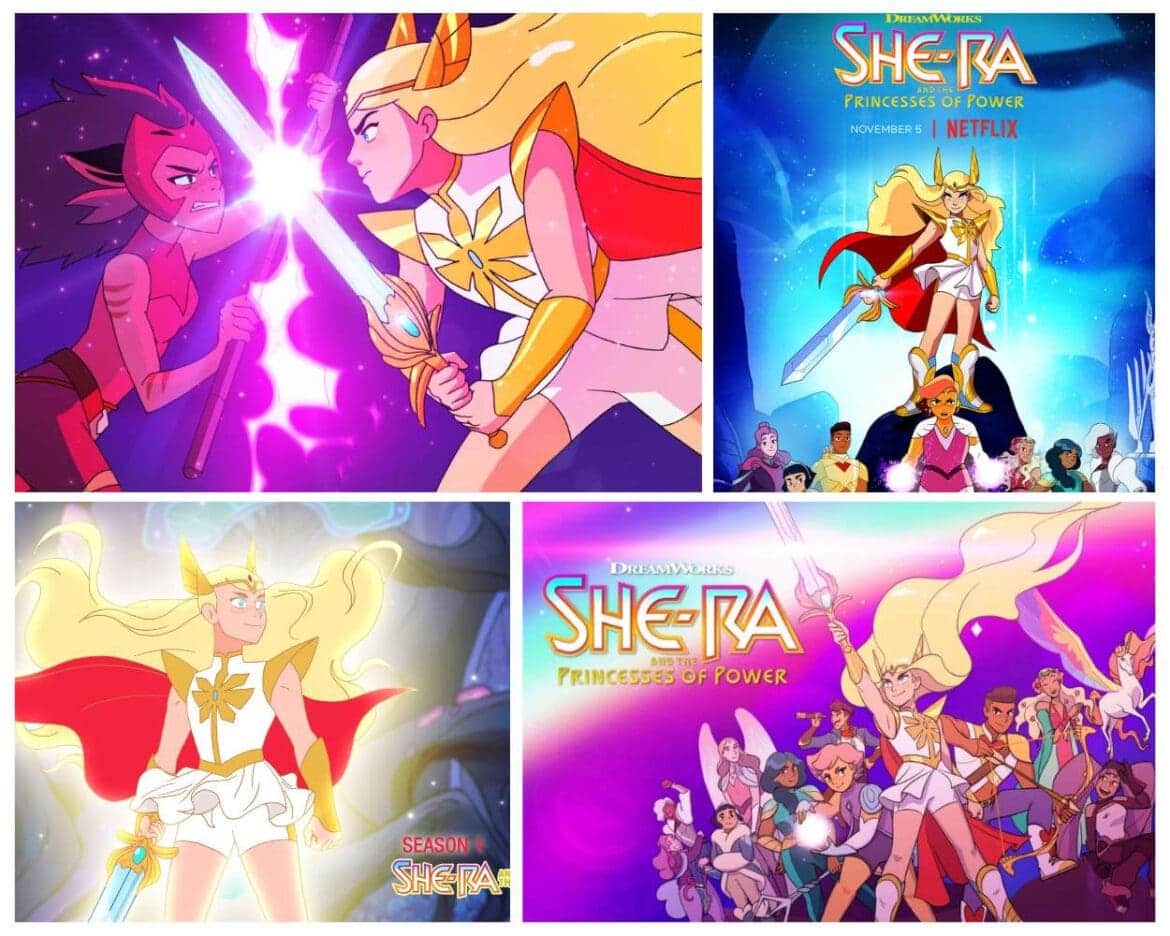
Noelle Stevenson‘s reboot of the 1985 series for Netflix and DreamWorks Animation built on the original She-Ra’s already-significant anime influences (the magical girl transformation, the team dynamics) while adding new layers from modern anime sensibilities. The Catra/Adora dynamic in particular is rooted in anime relationship-arc structure.
Five seasons, deeply serialized storytelling, complex character development. Modern anime conventions filtered through a thoroughly Western show.
9Star vs. the Forces of Evil
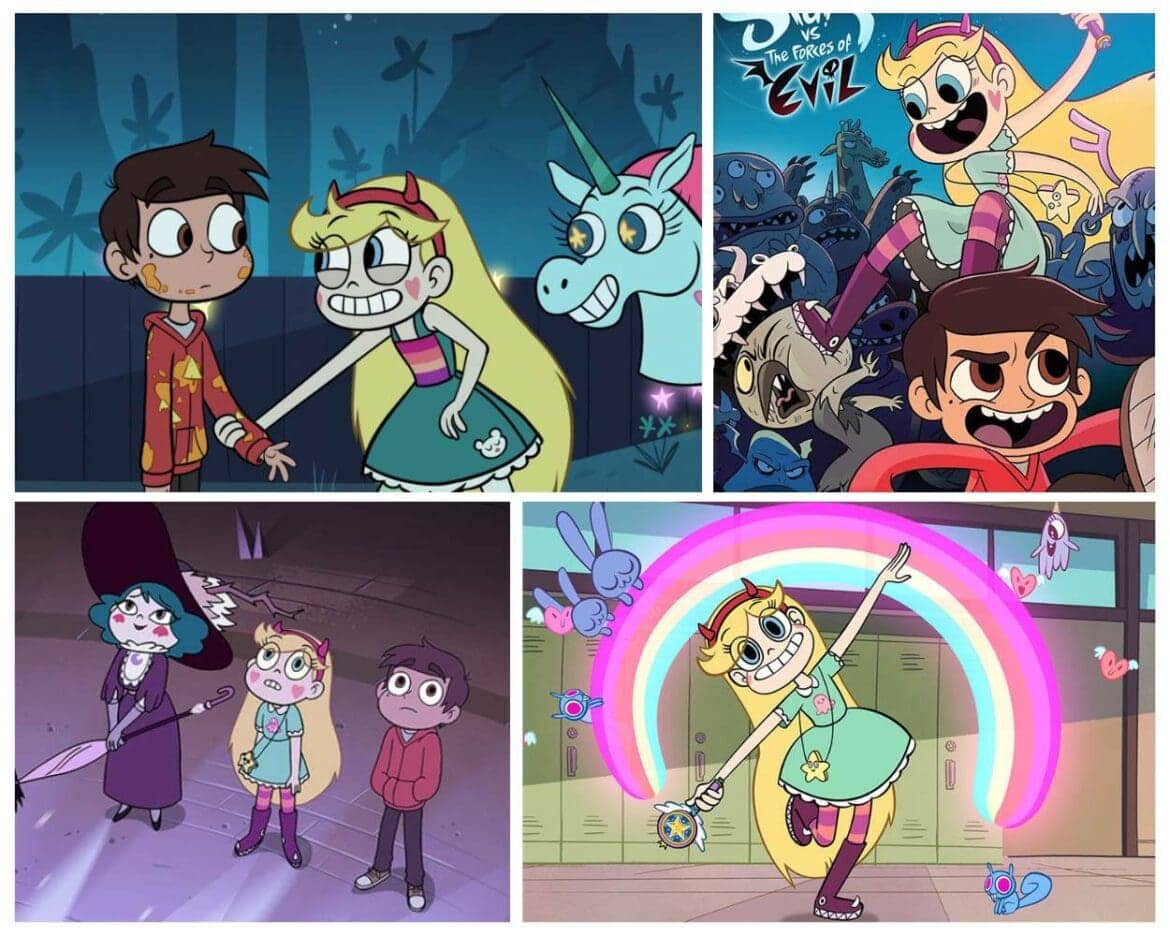
The 2015-2019 Disney XD series created by Daron Nefcy took the magical girl genre template directly from Cardcaptor Sakura and Sailor Moon and recontextualized it within Disney Channel’s aesthetic sensibilities. Star Butterfly is a transferring magical princess from another dimension with a powerful magical wand and a heart-shaped marking on her cheek. It’s almost unhidden as an influence.
The show evolved into something more original over its four seasons, but the magical girl bones remain visible throughout.
8The Powerpuff Girls (1998-2005)
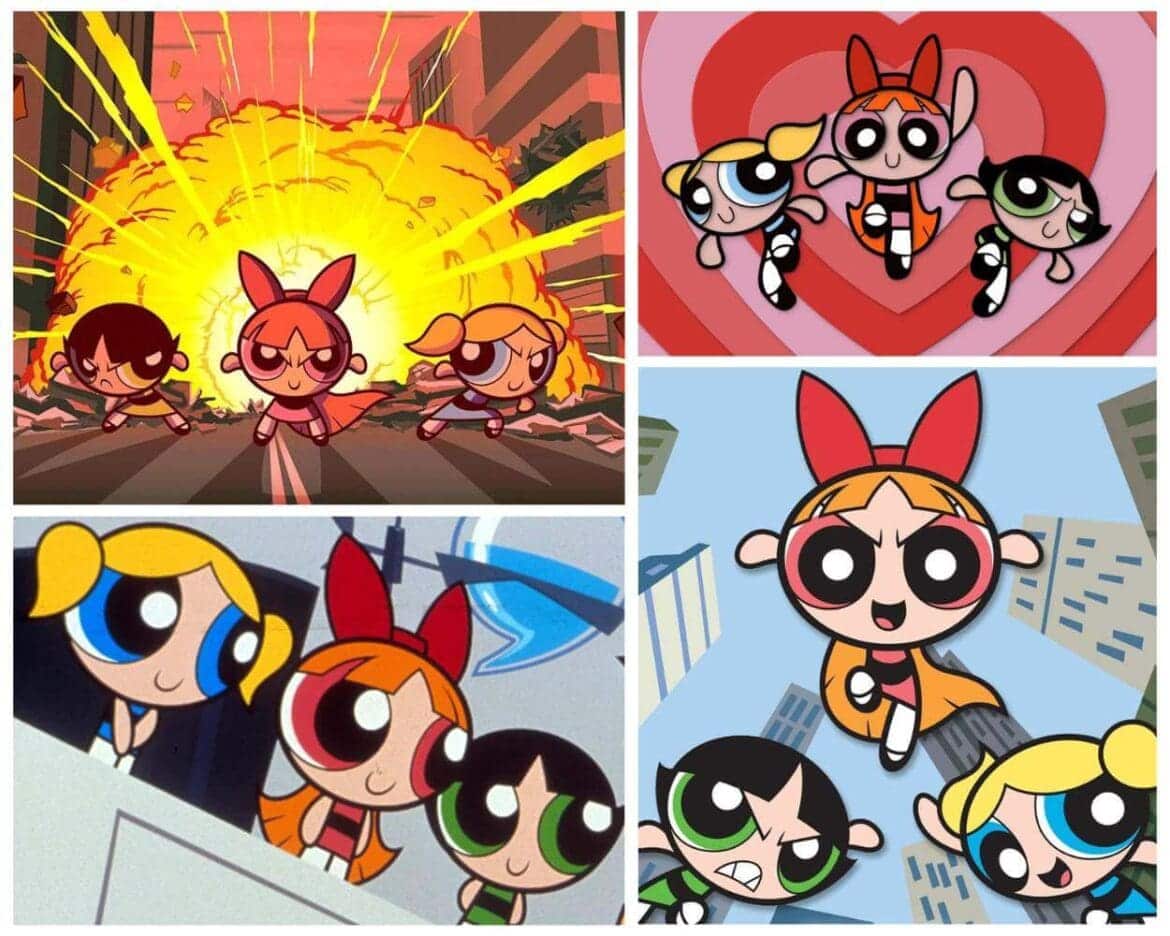
Craig McCracken has been explicit about citing Speed Racer (1967) and Astro Boy (1963) as primary influences on the Powerpuff Girls’ design. The big-eyed character work, the speed lines during action sequences, the over-the-top reactions, the urban superhero structure. All of it comes from 60s and 70s anime that McCracken watched as a kid.
The show ran for six seasons on Cartoon Network and had its own theatrical film in 2002. McCracken later created Wander Over Yonder and Kid Cosmic, both of which retain similar anime influences.
7Big Hero 6 (TV series)
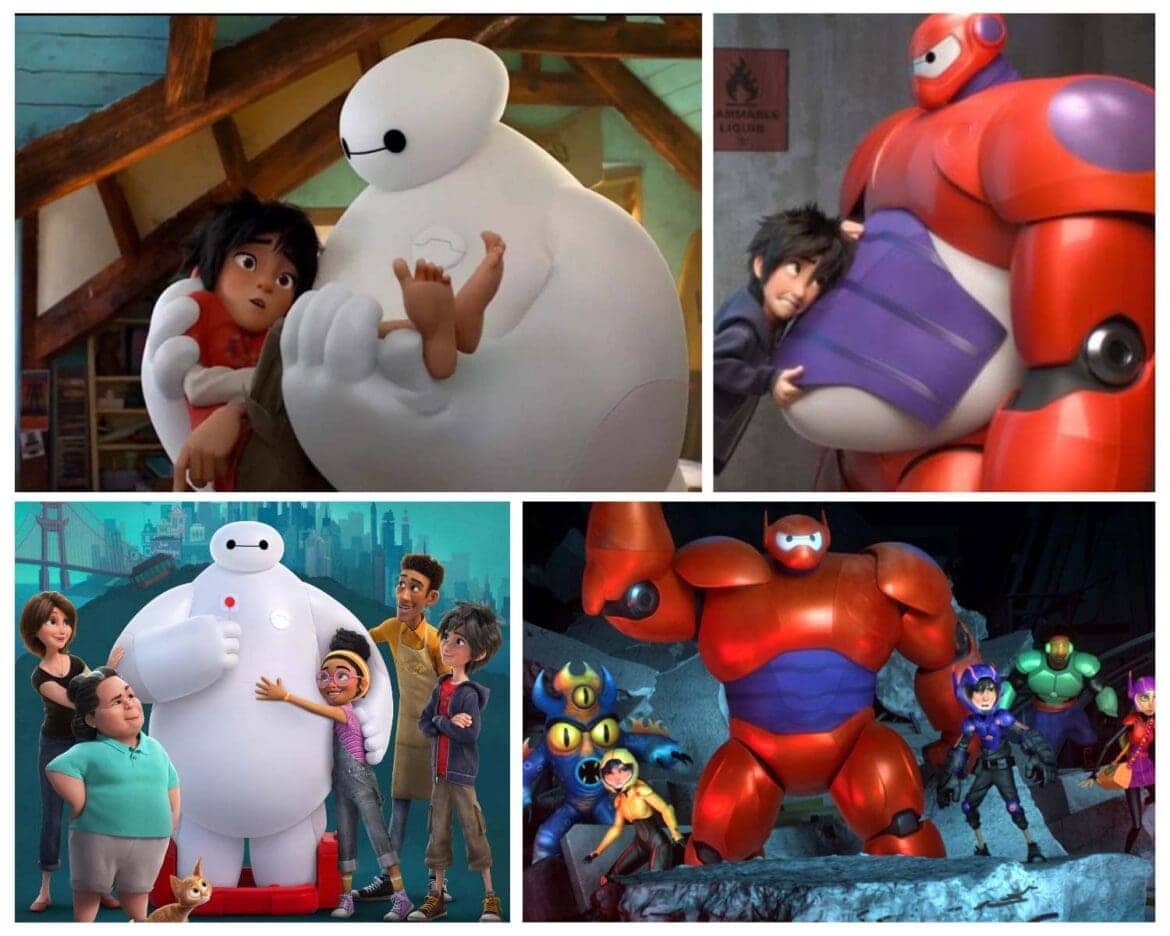
The 2017-2021 Disney XD series picks up after the events of the 2014 film. The setting is literally called “San Fransokyo” — a hybrid of San Francisco and Tokyo. The show’s character designs blend Disney sensibilities with chibi-style proportions during emotional moments, and the action sequences borrow heavily from mecha anime conventions for Baymax’s fight choreography.
The whole franchise is built on the East-meets-West premise. The cartoon series leans into this more explicitly than the film.
6Kim Possible
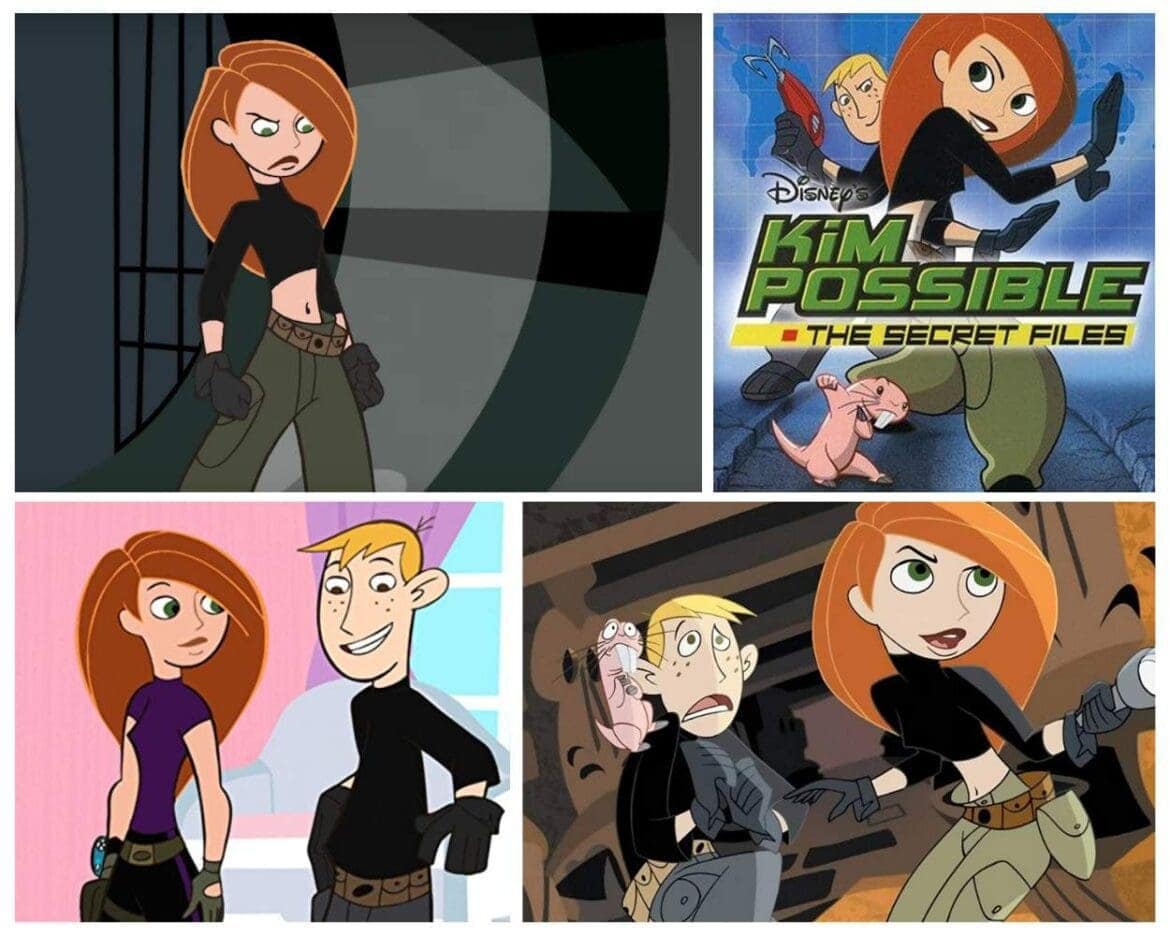
The 2002-2007 Disney Channel series created by Mark McCorkle and Bob Schooley was Disney’s attempt at the high school superhero genre with clear anime conventions. Exaggerated action poses. Expressive face animation that switches into anime-style reactions during comedic moments. A teenage protagonist balancing school life with secret missions.
It’s not as openly anime-influenced as Teen Titans, but the structural DNA is there. Four seasons plus a 2019 live-action Disney Channel movie.
5Danny Phantom
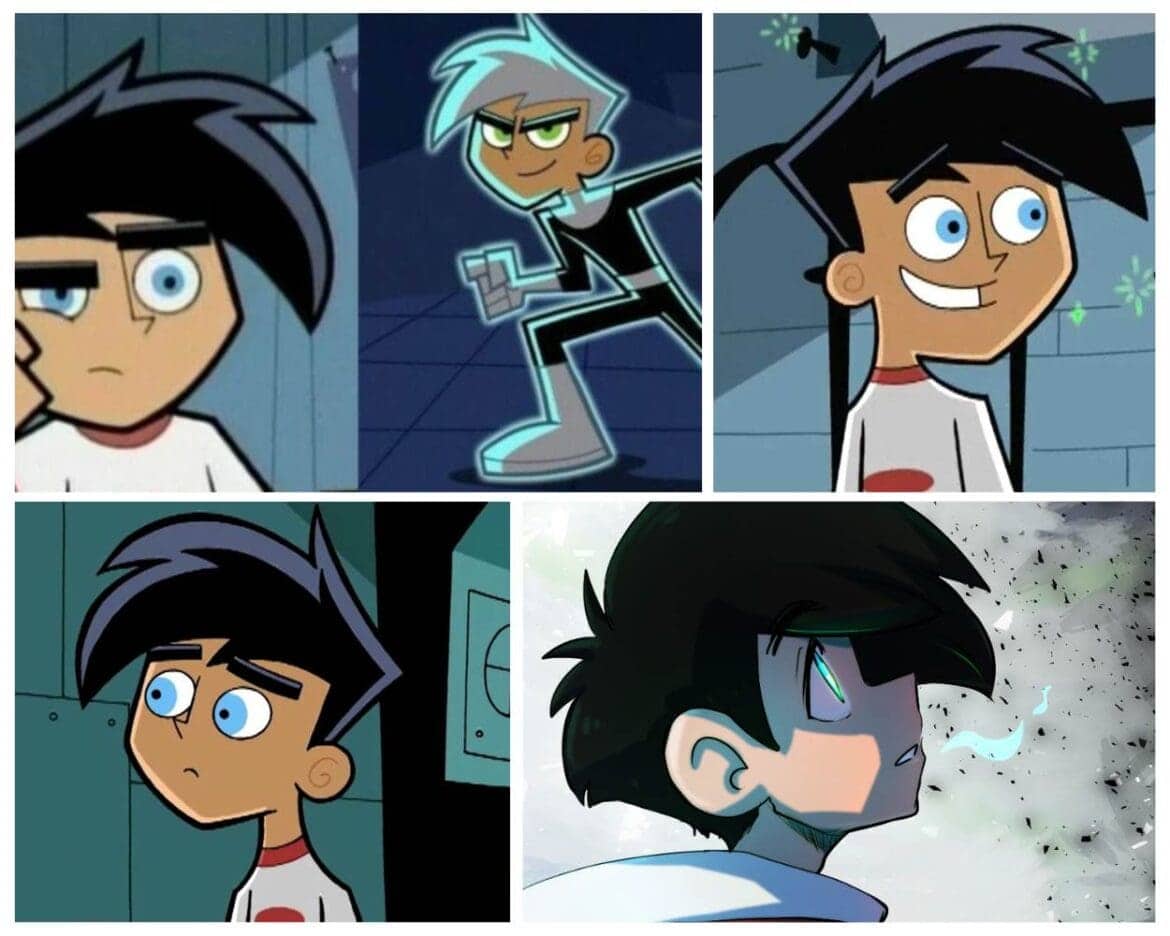
Butch Hartman‘s 2004-2007 Nickelodeon series borrowed the magical girl transformation sequence and turned it into a male teen ghost hero transformation. Danny’s transformation effects, action sequences, and ghost villain designs all draw from anime visual vocabulary.
The high school setting and teenage relationships ground the show in American teen sitcom conventions, but the supernatural action plays as straight-up shonen anime.
4Ultimate Spider-Man (2012-2017)
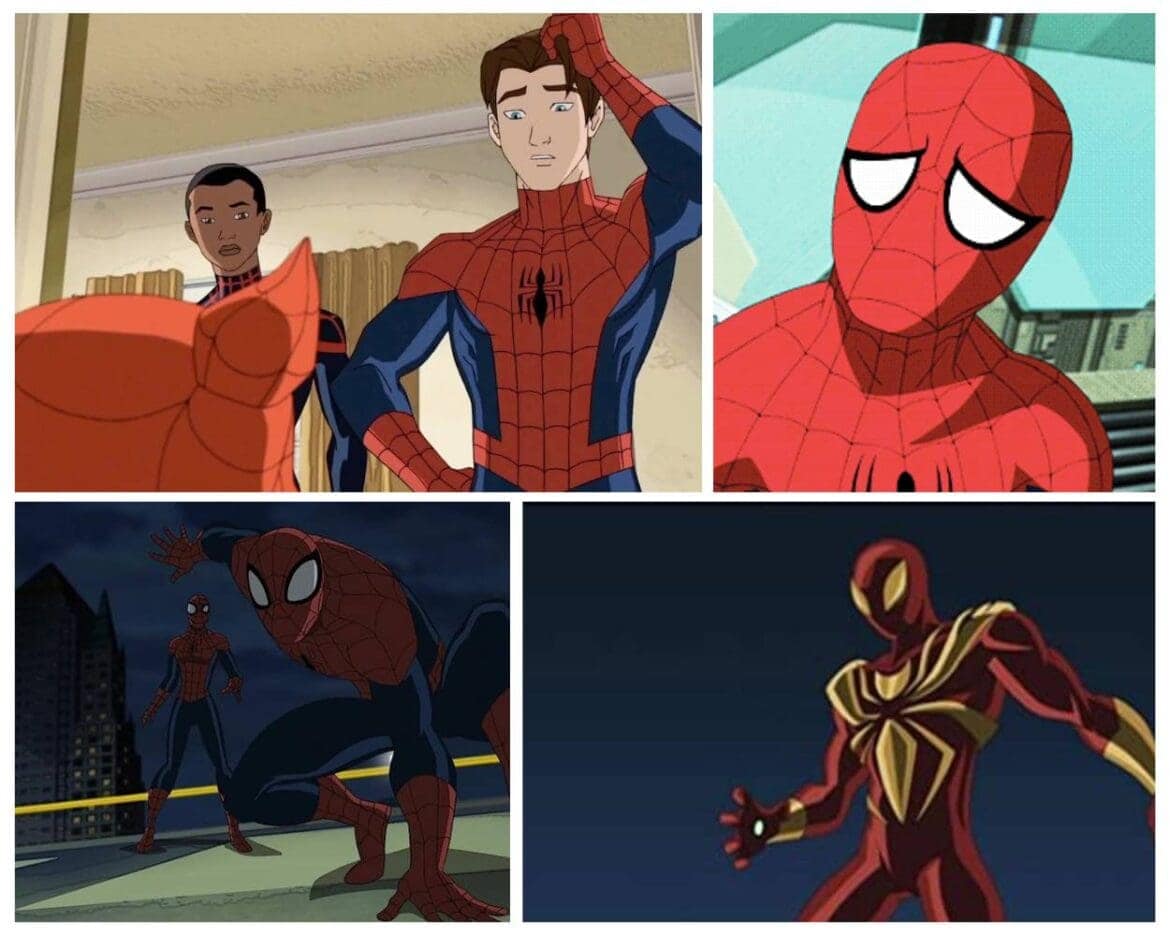
The Disney XD Marvel series leaned hardest into anime visual gags of any superhero cartoon of its era. Chibi cutaways, dramatic wide-eyed reactions, the dream-bubble fantasy sequences, the squiggly emotional indicator lines, the comedic sound-effect screech of a monkey for unexpected events.
Ultimate Spider-Man was the most explicit Disney XD show to deliberately incorporate Japanese visual comedy conventions into a Western superhero framework. The result was divisive among comic fans but distinctive in the broader animation landscape.
3Adventure Time
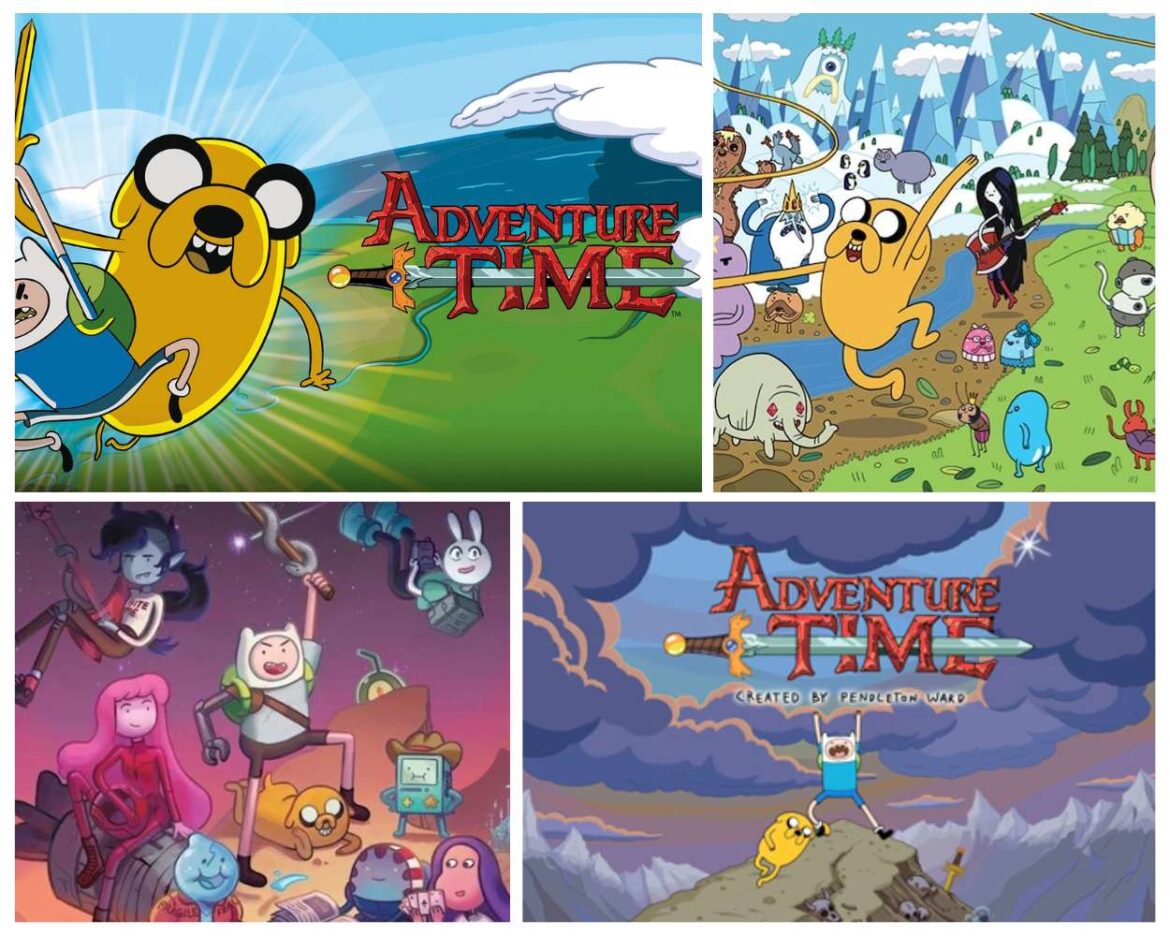
Pendleton Ward‘s 2010-2018 Cartoon Network series wore its anime love quietly but consistently. Multiple episodes are explicit homages to Japanese animation, including the “Bad Little Boy” episode that pays direct tribute to Cowboy Bebop’s framing, and various Studio Ghibli visual references throughout.
The show’s emotional pacing (sudden shifts from absurdist comedy to genuine melancholy) is rooted in Ghibli sensibilities. The character writing for Finn and Jake’s various adventures borrows from anime episodic structure even when the surface aesthetic looks distinctly American.
2Gravity Falls
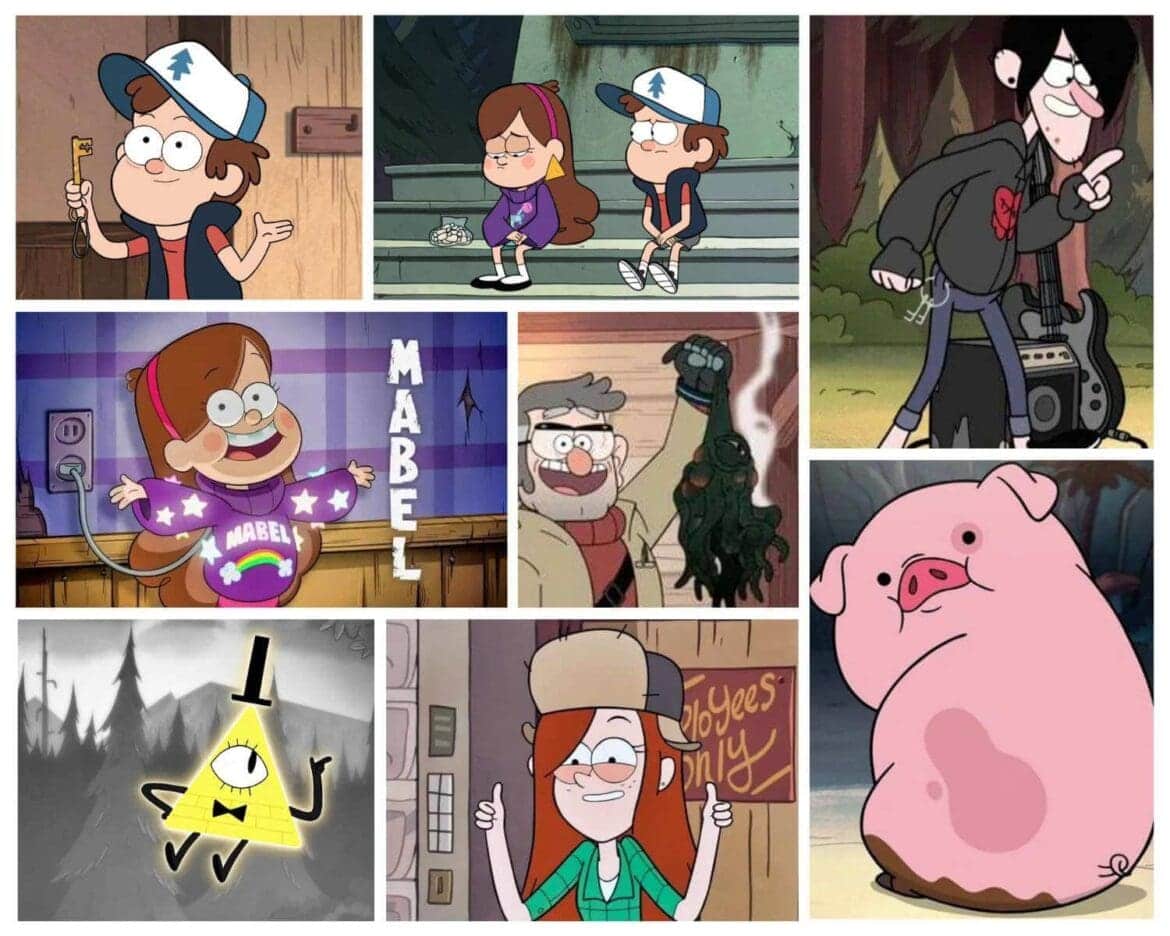
Alex Hirsch‘s 2012-2016 Disney Channel series doesn’t look anime-influenced on the surface. But the dense, multi-season mystery structure, the willingness to commit to character development across long arcs, and the supernatural worldbuilding all draw from anime sensibilities more than typical American TV cartoon conventions.
The show’s deeply serialized structure (rare for Disney Channel in 2012) reflects the anime influence on younger American animators of Hirsch’s generation. By the 2010s, “growing up on anime” was a default for animation creators, and Gravity Falls is what that generational shift looked like.
1Winx Club
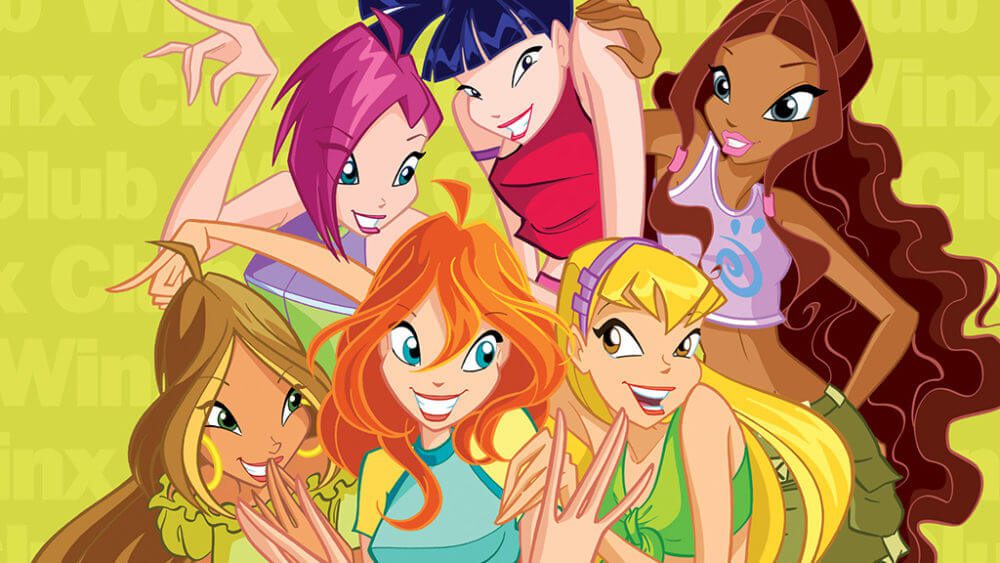
A bit of a cheat for an “American cartoons” list, since Winx Club is actually an Italian production by Iginio Straffi‘s Rainbow S.p.A. The 2004-2014 (and revived since 2019) series is a hybrid of European fashion-illustration aesthetics and Japanese magical girl conventions. The character designs are Italian fashion illustration meets Sailor Moon.
Winx Club has been broadcast internationally including on Nickelodeon in the US, where it built a substantial fanbase. The Netflix live-action adaptation Fate: The Winx Saga (2021-2022) was based on it. Worth including on any anime-influenced cartoon list, even if it crosses national borders.
What Western Cartoons Took From Anime
The influence isn’t random. Western animation borrowed specific elements from Japanese animation that fit the kind of stories American studios wanted to tell:
- ✅ Serialized storytelling. The week-to-week continuity that Avatar, Steven Universe, and Adventure Time used was unusual for American TV cartoons before anime opened the door. Anime had been doing multi-season story arcs for decades before Western animators caught up.
- 💡 Emotional vulnerability in male protagonists. Anime had been giving male protagonists genuine emotional ranges long before Western cartoons let their male leads cry. Zuko, Steven Universe, Finn the Human, and others all benefited from that anime-derived permission to feel.
- 🔥 Character-driven action. Western fight scenes used to be impersonal slugfests. Anime taught Western animators to make every action sequence character work. The way Avatar’s bending battles are choreographed around personality and emotional state is pure anime influence.
- ✅ Visual comedy through stylistic shifts. The chibi cutaway, the speed lines, the dramatic eye close-ups for comedic effect. These are anime conventions that became Western cartoon staples in the 2000s and 2010s.
- 💡 Worldbuilding ambition. Avatar’s Four Nations. Steven Universe’s Homeworld and the Gem hierarchy. RWBY’s Remnant. Voltron’s universe. These deeply built fictional worlds owe their ambition to anime conventions that prioritized worldbuilding over episodic resets.
The broader point is that anime didn’t just influence Western cartoons cosmetically. It changed how Western animators thought about what cartoons could be. The serialized stories, the emotional weight, the mature themes, the visual ambition — Western animation in 2025 is genuinely different from Western animation in 1995 because of how thoroughly anime ideas got absorbed into the medium.
The “is it anime or is it a cartoon” debate is dumb. It’s all just animation, all just storytelling, all just art that crosses borders and influences other art. The 19 shows above are great because they took the best of two animation traditions and built something new with the combination. That’s how culture has always worked.