Controversial characters in cartoons are interesting because they show how much animation has changed over time.
Some characters were made for satire.
Some were built around shock humor.
Some were meant to be harmless jokes, but later audiences saw them differently.
And some were controversial almost from the start.
I think this topic is worth looking at carefully because cartoons are not just “kids’ stuff.”
They can shape how people think about humor, culture, family, identity, and stereotypes.
- Some characters divide fans.
- Some characters raise questions about representation.
- Some characters push jokes too far.
- Some characters are loved and criticized at the same time.
- Some characters show how old cartoons can age in complicated ways.
This list is not about saying every character here is bad.
It is about why these characters started conversations.
14 Controversial Characters in Cartoons
Cartoon controversy can come from many places.
Sometimes it is about a character’s behavior.
Sometimes it is about stereotypes.
Sometimes it is about how fans react to a character being added to a show.
And sometimes it is about whether the joke still works today.
Here are 14 controversial characters in cartoons that continue to spark debate.
1. Eric Cartman – South Park
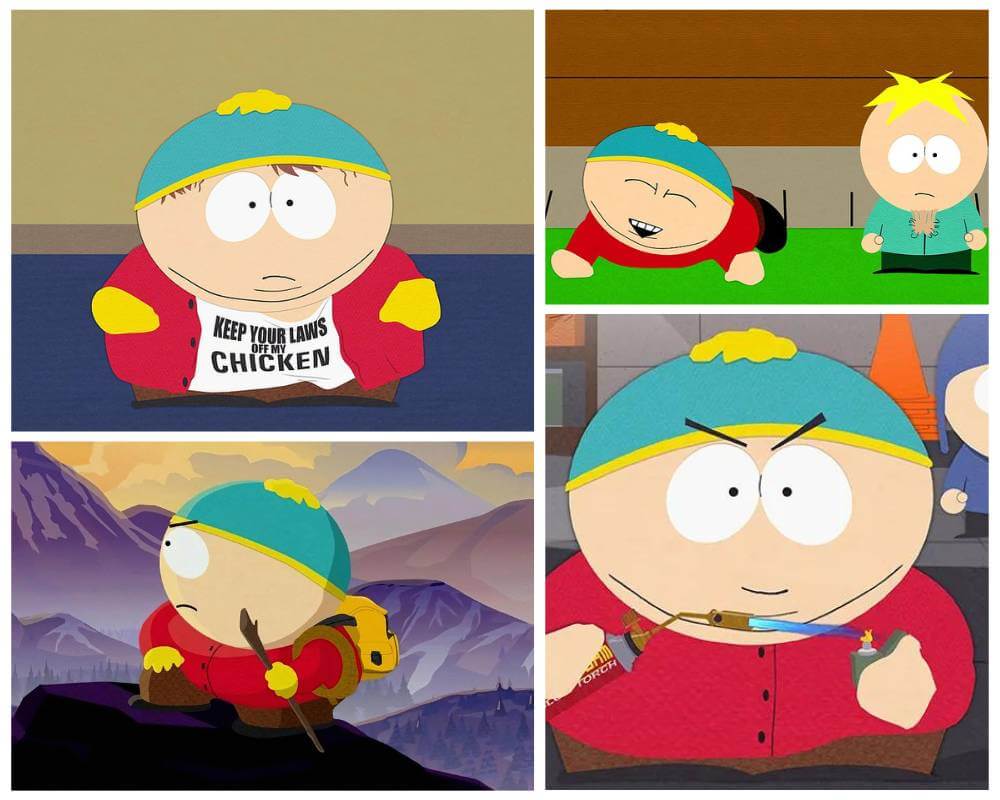
Eric Cartman is one of the most controversial cartoon characters ever created.
He is rude, selfish, cruel, manipulative, and offensive by design.
That is the whole point of the character.
Cartman is not meant to be a role model.
He is often used as a way for South Park to exaggerate the worst parts of society.
- He says outrageous things.
- He manipulates his friends.
- He crosses moral lines constantly.
- He is used for shock humor and satire.
- He often makes viewers uncomfortable on purpose.
I think Cartman works as satire when the show makes it clear that he is wrong.
But I also understand why some viewers find him exhausting or harmful.
He is funny to some people because he is extreme.
He is controversial for the exact same reason.
2. Pepe Le Pew – Looney Tunes
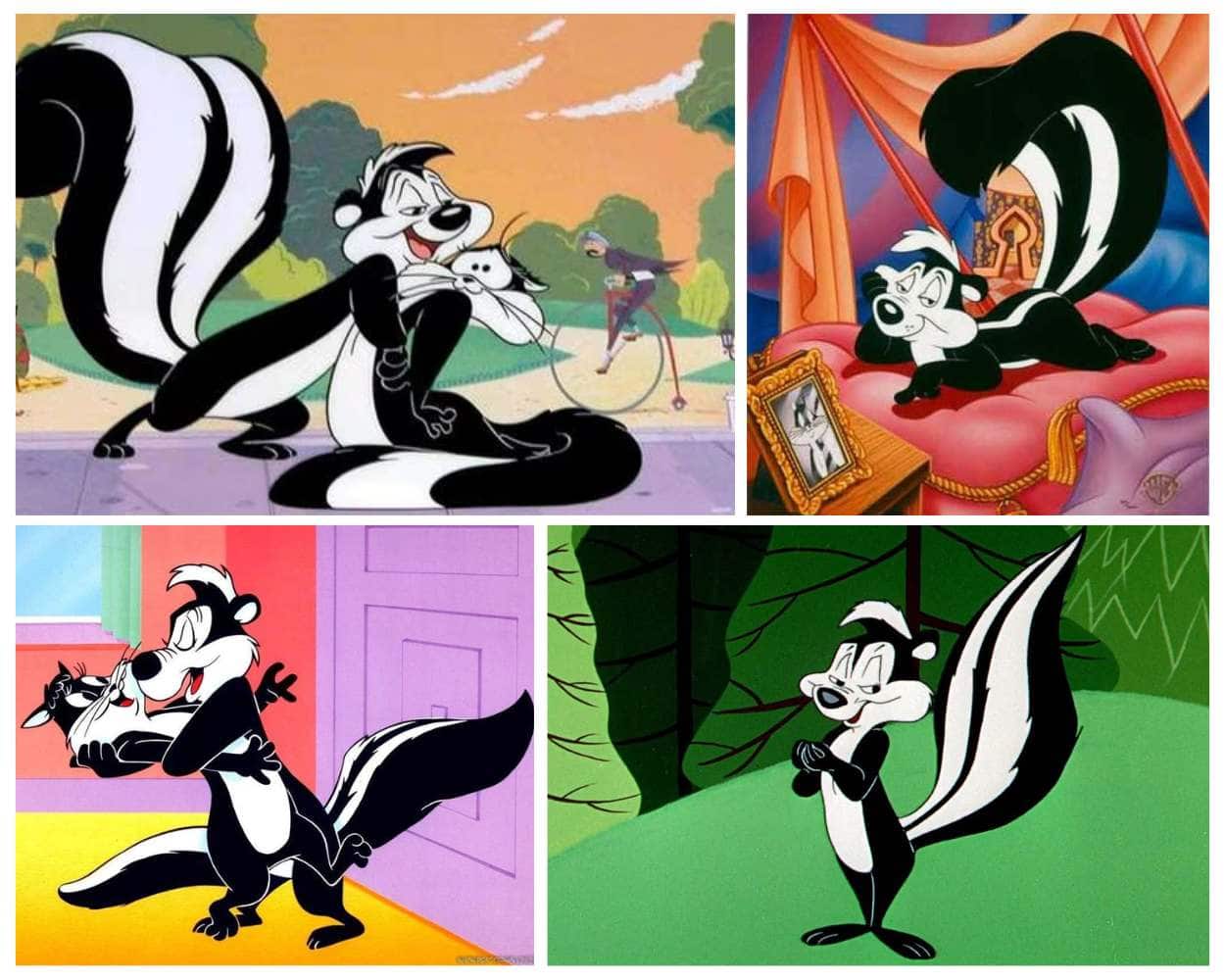
Pepe Le Pew is one of the clearest examples of a cartoon character being reexamined by modern audiences.
For years, he was presented as a romantic skunk chasing love.
But many people now see his behavior differently.
The issue is consent.
- He repeatedly pursues Penelope Pussycat.
- She usually tries to get away.
- The joke depends on unwanted attention.
- Modern audiences often read the gag as uncomfortable.
- The character has become part of a larger debate about old cartoon humor.
I can understand why some people see Pepe as a product of his time.
But I also understand why others feel the joke aged badly.
That is what makes him one of the most debated controversial characters in cartoons.
3. Apu Nahasapeemapetilon – The Simpsons
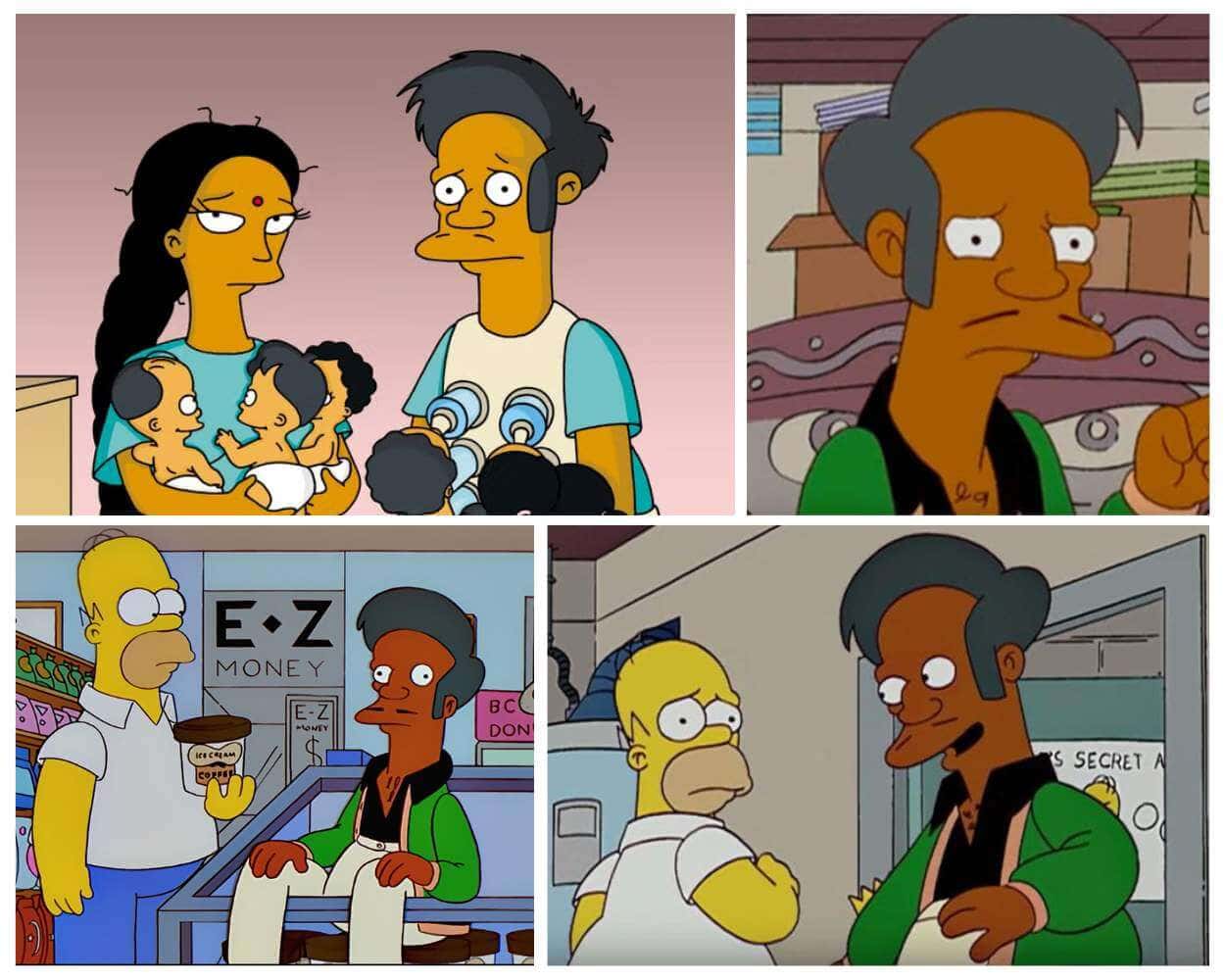
Apu Nahasapeemapetilon from The Simpsons became one of the biggest examples of controversy around representation in animation.
For many years, Apu was a familiar part of the show.
But criticism grew around his accent, job, and portrayal as an Indian immigrant character.
- Critics said he reinforced stereotypes.
- Supporters saw him as part of the show’s broad satire.
- The debate became about cultural representation.
- It also raised questions about voice casting.
- His character became a major case study in how animated comedy ages.
I think Apu’s controversy shows that representation matters.
A character can be beloved by some viewers and still be painful or frustrating for others.
Both reactions can exist at the same time.
4. Scrappy-Doo – Scooby-Doo
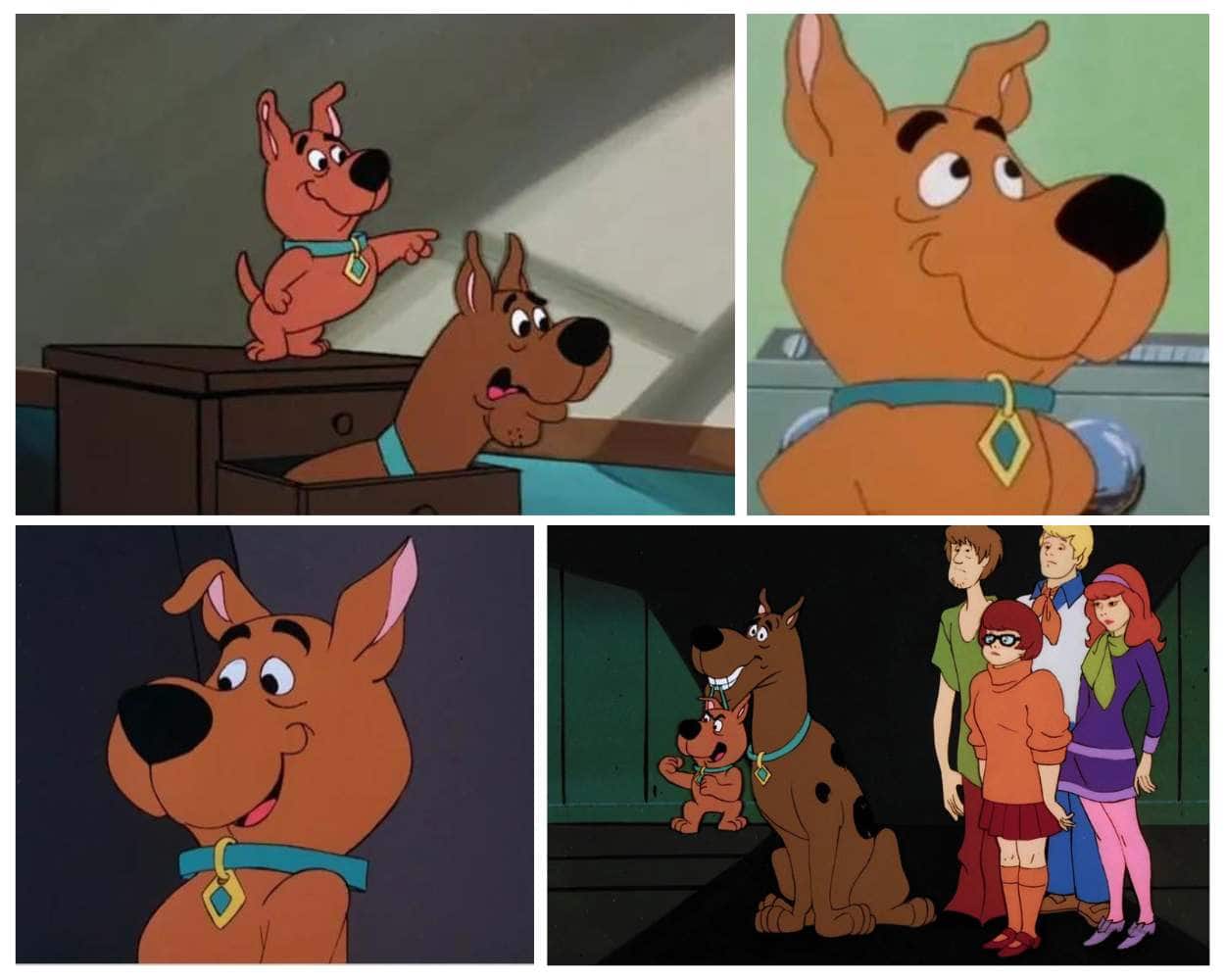
Scrappy-Doo is a different kind of controversial cartoon character.
His controversy is not really about social issues.
It is about fan reaction.
Scrappy was introduced to bring new energy to Scooby-Doo.
But many viewers felt he changed the tone of the show too much.
- He was louder than the original gang.
- He was more aggressive than Scooby.
- His “Puppy Power” attitude annoyed many fans.
- Some viewers felt he disrupted the group dynamic.
- He became a symbol of a character addition that divided audiences.
I actually think Scrappy is fascinating because he shows how risky it can be to add a new character to a beloved series.
Even if the goal is to refresh the show, fans may not accept the change.
5. Prince Zuko – Avatar: The Last Airbender
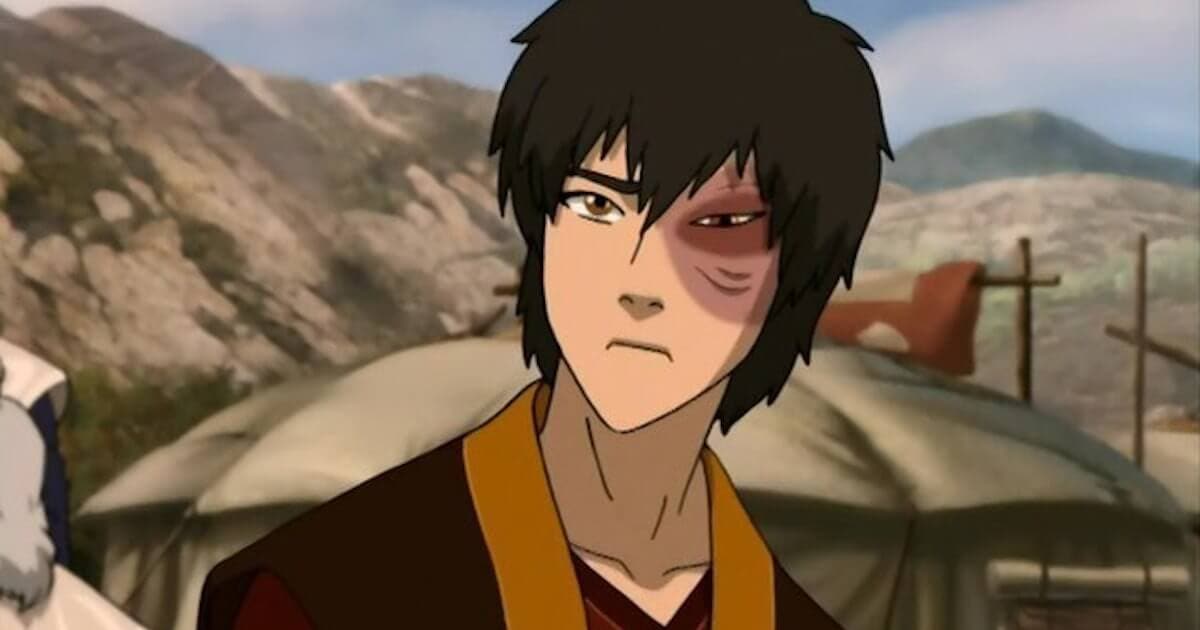
Prince Zuko is not controversial in the same way as many others on this list.
In fact, many fans see him as one of the best-written characters in animation.
The debate comes from his redemption arc.
Zuko begins as an antagonist, chasing Aang and trying to regain his honor.
Over time, he changes.
- Some viewers praise his growth.
- Some question how redemption stories handle past harm.
- His arc raises questions about accountability.
- His story also shows the impact of abuse and family pressure.
- His transformation is emotional, but not instant.
I personally think Zuko’s arc works because the show makes him struggle for change.
He does not become good overnight.
He has to face what he has done.
That is why the conversation around him is more thoughtful than simply “controversial.”
6. Brian Griffin – Family Guy
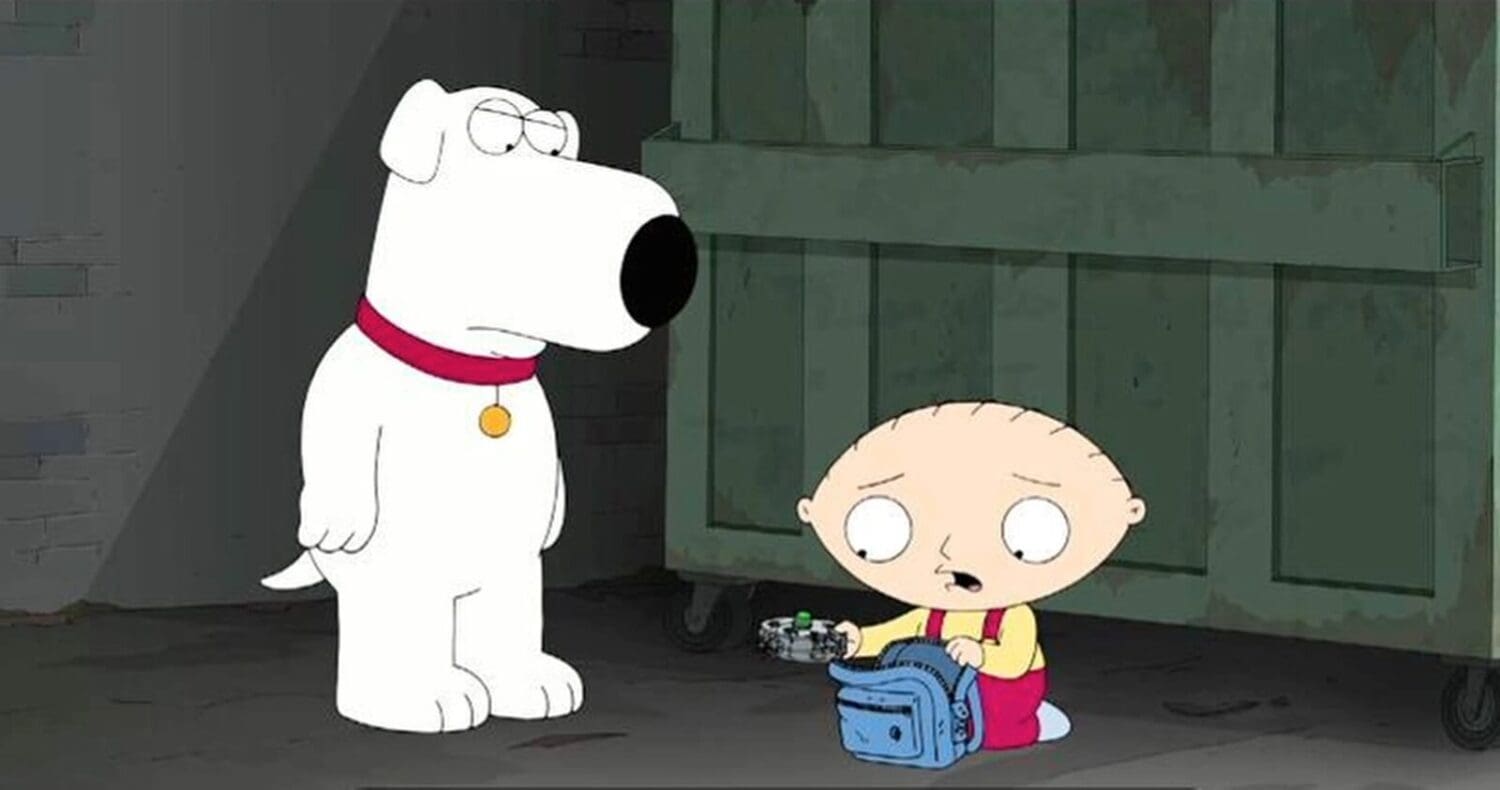
Brian Griffin from Family Guy is often written as intelligent, political, and cultured.
But the show also uses him to parody pretentiousness.
That makes him divisive.
- He can be thoughtful.
- He can also be smug.
- He often makes selfish choices.
- His politics and lifestyle become part of the joke.
- Some fans see him as satire, while others find him irritating.
I think Brian is controversial because he often wants to be seen as the moral voice in the room.
But he does not always live up to that image.
That gap between who he thinks he is and how he behaves is where the comedy and criticism meet.
7. Peter Griffin – Family Guy
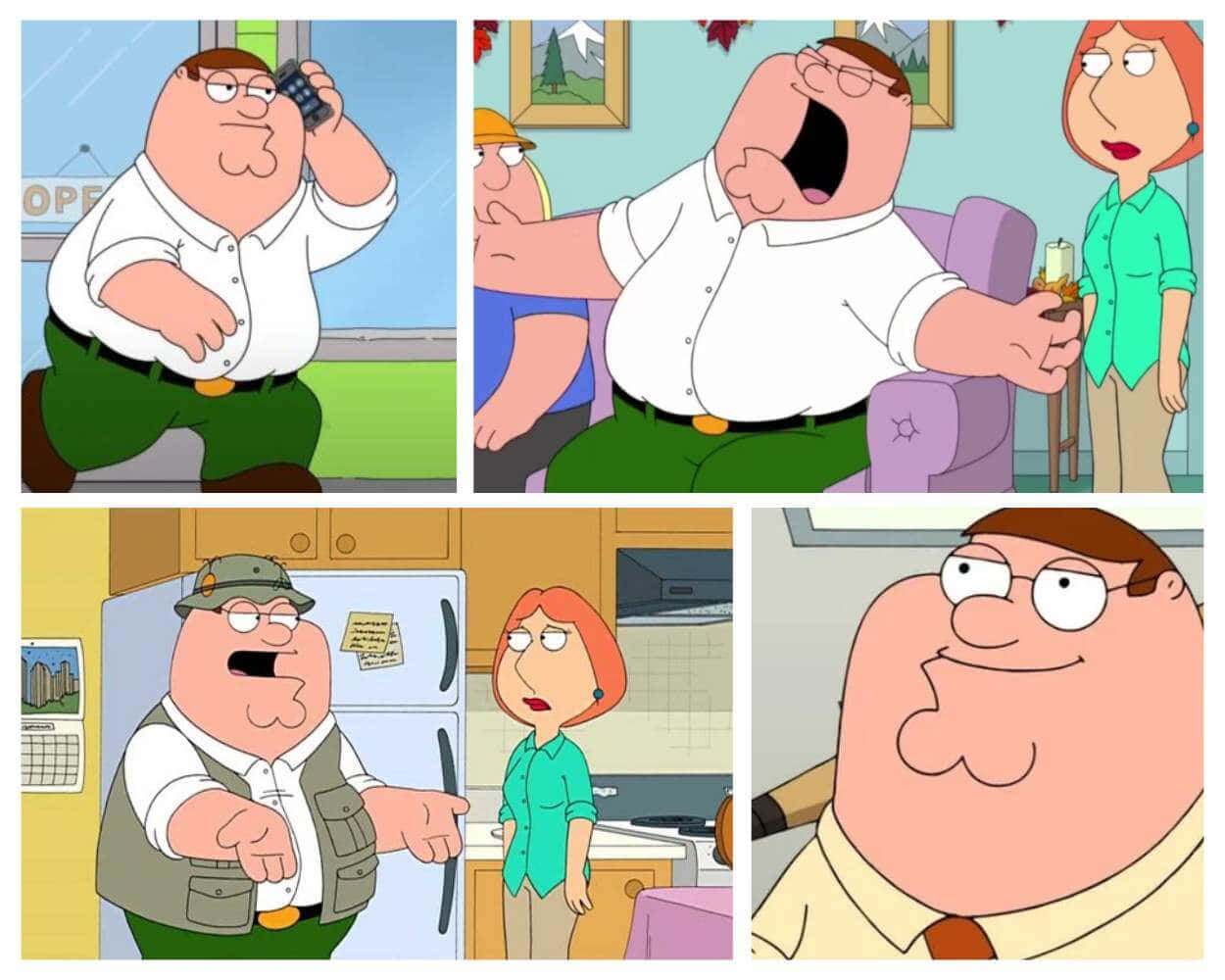
Peter Griffin is another Family Guy character who regularly sparks debate.
He is designed as a parody of the sitcom father.
But his behavior often goes far beyond normal cartoon foolishness.
- He is irresponsible.
- He is reckless.
- He often says offensive things.
- He makes dangerous decisions.
- He is used to push absurd comedy to extremes.
For some viewers, Peter is funny because he is ridiculous.
For others, the jokes can feel lazy or mean-spirited.
I think that is the constant tension with adult animated comedy.
It can be sharp satire, but it can also cross into humor that turns people away.
8. Stewie Griffin – Family Guy
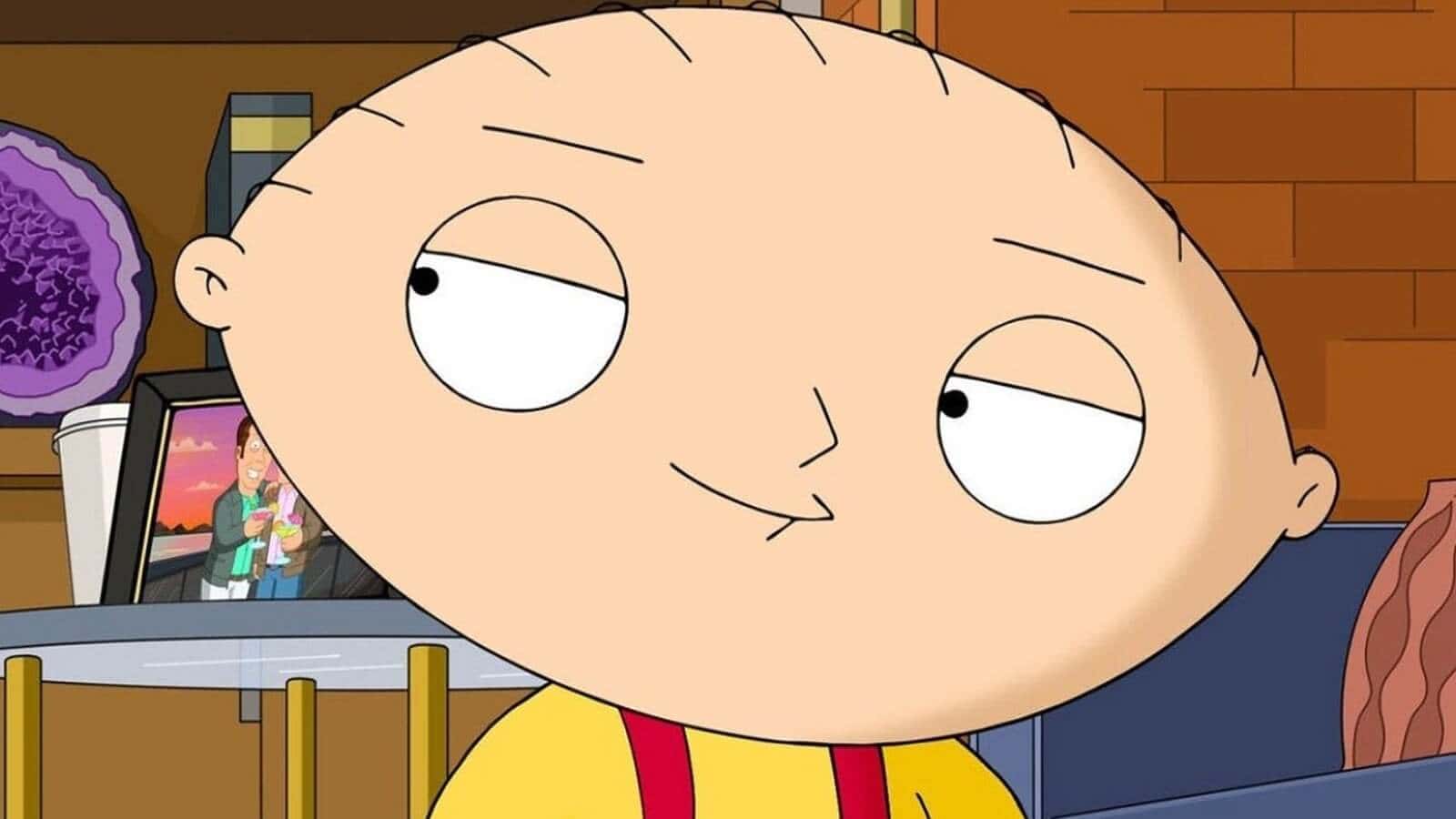
Stewie Griffin is controversial because he takes the idea of a cartoon baby and makes it dark.
Instead of being innocent, Stewie is brilliant, violent, theatrical, and unpredictable.
- He builds advanced inventions.
- He has violent early storylines.
- He often speaks like an adult.
- His sexuality has been debated by viewers.
- Some jokes around him have been praised, while others have been criticized.
I think Stewie became popular because he was so unexpected.
But the same surprise that made him stand out also made him controversial.
He is a baby character used for adult jokes, and that can easily divide people.
9. Roger Smith – American Dad!
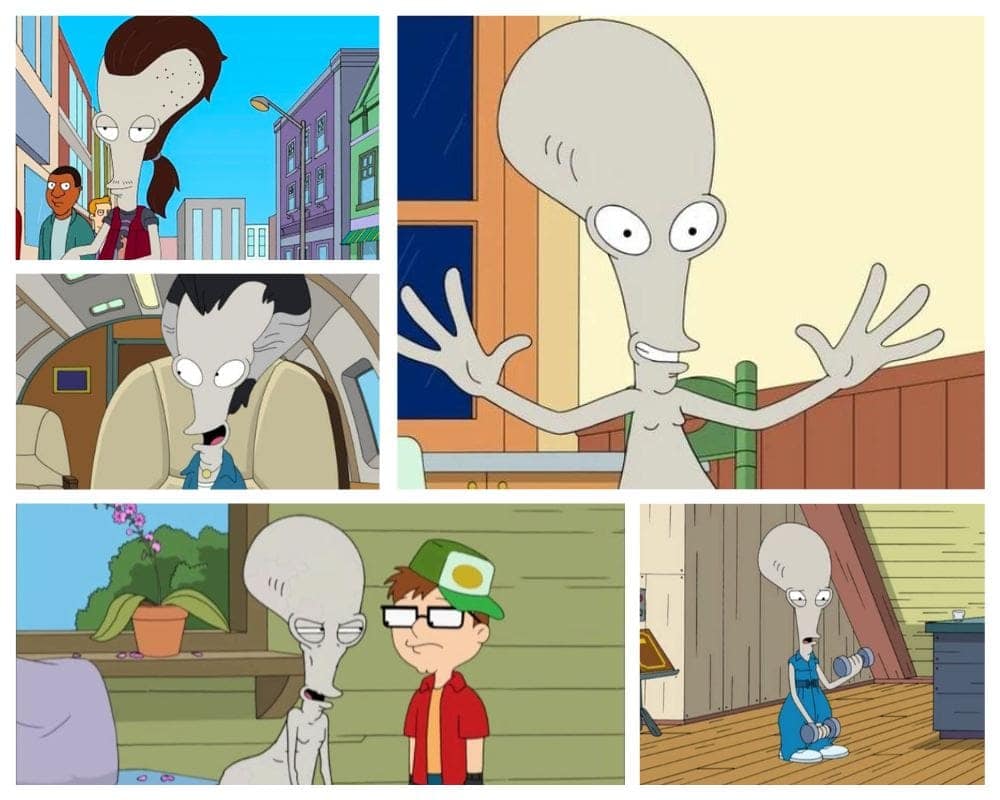
Roger Smith from American Dad! is a chaotic alien with endless disguises and personas.
He can be hilarious.
He can also be deeply unethical.
That is where the controversy comes in.
- He lies constantly.
- He manipulates people.
- He creates extreme personas.
- He crosses moral boundaries for comedy.
- His jokes often depend on shock value.
I think Roger works best when he exposes how absurd human behavior can be.
But he can also push a scene into uncomfortable territory.
That makes him one of the most polarizing adult cartoon characters.
10. Jessica Rabbit – Who Framed Roger Rabbit
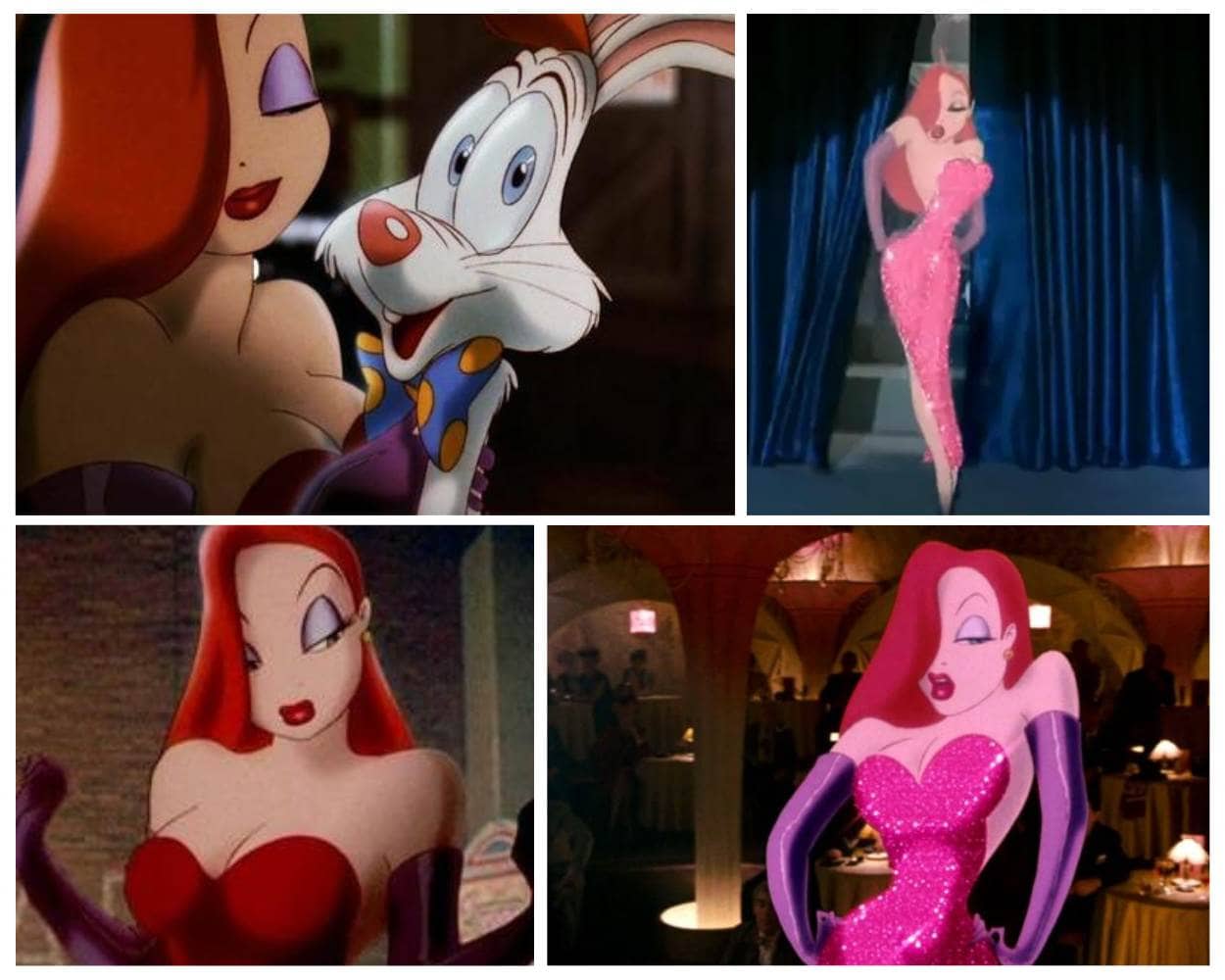
Jessica Rabbit is controversial because people read her in very different ways.
Some see her as a hypersexualized female character.
Others see her as confident, glamorous, and fully aware of how people judge her.
That tension is what keeps the conversation alive.
- Her design is highly exaggerated.
- Her image has been criticized for unrealistic beauty standards.
- Some viewers see her as objectified.
- Others see her as powerful and self-possessed.
- Her famous line challenges the way people judge her appearance.
I think Jessica Rabbit is more layered than she first appears.
The controversy comes from the fact that she is both a fantasy image and a character who pushes back against being judged only by that image.
11. Bart Simpson – The Simpsons
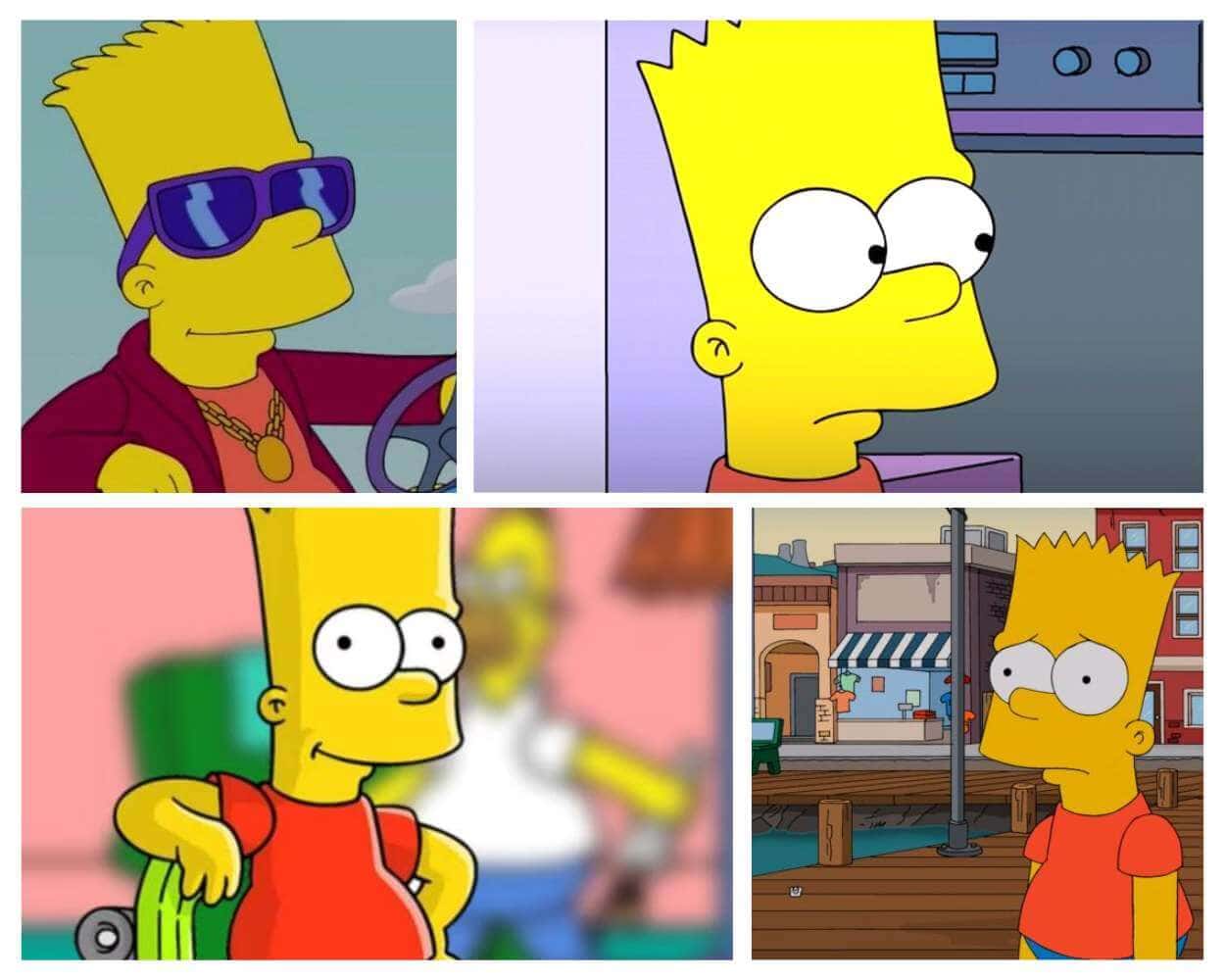
Bart Simpson became controversial very early in The Simpsons history.
He was rebellious, sarcastic, and disrespectful in a way that worried some parents and teachers.
That may seem mild now, but at the time, Bart felt like a challenge to the ideal “good kid” image on television.
- He breaks rules.
- He talks back to adults.
- He pulls pranks.
- He became a symbol of youth rebellion.
- Some people saw him as funny, while others saw him as a bad influence.
I think Bart’s controversy shows how much culture changes.
What once felt shocking can later feel normal, especially after decades of edgier animated comedy.
12. Daffy Duck – Looney Tunes
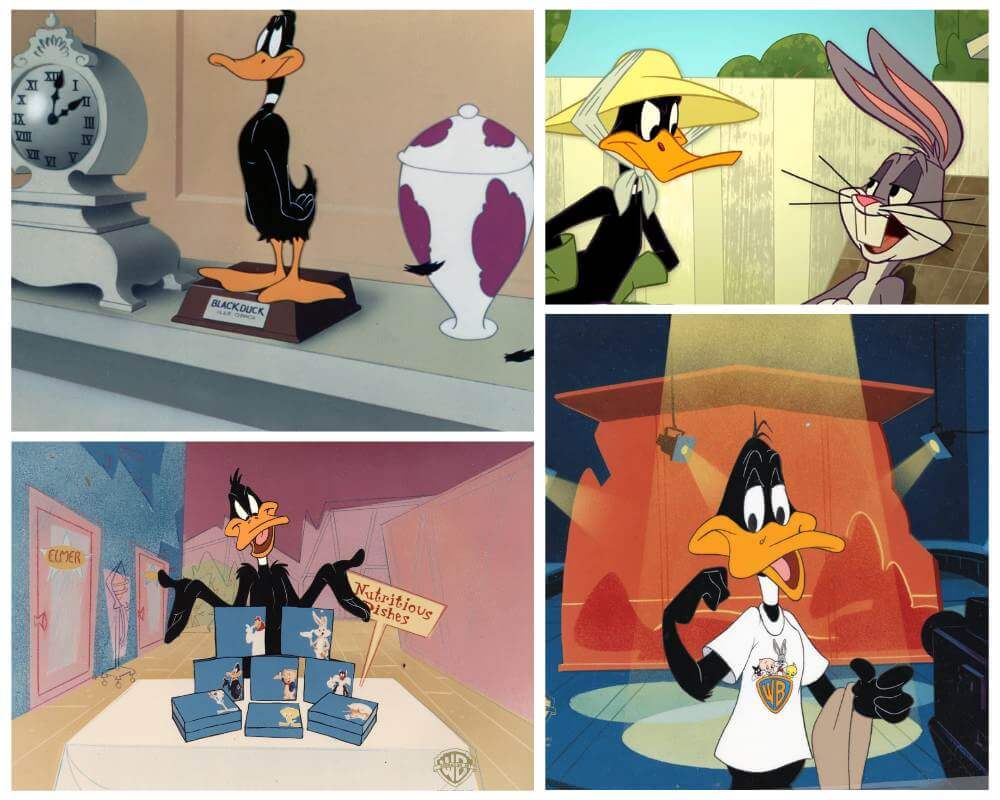
Daffy Duck is usually seen as one of the great cartoon icons.
But some viewers have questioned whether his wild behavior can play into uncomfortable ideas about mental health.
Daffy is often manic, explosive, jealous, and irrational.
- His personality is exaggerated for comedy.
- He often loses control.
- His emotions swing wildly.
- Some viewers see this as harmless cartoon energy.
- Others question how media uses instability as a joke.
I think Daffy is a good example of how classic cartoon comedy can be reinterpreted.
His exaggeration is part of the Looney Tunes style.
But modern viewers may still ask fair questions about what certain jokes suggest.
13. Bender – Futurama
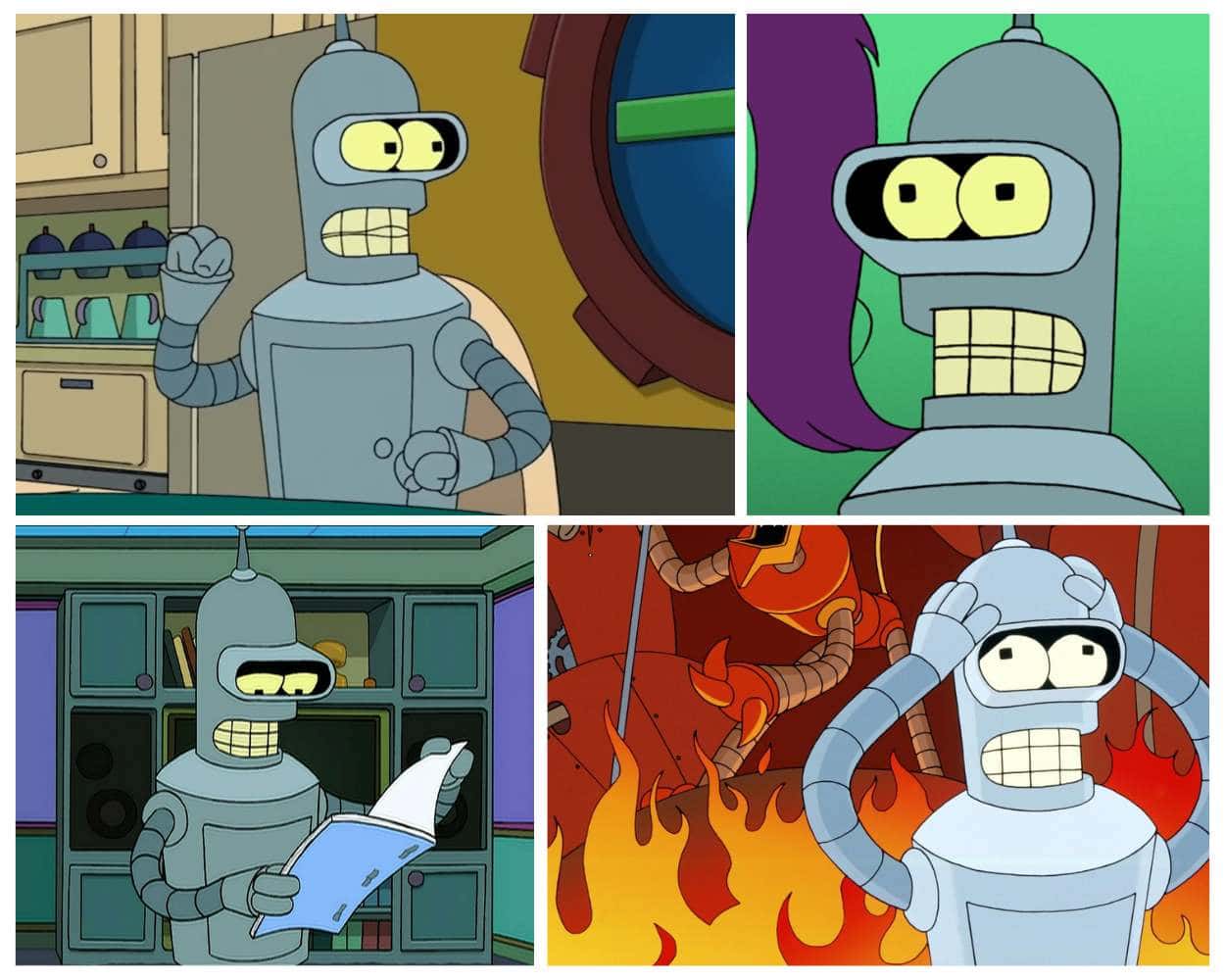
Bender from Futurama is rude, selfish, criminal, and proud of it.
That is why he is funny.
It is also why he can be controversial.
- He drinks constantly.
- He steals.
- He lies.
- He insults people.
- He often has no interest in morality.
Bender is a robot, which gives the show room to joke about artificial intelligence, morality, and identity.
But his behavior also raises questions about how much bad conduct can be excused because a character is funny.
I think Bender works because Futurama usually knows he is terrible.
The show does not need him to be good.
It needs him to be entertaining.
14. Launchpad McQuack – DuckTales and Darkwing Duck
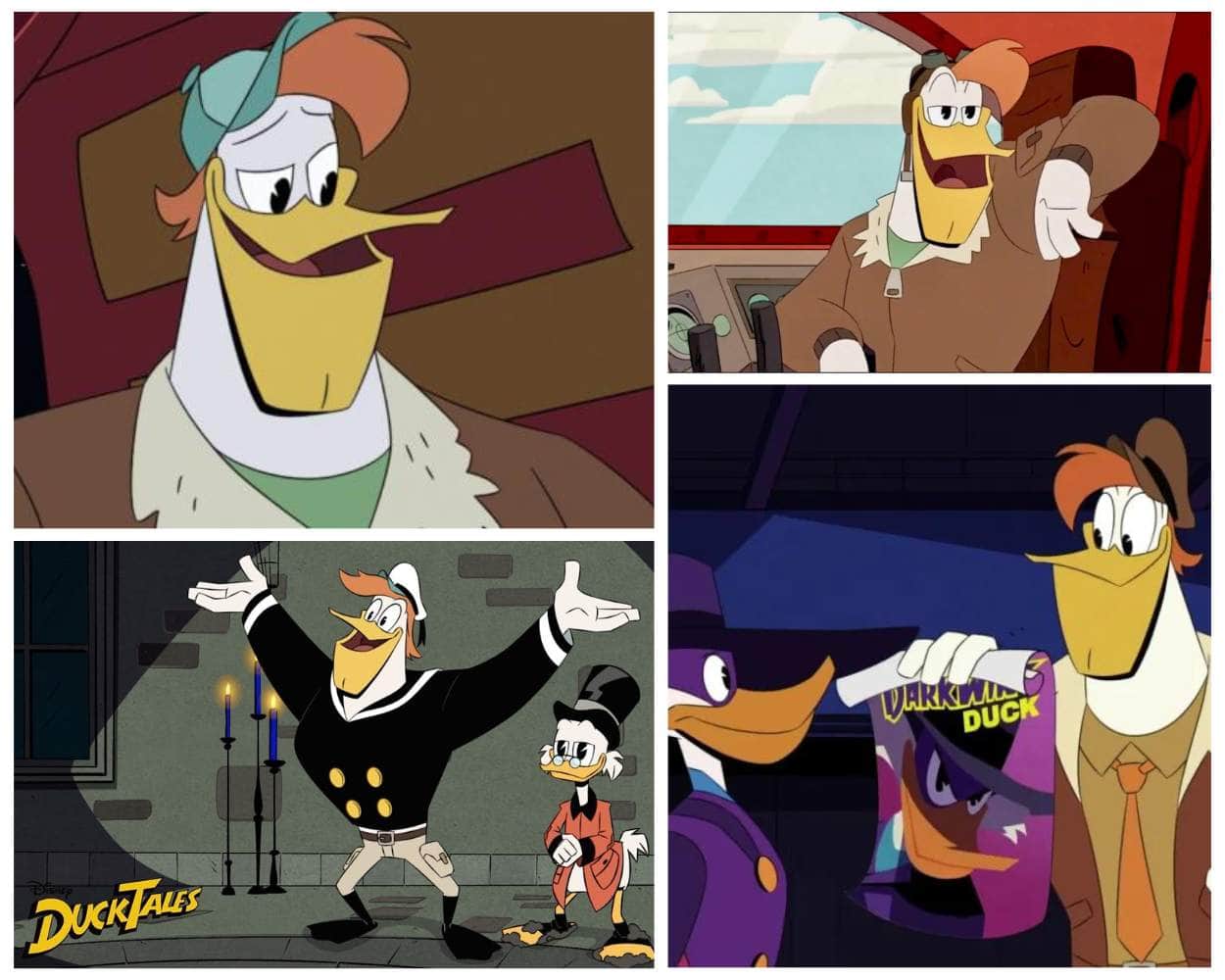
Launchpad McQuack is controversial in a lighter but still interesting way.
He is a lovable pilot, but he is also famous for crashing.
That creates a funny question:
How does he keep getting hired?
- He is kindhearted.
- He is loyal.
- He is brave.
- He is also dangerously accident-prone.
- His crash record is part of the joke.
I like Launchpad, but I understand the debate.
In cartoon logic, his crashes are funny.
In real-world logic, he would be a safety nightmare.
That makes him a fun example of how cartoon comedy bends responsibility.
Why Cartoon Characters Become Controversial
Not every controversial character causes the same kind of debate.
Some are criticized for serious reasons.
Others are mostly disliked by fans.
Some become controversial only after culture changes.
Here are the main reasons I see these debates happening:
- Stereotypes: Some characters rely on racial, cultural, or gender stereotypes.
- Violence: Some characters make violent behavior look funny or normal.
- Consent issues: Some older cartoon jokes age badly when viewed through modern standards.
- Shock humor: Adult cartoons often push jokes as far as possible.
- Fan backlash: Some characters simply disrupt a beloved show’s tone.
- Representation: Viewers now look more closely at who is being portrayed and how.
I think the best way to discuss these characters is with context.
A character can be funny and still worth criticizing.
A character can be important to animation history and still have problems.
Both things can be true.
Controversial Adult Cartoon Shows
Adult animation has always been a major source of cartoon controversy.
These shows often use satire, shock humor, and mature themes to get attention.
Sometimes that creates smart commentary.
Sometimes it creates backlash.
- Family Guy – Often debated for jokes about race, religion, sexuality, disability, and violence.
- South Park – Known for political satire, crude humor, and controversial takes on current issues.
- American Dad! – Uses Roger and other characters to push identity, politics, and cultural satire.
- Rick and Morty – Criticized by some viewers for toxic family dynamics and anti-hero behavior.
- BoJack Horseman – Praised for serious themes, but still debated for its portrayal of addiction and harm.
- Big Mouth – Frequently debated because of its explicit focus on puberty and teen sexuality.
- Archer – Known for mature humor, workplace toxicity, and offensive character behavior.
- The Simpsons – Criticized at times for cultural stereotypes, especially around Apu.
- F is for Family – Debated for its raw family dynamics and harsh portrayal of 1970s parenting.
- Paradise PD – Known for crude comedy, adult content, and graphic jokes.
- Brickleberry – Criticized for offensive humor and boundary-pushing jokes.
- Mr. Pickles – Debated for horror imagery, violence, and satanic themes.
- Drawn Together – Built around offensive parody and adult reality-show satire.
- Sausage Party – Controversial for explicit sexual humor, religious satire, and adult content.
- Love, Death & Robots – Debated for graphic violence, sexual content, and how some episodes portray women.
Are Controversial Cartoon Characters Always Bad?
I do not think a controversial cartoon character is automatically bad.
Sometimes controversy means the character is poorly written.
Sometimes it means the character is challenging viewers on purpose.
Sometimes it means the joke has aged badly.
And sometimes it means audiences are having a useful conversation.
- Cartman is controversial because he is intentionally offensive.
- Apu is controversial because of representation concerns.
- Scrappy-Doo is controversial because fans disliked his effect on the show.
- Zuko is controversial in a more thoughtful debate about redemption.
- Jessica Rabbit is controversial because viewers disagree about objectification and empowerment.
That range matters.
Not every controversy is the same.
Some are about harm.
Some are about taste.
Some are about changing culture.
What These Characters Say About Animation
To me, controversial characters in cartoons prove that animation is not simple.
Cartoons can be funny, but they can also reflect the attitudes of their time.
They can challenge ideas.
They can repeat harmful ones.
They can age well.
They can age badly.
And sometimes they can do all of that at once.
- Older cartoons show how humor has changed.
- Adult cartoons show how satire can divide audiences.
- Fan backlash shows how attached viewers become to tone and character dynamics.
- Representation debates show why diverse perspectives matter.
I think that is why these characters are still worth discussing.
They are part of animation history, but they are also part of a bigger conversation about what we laugh at and why.
Final Thoughts on Controversial Characters in Cartoons
Controversial characters in cartoons are not all controversial for the same reason.
Some are offensive by design.
Some became outdated.
Some divided fans.
Some sparked serious cultural conversations.
And some are still loved despite their flaws.
That is what makes this topic so interesting to me.
- Eric Cartman pushes shock satire.
- Pepe Le Pew raises consent debates.
- Apu raises representation debates.
- Scrappy-Doo shows fan backlash.
- Zuko shows how redemption arcs can be discussed seriously.
For me, these characters show that cartoons are more powerful than people sometimes admit.
They can make us laugh.
They can annoy us.
They can challenge us.
And sometimes, they can force us to rethink what used to seem harmless.